
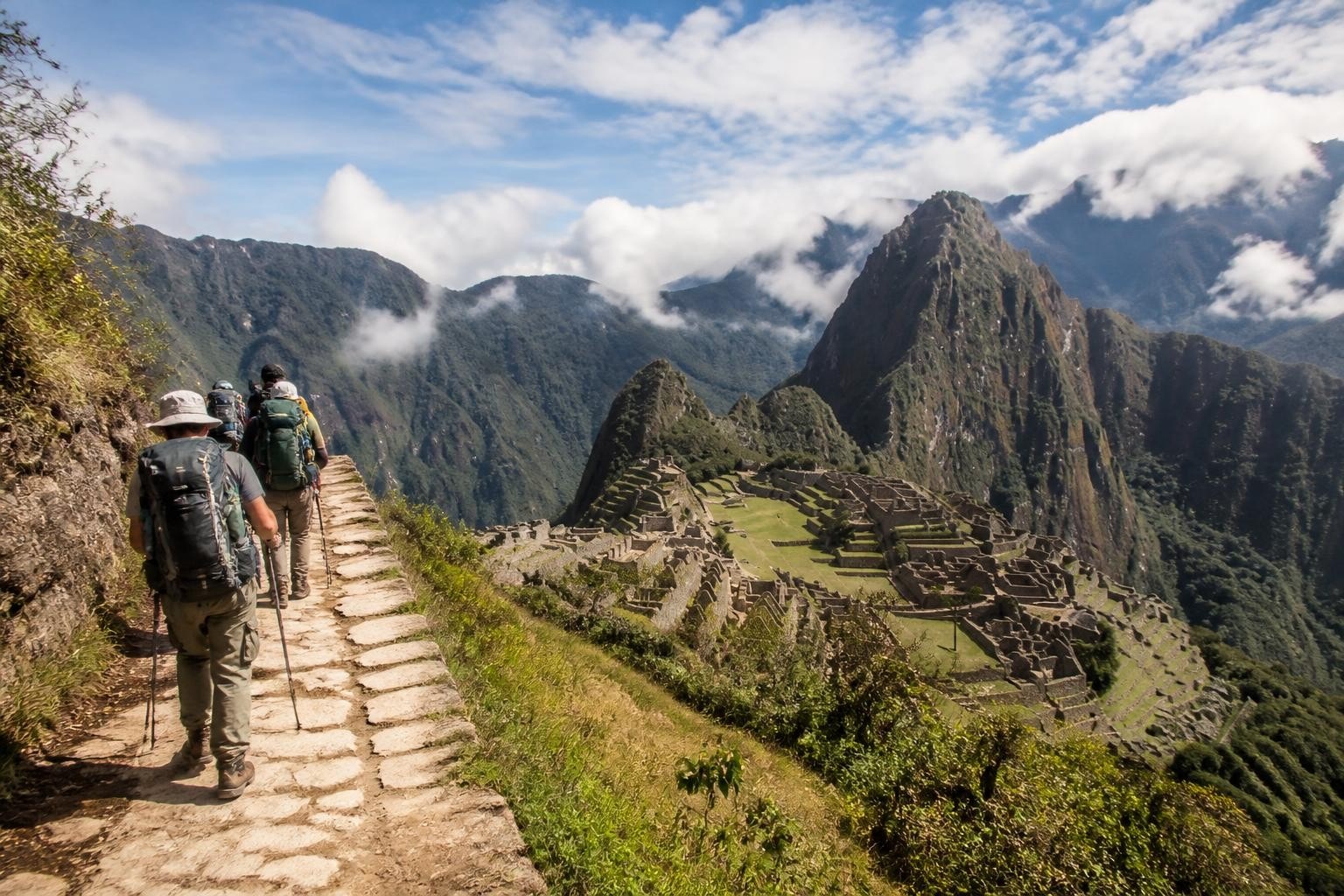
The machu picchu 4 day hike represents one of the most sought-after trekking experiences in South America, combining ancient Inca pathways, cloud forest ecosystems, and breathtaking Andean vistas. This multi-day journey culminates at the Sun Gate, where hikers enjoy their first glimpse of the legendary citadel bathed in morning light. Whether you're an experienced trekker or someone seeking a transformative adventure, understanding the logistics, physical demands, and planning requirements will help you make the most of this bucket-list expedition.
Understanding the Classic Inca Trail Route
The traditional machu picchu 4 day hike follows the renowned Inca Trail, a 26-mile (42-kilometer) route that winds through diverse ecological zones and past several significant archaeological sites. This path was originally constructed by the Inca Empire as a sacred pilgrimage route to the royal estate of Machu Picchu.
Route Overview and Daily Distances
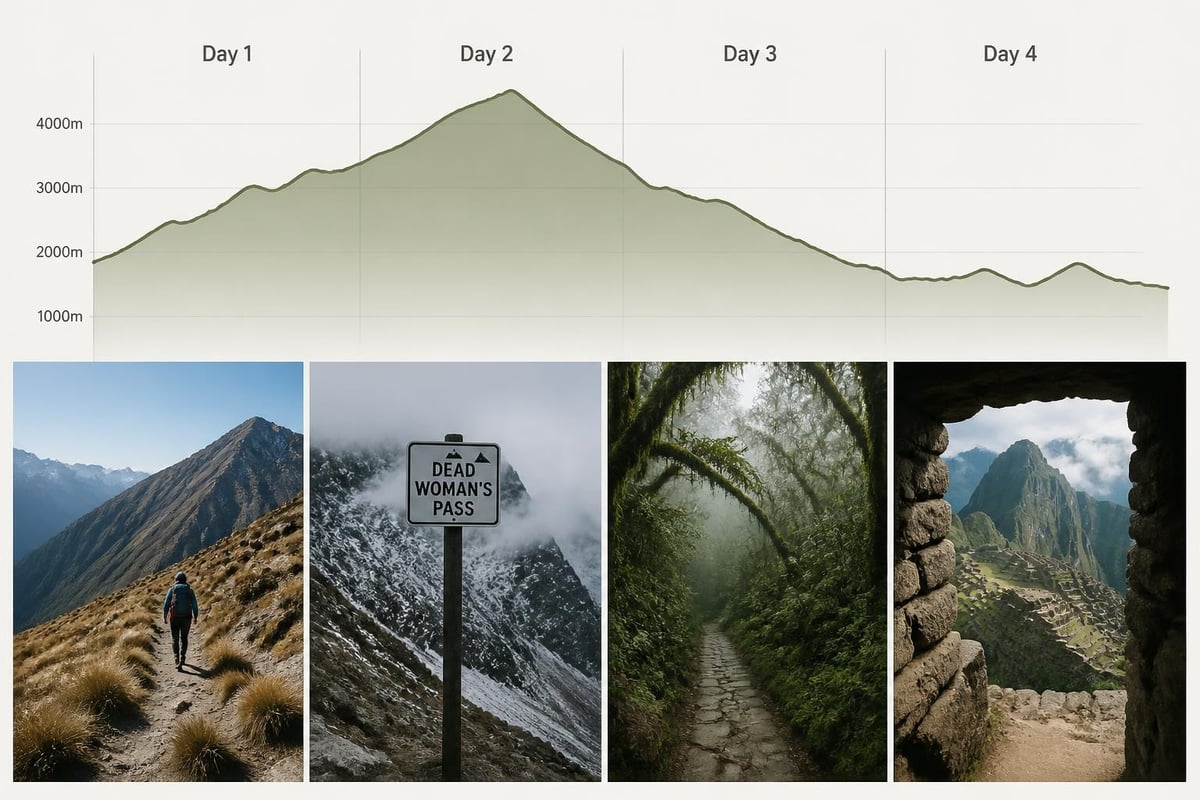
The four-day itinerary breaks down into manageable sections that allow trekkers to acclimatize while experiencing the trail's highlights:
| Day | Distance | Elevation Gain/Loss | Key Highlights |
|---|---|---|---|
| Day 1 | 7.5 miles (12 km) | Gain 1,200 ft (365 m) | Llactapata ruins, Cusichaca Valley |
| Day 2 | 7 miles (11 km) | Gain 3,900 ft (1,200 m) | Dead Woman's Pass (13,828 ft/4,215 m) |
| Day 3 | 10 miles (16 km) | Mixed terrain | Runkurakay, Sayacmarca, Phuyupatamarca |
| Day 4 | 3 miles (5 km) | Descent to site | Sun Gate, Machu Picchu arrival |
The second day poses the greatest physical challenge, requiring an early start and steady pace to reach the highest point of the trek. National Geographic’s expert guidance on choosing the best hike to Machu Picchu emphasizes the importance of proper preparation for this demanding section.
Archaeological Treasures Along the Way
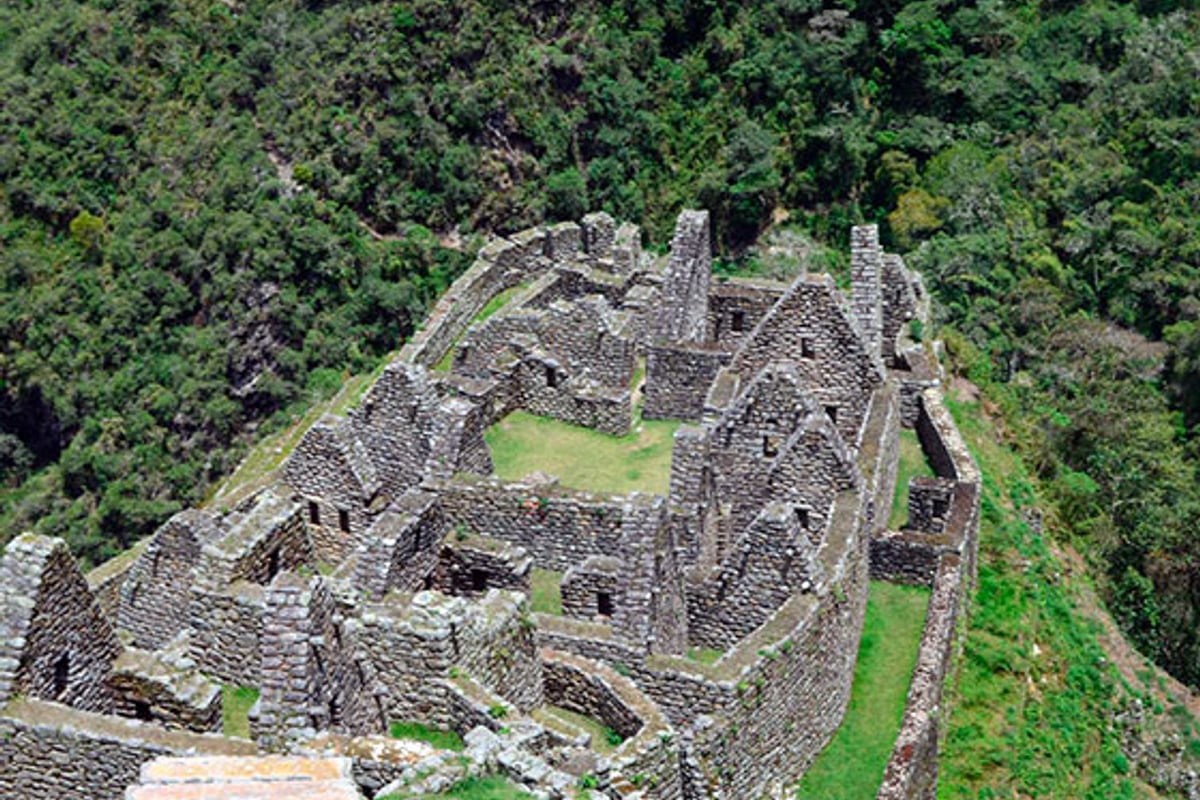
Beyond the physical challenge, the trail offers encounters with remarkable Inca architecture. Runkurakay serves as a perfectly preserved tambo (rest station), while Sayacmarca clings to a cliff face with defensive walls and ceremonial platforms. Phuyupatamarca, meaning "town above the clouds," features intricate water channels and terraces that demonstrate advanced Inca engineering.
The official Dirección Desconcentrada de Cultura Cusco provides valuable archaeological context that enriches your understanding of these sites during the trek.
Permits, Regulations, and Booking Timeline
Securing a spot on the machu picchu 4 day hike requires advance planning due to strict government regulations designed to protect the trail ecosystem and archaeological heritage.
Permit Requirements and Availability
The Peruvian government limits daily entries to 500 people, including hikers, guides, and porters. This restriction means permits sell out months in advance, particularly during the peak season from May through September.
Essential permit facts:
- Permits are non-transferable and require passport information
- Government regulations require all hikers to travel with licensed tour operators
- No independent hiking is allowed on the classic Inca Trail
- Permits must be purchased 5-6 months ahead for high season
- Student discounts (25%) available with valid ISIC card
The Peru government’s announcement on Inca Trail network management outlines current access policies and conservation efforts that affect permit availability.
Choosing a Reputable Tour Operator
Tour operators handle all logistics, including permits, camping equipment, meals, and professional guides. Quality operators employ local porters fairly, provide comprehensive safety protocols, and maintain high environmental standards.
What your tour package should include:
- Professional bilingual guide certified by Peru's Ministry of Culture
- All camping equipment (tents, sleeping mats, dining facilities)
- Three breakfasts, three lunches, three dinners, and daily snacks
- Porter services for group equipment and supplies
- First-aid kit and emergency oxygen
- Entrance tickets to Machu Picchu and train return to Cusco
For travelers seeking a shorter yet equally rewarding experience, the Short Inca Trail to Machu Picchu 2 Days / 1 Night offers an excellent alternative that still includes the Sun Gate approach and comprehensive guided exploration of the citadel.
Physical Preparation and Fitness Requirements
Success on the machu picchu 4 day hike depends significantly on proper physical conditioning and realistic assessment of your fitness level.
Training Recommendations
Begin training at least 8-12 weeks before your departure date. Your program should focus on cardiovascular endurance, leg strength, and hiking-specific conditioning.
Effective training activities include:
- Regular hiking with a weighted backpack (15-20 pounds)
- Stair climbing or stadium steps for elevation simulation
- Long-distance walking (6-8 miles) on consecutive days
- Squats, lunges, and leg presses for muscle strengthening
- Flexibility exercises to prevent injury
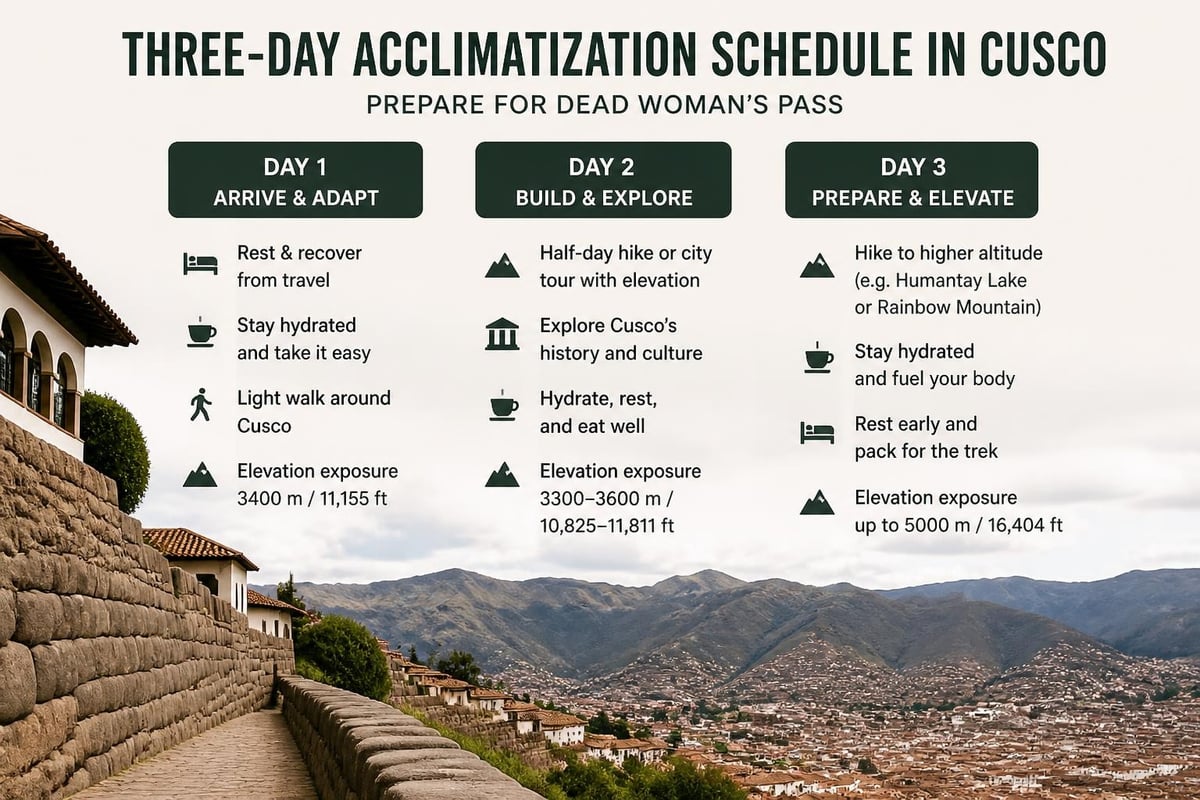
The altitude presents the most significant challenge for many trekkers. CDC guidance for Peru travelers recommends spending 2-3 days in Cusco (11,150 feet/3,400 meters) before beginning the trek to minimize altitude sickness risk.
Recognizing and Managing Altitude Sickness
Acute mountain sickness (AMS) can affect anyone, regardless of fitness level. Symptoms typically appear within 6-12 hours of reaching high altitude and include headache, nausea, dizziness, and fatigue.
| Prevention Strategy | Implementation |
|---|---|
| Gradual ascent | Spend 2-3 days in Cusco before trekking |
| Hydration | Drink 3-4 liters of water daily |
| Coca tea | Local remedy consumed throughout the day |
| Diamox (acetazolamide) | Prescription medication taken preventatively |
| Slow pace | "Pole pole" approach allows acclimatization |
If symptoms worsen despite rest and hydration, descending to lower elevation provides the most effective relief.
Packing Essentials for the Four-Day Trek
Strategic packing balances comfort with weight restrictions, as porters carry group equipment but personal items remain your responsibility.
Clothing Layers for Variable Conditions
The trail traverses multiple climate zones, from humid cloud forest to high alpine passes. Temperature variations between day and night can exceed 40°F (22°C).
Essential clothing items:
- Moisture-wicking base layers (synthetic or merino wool)
- Insulating mid-layer (fleece or down jacket)
- Waterproof and breathable rain jacket and pants
- Trekking pants (quick-dry, convertible recommended)
- Warm hat, sun hat, and gloves
- Three pairs of hiking socks (synthetic or wool blend)
- Sturdy, broken-in hiking boots with ankle support
Avoid cotton fabrics, which retain moisture and lose insulating properties when wet. The trail's microclimates can shift rapidly, making layering systems essential for comfort.
Technical Gear and Personal Items
Equipment checklist:
- Daypack (25-35 liters) for daily essentials
- Sleeping bag rated to 20°F (-7°C)
- Trekking poles (reduce knee strain on descents)
- Headlamp with extra batteries
- Water bottles or hydration system (3-liter capacity)
- Sunglasses with UV protection
- Sunscreen (SPF 50+) and lip balm
- Personal first-aid supplies
- Toiletries and biodegradable soap
- Camera with extra batteries and memory cards
Limit your personal duffel bag to 15 pounds (7 kilograms), the maximum weight porters carry per hiker. Keep valuables, medications, and essential documents in your daypack.
What to Expect: Daily Routine and Camp Life
Understanding the typical daily schedule helps you mentally prepare for the rhythm of the machu picchu 4 day hike and manage your energy throughout the journey.
Morning Routines and Trail Days
Wake-up calls typically occur between 5:30-6:00 AM, with hot coca tea or coffee delivered to your tent. After breakfast, porters pack up camp while hikers prepare their daypacks for the day's trek.
The hiking day follows this general pattern:
- 6:30-7:00 AM: Hearty breakfast with eggs, pancakes, fruit, and hot beverages
- 7:30-8:00 AM: Begin hiking after group briefing
- 10:00-10:30 AM: Mid-morning snack break
- 12:30-1:30 PM: Extended lunch break at designated campsite
- 2:00-5:00 PM: Afternoon hiking segment
- 5:30-6:00 PM: Arrival at camp, wash up, and rest
- 7:00-7:30 PM: Dinner service in dining tent
- 8:30-9:00 PM: Lights out
Lonely Planet’s comprehensive Inca Trail coverage provides additional insights into daily logistics and what different tour operators typically include.
Camping Facilities and Meal Quality
Designated campsites offer basic bathroom facilities, though conditions vary from modern flush toilets to simple latrine systems. Most tour operators provide portable toilet tents for added comfort and hygiene.
Meals on the trail often surprise trekkers with their quality and variety. Professional camp cooks prepare three-course meals using fresh ingredients, often incorporating traditional Peruvian dishes alongside international options.
Sample dinner menu:
- Appetizer: Quinoa soup with vegetables
- Main course: Grilled chicken with rice and sautéed vegetables
- Dessert: Fresh fruit salad or flan
- Hot beverages: Coca tea, coffee, or herbal infusions
Vegetarian, vegan, and dietary restriction accommodations are standard with advance notice to your tour operator.
Best Time to Hike: Seasonal Considerations
Timing your machu picchu 4 day hike significantly impacts trail conditions, weather patterns, and overall experience quality.
Dry Season Advantages (May-September)
The dry season attracts the majority of trekkers due to favorable weather conditions and reduced rainfall. Clear skies provide stunning mountain vistas and reliable trail conditions.
Dry season characteristics:
- Minimal rainfall (less than 2 inches per month)
- Consistent temperatures (60-70°F days, 30-40°F nights)
- Excellent visibility for photography
- Higher permit demand and prices
- More crowded campsites and trails
- Cooler nighttime temperatures at altitude
June, July, and August represent peak season when permits sell out fastest and trails see maximum traffic.
Shoulder Season Benefits (April, October, November)
Shoulder months offer compelling advantages for flexible travelers willing to accept slightly less predictable weather.
| Factor | Dry Season | Shoulder Season | Wet Season |
|---|---|---|---|
| Weather reliability | Excellent | Good | Variable |
| Permit availability | Limited | Moderate | Good |
| Trail crowds | High | Medium | Low |
| Landscape greenery | Brown/dry | Lush | Very lush |
| Pricing | Premium | Moderate | Lower |
April and October provide particularly attractive conditions with emerging or lingering dry season weather combined with fewer fellow trekkers.
Wet Season Realities (December-March)
The wet season, especially January and February when the trail closes for maintenance, presents challenges but also unique opportunities. December, March, and early April offer reduced crowds and vibrant landscapes, though rain gear becomes essential daily equipment.
Alternative Four-Day Routes to Machu Picchu
While the classic Inca Trail dominates conversations about the machu picchu 4 day hike, several alternative routes provide equally rewarding experiences with different challenges and highlights.
Salkantay Trek Overview
The Salkantay Trek circumvents the Inca Trail permit system while offering dramatic mountain scenery and diverse ecosystems. This route passes beneath Salkantay Mountain (20,574 feet/6,271 meters) and descends through cloud forest before reaching Machu Picchu.
Salkantay highlights:
- No permit limitations or months-ahead booking
- Higher maximum altitude (15,213 feet/4,638 meters)
- More varied terrain including glacial valleys
- Options for camping or comfortable lodge accommodations
- Generally less crowded than classic Inca Trail
Lares Trek Cultural Experience
The Lares Trek emphasizes cultural immersion through Quechua-speaking communities that maintain traditional lifestyles. This route features hot springs, textile workshops, and homestay opportunities.
Why choose Lares:
- Authentic cultural interactions with local families
- Natural hot springs at Lares village
- Traditional weaving demonstrations
- Llama and alpaca herding observations
- Train journey to Aguas Calientes on final day
Both alternatives conclude with guided tours of Machu Picchu, ensuring you experience the citadel's wonders regardless of which four-day route you select.
Environmental Responsibility and Leave No Trace
Preserving the Inca Trail's integrity for future generations requires every trekker to follow established conservation principles and minimize environmental impact.
Porter Welfare and Fair Treatment
The porter welfare issue deserves serious consideration when selecting your tour operator. Ethical companies adhere to weight limits (55 pounds/25 kilograms maximum), provide proper equipment and meals, and pay fair wages.
Questions to ask your operator:
- Are porters provided with adequate clothing and sleeping gear?
- What is your maximum porter load policy?
- Do porters receive meals equal in quality to trekker meals?
- Are porters insured for medical emergencies?
- What percentage of porters are hired from local communities?
Organizations like the International Porter Protection Group monitor and certify operators who meet ethical standards.
Trail Etiquette and Waste Management
The Peruvian government enforces strict Leave No Trace principles on all Inca Trail routes. Violations can result in fines and permit revocations for tour operators.
Essential practices include:
- Carrying out all trash, including biodegradable items
- Using designated bathroom facilities exclusively
- Staying on marked trails to prevent erosion
- Avoiding disturbance to archaeological sites
- Respecting wildlife and maintaining distance
- Minimizing noise pollution at campsites
- Using biodegradable soap away from water sources
Responsible operators provide detailed briefings on environmental protocols and supply necessary waste management equipment throughout the trek.
Arriving at Machu Picchu: The Final Day
The fourth day of your machu picchu 4 day hike begins before dawn with the trek's most anticipated moment-entering Machu Picchu through the Sun Gate as morning light illuminates the ancient citadel.
Sun Gate Approach and First Views
Hikers wake around 3:30 AM on the final day to reach the checkpoint when it opens at 5:30 AM. The two-hour hike from the last campsite to Inti Punku (Sun Gate) follows stone steps through cloud forest.
Reaching the Sun Gate rewards early risers with an elevated perspective of Machu Picchu framed by surrounding peaks. This vantage point-the same view Inca pilgrims experienced centuries ago-provides unmatched photo opportunities and emotional impact.
Sun Gate arrival timeline:
- 3:30 AM: Wake-up call and quick breakfast
- 4:00 AM: Begin final hiking segment
- 5:30 AM: Reach trail checkpoint
- 7:00-7:30 AM: Arrive at Sun Gate
- 8:00 AM: Descend to Machu Picchu main entrance
Guided Tour and Exploration Time
After descending to the citadel, your guide leads a comprehensive 2-3 hour tour explaining Machu Picchu's history, architecture, and astronomical alignments. The tour covers key sectors including the Temple of the Sun, Royal Tomb, Temple of the Three Windows, and the Intihuatana stone.
Following the guided portion, most itineraries allow 1-2 hours for independent exploration, photography, and personal reflection before taking the bus to Aguas Calientes for lunch and the train return to Cusco.
Planning and completing the machu picchu 4 day hike requires careful preparation, physical conditioning, and respect for both the natural environment and cultural heritage you'll encounter. Whether you choose the classic Inca Trail or an alternative route, this transformative journey offers unparalleled access to Andean landscapes and archaeological wonders. Machupicchu Trips specializes in locally-led expeditions that combine expert knowledge with sustainable practices, ensuring your four-day adventure exceeds expectations while supporting Peruvian communities. Let experienced guides who call the Andes home show you the path to one of the world's most extraordinary destinations.