
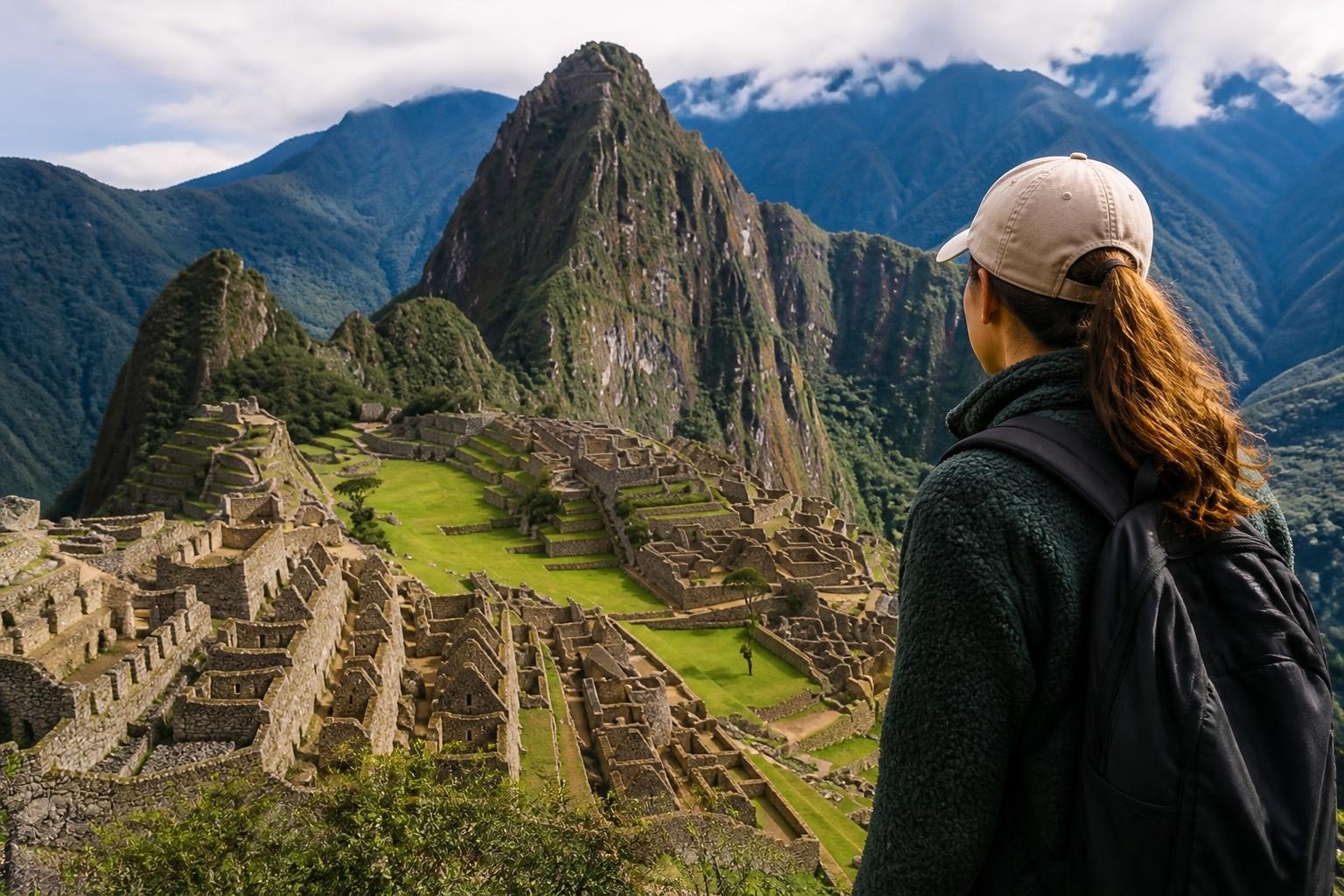
Every year, hundreds of thousands of travelers journey to the ancient Inca citadel perched high in the Peruvian Andes. As a machu picchu tourist, you're following in the footsteps of explorers who have marveled at this UNESCO World Heritage Site since Hiram Bingham's expedition in 1911. Understanding the logistics, regulations, and best practices for visiting Machu Picchu transforms a good trip into an extraordinary adventure. This comprehensive guide walks you through everything you need to know to plan your 2026 visit to one of the New Seven Wonders of the World.
Understanding Machu Picchu Entry Requirements
The Peruvian government strictly regulates visitor access to protect this archaeological treasure. Peru's Ministry of Culture has implemented capacity controls that every machu picchu tourist must follow. Daily visitor limits ensure the site's preservation while maintaining an enriching experience for travelers.
Official Ticketing System
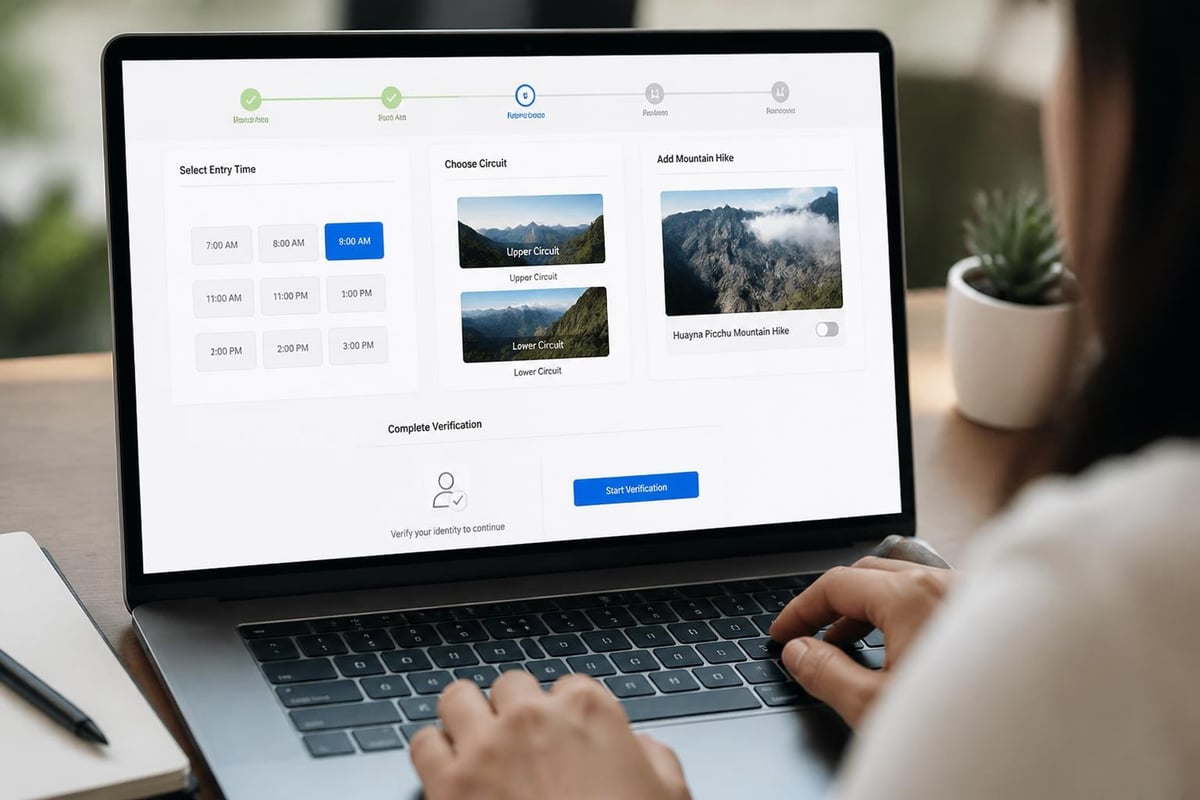
Purchasing tickets through the official Machu Picchu platform is mandatory. The government-run system offers several ticket types:
- General admission circuits: Access to the main citadel with designated routes
- Machu Picchu + Huayna Picchu: Includes the steep mountain hike behind the citadel
- Machu Picchu + Machu Picchu Mountain: Alternative mountain experience with panoramic views
- Machu Picchu + Huchuy Picchu: Shorter, less strenuous mountain option added in recent years
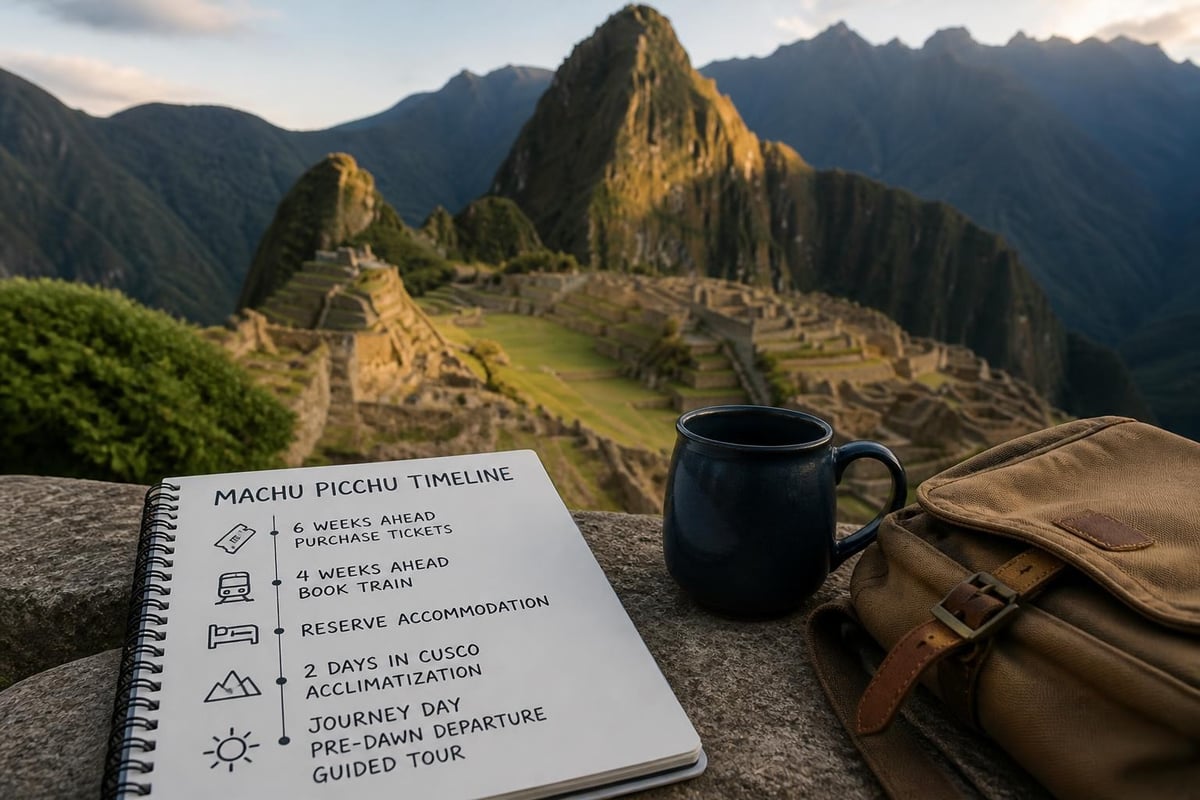
You must purchase tickets weeks or months in advance, especially during peak season from May through September. Each ticket includes a specific entry time, and you cannot deviate from your assigned circuit once inside.
Entry Time Slots and Circuits
The Ministry of Culture establishes visitor capacity regulations that divide each day into morning and afternoon slots. As a machu picchu tourist, you'll choose between:
| Time Slot | Entry Window | Best For |
|---|---|---|
| Slot 1 | 6:00 AM | Sunrise photography, fewer crowds |
| Slot 2 | 7:00 AM | Morning light, comfortable temperature |
| Slot 3 | 8:00 AM | Standard morning visit |
| Slot 4 | 9:00 AM | Later morning, warmer weather |
| Slot 5 | 10:00 AM | Midday visit, cloud clearing |
| Slot 6 | 11:00 AM | Afternoon exploration |
| Slot 7 | 12:00 PM | Late entry, longer shadows |
| Slot 8 | 1:00 PM | Afternoon photography |
| Slot 9 | 2:00 PM | Last entry of the day |
Circuit routes changed significantly in recent years. Four primary circuits guide visitors through different sections of the citadel, preventing congestion and distributing foot traffic across the archaeological site.
Planning Your Journey to Machu Picchu
Getting to Machu Picchu requires strategic planning. The citadel sits at 7,970 feet (2,430 meters) above sea level in a remote mountain location accessible only by train or multi-day trek.
Transportation Options
Most travelers begin in Cusco, the historic Inca capital located approximately 50 miles from Machu Picchu. The journey involves multiple stages:
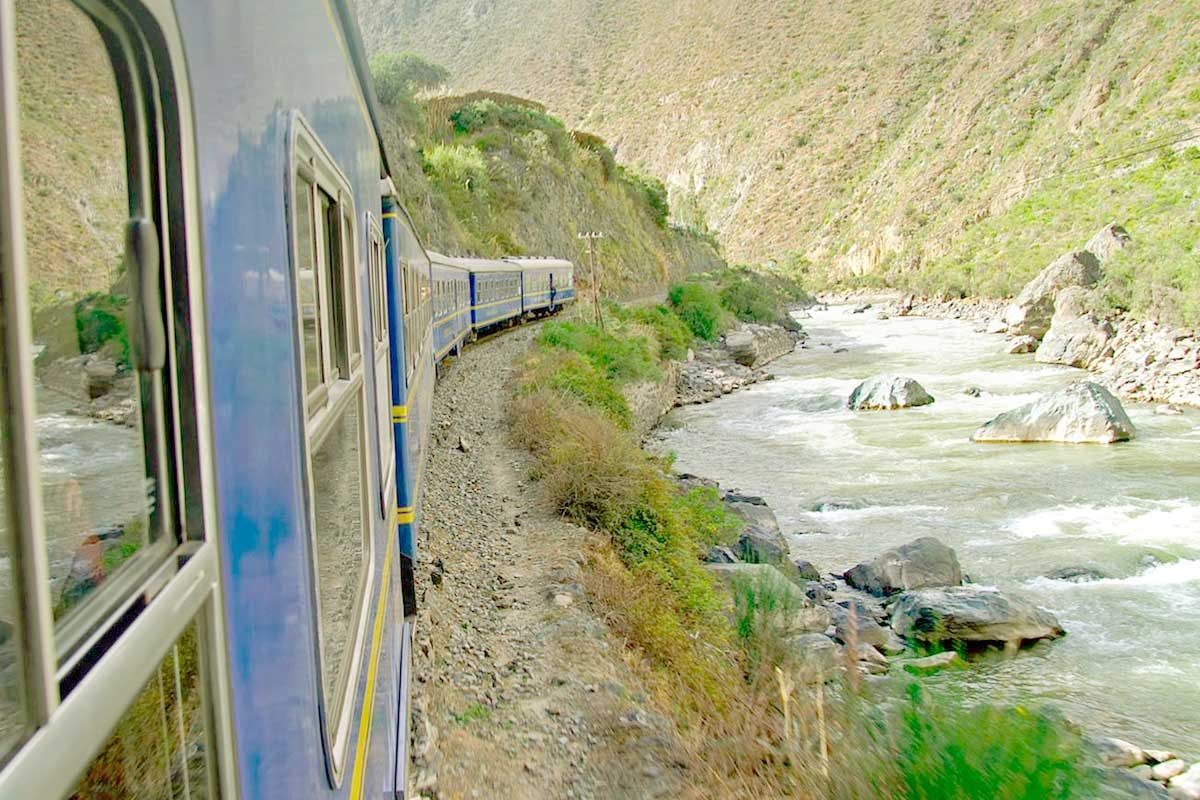
Train Route: Depart from Ollantaytambo or Cusco's Poroy station aboard Peru Rail or Inca Rail. The scenic ride through the Sacred Valley takes 1.5 to 3.5 hours, arriving in Aguas Calientes (Machu Picchu Pueblo). From there, shuttle buses transport visitors up the winding switchbacks to the entrance.
Trekking Routes: Multi-day hikes like the Classic Inca Trail, Salkantay Trek, or Lares Trek combine adventure with archaeology. These require separate permits and advance booking with licensed operators.
Hydroelectric Route: Budget-conscious travelers sometimes choose this longer, less comfortable option involving bus and walking segments.
Accommodation Strategies
Where you stay significantly impacts your machu picchu tourist experience. Consider these options:
- Aguas Calientes: Stay overnight for early morning entry, avoiding rush-hour crowds
- Sacred Valley towns: Base in Ollantaytambo or Urubamba for lower altitude acclimatization
- Cusco: Remain in the historic city, though this requires very early departures
- Luxury lodges: Premium properties near the site offer exclusivity and convenience
Spending at least one night in Aguas Calientes allows you to catch sunrise at Machu Picchu, when morning mist dramatically reveals the ancient terraces and temples.
Seasonal Considerations for Your Visit
Weather and crowd levels vary dramatically throughout the year. Every machu picchu tourist should understand seasonal patterns before booking.
Dry Season (May to September)
Peak tourism season brings clear skies, minimal rainfall, and maximum visitors. Advantages include:
- Reliable weather: Less than one inch of rain monthly
- Photography conditions: Bright sunshine and blue skies
- Trail accessibility: All hiking routes fully operational
- Long daylight hours: Extended exploration time
Disadvantages center on crowding and premium pricing. Tickets sell out months ahead, hotels charge peak rates, and popular entry times fill quickly.
Wet Season (November to March)
Lower visitor numbers and green landscapes characterize rainy months. Benefits include:
- Fewer tourists: More intimate experience at the ruins
- Lush scenery: Vibrant vegetation and flowing waterfalls
- Lower prices: Discounted accommodation and services
- Available permits: Easier booking for popular time slots
January and February bring the heaviest rainfall. The Classic Inca Trail closes entirely in February for maintenance. However, afternoon showers typically clear quickly, and mornings often offer excellent conditions.
Shoulder Seasons (April, October, November)
These transitional months provide balanced conditions. April offers post-rain greenery with improving weather. October through early November delivers pleasant temperatures with manageable crowds.
Essential Tips for Machu Picchu Tourists
Preparation separates exceptional visits from disappointing ones. Follow these professional recommendations to maximize your experience.
Altitude Acclimatization
Cusco sits at 11,152 feet (3,399 meters), substantially higher than Machu Picchu itself. Spend at least two full days in Cusco or the Sacred Valley before visiting. This prevents altitude sickness symptoms that affect many travelers.
Acclimatization strategies:
- Arrive in Cusco and rest on day one
- Take short walks and drink coca tea
- Explore lower-altitude Sacred Valley on day two
- Visit Machu Picchu on day three or later
- Avoid alcohol and heavy meals initially
Hiring Licensed Guides
While not legally required, professional guides transform your machu picchu tourist experience. The official protected area information emphasizes the historical and ecological significance that guides illuminate. Licensed guides explain architectural features, astronomical alignments, and cultural context invisible to casual observers.
Benefits of guided tours:
- Historical context: Understanding Inca engineering and purpose
- Navigation efficiency: Maximizing limited time inside circuits
- Photography assistance: Identifying optimal viewpoints
- Safety awareness: Avoiding restricted areas and hazards
For those seeking comprehensive exploration with expert guidance, structured tour packages provide seamless experiences. The MACHU PICCHU EXPLORE: 5 Days / 4 Nights combines Cusco's Inca heritage with Sacred Valley discoveries and a guided Machu Picchu tour, handling logistics while you focus on the experience.
Packing Essentials
Weather changes rapidly in mountain environments. Pack strategically:
| Category | Items | Purpose |
|---|---|---|
| Weather Protection | Rain jacket, sun hat, sunscreen | Variable conditions |
| Hydration | Reusable water bottle | High altitude requires extra fluids |
| Footwear | Comfortable hiking shoes | Uneven stone surfaces |
| Documentation | Passport, printed tickets | Mandatory entry verification |
| Technology | Camera, extra batteries | Capturing memories |
| Health | Altitude medication, snacks | Energy and comfort |
Single-use plastics are prohibited. Bring reusable containers and remove all trash.
Photography and Documentation
Capturing Machu Picchu's majesty requires planning. The machu picchu tourist eager for stunning photographs should understand optimal locations and lighting.
Best Photography Locations
Classic postcard view: The agricultural terraces with Huayna Picchu mountain backdrop, accessible from the Guard House viewpoint on Circuit 2.
Sunrise shots: Morning mist creates atmospheric conditions, though clouds may obstruct early light. The 6:00 AM entry slot offers best opportunities.
Architectural details: Temple of the Sun, Intihuatana stone, and Room of Three Windows showcase Inca stonework precision.
Panoramic perspectives: Machu Picchu Mountain provides overhead views of the entire citadel layout.
Equipment Recommendations
Professional cameras are permitted, but tripods and drones are strictly prohibited. Bring:
- Wide-angle lens for landscape shots
- Zoom lens for architectural details
- Polarizing filter to manage bright sunlight
- Extra memory cards and batteries
Smartphone cameras capture excellent images. Focus on composition rather than equipment.
Understanding Cultural and Historical Context
Machu Picchu represents the pinnacle of Inca architectural and astronomical achievement. Built around 1450 CE under Emperor Pachacuti, the citadel served as a royal estate and sacred religious site.
Architectural Marvels
The precision stonework throughout the site demonstrates sophisticated engineering. Massive granite blocks fit together without mortar, surviving earthquakes that would destroy modern structures. The Incas shaped stones using bronze tools and abrasive sand, achieving tolerances that prevent even knife blades from fitting between blocks.
Key structures include:
- Temple of the Sun: Curved wall with astronomical windows
- Intihuatana stone: Ritual astronomical marker, one of few unbroken examples
- Royal Palace: Emperor's residential complex with private bathing facilities
- Sacred Plaza: Ceremonial center with temple buildings
Astronomical Alignments
Inca architects incorporated celestial observations into building design. During winter solstice (June 21 in the Southern Hemisphere), sunlight illuminates specific windows and stones. The Intihuatana functioned as a solar clock and calendar, helping priests determine agricultural schedules and religious ceremony timing.
Responsible Tourism Practices
Every machu picchu tourist bears responsibility for preserving this irreplaceable heritage site. Current regulations reflect decades of conservation science and visitor impact studies.
Conservation Rules
Strict behavioral guidelines protect archaeological integrity:
- Stay on marked paths: Prevent erosion and structural damage
- No touching stonework: Oils and pressure damage surfaces
- Photography only: Sketching and painting are prohibited
- Quiet voices: Respect the sacred nature of the site
- No food inside: Eating is restricted to designated areas outside circuits
Guards monitor compliance and can remove visitors who violate regulations.
Supporting Local Communities
Tourism provides essential income for Andean communities. Official tourism guidance encourages supporting local businesses, hiring local guides, and purchasing authentic handicrafts directly from artisans.
Choose locally-owned tour operators, eat at family restaurants in Aguas Calientes, and buy textiles from cooperative markets where proceeds directly benefit weavers.
Health and Safety Considerations
Mountain environments present unique challenges. Preparation ensures a safe, comfortable machu picchu tourist experience.
Common Health Concerns
Altitude sickness: Symptoms include headache, nausea, and fatigue. Prevent through gradual acclimatization, hydration, and rest.
Sun exposure: Intense UV radiation at high altitude causes rapid sunburn. Apply SPF 50+ sunscreen hourly.
Dehydration: Dry mountain air increases fluid needs. Drink water consistently throughout your visit.
Physical exertion: Steep stairs and uneven surfaces challenge fitness. Pace yourself and rest frequently.
Emergency Preparedness
Medical facilities in Aguas Calientes handle minor issues. Serious emergencies require evacuation to Cusco. Purchase comprehensive travel insurance covering high-altitude activities and medical evacuation.
Carry basic first aid supplies, prescription medications in original containers, and emergency contact information.
Maximizing Your Limited Time
Visitors typically spend two to four hours inside Machu Picchu. Strategic planning ensures you experience priority features within your assigned circuit and time slot.
Efficient Touring Strategies
- Arrive early: Gates open at 6:00 AM; early entry means thinner crowds
- Follow your circuit: Don't waste time trying to access restricted areas
- Prioritize must-see structures: Identify top features before entering
- Take breaks strategically: Rest at designated viewpoints
- Save photography for less crowded moments: Popular spots clear late morning
Beyond the Main Citadel
Ambitious travelers add optional mountain hikes. Huayna Picchu's steep ascent takes 1.5 hours up and one hour down, offering aerial perspectives. Only 200 daily permits are available, selling out weeks ahead.
Machu Picchu Mountain provides a longer, less vertical alternative with equally spectacular views. The three-hour round trip suits moderate fitness levels better than Huayna Picchu's ladder-like sections.
Working with Tour Operators
Professional tour companies handle complex logistics, allowing you to focus on experiencing rather than coordinating. As a machu picchu tourist, partnering with experienced operators provides significant advantages.
Selecting Quality Operators
Evaluate tour companies on these criteria:
| Factor | Quality Indicators | Red Flags |
|---|---|---|
| Licensing | Government-registered, official permits | Vague credentials |
| Local expertise | Native guides, community connections | Foreign-only staff |
| Transparency | Clear pricing, detailed itineraries | Hidden fees, unclear inclusions |
| Reviews | Consistent positive feedback | Recent complaints, no testimonials |
| Sustainability | Environmental policies, local hiring | No conservation commitment |
Included Services
Comprehensive packages bundle transportation, accommodation, meals, guides, and entrance fees. This eliminates stress from coordinating multiple vendors and ensures seamless experiences from Cusco through your return.
Multi-day itineraries allow proper acclimatization while exploring additional sites. Combining Machu Picchu with Sacred Valley ruins, Cusco's colonial architecture, or Amazon rainforest adventures creates well-rounded Peruvian experiences.
Current Visitor Statistics and Trends
Understanding visitor patterns helps every machu picchu tourist plan strategically. Recent data shows evolving tourism dynamics following pandemic recovery.
Pre-2020, annual visitors approached 1.5 million. Current regulations cap daily visitors between 3,800 and 5,600 depending on season, spreading impact across the year. Monthly patterns show July and August receiving maximum crowds, while January and February attract fewer visitors despite being wet season.
International tourists primarily come from the United States, followed by European nations and other South American countries. The average machu picchu tourist stays in Peru for eight to twelve days, visiting multiple destinations.
Final Preparations Before Departure
Your departure date approaches. Complete these final tasks:
Two weeks before:
- Confirm all reservations and print confirmations
- Download offline maps of Cusco and Aguas Calientes
- Review weather forecasts and adjust packing
- Start altitude pre-acclimatization if possible
One week before:
- Break in hiking shoes to prevent blisters
- Organize documents in waterproof pouch
- Charge all electronics and pack adapters
- Review circuit map and site layout
Twenty-four hours before:
- Reconfirm train times and shuttle schedules
- Prepare daypack with essentials only
- Set multiple alarms for early morning departure
- Hydrate well and get adequate sleep
Planning a successful Machu Picchu visit requires understanding ticketing systems, seasonal patterns, health considerations, and conservation responsibilities. Whether you're pursuing sunrise photography, cultural immersion, or simply checking off a bucket-list destination, thorough preparation ensures an unforgettable experience. Machupicchu Trips specializes in locally-led tours that handle every detail, from Sacred Valley explorations to guided citadel experiences, allowing you to focus entirely on the wonder of discovering this ancient Inca masterpiece in the heart of the Peruvian Andes.