
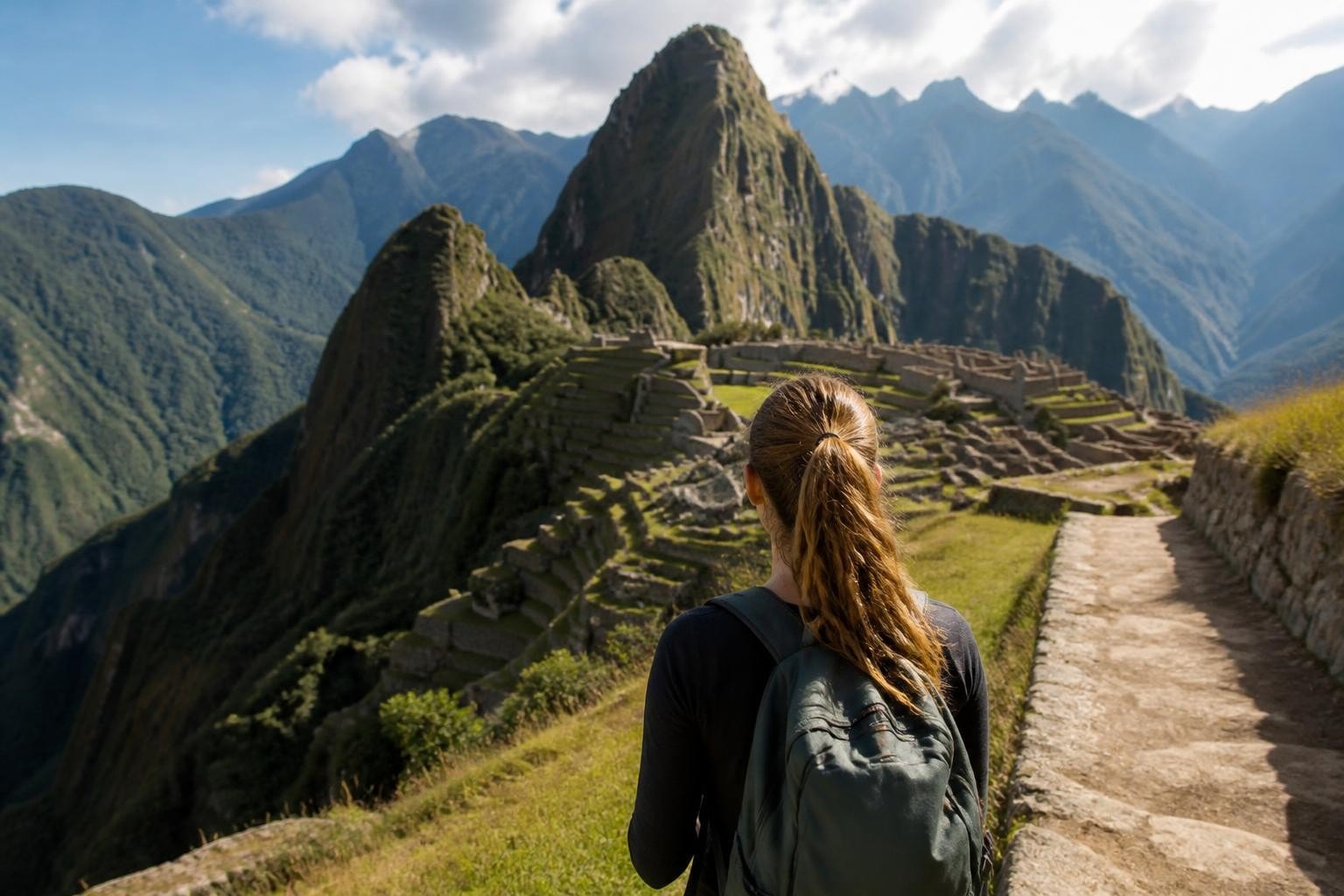
Planning a one day Machu Picchu hike requires careful coordination, realistic expectations, and an understanding of the available routes and circuits. While many travelers dream of trekking to the ancient Inca citadel, accomplishing this journey in a single day is both possible and rewarding when you know the logistics. Whether you're short on time or prefer a condensed adventure, a well-planned day trip can deliver the profound experience of standing among the ruins without the commitment of multi-day treks.
Understanding Your One Day Options
A one day Machu Picchu hike doesn't necessarily mean walking the entire distance from Cusco. Several approaches exist, each offering different levels of physical challenge and time commitment.
The most accessible option combines train travel with hiking. You'll take an early morning train from Cusco or Ollantaytambo to Aguas Calientes, then either hike or bus up to the archaeological site. The hike from Aguas Calientes to Machu Picchu takes approximately 90 minutes on a steep, switchback trail with over 1,600 stone steps.
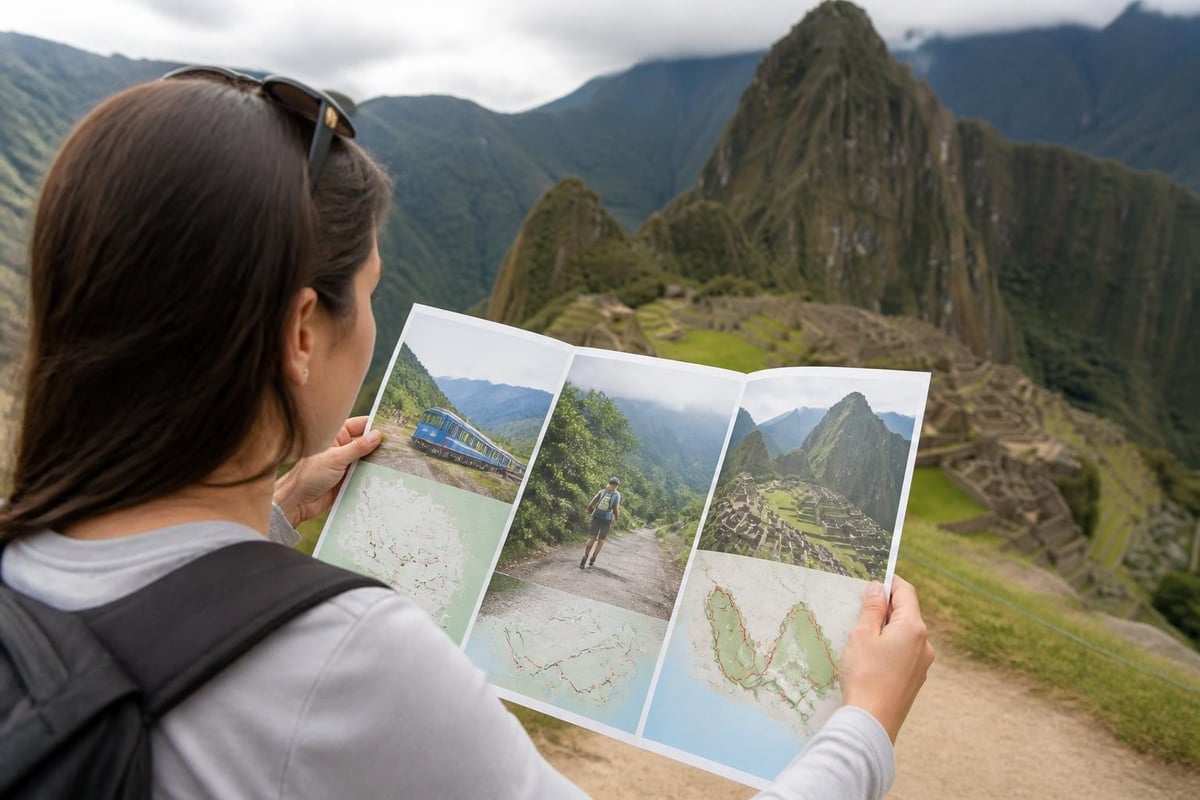
Alternatively, the Hidroelectrica route offers a more substantial hiking experience. This option involves a vehicle journey to the Hidroelectrica station, followed by a 10-kilometer (approximately 6-mile) walk along the railway tracks to Aguas Calientes. The terrain is relatively flat, making it manageable for most fitness levels, though the full day requires stamina and early departure from Cusco.
Route Comparison Table
| Route Type | Total Hiking Time | Difficulty Level | Starting Point | Best For |
|---|---|---|---|---|
| Train + Stairs | 1.5-2 hours | Moderate-Hard | Aguas Calientes | Limited time, moderate fitness |
| Hidroelectrica Trail | 6-7 hours round trip | Moderate | Hidroelectrica Station | Budget travelers, hiking enthusiasts |
| Bus + Walking Circuits | 2-4 hours | Easy-Moderate | Machu Picchu entrance | All fitness levels, focus on ruins |
Planning Your Departure and Timing
Success with a one day Machu Picchu hike hinges on strategic timing. The journey from Cusco demands an early start, typically between 4:00 and 5:00 AM, depending on your chosen route.
Train departures from Ollantaytambo begin around 5:00 AM, with the journey taking approximately 90 minutes. From Cusco's Poroy station, trains leave slightly later but involve a longer travel time. According to Peru’s official tourism portal, coordinating transportation and entrance times ensures you maximize your hours at the site.
Critical morning timeline considerations:
- Depart Cusco by 4:30 AM for Ollantaytambo train
- Board train by 5:30-6:00 AM
- Arrive Aguas Calientes by 7:00-8:00 AM
- Begin hike or bus ride by 8:00 AM
- Enter Machu Picchu by 9:00-10:00 AM
The Hidroelectrica option requires even earlier departure, around 3:00-4:00 AM, since the drive alone takes 5-6 hours before you begin the 2.5-3 hour walk to Aguas Calientes.
Securing Permits and Circuit Access
Current regulations managed by Peru's Ministry of Culture have transformed how visitors experience Machu Picchu. As outlined in Resolución Ministerial No. 207-2024-MC, the site now operates on a circuit system with timed entry slots.
Your one day Machu Picchu hike requires advance booking, typically 2-4 weeks ahead during peak season (May through September) and at least one week during shoulder months. The archaeological park offers four main circuits, each showcasing different areas and viewpoints.
Circuit Options for Day Visitors
| Circuit | Duration | Highlights | Physical Demand |
|---|---|---|---|
| Circuit 1 | 2-2.5 hours | Upper terraces, best panoramic photos | Moderate stairs |
| Circuit 2 | 2-3 hours | Classic postcard view, Temple of the Sun | Moderate |
| Circuit 3 | 1.5-2 hours | Agricultural sector, House of the Inca | Easy-Moderate |
| Circuit 4 | 1.5-2 hours | Lower section, Sacred Rock | Easy |
For travelers pursuing a one day Machu Picchu hike, Circuit 2 typically provides the most iconic experience, delivering the classic viewpoint while allowing time for exploration before your return journey.
Additional permits are required if you wish to hike Huayna Picchu or Machu Picchu Mountain during your visit. These separate peaks offer spectacular vantage points but add 2-3 hours to your itinerary and require exceptional fitness and early booking.
Physical Preparation and Fitness Requirements
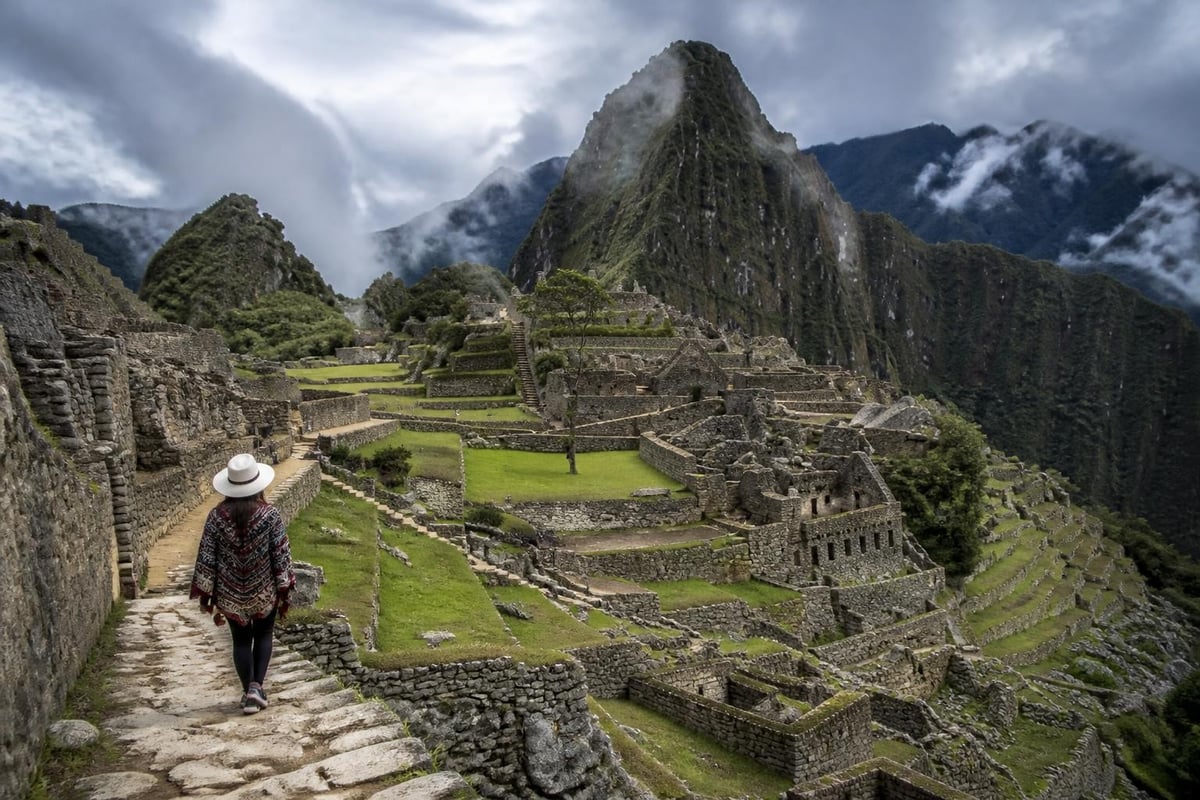
A one day Machu Picchu hike demands more physical readiness than many travelers anticipate. The altitude alone-Machu Picchu sits at 2,430 meters (7,970 feet)-challenges those arriving from sea level.
If you're hiking from Aguas Calientes, prepare for 1,600 steps on an uneven stone staircase. The ascent is relentless, with minimal flat sections to rest. Most hikers complete it in 60-90 minutes, though slower paces are perfectly acceptable.
Training recommendations 4-6 weeks before departure:
- Stair climbing: 30-45 minutes, 3-4 times weekly
- Cardiovascular exercise: hiking, running, or cycling
- Leg strengthening: squats, lunges, step-ups
- Altitude simulation if possible (training at elevation)
The Hidroelectrica walking route, while less steep, requires sustained endurance for 10 kilometers on uneven ground. Budget 2.5-3 hours each direction, more if you're not accustomed to distance hiking.
Acclimatization proves crucial for success. Spending 2-3 days in Cusco (3,400 meters/11,150 feet) before your one day Machu Picchu hike significantly reduces altitude sickness risk and improves performance. National Geographic’s guidance on Machu Picchu routes emphasizes acclimatization as a non-negotiable factor for enjoyable trekking.
Essential Packing for Your Day Trip
Smart packing makes the difference between comfortable exploration and regrettable discomfort during your one day Machu Picchu hike. Weight management is essential, since you'll carry everything from departure until return.
Critical items checklist:
- Valid passport (required for entry, checked against ticket)
- Printed entrance ticket and permits
- Water: 2-3 liters in refillable bottles
- Snacks: energy bars, nuts, dried fruit
- Sun protection: SPF 50+ sunscreen, hat, sunglasses
- Rain gear: lightweight, packable jacket (weather changes rapidly)
- Insect repellent (especially for Aguas Calientes area)
- Small first aid kit with altitude sickness medication
- Cash in soles for incidentals
Additional considerations include a walking stick or trekking poles for the stair ascent, though these must be rubber-tipped per park regulations. Photography equipment should be minimal but functional. Tripods and drones are prohibited within the archaeological site.
Dress in layers suitable for temperature fluctuations between 10°C and 24°C (50°F-75°F). Moisture-wicking fabrics dry quickly if you encounter rain or perspire during the climb. Sturdy hiking boots with good ankle support and traction outperform running shoes on the uneven terrain.
Working with Local Guides and Tour Operators
While independent travel to Machu Picchu is feasible, partnering with experienced local operators enhances both logistics and cultural understanding during your one day Machu Picchu hike. Guides provide context that transforms stones and terraces into stories of Inca engineering, astronomy, and daily life.
Professional guides navigate the circuit system efficiently, ensuring you see priority features within your time constraints. They also share insights about ongoing archaeological research documented in the official Machu Picchu management plans, connecting visible ruins to broader Inca civilization patterns.
For travelers seeking a comprehensive single-day experience with expert guidance, the Machu Picchu Day Tour streamlines all transportation, entrance coordination, and professional interpretation into one seamless package, allowing you to focus on the experience rather than logistics.
Benefits of Local Expertise
Logistical advantages:
- Coordinated train, bus, and entrance timing
- Skip-the-line arrangements where available
- Backup plans for weather or transport delays
- Restaurant recommendations in Aguas Calientes
Educational value:
- Archaeological interpretation in your language
- Inca history and construction techniques
- Identification of key structures and purposes
- Photography guidance for optimal shots
Weather Patterns and Seasonal Considerations
Weather profoundly impacts your one day Machu Picchu hike experience. Peru's dry season (May-September) offers clearer skies and more predictable conditions, though higher visitor numbers result in fuller circuits and more crowded trains.
The wet season (November-March) brings frequent afternoon showers and occasional morning mist. However, advantages include fewer crowds, greener landscapes, and dramatic cloud formations around the peaks. Morning departures often enjoy clear conditions before afternoon precipitation arrives.
Monthly overview:
| Month | Rain Likelihood | Temperature Range | Crowd Level | Trail Conditions |
|---|---|---|---|---|
| January | High | 12-19°C | Low | Muddy, slippery stairs |
| April | Moderate | 11-21°C | Moderate | Improving, some wet patches |
| July | Very Low | 8-19°C | Very High | Dry, dusty, excellent |
| October | Moderate | 12-21°C | Moderate | Variable, transitional |
Microweather at Machu Picchu creates rapid changes. Morning fog can lift by 10:00 AM, revealing spectacular views, while afternoon clouds may obscure mountain peaks by 2:00 PM. This pattern reinforces the value of early arrival during your one day Machu Picchu hike.
Navigating Aguas Calientes
The town of Aguas Calientes (officially Machu Picchu Pueblo) serves as the gateway for nearly all visitors. Understanding this small settlement's layout maximizes efficiency during your compressed timeline.
The town stretches along a narrow valley with the Urubamba River running through the center. From the train station, you'll find the bus departure point approximately 100 meters away, clearly marked with signs and typically showing a queue of waiting travelers.
If you're hiking rather than busing, the trailhead begins near the Manuel Chávez Ballón Site Museum. Signage marks the route, which immediately begins its steep ascent. Consider starting this portion of your one day Machu Picchu hike early to avoid midday heat and arrive before circuit crowds intensify.
Aguas Calientes quick navigation:
- Train station to bus stop: 2-minute walk
- Bus stop to hiking trail: 5-minute walk
- Hiking trail to citadel entrance: 90 minutes average
- Bus ride to entrance: 25-30 minutes (includes waiting)
Restaurant options cluster around the main plaza and Pachacutec Avenue. Budget 45-60 minutes for lunch before your return train. Pre-booking restaurants near your departure time eliminates stress and ensures you don't miss connections.
Maximizing Your Time at the Ruins
Once inside Machu Picchu, strategic routing ensures you experience priority features within your limited window. Most one day Machu Picchu hike itineraries allow 3-4 hours within the archaeological park, sufficient for one complete circuit with photo opportunities.
Begin at the main viewpoint for classic photographs before crowds intensify around mid-morning. The Guardian's Hut area offers the iconic postal-card perspective of terraces, structures, and Huayna Picchu mountain backdrop.
Priority structures to visit:
- Temple of the Sun: Exceptional stonework demonstrating Inca precision
- Royal Tomb: Underground chambers showing burial practices
- Temple of the Three Windows: Sacred ceremonial space
- Intihuatana Stone: Astronomical calendar and ritual center
- Room of the Three Doors: Example of residential architecture
Circuit timing varies with walking pace, photography stops, and crowd density. Rangers stationed throughout enforce one-way traffic patterns, preventing backtracking once you pass certain control points. Per current regulations, bathroom facilities exist only at the entrance area, requiring exit and re-entry, which counts against your allotted time.
Consider morning or early afternoon entry times for your one day Machu Picchu hike. Late arrivals (after 2:00 PM) face diminished lighting for photography and rushed exploration before closing at 5:30 PM. Lonely Planet’s Peru travel advice recommends 9:00-11:00 AM entries as optimal for balancing crowd management and experience quality.
Budget Considerations and Cost Breakdown
Understanding the full financial commitment helps you plan your one day Machu Picchu hike realistically. Costs vary significantly based on route choice, service level, and booking timing.
Typical expense breakdown:
| Expense Category | Budget Option | Mid-Range Option | Premium Option |
|---|---|---|---|
| Train (round trip) | $0 (Hidroelectrica) | $120-140 (Expedition) | $450-500 (Belmond) |
| Bus (round trip) | $0 (hiking) | $24 | $24 |
| Entrance ticket | $50-75 | $50-75 | $50-75 |
| Guide | $0 (self-guided) | $40-60 (group) | $150-200 (private) |
| Meals | $15-20 | $30-40 | $60-80 |
| Total | $65-95 | $264-339 | $734-879 |
Additional costs include transportation from Cusco to train stations ($5-40 depending on method), travel insurance, and gratuities for guides and service staff. Entrance ticket prices vary based on citizenship, with Peruvian nationals and Andean Community members receiving discounted rates.
Advanced booking typically secures better train prices, particularly during high season when last-minute tickets command premium rates or sell out entirely. Budget travelers choosing the Hidroelectrica route sacrifice comfort and time but achieve significant savings.
Safety and Environmental Responsibility
Machu Picchu's preservation depends on visitor respect for regulations and environmental consciousness. Your one day Machu Picchu hike should leave no trace beyond your memories and photographs.
Critical safety protocols:
- Stay on marked paths within circuits
- Do not touch or climb structures
- Maintain 2-meter distance from llamas and wildlife
- Follow guide instructions regarding unstable areas
- Carry adequate water to prevent dehydration
Environmental considerations include proper waste disposal (carry out everything you carry in), respecting archaeological preservation efforts, and minimizing erosion on hiking trails. Single-use plastics face increasing restrictions throughout the region, with refillable water bottles encouraged.
Trail safety on the Aguas Calientes stairs requires particular attention. The stone steps are worn smooth by millions of visitors, becoming slippery when wet. Handrails exist on portions of the route, but many sections require careful foot placement and balance. Descent proves more treacherous than ascent, with knee strain common among unprepared hikers.
Emergency services exist at Machu Picchu, including medical stations and communication equipment. However, evacuation from the remote location involves significant time and complexity. Comprehensive travel insurance covering high-altitude trekking provides essential protection.
Photography Tips and Regulations
Capturing Machu Picchu's majesty within your one day Machu Picchu hike requires understanding both technical photography and site regulations. Professional equipment faces restrictions, while smartphone and standard camera use is freely permitted.
Prohibited photography equipment:
- Tripods and monopods
- Drones and aerial devices
- Professional lighting equipment
- Gimbals and stabilizers over specified dimensions
The Guardian's Hut viewpoint delivers classic compositions in morning light (7:00-9:00 AM) when shadows define architectural details. Afternoon light (2:00-4:00 PM) creates warmer tones but may include clouds obscuring mountain backgrounds.
Consider bringing a polarizing filter to manage Peru's intense sunlight and reduce haze in distance shots. The high-altitude UV radiation creates harsh contrasts, making midday photography challenging. Focus on structures, detail work, and terraces during bright conditions, saving landscape shots for optimal light.
Social media considerations include geotagging responsibility and privacy respect for other visitors. While sharing your experience connects you with fellow travelers, overwhelming certain spots creates congestion that diminishes experiences for subsequent visitors.
Alternative Routes for Return
While most one day Machu Picchu hike itineraries include return to Cusco the same evening, alternatives exist for those with flexible schedules. Staying overnight in Aguas Calientes enables a sunrise visit the following morning before return travel.
This modified approach transforms your trip into a more relaxed experience, though it technically exceeds "one day" parameters. Benefits include:
- Two separate circuit visits (additional cost)
- Sunset photography opportunities
- Reduced time pressure and stress
- Access to Aguas Calientes hot springs
- Fresh perspective during morning visit
Return transportation options mirror arrival choices. The Hidroelectrica walk back requires timing coordination with vehicle pick-up, typically departing Hidroelectrica station between 2:00-4:00 PM for Cusco arrival by 9:00-11:00 PM.
Train returns offer multiple departure times throughout the afternoon and evening. The latest trains leave Aguas Calientes around 6:00-7:00 PM, arriving in Ollantaytambo or Cusco by 9:00-10:30 PM. Booking return trains simultaneously with outbound tickets ensures seat availability and often provides package discounts.
Health Precautions and Altitude Management
Altitude sickness remains the primary health concern for visitors on a one day Machu Picchu hike. While Machu Picchu itself sits at moderate elevation, the journey from Cusco and physical exertion combine to stress unacclimatized bodies.
Altitude sickness symptoms to monitor:
- Headache and dizziness
- Nausea or vomiting
- Fatigue and weakness
- Shortness of breath during minimal exertion
- Sleep disturbance
Preventive measures include coca tea (traditional Andean remedy), adequate hydration (3-4 liters daily), and medications like acetazolamide prescribed by travel medicine physicians. Avoid alcohol 24 hours before and during your hike, as it exacerbates dehydration and altitude effects.
Pacing proves crucial during steep sections. The Aguas Calientes stairs tempt many visitors to match the speed of younger or fitter hikers. Resist this urge. Slow, steady progress with regular breathing breaks prevents exhaustion and altitude distress.
Sun exposure at elevation intensifies UV radiation, increasing sunburn and heat exhaustion risks. Apply broad-spectrum sunscreen every 90-120 minutes, particularly on often-forgotten areas like ears, neck, and hands. Wide-brimmed hats provide superior protection compared to baseball caps.
Cultural Context and Historical Appreciation
Understanding Machu Picchu's historical significance enriches your one day Machu Picchu hike beyond simple sightseeing. The citadel represents the zenith of Inca architectural achievement, likely serving as a royal estate for Emperor Pachacuti around 1450 CE.
The site's construction required transporting enormous stone blocks up precipitous mountain slopes using only human labor, wooden levers, and bronze tools. Precision stonework fits blocks so tightly that mortar proved unnecessary, while the building layout aligns with astronomical events like solstices and equinoxes.
Spanish conquistadors never discovered Machu Picchu during their conquest, sparing it from the destruction that befell Cusco and other Inca centers. Local Quechua communities maintained knowledge of the ruins until Hiram Bingham's 1911 Yale expedition brought international attention, though Bingham was certainly not the first outsider to visit.
Contemporary archaeological research continues revealing new insights about daily life, agricultural practices, and spiritual ceremonies conducted at Machu Picchu. Respecting this ongoing scientific work means following regulations that protect fragile structures for future generations of researchers and visitors.
A successful one day Machu Picchu hike requires advance planning, physical preparation, and realistic expectations about what you can accomplish within compressed timeframes. Whether you choose the train-and-stairs approach or the longer Hidroelectrica route, the reward of standing among these ancient ruins justifies the effort. Ready to transform your Machu Picchu dreams into reality with seamless planning and expert local guidance? Machupicchu Trips offers carefully crafted experiences that handle every detail, from permits and transportation to professional guides who bring Inca history to life, ensuring your visit becomes an unforgettable highlight of your Peruvian adventure.