
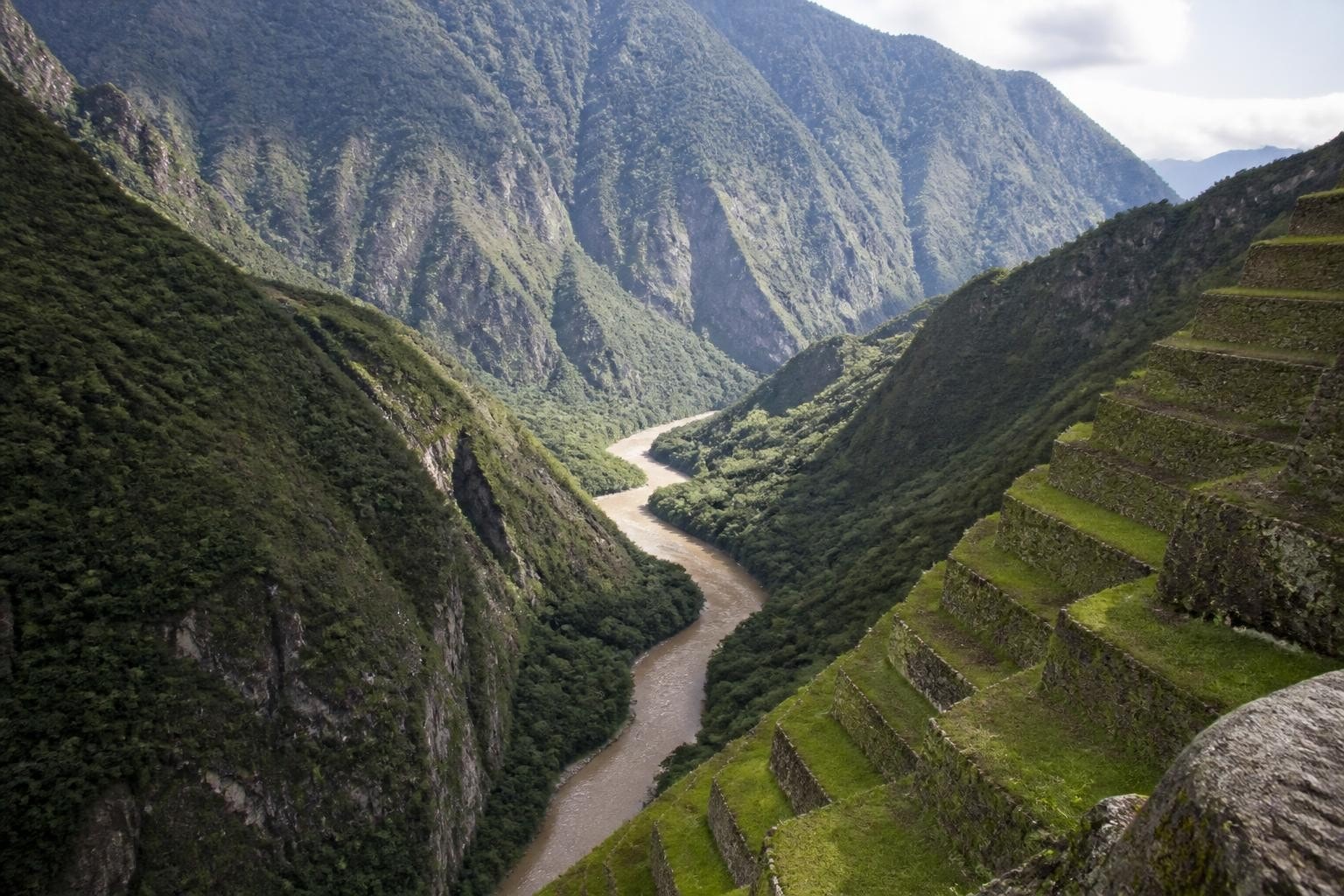
The machu picchu valley stands as one of the world's most spectacular examples of ancient civilization flourishing within challenging mountain terrain. Nestled between towering Andean peaks at approximately 2,430 meters above sea level, this sacred valley encompasses far more than just the famous citadel. Understanding the valley's unique geography, climate patterns, and cultural significance transforms any visit from a simple tourist stop into a profound journey through history, ecology, and human achievement. This comprehensive guide explores everything travelers need to know about this remarkable landscape in 2026.
Geographic Features and Formation of Machu Picchu Valley
The machu picchu valley formed over millions of years as the Urubamba River carved its way through granite mountains, creating a dramatic gorge flanked by near-vertical peaks. This geological process produced the distinctive topography that defines the region today.
River Systems and Watershed Dynamics
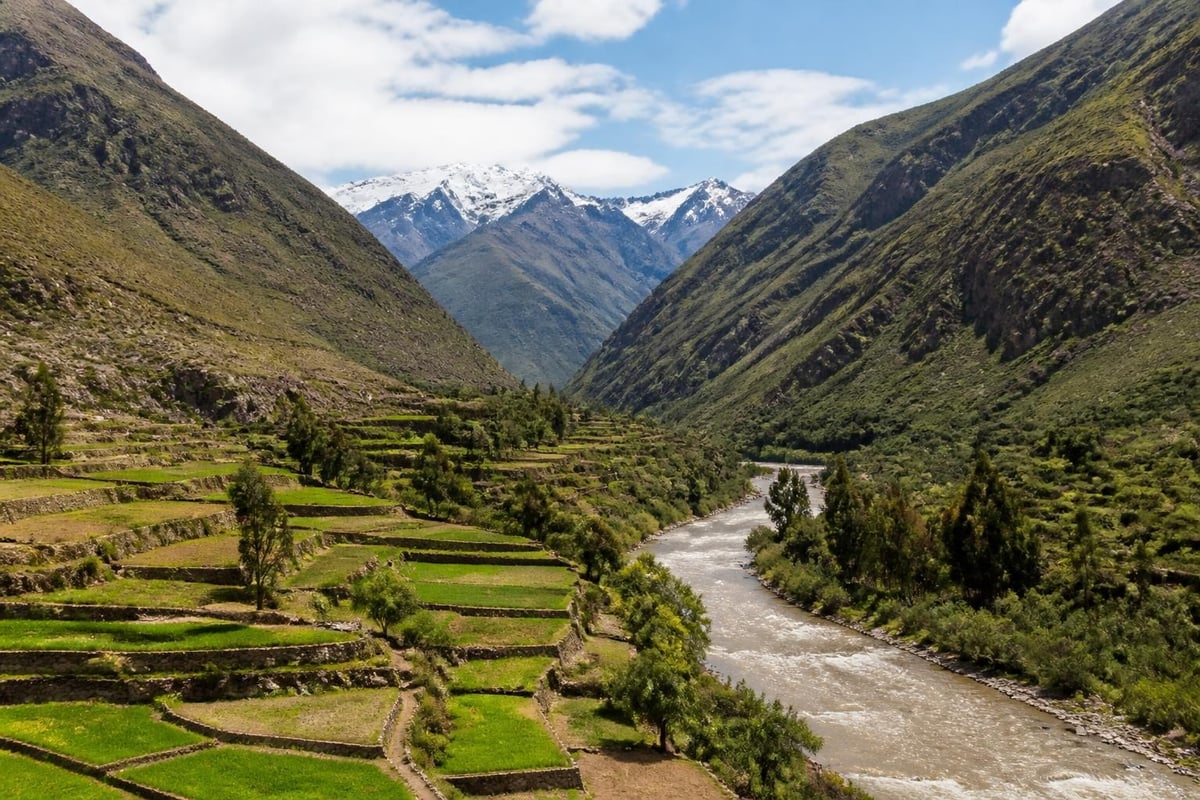
The Urubamba River serves as the valley's lifeblood, flowing northwest from the Andes highlands toward the Amazon basin. Its steep gradient and powerful flow shaped the valley floor, depositing sediments that created fertile agricultural zones used by the Incas. The river maintains consistent flow year-round due to glacial melt and seasonal rainfall, though climate change has begun affecting these patterns.
Key watershed characteristics include:
- Annual flow volumes ranging from 40 to 300 cubic meters per second
- Elevation drop of approximately 3,000 meters from source to Machu Picchu
- Multiple tributary streams feeding into the main channel
- Critical role in transporting nutrients throughout the valley ecosystem
The valley's hydrology directly influenced Inca settlement patterns and agricultural development. Engineers designed sophisticated drainage systems to manage seasonal flooding while capturing water for irrigation during dry periods.
Mountain Peaks and Microclimates
Huayna Picchu (Young Peak) and Machu Picchu (Old Peak) frame the archaeological site, creating microclimates that vary dramatically over short distances. These peaks intercept moisture-laden air from the Amazon, producing localized rainfall patterns that shaped vegetation zones and influenced Inca construction decisions.
| Peak | Elevation | Prominence | Hiking Difficulty |
|---|---|---|---|
| Huayna Picchu | 2,693 m | 263 m | Challenging |
| Machu Picchu Mountain | 3,082 m | 652 m | Moderate-Difficult |
| Putucusi | 2,560 m | 130 m | Currently Closed |
The valley's topography creates temperature inversions where cooler air settles in the gorge while slopes remain warmer. This phenomenon allowed Incas to cultivate different crops at varying elevations within walking distance.
Climate Patterns and Seasonal Variations
Understanding the machu picchu valley climate helps visitors plan optimal travel times and prepare for unpredictable mountain weather. The region experiences two distinct seasons that dramatically affect visibility, trail conditions, and visitor experience.
Dry Season Characteristics (May-September)
The dry season brings clear skies, stable temperatures, and peak tourist volumes. Daytime temperatures average 19-21°C (66-70°F), while nights drop to 4-8°C (39-46°F). Morning fog typically clears by 8-9 AM, revealing spectacular mountain views.
Dry season advantages:
- Minimal rainfall (averaging 25-40mm monthly)
- Excellent photography conditions with clear atmospheres
- Comfortable hiking temperatures on valley trails
- Reliable train schedules with fewer weather delays
However, popularity during these months means advance booking becomes essential. Permits for hiking routes and citadel entry often sell out 2-3 months ahead.
Wet Season Dynamics (October-April)
The wet season transforms the valley into a lush green landscape with rushing waterfalls and dramatic cloud formations. Afternoon thunderstorms are common, typically arriving between 2-4 PM and lasting 1-3 hours. Monthly rainfall peaks in January-February at 150-160mm.
Many travelers avoid this period, but the valley offers unique advantages for those willing to embrace unpredictable weather. Fewer crowds mean more intimate experiences at archaeological sites, and the verdant landscape provides stunning photographic opportunities between storms.
According to contemporary conservation programs tracking climate impacts, the valley has experienced shifting precipitation patterns over the past decade. Average rainfall has increased by 8-12% during wet months, while dry season periods have lengthened slightly.
Biodiversity and Ecological Zones
The machu picchu valley contains exceptional biodiversity within its relatively compact area. The Historic Sanctuary of Machu Picchu protects 32,592 hectares encompassing cloud forest, montane forest, and high-altitude grassland ecosystems.
Flora Diversity
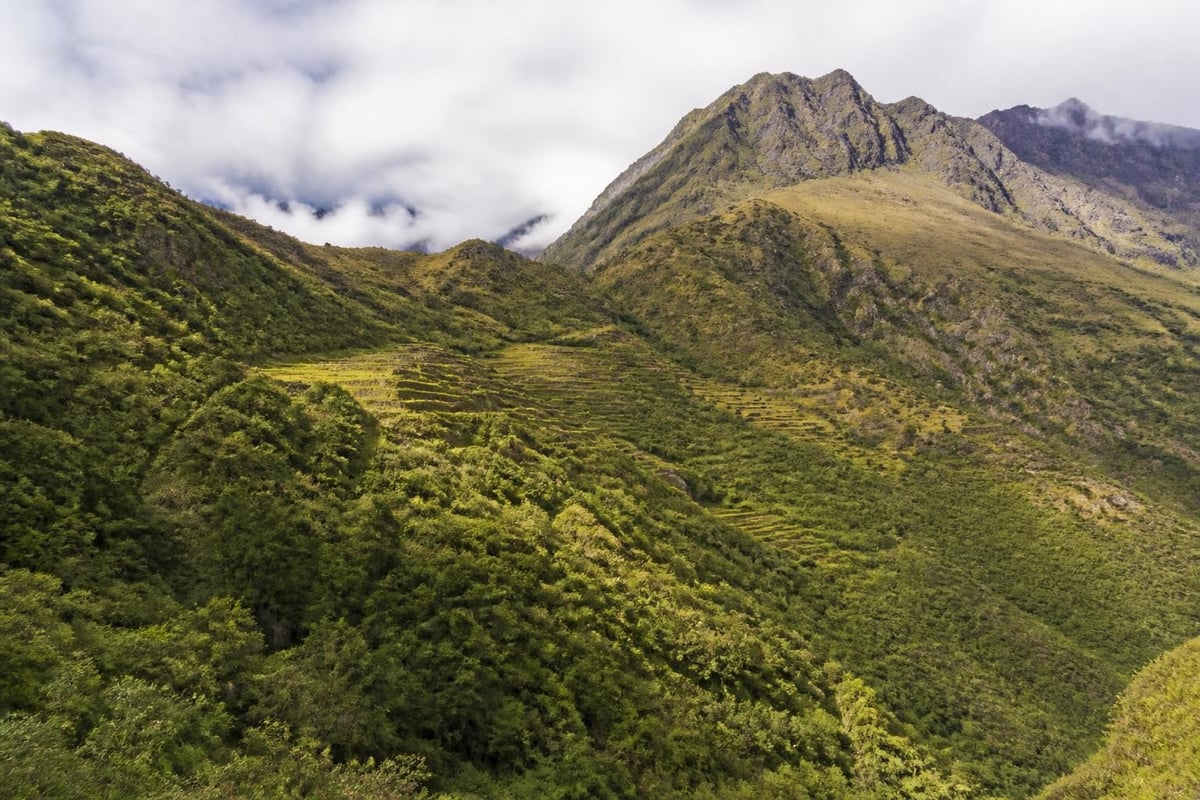
More than 400 orchid species thrive in the valley's humid microclimates, along with bromeliads, ferns, and endemic flowering plants. The cloud forest canopy reaches heights of 25-30 meters, dominated by Podocarpus, Weinmannia, and Clusia species.
Notable plant communities include:
- River-corridor bamboo groves (Chusquea species)
- Mid-elevation polylepis woodlands
- Agricultural terraces with traditional Andean crops
- High-altitude puna grasslands above treeline
Fauna Populations
The valley supports spectacled bears, mountain tapirs, and numerous endemic bird species. Birdwatchers regularly spot Andean cock-of-the-rock, various hummingbirds, and occasionally the endangered white-browed tit-spinetail.
| Species Category | Documented Species | Conservation Status |
|---|---|---|
| Mammals | 50+ | Several threatened |
| Birds | 420+ | 12 endangered |
| Reptiles | 23 | Mostly stable |
| Amphibians | 18 | Climate-vulnerable |
Recent scientific research using non-invasive imaging techniques has revealed how Inca construction minimized ecological disruption. Engineers designed terraces and buildings to work with natural drainage patterns rather than against them, preserving habitat connectivity throughout the valley.
Cultural and Historical Significance
The machu picchu valley served as a sacred landscape for Inca civilization, with astronomical alignments, ceremonial sites, and agricultural innovations demonstrating sophisticated environmental knowledge. The citadel itself represents just one element within a broader cultural geography.
Inca Agricultural Engineering
Terraces covering thousands of hectares transformed steep slopes into productive farmland. These agricultural platforms captured rainfall, prevented erosion, and created diverse growing zones for corn, potatoes, quinoa, and other staples. Modern analysis shows terrace soils remain fertile after 500+ years.
Engineering features include:
- Multi-layer drainage systems with gravel, sand, and topsoil
- Stone retaining walls fitted without mortar
- Irrigation channels fed by spring-capture systems
- Microclimate optimization through aspect and elevation
- Long-term soil fertility maintenance through composting
The terraces demonstrate how Inca engineers worked with valley topography rather than imposing rigid geometric patterns. Each agricultural zone was customized for local drainage, sun exposure, and crop requirements.
Sacred Geography and Ritual Landscapes
Mountains surrounding the valley functioned as apus (sacred peaks) within Inca cosmology. The citadel's orientation aligns with solstice events, while specific structures frame views of astronomically significant peaks. Water sources were venerated as connections to the underworld.
Recent preservation research examining geotechnical stability has revealed how ritual considerations influenced construction locations. Engineers selected sites based on both practical and ceremonial criteria, balancing structural soundness with spiritual significance.
Modern Tourism Infrastructure and Access
Visiting the machu picchu valley requires navigating various transportation options, permit systems, and accommodation choices. Understanding these logistics helps travelers maximize their experience while minimizing environmental impact.
Transportation Routes
Most visitors reach the valley via train from Ollantaytambo or Cusco, traveling along the Urubamba River through dramatic scenery. The 43-kilometer journey takes approximately 90 minutes, passing through cloud forest and agricultural zones before arriving in Aguas Calientes.
Transportation options include:
- Expedition trains with panoramic windows
- Vistadome service with elevated viewing areas
- Luxury Hiram Bingham train with gourmet dining
- Hiking routes including the Inca Trail and alternative treks
- Local bus service from Aguas Calientes to site entrance
For those seeking an immersive experience, the Machu Picchu Sunrise Tour 2 Days provides overnight accommodation in Aguas Calientes with early-morning access to witness dawn illuminating the ancient citadel before crowds arrive.
Visitor Circuits and Regulations
Since 2019, authorities have implemented structured circuits to manage visitor flow and protect archaeological structures. The valley's management follows guidelines established by Peru’s Ministry of Culture, balancing tourism access with long-term preservation.
| Circuit | Duration | Key Features | Best For |
|---|---|---|---|
| Circuit 1 | 2.5 hours | Upper terraces, Sun Gate view | Photography, panoramas |
| Circuit 2 | 2.5 hours | Classic postcard view, Temple area | First-time visitors |
| Circuit 3 | 1.5 hours | Lower terraces, agricultural zone | Limited mobility |
Permits must be purchased in advance, with entry times staggered throughout the day. Maximum daily capacity is limited to 4,500 visitors, divided across morning and afternoon sessions.
Planning Your Valley Experience
Successful visits to the machu picchu valley require thoughtful preparation accounting for altitude, weather variability, and physical demands. These practical considerations significantly impact comfort and enjoyment.
Acclimatization Strategies
Although lower than Cusco (3,400m), the valley still sits at elevation requiring adjustment for most travelers. Spending 2-3 days in Cusco or the Sacred Valley before visiting allows bodies to adapt to reduced oxygen levels.
Effective acclimatization includes:
- Gradual ascent from lower elevations
- Adequate hydration (3-4 liters daily)
- Light meals avoiding heavy foods
- Coca tea consumption (traditional remedy)
- Avoiding alcohol for first 48 hours
Packing Essentials
Valley weather changes rapidly, requiring layered clothing systems. Morning temperatures may be cool while afternoon sun creates warm conditions, then evening brings chill and possible rain.
Critical items to pack:
- Waterproof jacket with hood
- Sun protection (hat, sunscreen, sunglasses)
- Comfortable hiking shoes with ankle support
- Refillable water bottle (2-liter capacity)
- Insect repellent for cloud forest zones
- Small daypack for personal items
- Passport and permits (physical or digital)
Photography Considerations
The valley offers extraordinary photographic opportunities, but timing and equipment choices matter significantly. Morning light (6-8 AM) provides optimal conditions for capturing the citadel with minimal haze.
Photography tips:
- Wide-angle lens for landscape compositions
- Telephoto lens for architectural details
- Tripod permitted only in designated areas
- Drone flights strictly prohibited
- Backup batteries (altitude drains power faster)
Sustainable Tourism Practices
Preserving the machu picchu valley for future generations requires visitor cooperation with conservation initiatives. Responsible tourism practices minimize environmental impact while supporting local communities.
Leave No Trace Principles
All waste must be carried out, as no disposal facilities exist within the archaeological zone. Single-use plastics are prohibited, and visitors should bring reusable containers for water and snacks.
Sustainable practices include:
- Staying on designated paths to prevent erosion
- Respecting archaeological structures without touching
- Supporting local guides and porter communities
- Choosing tour operators with sustainability certifications
- Offsetting carbon emissions from travel
Supporting Local Communities
Valley communities depend on tourism revenue while working to preserve cultural traditions. Purchasing handicrafts directly from artisans, hiring local guides, and staying in community-run accommodations ensures economic benefits reach families rather than external corporations.
Health and Safety Considerations
Mountain environments present unique health challenges requiring awareness and preparation. Understanding potential risks helps visitors respond appropriately to altitude sickness, weather hazards, and trail conditions.
Altitude-Related Concerns
Symptoms of altitude sickness include headache, nausea, fatigue, and shortness of breath. Most cases resolve with rest, hydration, and gradual acclimatization, but severe symptoms require immediate descent.
Warning signs requiring medical attention:
- Persistent headache unrelieved by medication
- Confusion or difficulty walking
- Rapid heartbeat at rest
- Extreme fatigue preventing normal activity
Trail Safety
While the citadel itself features well-maintained paths, surrounding trails can be steep, narrow, and slippery during wet conditions. Proper footwear and caution prevent most accidents.
Future Conservation Challenges
The machu picchu valley faces ongoing threats from climate change, visitor pressure, and development encroachment. Understanding these challenges helps visitors appreciate conservation efforts and make informed travel choices.
Climate Impact Mitigation
Changing precipitation patterns threaten agricultural terraces, while increased rainfall intensity accelerates erosion. Conservation programs focus on drainage maintenance, vegetation management, and structural monitoring to prevent damage.
Capacity Management
Balancing tourism revenue with preservation requires sophisticated visitor management. Authorities continue refining permit systems, circuit designs, and seasonal capacity limits to reduce wear on archaeological features while maintaining access.
The machu picchu valley represents an extraordinary convergence of natural beauty, ecological diversity, and human achievement that continues inspiring visitors from around the world. Understanding the valley's geography, climate, and cultural significance enriches any visit beyond superficial sightseeing. Machupicchu Trips offers locally-led experiences designed to help travelers connect deeply with this sacred landscape through expert guides, thoughtfully paced itineraries, and sustainable tourism practices that support valley communities while preserving this remarkable heritage for future generations.