
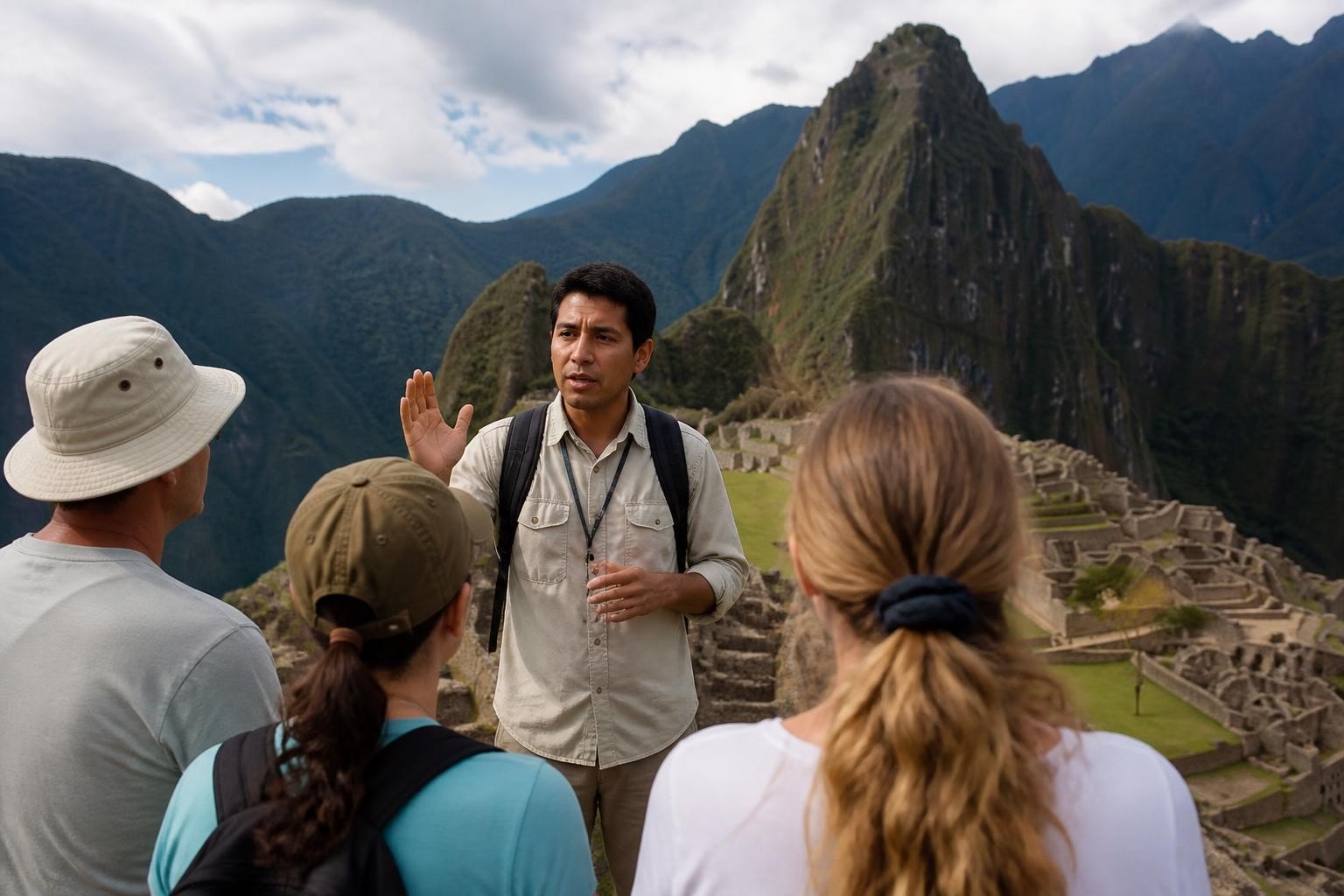
Choosing among the best Machu Picchu tour operators requires careful evaluation of expertise, sustainability practices, and authentic cultural experiences. With Peru's ancient citadel welcoming nearly 1.5 million visitors annually and new regulations reshaping how tours operate in 2026, selecting the right operator has become more critical than ever. The difference between a transformative journey and a rushed tourist experience often comes down to the operator's commitment to quality, local knowledge, and responsible tourism practices.
What Defines the Best Machu Picchu Tour Operators
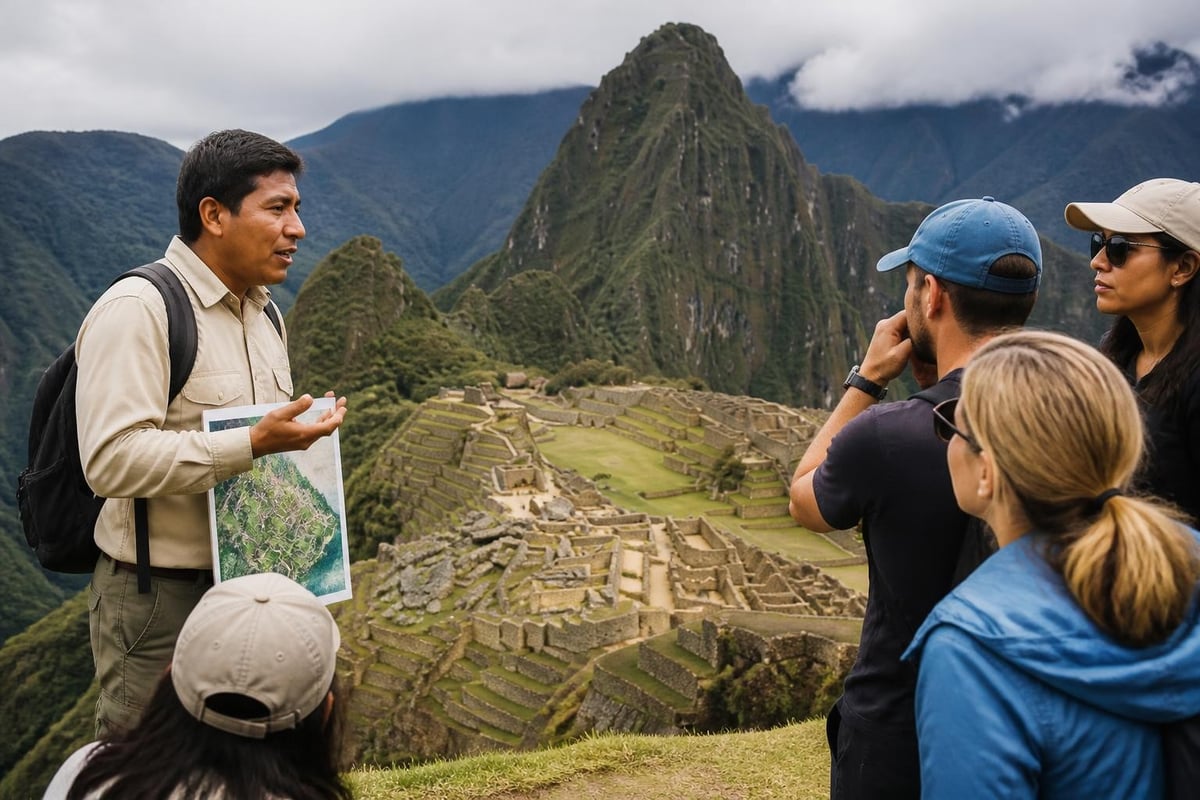
The best Machu Picchu tour operators share several distinguishing characteristics that set them apart from standard agencies. Local expertise forms the foundation, as operators who employ native guides bring unparalleled insights into Inca history, Quechua traditions, and the living culture surrounding the archaeological site. These operators invest in continuous guide training and maintain deep community connections that enrich every aspect of the journey.
Sustainability certifications have become essential markers of quality. Reputable operators adhere to guidelines established in Peru's official regulations and follow the code of conduct that governs visitor behavior within the sanctuary. They limit group sizes, minimize environmental impact, and contribute to local conservation efforts rather than merely extracting profit from the site.
Key Quality Indicators to Evaluate
When comparing operators, focus on these measurable factors:
- Guide credentials and language proficiency (certified by Peru's Ministry of Culture)
- Maximum group size (smaller groups enable better questions and personalized attention)
- Advance permit procurement for regulated circuits and Huayna Picchu access
- Transparent pricing with detailed inclusions and exclusions
- Emergency support protocols and traveler insurance partnerships
- Community partnerships that support local economies beyond tourism
The most reliable operators secure permits months in advance and maintain transparent communication about itinerary changes due to weather or regulatory updates.
Local vs International Tour Companies
Understanding the distinction between locally-based and international tour operators helps travelers make informed decisions aligned with their values and expectations. Locally-owned operators based in Cusco or Aguas Calientes typically offer superior flexibility, direct relationships with guides and porters, and deeper cultural authenticity. They respond quickly to changing conditions and customize itineraries based on firsthand knowledge of trails, weather patterns, and seasonal considerations.
International companies often provide multilingual customer service and familiar booking platforms but may subcontract actual tour operations to local partners. This creates additional layers between travelers and the people delivering the experience, sometimes resulting in miscommunication or diluted quality control.
| Factor | Local Operators | International Companies |
|---|---|---|
| Cultural Authenticity | High – direct community ties | Variable – depends on partnerships |
| Price Point | Often more competitive | Higher due to overhead |
| Flexibility | Excellent – rapid adjustments | Limited – structured processes |
| Booking Convenience | Growing with online platforms | Highly streamlined |
| Revenue Distribution | More stays in Peru | Significant portion leaves country |
The National Geographic travel guide to Peru emphasizes the importance of choosing operators that reinvest tourism revenue into Peruvian communities, creating sustainable economic benefits beyond individual transactions.
Group Size and Personalization Options
Group dynamics fundamentally shape the Machu Picchu experience, making size considerations crucial when evaluating the best Machu Picchu tour operators. Small-group tours of eight to twelve participants allow meaningful interaction with guides, easier navigation through regulated circuits, and flexibility to pause for photographs or questions without disrupting schedules. These tours command premium pricing but deliver proportionally higher satisfaction rates.
Private tours offer maximum personalization, accommodating specific interests such as archaeological detail, botanical features, or photography priorities. Families with young children or travelers with mobility considerations particularly benefit from private arrangements that proceed at comfortable paces and include strategic rest breaks.
Understanding Circuit Restrictions
Peru's 2026 regulations divide Machu Picchu into timed circuits that limit visitor numbers and movement patterns. The best operators:
- Explain circuit options clearly during booking, matching routes to traveler interests
- Secure preferred time slots months ahead, especially for sunrise entries
- Plan contingencies if weather or maintenance closes specific circuits
- Coordinate multiple-entry permits for travelers wanting comprehensive coverage
Large group tours of twenty-plus participants face logistical constraints moving through narrow passages and coordinating within strict time windows. They also struggle to maintain cohesion when guides must project voices across dispersed crowds.
Sustainability and Ethical Tourism Practices
Environmental responsibility distinguishes exceptional operators from those focused solely on volume and profit. The best Machu Picchu tour operators implement comprehensive sustainability programs addressing waste management, carbon footprint, porter welfare, and community development. The IUCN guidance on tourism at protected heritage sites provides frameworks that leading operators voluntarily adopt and exceed.
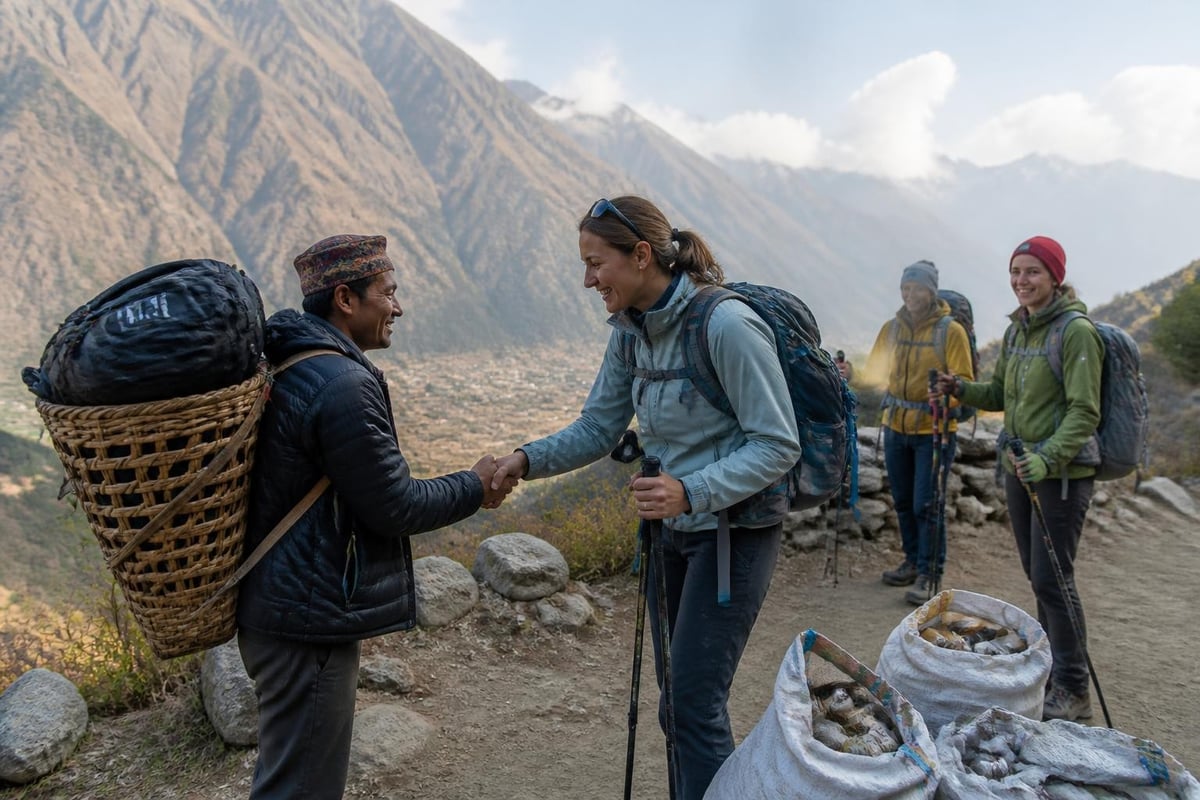
Porter treatment serves as a revealing indicator of operator ethics. Reputable companies follow or surpass Porter Protection Group standards, ensuring fair wages, weight limits, proper equipment, and access to insurance. They openly discuss porter policies rather than obscuring labor practices.
Operators committed to genuine sustainability:
- Use refillable water systems instead of single-use plastic bottles
- Offset transportation emissions through verified carbon programs
- Support archaeological conservation through direct financial contributions
- Employ predominantly local staff at all experience levels
- Maintain long-term community partnerships beyond transactional relationships
- Educate travelers on responsible behavior and cultural sensitivity
These practices align with Peru's evolving regulatory framework, including recent modifications to sustainable use requirements governing commercial operations at the sanctuary.
Specialized Tour Types and Expertise
The best Machu Picchu tour operators develop expertise in specific experience categories rather than attempting to be all things to all travelers. Adventure-focused operators excel at multi-day treks like the Classic Inca Trail, Salkantay, or Lares routes, providing experienced mountain guides, quality camping equipment, and comprehensive safety protocols. Their guides possess wilderness first aid certifications and altitude management training beyond standard archaeological knowledge.
Cultural immersion specialists emphasize living traditions, textile cooperatives, agricultural practices, and language connections. These operators arrange homestays in Sacred Valley communities, facilitate meaningful exchanges with artisans, and interpret both ancient and contemporary Andean worldviews.
For travelers seeking comprehensive experiences without extensive hiking, multi-day packages allow gradual acclimatization while exploring Cusco's archaeological sites and Sacred Valley highlights before reaching Machu Picchu. The Machu Picchu Adventure Tour 5 Days exemplifies this approach, balancing cultural discovery with manageable physical activity across carefully paced itineraries that prevent altitude-related issues while maximizing engagement with Peru's layered history.
Luxury vs Budget Operator Comparison
| Aspect | Luxury Operators | Budget Operators |
|---|---|---|
| Accommodation | Boutique hotels, upgraded rooms | Hostels, standard hotels |
| Transportation | Private vehicles, premium train service | Shared shuttles, economy trains |
| Meals | Gourmet cuisine, dietary customization | Standard menu, limited options |
| Guide Ratio | 1:6 or private | 1:15 to 1:20 |
| Extras | Spa access, premium beverages | Basic inclusions only |
| Flexibility | High itinerary customization | Fixed schedules |
Neither category inherently provides better guides or more authentic experiences-the distinction lies primarily in comfort level and service amenities. Some budget operators deliver exceptional cultural depth while maintaining affordable pricing through efficient logistics and local partnerships.
Evaluating Reviews and Testimonials
Authentic testimonials reveal operational strengths and weaknesses that marketing materials obscure. When researching the best Machu Picchu tour operators, look beyond aggregate star ratings to read detailed accounts focusing on specific aspects: guide knowledge, problem-solving during challenges, actual versus promised itineraries, and how companies handled complaints or unexpected situations.
Red flags in reviews include:
- Frequent mentions of bait-and-switch tactics on accommodations or transportation
- Reports of rushed timelines that sacrifice experience for efficiency
- Guide rotation that assigns inexperienced or disengaged staff
- Hidden fees discovered during or after tours
- Inadequate responses to altitude sickness or medical needs
Positive patterns worth seeking include consistent praise for specific guides by name, examples of operators exceeding expectations during disruptions, and evidence of deep archaeological or cultural knowledge that transforms standard visits into educational experiences.
Where to Find Reliable Reviews
Independent platforms provide more trustworthy feedback than operator websites. Check TripAdvisor for volume and recency of reviews, Google reviews for verified purchaser badges, and specialized travel forums where experienced Peru travelers compare operators. Lonely Planet’s Machu Picchu coverage offers editorially-vetted recommendations free from affiliate influence.
Pay attention to response patterns when operators receive criticism. Companies that acknowledge issues, explain circumstances, and describe corrective actions demonstrate accountability. Those that defensively blame travelers or ignore feedback reveal concerning operational attitudes.
Booking Timing and Permit Considerations
Securing permits for popular experiences requires strategic planning, particularly for limited-access areas like Huayna Picchu or the Classic Inca Trail. The best Machu Picchu tour operators maintain allocation systems with Peru's Ministry of Culture and can advise on optimal booking windows for different seasons and experiences.
Peak season (June through August) demands three to six months advance booking for regulated trails and mountain permits. Shoulder seasons (April-May and September-October) offer more flexibility while maintaining favorable weather conditions. The rainy season (November through March) provides greatest availability but presents trail challenges and reduced visibility.
Permit scarcity affects pricing and availability:
- Inca Trail permits (500 daily limit including guides and porters) sell out four to five months ahead for peak dates
- Huayna Picchu slots (400 daily across morning and afternoon groups) require two to three months advance booking in high season
- Standard circuit entries to Machu Picchu itself maintain higher availability but benefit from advance purchase to secure preferred time slots
Operators offering "last-minute" Classic Inca Trail availability during peak months warrant skepticism-they may lack proper permits or plan substitutions to alternate routes without clear communication.
Price Transparency and Value Assessment
Understanding what separates competitive pricing from concerning underpricing helps travelers identify the best Machu Picchu tour operators without falling for false economy. Unusually low prices often indicate compromised guide quality, substandard meals, hidden fees, or inadequate porter compensation. Premium pricing should correlate with tangible value additions rather than simply inflated margins.
Fair pricing for standard 4-day Machu Picchu packages in 2026 typically ranges from $800 to $1,500 per person depending on accommodation level, group size, and inclusions. This covers:
- Round-trip train tickets (approximately $120-180 per person)
- Machu Picchu entrance permits ($50-75 depending on circuit)
- Licensed guide services (full-day rate $100-150 for groups)
- Accommodations (ranging from $30 to $200+ per night)
- Ground transportation and most meals
- Porter wages and equipment for trekking itineraries
Operators should provide itemized breakdowns showing where costs accumulate. Vague pricing or reluctance to detail inclusions suggests hidden markups or planned substitutions.
Questions to Ask Before Booking
- What specific train service is included (Expedition, Vistadome, or alternatives)?
- Which Machu Picchu circuit does the permit cover, and what viewing areas does it access?
- What is the guaranteed maximum group size?
- Are tips for guides and porters included or additional?
- What cancellation and rescheduling policies apply?
- How does the company handle altitude sickness or medical emergencies?
- What percentages of staff are local Peruvian employees?
Transparent operators answer these questions readily and provide written confirmation. Evasive responses or pressure to commit without details indicate problematic business practices.
Safety Protocols and Emergency Preparedness
Altitude, weather variability, and remote locations create genuine risks that the best Machu Picchu tour operators manage through comprehensive safety systems. Acclimatization schedules that allow gradual elevation gain prevent most altitude-related complications. Responsible operators never rush travelers from sea-level Lima directly to Cusco's 11,150-foot elevation and then immediately onto higher trails.
Medical preparedness includes:
- Guides trained in wilderness first aid and altitude illness recognition
- Oxygen supplementation available on high-elevation treks
- Evacuation protocols partnered with local rescue services
- Comprehensive traveler insurance recommendations (and requirements for certain treks)
- Communication equipment for areas beyond cell coverage
Weather contingency planning addresses Peru's microclimates and seasonal patterns. Operators should articulate clear policies for trail closures, alternative routes, and partial refunds if conditions prevent accessing planned sites.
Cultural Authenticity and Guide Expertise
Guide quality represents the single most impactful factor distinguishing exceptional from mediocre Machu Picchu experiences. The best operators employ guides who combine certified historical knowledge with storytelling ability, enthusiasm, and cultural sensitivity. Many superior guides hold advanced degrees in archaeology, history, or anthropology and contribute to ongoing research about Inca civilization.
Authentic cultural experiences extend beyond archaeological sites. Quality operators facilitate genuine interactions-participating in traditional weaving demonstrations, sharing meals with local families, learning Quechua phrases, or understanding agricultural techniques still practiced in Andean communities. These moments create deeper connections than passive observation of ruins.
Evaluating Guide Credentials
Peru's Ministry of Culture certifies official guides through rigorous examination processes. Legitimate guides carry identification badges indicating specialization areas and language proficiencies. The best Machu Picchu tour operators maintain rosters of top-tier guides and minimize rotation, allowing travelers to benefit from guides' accumulated expertise rather than receiving whoever happens to be available.
Guides should demonstrate:
- Detailed knowledge of Inca history, architecture, and cosmology
- Familiarity with current archaeological research and ongoing discoveries
- Ability to contextualize ancient civilization within contemporary Andean culture
- Respect for sacred sites and traditional beliefs
- Engagement with traveler questions beyond scripted presentations
Exceptional guides transform stone ruins into vivid narratives about human ingenuity, political complexity, and cultural resilience across centuries.
Seasonal Considerations for Tour Selection
Each season presents distinct advantages and challenges that influence which operators provide optimal experiences. Dry season (May through September) offers reliable weather and maximum accessibility but brings peak crowds that challenge even the best logistics. Operators with early-morning permit slots or less-traveled circuit access provide significant advantages during these months.
Shoulder seasons reward flexibility with excellent weather, thinner crowds, and often reduced pricing. April and October balance favorable conditions with availability, though occasional rain showers require preparedness.
Wet season tours (December through March) demand waterproofing, trail condition monitoring, and contingency planning. Operators with deep local knowledge navigate changing trail conditions and identify windows of clarity for optimal viewing despite Peru's dramatic rainy season weather patterns.
| Season | Advantages | Challenges | Ideal Operator Strengths |
|---|---|---|---|
| Dry (May-Sep) | Reliable weather, all trails open | Maximum crowds, higher prices | Early permits, crowd-management expertise |
| Shoulder (Apr, Oct) | Good weather, moderate crowds | Some rain variability | Flexible itineraries, value pricing |
| Wet (Nov-Mar) | Fewest crowds, lush landscapes | Frequent rain, trail closures | Weather contingencies, alternative routes |
Year-round operators understand seasonal nuances and guide travelers toward timing that matches priorities-whether maximizing weather reliability or embracing solitude despite occasional precipitation.
Selecting among the best Machu Picchu tour operators ultimately requires balancing personal priorities with operator strengths in sustainability, cultural authenticity, and traveler care. Whether you seek adventure trekking, cultural immersion, or comfortable exploration, choosing a locally-rooted operator ensures your investment supports Peruvian communities while delivering transformative experiences. Machupicchu Trips specializes in exactly this combination-locally-led tours that honor the Andes' living culture while providing expertly-crafted itineraries from single-day visits to comprehensive adventure packages, ensuring every traveler discovers Machu Picchu's magic through authentic Peruvian perspectives.