
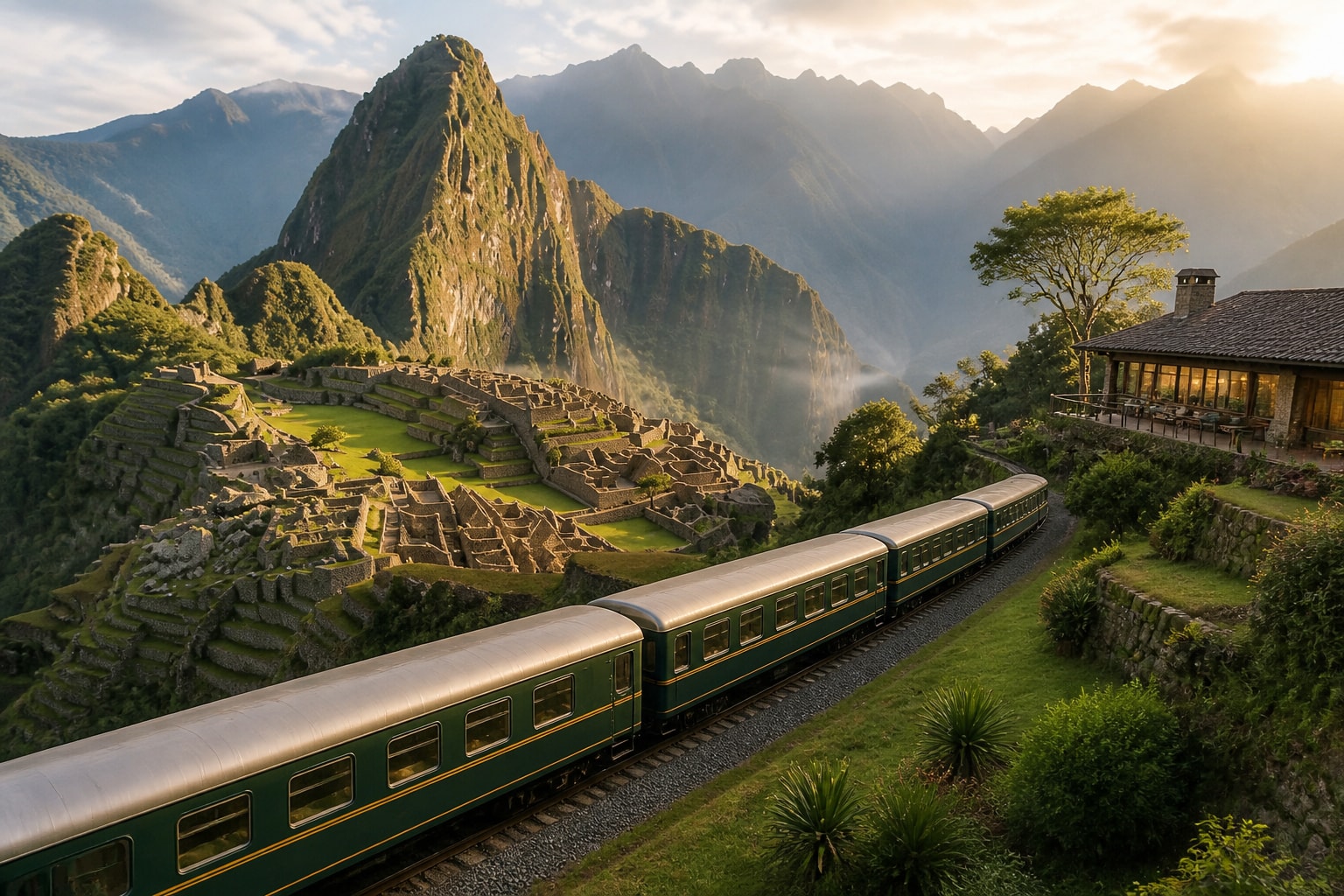
A luxury trip to Machu Picchu combines a premium train or private transfer, a high-end lodge near Aguas Calientes or in the Sacred Valley, a private guide, and carefully timed entry tickets to the citadel. The experience is built around comfort, small groups and unhurried access, but the site itself has fixed rules that even the most expensive itinerary must follow. This guide explains what to book, in what order, and where the real differences in quality appear.
What Makes a Luxury Trip to Machu Picchu Different
A premium itinerary differs from a standard one in four areas: how you travel, where you sleep, who guides you, and how much of the logistics are handled for you.
Machu Picchu is a protected site, so no budget level changes the entry system. According to the Ministry of Culture’s 2026 rules as published by MachuPicchu.com, the daily visitor limit is up to 5,600 in high season and 4,500 in low season. Tickets are tied to one date, one entry time, one circuit and one route, and a standard citadel visit is limited to 2 hours 30 minutes.
What luxury changes is the quality of everything around that window:
- Arrival: a scenic train in a refined carriage, followed by a private transfer rather than a crowded shuttle queue
- Timing: your guide plans the route so you reach the best viewpoints before tour groups arrive
- Lodging: a property with spa services, fine dining and short transfer times
- Altitude management: a gentler itinerary that places you in the lower Sacred Valley before Cusco
The result is a trip that feels paced and personal, even though the ticket rules remain the same for every visitor.
Choosing a Luxury Train to Aguas Calientes
The train is the centerpiece of most high-end itineraries, and the choice comes down to how much you want the journey itself to be part of the experience.
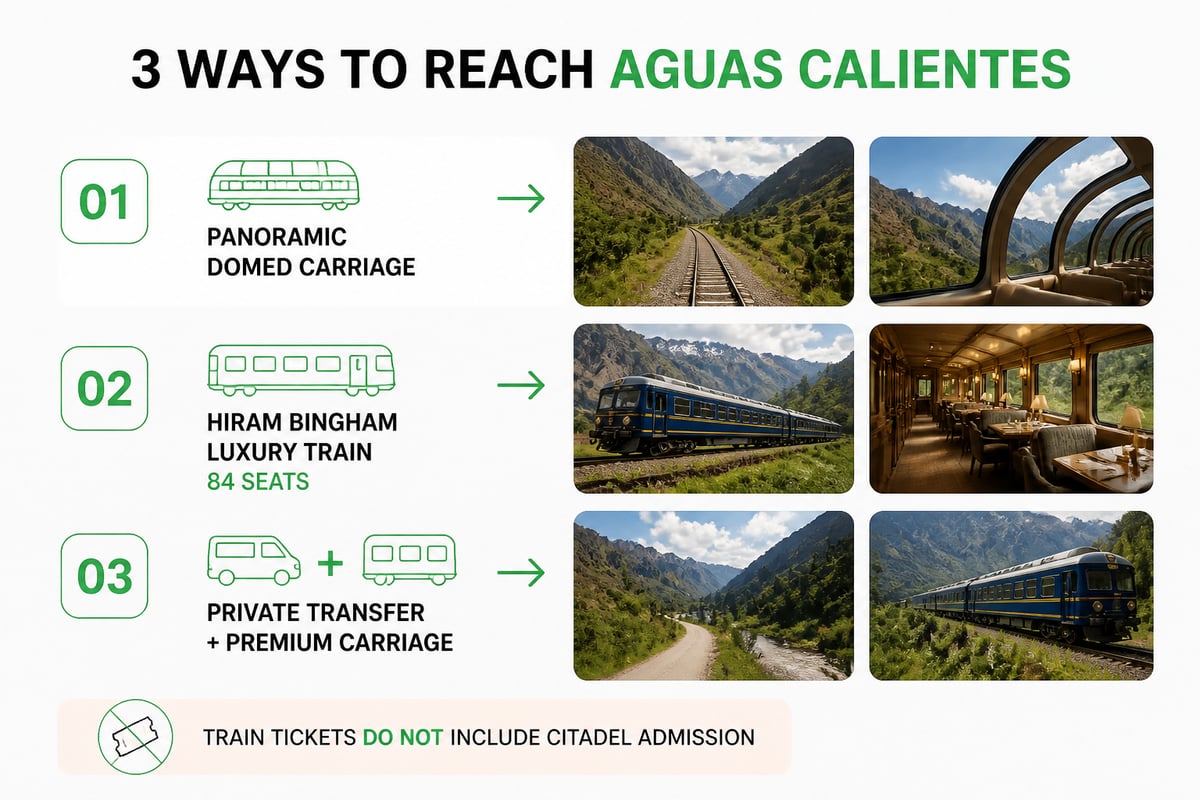
There are three tiers worth considering.
Panoramic Domed Carriages
Panoramic carriages with large windows and wide seating sit at the comfortable end of the standard range. They suit travelers who want strong views of the Urubamba canyon without the cost of a dining-car experience. PeruRail publishes timetables for set periods of the year and notes that schedules and frequencies may change, so confirm departure times close to your travel date.
The Belmond Hiram Bingham
The top tier is the Hiram Bingham luxury train, which has 84 seats and runs from Poroy, Rio Sagrado or Pachar to Aguas Calientes. It is a full experience with a lounge, dining and live music rather than simply transport. One detail matters for planning: the train ticket does not guarantee admission to the citadel, so your entrance ticket must be arranged separately and matched to your date and time.
Private Transfers and Rail Combinations
Some travelers combine a private road transfer to the rail station with a premium carriage, which removes the early-morning scramble through Cusco's traffic. A locally based operator can coordinate this so that car, train, hotel and ticket all line up.
Where to Stay: Boutique Lodges, Sacred Valley Hotels and Cusco
The best luxury base depends on whether you want to be close to the citadel or to ease into the altitude first.
Aguas Calientes, the town below the ruins, offers the shortest route to the site. A lodge here lets you take an early bus up to the gate and return for a late lunch and rest. The trade-off is that the town is compact and busy, so the quality of your room, soundproofing and garden space matters.
The Sacred Valley sits at a lower elevation than Cusco, which makes it the better first stop for most international visitors. Quiet haciendas and spa hotels there allow two nights of adjustment before you continue to the citadel.
Cusco is worth a night or two for its cathedral, Qorikancha and San Blas, but it is the highest point of the trip, so many luxury itineraries visit it later.
A sensible order for a first-time visitor looks like this:
- Arrive in Cusco and transfer directly to the Sacred Valley
- Spend two nights in the valley, visiting Pisac, Ollantaytambo and Maras
- Take the train to Aguas Calientes and stay one night close to the citadel
- Return to Cusco for the final days of city sightseeing
Private Guiding and How to Plan Your Hours at the Citadel
A private or small-group guide is the single most valuable upgrade, because the 2 hour 30 minute visit limit leaves no room for wandering without a plan.
Machu Picchu's visitor flow is organized into several circuits and routes, and you must select a specific route when buying your ticket. Your route determines which terraces, temples and viewpoints you can reach and in which direction you walk. A knowledgeable guide will tell you which circuit fits your priorities before you purchase, not after.
For the most active visitors, the add-on mountain climbs have different time allowances. Huayna Picchu visits allow up to 5 hours 30 minutes in total, while Machu Picchu Mountain visits allow up to 6 hours 30 minutes, including the citadel visit, according to MachuPicchu.com's entry rules. Both climbs involve steep stone steps and exposure, so they suit confident hikers rather than every traveler.
A good guide does more than recite dates. Look for someone who can explain:
- Why the site's agricultural terraces also worked as drainage and stabilization
- How the Temple of the Sun aligns with the solstice
- What the Intihuatana stone may have been used for
- How Inca engineering handled earthquakes
Tickets sell out well ahead for peak months, so secure entry before you commit to flights and hotels.
What a Luxury Trip to Machu Picchu Costs
The cost depends heavily on your train class, hotel category and group size, so there is no single figure that fits every itinerary. A standard guided trip sits at the lower end, while a trip with a luxury train, boutique lodge and private guide costs substantially more per person.
The main cost drivers, in rough order of impact, are:
| Cost driver | What changes the price |
|---|---|
| Accommodation | Lodge category, room type, number of nights in the valley and Aguas Calientes |
| Train | Standard carriage versus premium or luxury service |
| Guiding | Shared small group versus fully private guide and vehicle |
| Season | June to August and holiday weeks cost more |
| Extras | Huayna Picchu or Machu Picchu Mountain tickets, spa treatments, private dining |
Rather than relying on a generic average, ask for a quote built around your dates and party size. Prices for permits, trains and rooms move with availability, and a tailored proposal from a locally based operator is more reliable than any published estimate.
Best Time to Go and What to Know About Seasons
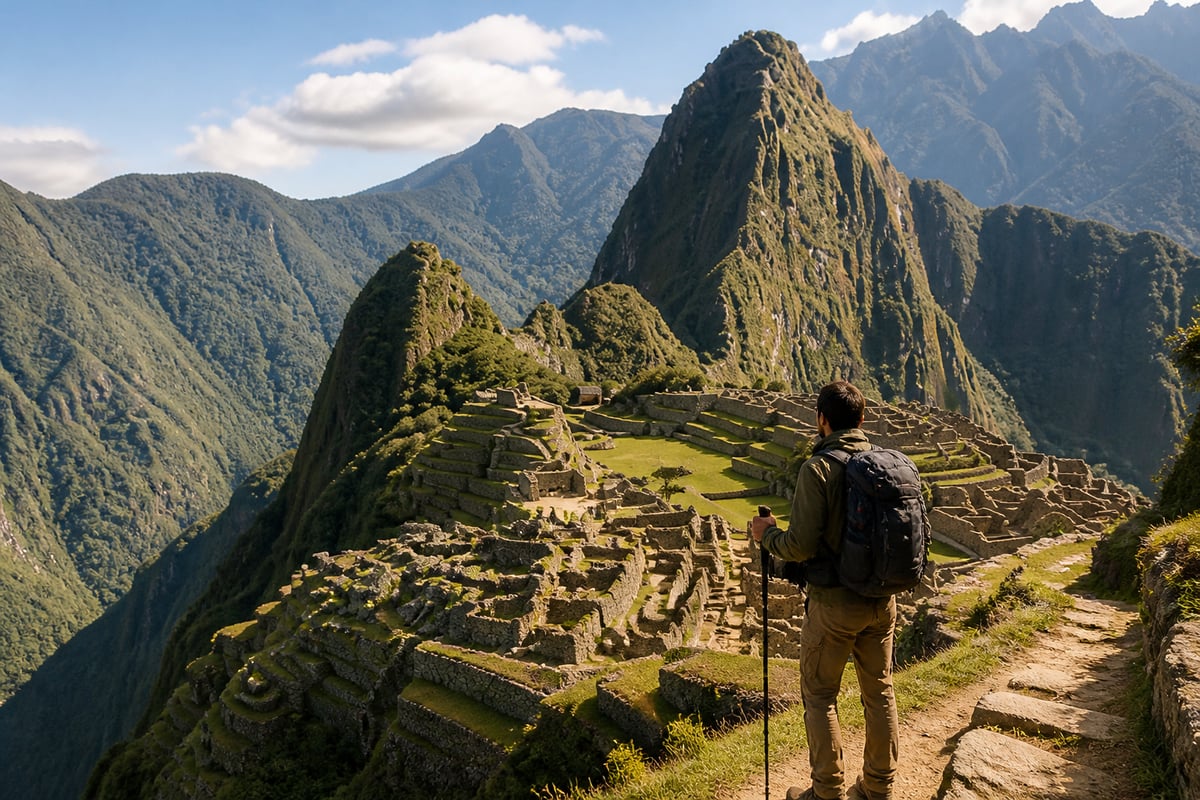
The dry season, roughly May to September, is generally when skies are clearest and conditions most stable, and it is typically the busiest period.
The wet season brings greener terraces, fewer visitors and more cloud, but also the chance of rain delays on mountain roads. February needs particular attention. According to Responsible Travel, the Inca Trail closes every February for maintenance, while Machu Picchu itself remains open daily from 6 a.m. to 5:30 p.m. That distinction matters if you plan to hike in, but it does not affect a train-based visit.
For a first luxury trip, shoulder months such as April, May and September often give the best balance of weather, availability and room quality.
Practical Questions: Clothing, Age and Getting There
Several common planning questions affect comfort more than any upgrade does.
Can You Wear Jeans to Machu Picchu?
Yes, jeans are permitted and many visitors wear them, but lightweight, quick-drying trousers are more comfortable on humid stone steps and in changing weather. Layers matter more than fabric: mornings are cool, midday is warm, and rain can arrive without warning. Sturdy shoes with good grip are more important than any dress code.
Can an 80-Year-Old Go to Machu Picchu?
Many older travelers visit comfortably with the right pacing. The key is spending time at lower altitude in the Sacred Valley first, choosing the train and a private guide, and selecting a shorter circuit with fewer steps. Speak to your doctor before travel, since the region sits at significant elevation, and ask your operator to build in rest time between activities.
How Can You Travel From Cusco to Machu Picchu?
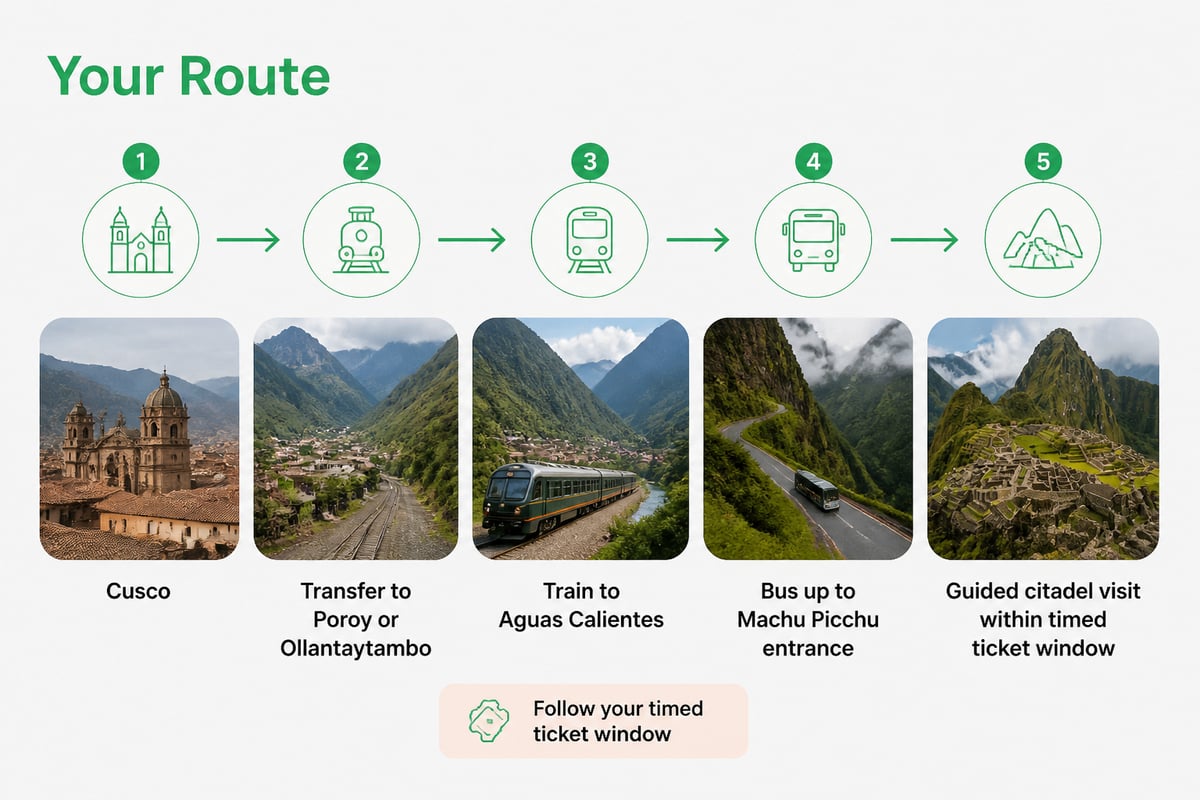
The most common route is a transfer to Poroy or Ollantaytambo, followed by a train to Aguas Calientes, then a short bus ride up to the citadel entrance. There is no direct road to the site itself. Luxury itineraries often start from the Sacred Valley instead of Cusco, which shortens the day and reduces altitude strain.
A Sample Itinerary Built Around Comfort
A six-day structure gives enough time to acclimatize, see the Sacred Valley and visit the citadel without feeling rushed.
For travelers who want a guided framework before adding upgrades, the Machu Picchu Peru Tour 6D/5N from Machupicchu Trips covers Cusco, the Sacred Valley, a scenic train journey and a hike to Humantay Lagoon, with domestic flights, guided tours, entrance fees and train tickets included. It is listed with 3-star hotels, so travelers seeking a higher lodging category should ask the team about tailoring the package to their dates and preferences.
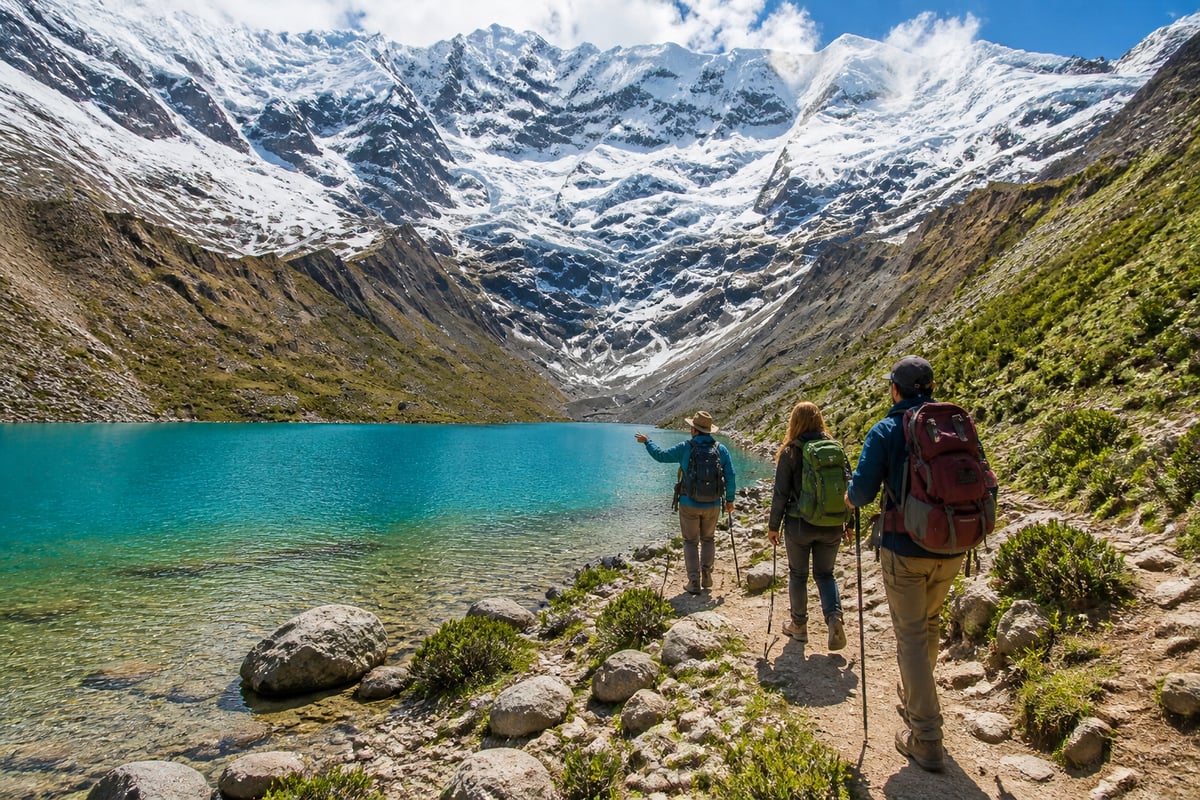
A typical premium variation of that pace could run as follows:
- Day 1: Arrive in Cusco, transfer to a Sacred Valley lodge, rest
- Day 2: Private visit to Pisac and Ollantaytambo
- Day 3: Salt terraces of Maras, Moray, and a long lunch
- Day 4: Train to Aguas Calientes, afternoon at leisure
- Day 5: Early citadel entry with a private guide, return by train
- Day 6: Cusco sightseeing and departure
Machupicchu Trips is a locally owned Cusco operator running every trip from the destination itself, and its packages can be tailored to your dates, group size, interests and travel style. Its guides are bilingual, and the team coordinates permits, entrance tickets, trains, transfers and hotels, which is the work that makes a high-end trip feel effortless.
Booking Order That Protects Your Trip
The sequence in which you book matters, because Machu Picchu entry is the scarcest item.
- Choose your travel dates and confirm availability for the citadel entry time
- Select your circuit and route with your guide before purchasing the ticket
- Reserve the train that matches your entry slot
- Book Sacred Valley and Aguas Calientes lodging around the train times
- Add international and domestic flights last, once the ground plan is secure
Leave buffer time at the end of the trip. Weather, train delays or a missed connection can otherwise cost you a flight home.
FAQ
Is a luxury trip to Machu Picchu worth the extra cost?
For most travelers it is, mainly because of the private guiding, smoother logistics and better pacing. The citadel experience itself is governed by the same timed tickets, so the value lies in how comfortably and efficiently you reach it.
How many days do you need for a luxury Machu Picchu itinerary?
Five to seven days is a practical range. That allows acclimatization in the Sacred Valley, one night near the citadel and time in Cusco without a rushed schedule.
Do you need to book luxury trains and tickets in advance?
Citadel tickets are tied to a date, time, circuit and route, and the daily visitor limit means popular slots can fill early, especially in peak months. Booking well ahead gives you the widest choice.
Start by choosing two or three possible travel windows and checking them against the season and ticket rules above, since entry availability will shape everything else. From there, Machupicchu Trips can build a tailored plan, whether you prefer the structure of the Machu Picchu Peru Tour 6D/5N or a more customized route. Its locally owned Cusco team handles permits, trains, transfers and hotels so you can focus on the destination, and you can Plan My Machu Picchu Trip by sharing your dates, group size and preferred level of comfort.