
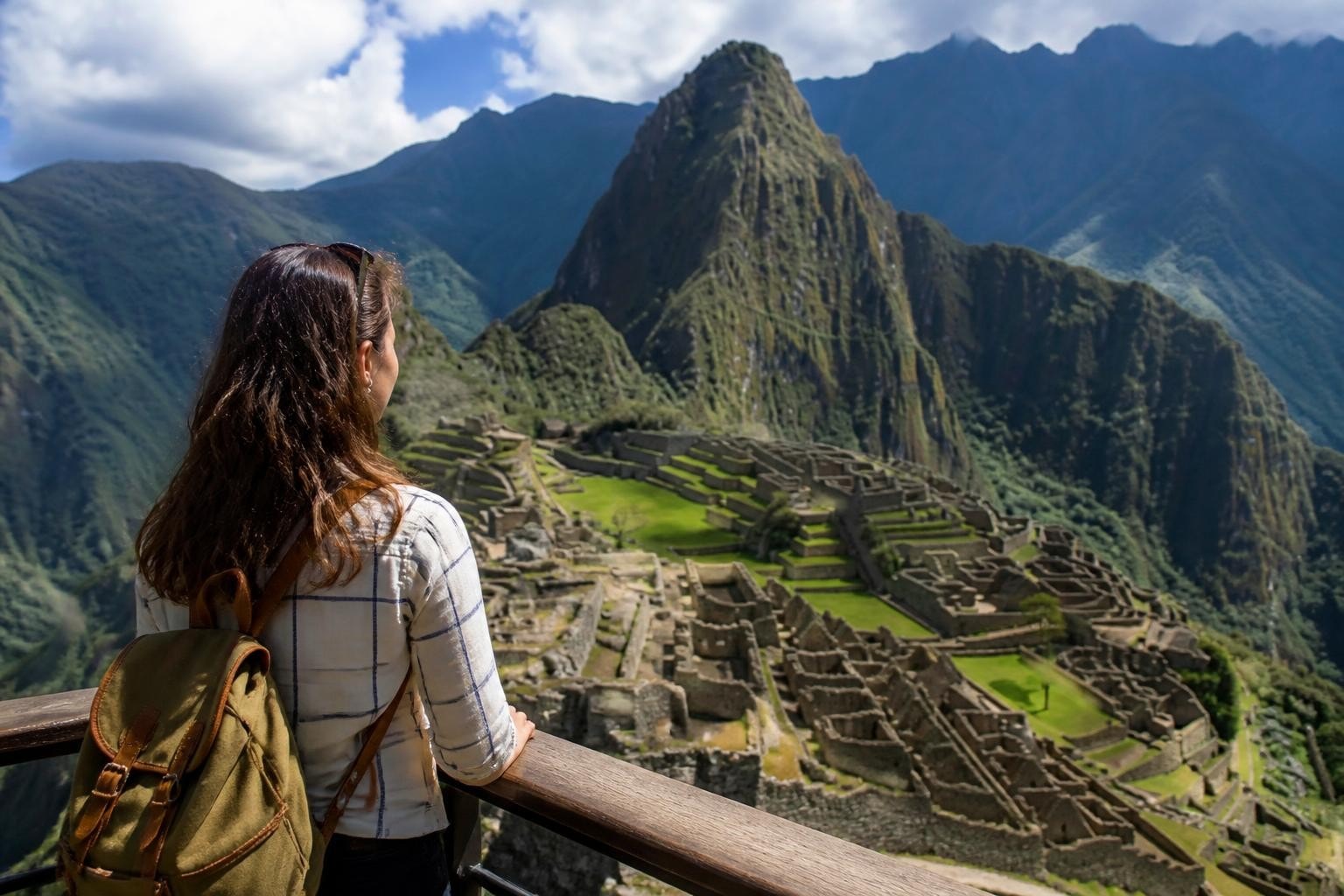
Planning a journey to one of the world's most iconic archaeological sites requires careful financial preparation. The cost of Machu Picchu trip varies dramatically depending on your travel style, time of year, and chosen route. Understanding each expense category helps travelers make informed decisions and avoid unwelcome surprises. This comprehensive guide breaks down every major cost component for visiting Machu Picchu in 2026, from essential entrance tickets to optional upgrades that enhance your experience.
Understanding Machu Picchu Entrance Fees
The foundation of any cost of Machu Picchu trip calculation starts with entrance tickets. The Peruvian government sets official prices through regulated ticketing systems, with rates varying by visitor nationality and circuit choice.
As of 2026, the promotional tariff scheme establishes different pricing tiers for international adults, children, and students. International visitors typically pay higher rates than Peruvian nationals or citizens of Andean Community countries. Adult tickets for the standard Machu Picchu circuit range from $45 to $60 USD depending on circuit access. Student discounts require valid international student identification and can reduce costs by approximately 50%.
Circuit Options and Price Variations
Machu Picchu operates on a circuit system that determines which areas you can access. Circuit 1 and Circuit 2 offer different vantage points and archaeological zones, with similar pricing. Circuit 3 provides agricultural terrace access at standard rates. Mountain add-ons significantly increase costs-Huayna Picchu or Machu Picchu Mountain permits add another $30 to $45 to your base ticket price.
Booking windows matter for availability and planning. Tickets must be purchased in advance, especially during peak season (May through September). Last-minute bookings often face sold-out conditions rather than price increases, since rates remain government-controlled.
Transportation: The Largest Variable Cost
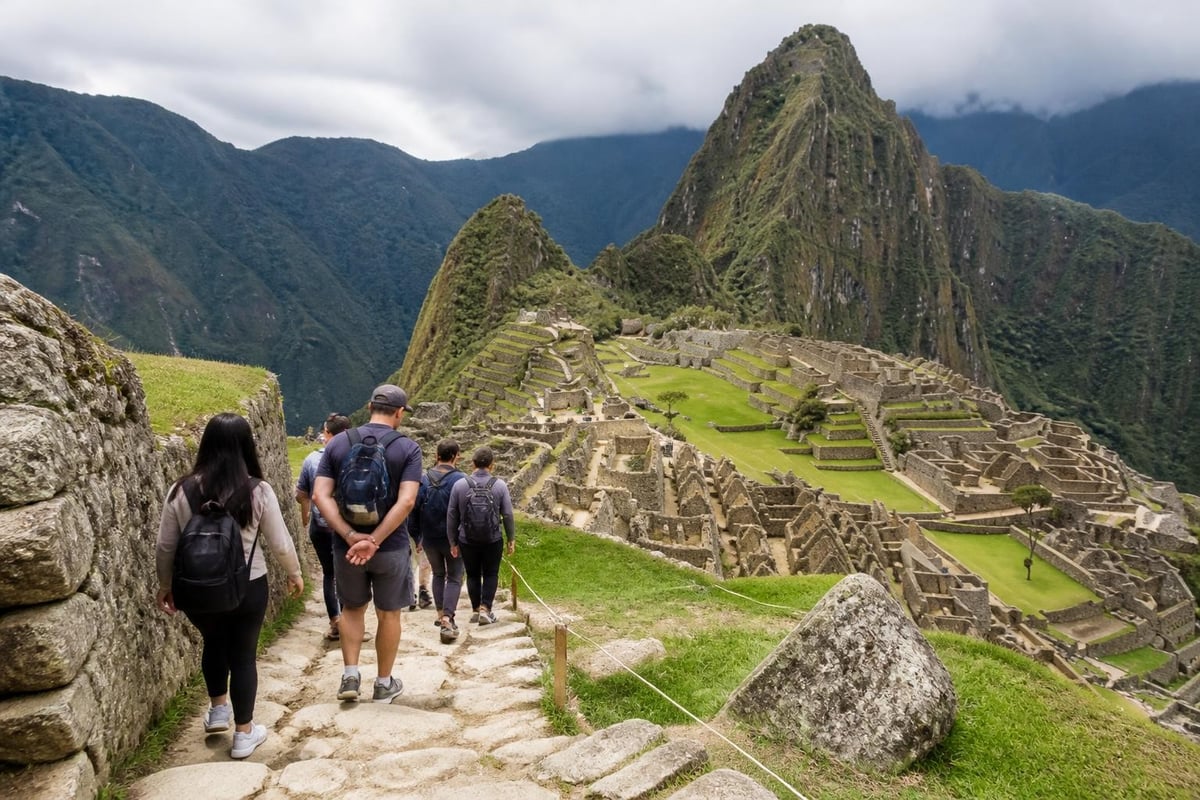
Transportation represents the most substantial line item when calculating the cost of Machu Picchu trip. Multiple route options exist, each with dramatically different price points and time investments.
Train Services to Aguas Calientes
Most visitors reach Machu Picchu via train to Aguas Calientes, the gateway town. PeruRail operates the primary services with three comfort levels. Expedition class (economy) costs approximately $65 to $95 one-way from Ollantaytambo. Vistadome class (mid-range) with panoramic windows runs $85 to $130 one-way. Hiram Bingham luxury service exceeds $450 one-way with gourmet dining and live entertainment.
Departure points affect total costs. Trains from Ollantaytambo (Sacred Valley) cost less than Poroy (near Cusco), but require additional ground transportation. Budget-conscious travelers combine collective taxis to Ollantaytambo ($10 to $15) with Expedition-class tickets to minimize expenses.
Budget Alternative Routes
The Hidroeléctrica route offers significant savings for travelers willing to invest time. This option involves:
- Bus or collective taxi from Cusco to Santa Teresa ($15 to $25)
- Two-hour walk along train tracks to Aguas Calientes (free)
- Return journey following the same pattern
Total transportation costs via Hidroeléctrica typically run $30 to $50 round-trip versus $130 to $190 for budget train combinations. However, this route adds 6 to 8 hours each direction and requires reasonable fitness levels.
| Transportation Option | One-Way Cost | Total Round-Trip | Travel Time |
|---|---|---|---|
| Expedition Train (Ollantaytambo) | $65-$95 | $130-$190 | 1.5 hours |
| Vistadome Train (Ollantaytambo) | $85-$130 | $170-$260 | 1.5 hours |
| Hidroeléctrica + Walk | $15-$25 | $30-$50 | 6-8 hours |
| Luxury Hiram Bingham | $450+ | $900+ | 3.5 hours |
Accommodation in Aguas Calientes
Nearly all Machu Picchu itineraries require at least one night in Aguas Calientes, directly impacting the cost of Machu Picchu trip. This small mountain town operates on tourism economics, with prices reflecting limited competition and captive demand.
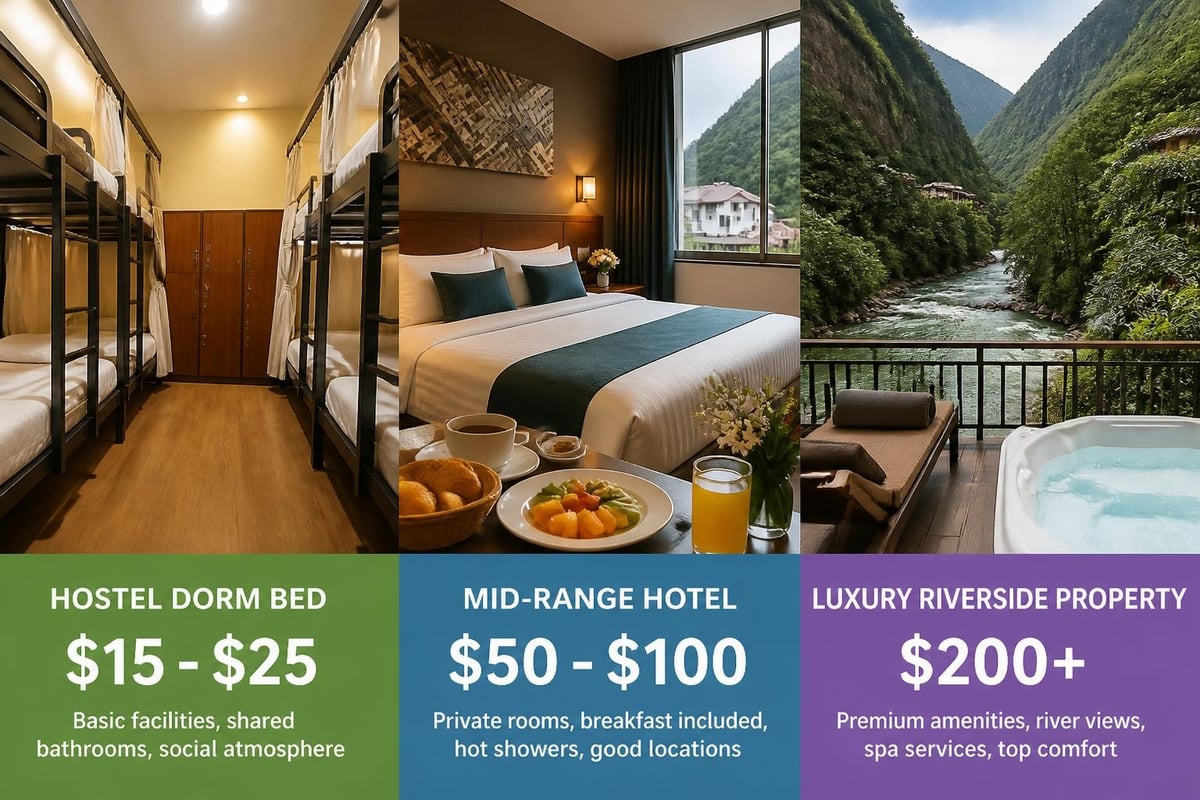
Budget hostels start at $20 to $35 per night for basic dormitory beds or small private rooms with shared bathrooms. Mid-range hotels offering private bathrooms, hot water, and breakfast range from $60 to $120 per night. Upscale properties near the thermal baths or with river views command $150 to $300 nightly rates.
Timing significantly affects availability and pricing. Peak season (May through September) sees hotels fully booked months in advance with premium pricing. Low season (November through March, excluding holidays) offers negotiable rates 20% to 40% below high-season prices, though weather becomes less predictable.
Many travelers opt for two-day itineraries that include one Aguas Calientes night, allowing sunrise entry and unhurried exploration. Day-trip alternatives eliminate accommodation costs but require very early departures and rushed afternoon returns.
Guided Tours and Independent Visits
The decision between guided tours and independent exploration substantially changes the cost of Machu Picchu trip while affecting the quality of your experience. Both approaches offer distinct advantages and financial implications.
Professional Guide Services
Official guides inside Machu Picchu provide historical context, archaeological insights, and route optimization that self-guided visitors often miss. Shared group tours with 10 to 15 participants cost $25 to $45 per person for two to three-hour circuits. Private guides charge $80 to $150 for personalized attention, flexible pacing, and customized focus areas.
Guides must carry official certification from Peru's Ministry of Culture, ensuring qualified interpretation. Quality varies significantly, making advance research and booking through reputable operators worthwhile. Many guides speak multiple languages-English, Spanish, French, German-with multilingual guides commanding premium rates.
For travelers seeking comprehensive exploration, the Machu Picchu & Huaynapicchu Tour 2 Days combines expert guidance with logistical support. This package includes transportation, train tickets, accommodation in Aguas Calientes, entrance permits for both Machu Picchu and Huaynapicchu Mountain, and professional guided service, consolidating major expenses into one coordinated experience.
Independent Exploration Considerations
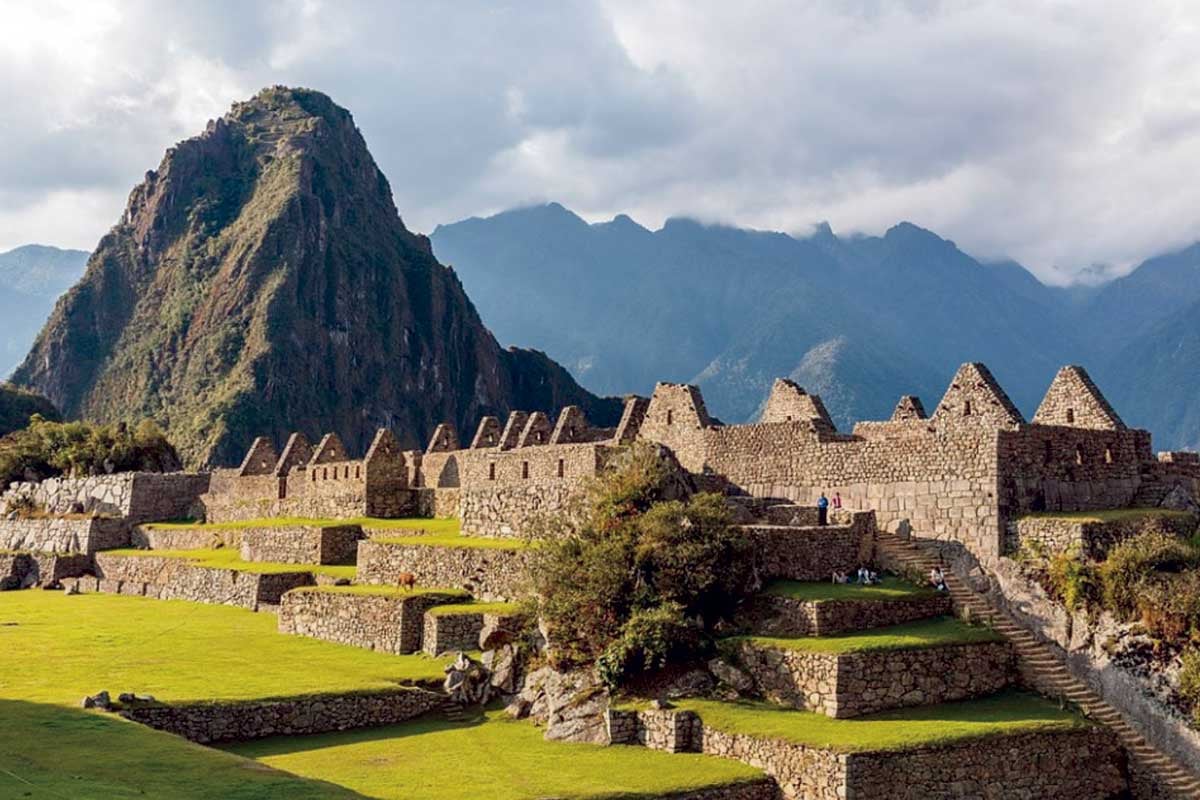
Self-guided visits eliminate guide fees but require thorough advance research to maximize your limited time inside the complex. Audio guides available at the entrance cost approximately $10 and provide basic orientation. Downloadable apps and guidebooks purchased before arrival add minimal costs while offering detailed historical background.
Time restrictions apply to all visitors regardless of guide status. Each circuit limits visits to four hours, making efficient route planning essential. Independent visitors often spend extra time reorienting themselves or backtracking, potentially missing key features within their allocated window.
Meals and Daily Expenses
Food costs in Aguas Calientes and at Machu Picchu contribute moderately to the overall cost of Machu Picchu trip. Restaurant pricing reflects the town's tourism-dependent economy and limited agricultural access.
Budget meals at local restaurants serving menu del día (set menus) run $5 to $10 for substantial portions of Peruvian staples. Mid-range dining at tourist-oriented restaurants costs $12 to $25 per person for appetizers, main courses, and beverages. Upscale establishments near luxury hotels charge $30 to $60 for multi-course meals with wine.
No food or large backpacks enter Machu Picchu itself, though small snacks and water bottles receive tolerance if discretely carried. Most visitors eat breakfast before entering and lunch after exiting. Restaurant options cluster near the bus station and along the main avenue in Aguas Calientes.
Water bottles, sunscreen, insect repellent, and small purchases add $10 to $20 daily for most travelers. ATMs in Aguas Calientes charge higher fees and occasionally run low on cash, making advance withdrawals in Cusco advisable.
Bus Transportation to Machu Picchu
The final transport leg from Aguas Calientes to Machu Picchu's entrance involves either shuttle buses or hiking. Consettur buses operate the exclusive concession on the steep, winding road, charging $12 one-way or $24 round-trip. Buses depart every ten minutes during peak hours, with journey times of 25 to 30 minutes.
Hiking the same route as an alternative saves bus fare but demands significant physical effort. The trail climbs approximately 400 meters over switchbacks and stone steps, requiring 60 to 90 minutes of steady uphill hiking. Most travelers conserve energy for exploring Machu Picchu itself by taking buses uphill and sometimes walking down after their visit.
Bus tickets sell at the station in Aguas Calientes or online through authorized platforms. Peak-hour queues (5:00 AM to 7:00 AM for sunrise visitors) extend 30 to 45 minutes, making early arrival essential for first entry times.
Additional Peru Travel Costs
The cost of Machu Picchu trip must account for expenses before and after the main visit. Most international visitors fly into Lima before connecting to Cusco, adding domestic flight costs of $80 to $180 round-trip depending on booking timing and carrier choice.
Cusco Accommodation and Acclimatization
Cusco serves as the base for most Machu Picchu journeys and requires two to three nights for proper altitude acclimatization. Budget hostels in Cusco cost $10 to $25 nightly. Mid-range hotels in the historic center run $40 to $90. Boutique properties command $120 to $250 for colonial-era buildings with modern amenities.
Altitude sickness prevention and treatment occasionally necessitate medical consultation or pharmacy purchases, adding $10 to $50 for most travelers. Health considerations for Peru include altitude adjustment, travel insurance recommendations, and vaccination guidance that affect pre-trip budgeting.
Sacred Valley Exploration
Many itineraries combine Machu Picchu with Sacred Valley sites-Pisac, Ollantaytambo, Chinchero, and Moray. The Boleto Turístico (tourist ticket) grants access to sixteen archaeological sites around Cusco and the Sacred Valley for approximately $45, representing excellent value for multi-day exploration.
Full-day Sacred Valley tours with transportation, guide, and lunch cost $35 to $65 per person on shared-group basis. These tours position travelers in Ollantaytambo for convenient train departures to Machu Picchu while spreading total trip costs across multiple high-value experiences.
Seasonal Price Fluctuations
Understanding seasonal patterns helps optimize the cost of Machu Picchu trip through strategic timing. Peru's tourism industry operates on pronounced high and low seasons with corresponding price adjustments.
High season (May through September) coincides with dry weather, clear skies, and optimal photography conditions. Hotel rates increase 30% to 50%, train tickets sell out weeks in advance, and tours command premium pricing. Visitor numbers peak in July and August, creating crowded conditions despite higher costs.
Shoulder seasons (April and October) offer balanced conditions-moderate pricing, decent weather probability, and manageable crowds. These months provide excellent value for cost-conscious travelers willing to accept occasional rain showers.
Low season (November through March) brings significant discounts-hotels negotiate rates, tours offer promotions, and last-minute bookings become feasible. Weather reliability decreases, with January and February experiencing heavy rainfall that occasionally closes the Inca Trail (though Machu Picchu itself remains open).
| Season | Months | Weather | Crowd Level | Price Tier |
|---|---|---|---|---|
| High | May-Sep | Dry, sunny | Very crowded | Premium |
| Shoulder | Apr, Oct | Mixed | Moderate | Mid-range |
| Low | Nov-Mar | Rainy | Light | Discounted |
Package Tours versus Independent Travel
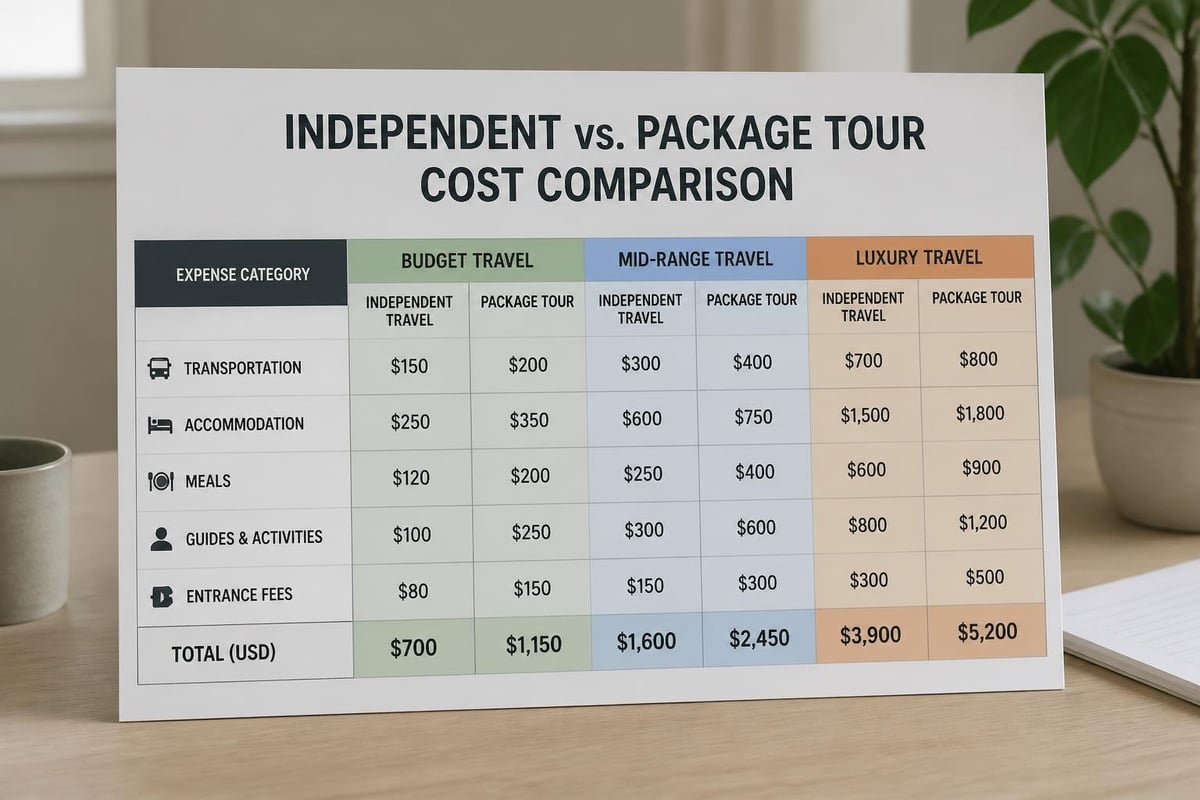
Comparing packaged tours against independent travel reveals different cost structures and value propositions when calculating the cost of Machu Picchu trip.
All-Inclusive Package Benefits
Multi-day packages bundle transportation, accommodation, guides, meals, and entrance fees into single prices ranging from $400 to $1,200 depending on length and luxury level. Four-day classic tours typically cost $450 to $650 and include Cusco exploration, Sacred Valley visits, and Machu Picchu with all logistics handled.
Packages eliminate coordination stress, guarantee availability during peak season, and often negotiate better rates through bulk purchasing power. Hidden costs rarely appear since most major expenses integrate into the upfront price. Time-constrained travelers particularly value the efficiency of pre-arranged logistics.
Independent Travel Cost Control
Self-planned trips allow precise budget control and flexibility to splurge or save on specific elements. Experienced travelers often reduce total costs 20% to 30% below package equivalents by:
- Booking budget accommodation in advance
- Choosing Hidroeléctrica routes or local buses
- Preparing some meals from markets
- Joining shared tours only for Machu Picchu itself
- Traveling in low season with negotiable rates
Independent travel requires significant research time, Spanish language skills prove helpful, and unexpected complications create budget risks. Practical guidance on reaching Machu Picchu helps independent travelers understand route options and logistics for cost-effective planning.
Trekking Routes: Inca Trail and Alternatives
Multi-day trekking routes to Machu Picchu represent premium experiences with corresponding costs. The Classic Inca Trail (four days, three nights) ranks among Peru's most sought-after adventures, with permit-included packages costing $550 to $800 per person.
Inca Trail regulations require licensed tour operators-independent hiking is prohibited. Packages include permits, professional guides, porters, camping equipment, and meals. Permits sell out four to six months in advance for peak season, necessitating early booking and non-refundable deposits.
Alternative Trek Options
Several alternative routes offer trekking experiences at varied price points:
- Salkantay Trek (five days, four nights): $350 to $550, stunning mountain scenery
- Lares Trek (four days, three nights): $400 to $600, cultural immersion in Andean communities
- Short Inca Trail (two days, one night): $450 to $650, abbreviated classic experience
- Inca Jungle Trek (four days, three nights): $280 to $450, multi-sport adventure combining biking, hiking, and rafting
Each alternative provides unique perspectives on Andean landscapes and culture while concluding at Machu Picchu. Budget-conscious approaches explain how to minimize trekking costs through low-season booking, group formation, and strategic route selection.
Total Cost Estimates by Travel Style
Synthesizing all components provides realistic total cost expectations for different traveler profiles. These estimates assume round-trip travel from Cusco to Machu Picchu with one night in Aguas Calientes.
Budget Traveler
- Entrance ticket: $45
- Hidroeléctrica transportation: $50
- Hostel accommodation: $25
- Meals (2 days): $30
- Bus to ruins: $24
- Shared guide: $35
- Miscellaneous: $20
- Total: $229 to $270
Mid-Range Traveler
- Entrance ticket with mountain: $90
- Expedition train round-trip: $180
- Comfortable hotel: $85
- Restaurant meals: $50
- Bus to ruins: $24
- Private guide: $120
- Miscellaneous: $35
- Total: $584 to $650
Luxury Traveler
- Entrance ticket with mountain: $90
- Vistadome train round-trip: $240
- Boutique hotel: $220
- Fine dining: $100
- Bus to ruins: $24
- Premium private guide: $150
- Spa and extras: $80
- Total: $904 to $1,050
These estimates exclude Cusco accommodation, Sacred Valley tours, and domestic flights but represent core costs directly associated with reaching and experiencing Machu Picchu itself.
Money-Saving Strategies
Strategic planning reduces the cost of Machu Picchu trip without sacrificing experience quality. Advance booking for trains and hotels secures better rates and ensures availability, particularly crucial during high season when last-minute options disappear or command premium pricing.
Shoulder-season travel balances cost savings with reasonable weather probability. April and October offer 20% to 35% discounts compared to peak months while maintaining manageable crowd levels. Low-season bargaining becomes possible in November and December when hotels and tour operators negotiate to fill capacity.
Combining budget and splurge elements optimizes value-taking the Hidroeléctrica route while booking a comfortable hotel, or choosing expedition trains while investing in an excellent private guide. Group formation for private guides or shared transportation reduces per-person costs when traveling with companions.
Purchasing Cusco groceries for breakfast and snacks cuts restaurant expenses substantially. Water refills from purified sources save repeated bottle purchases. Student discounts, valid for those under 25 with proper identification, halve entrance fees and reduce some tour costs.
Official tourism guidance provides current procedures for ticket purchases and budget planning directly from Peru's tourism authority.
Insurance and Emergency Considerations
Comprehensive travel insurance adds $50 to $120 to trip costs but provides essential protection against medical emergencies, trip cancellations, and lost luggage. Medical coverage particularly matters given Cusco's 3,400-meter altitude and associated health risks.
Trip cancellation insurance protects non-refundable deposits on Inca Trail permits, train tickets, and hotel reservations. Weather disruptions, strikes, or personal emergencies can derail carefully planned itineraries, making insurance cost-effective for expensive advance bookings.
Evacuation coverage addresses worst-case scenarios requiring helicopter rescue from remote trekking routes or altitude-related medical emergencies requiring rapid descent. Though rarely needed, evacuation costs without insurance can reach $10,000 to $30,000, making premiums worthwhile protection.
Hidden Costs and Unexpected Expenses
Budget calculations often overlook several minor but cumulative expenses. Porter tips on trekking routes typically run $20 to $35 total. Restaurant service isn't automatically included-10% tips represent standard practice for good service. Storage lockers in Aguas Calientes cost $3 to $5 for securing luggage during your Machu Picchu visit.
Photography permits for professional equipment occasionally require additional fees, though personal cameras and smartphones face no restrictions. Souvenir purchases at artisan markets tempt most visitors-quality alpaca textiles, silver jewelry, and local crafts add discretionary spending. Coca leaves for altitude management, while inexpensive, require regular purchase for continuous effect.
The sustainable tourism initiatives implemented by Peru's environmental and cultural ministries ensure visitor fees support conservation and community development, providing value beyond personal experience through heritage preservation contributions.
Understanding the complete cost of Machu Picchu trip empowers travelers to make informed decisions that align with their budgets and priorities. Whether choosing budget-conscious approaches or premium experiences, proper planning ensures this bucket-list destination remains accessible while delivering unforgettable memories. For travelers seeking expertly coordinated experiences that handle all logistics while optimizing value, Machupicchu Trips offers locally-led tours with transparent pricing, professional guides, and comprehensive packages designed to showcase the Andes and Machu Picchu at their finest.