
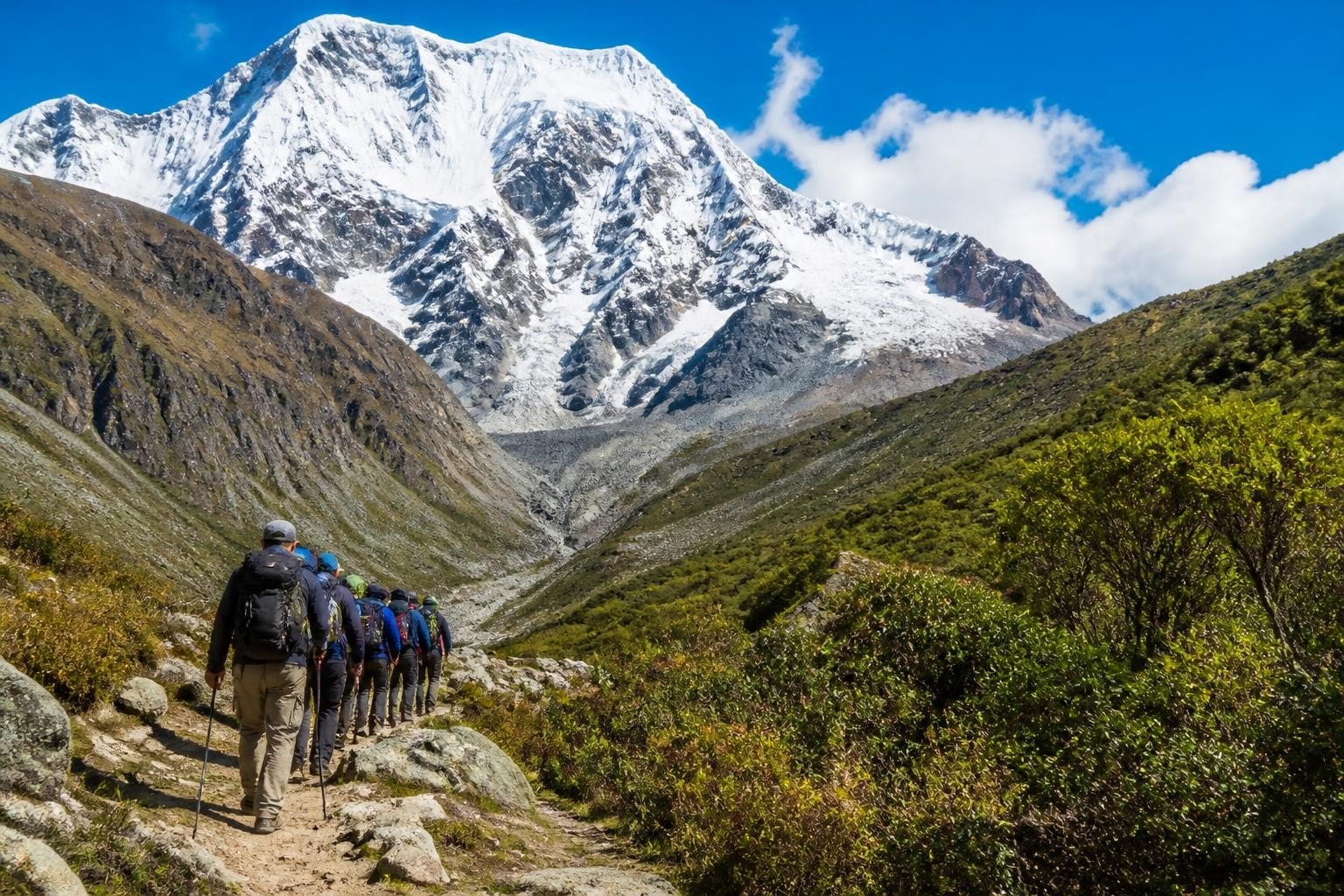
The Salkantay trek guided tour has emerged as one of Peru's most spectacular alternatives to the Classic Inca Trail, offering adventurers an unforgettable journey through diverse Andean ecosystems to Machu Picchu. This challenging multi-day trek circles the sacred Salkantay Mountain (6,271 meters), crosses high-altitude passes above 4,600 meters, and descends through cloud forests before reaching the ancient citadel. For travelers seeking an immersive experience with professional support, a guided tour provides essential safety, cultural insights, and logistical ease that transforms this demanding trek into the adventure of a lifetime.
What Makes the Salkantay Trek Guided Tour Unique
The Salkantay route stands apart from other trails to Machu Picchu due to its dramatic ecological transitions and relatively uncrowded paths. Unlike the Classic Inca Trail, which requires permits booked months in advance and limits daily entries to 500 people, the Salkantay trek remains accessible year-round with fewer restrictions.
Key distinguishing features include:
- Ecological diversity: Trek from glacial valleys to tropical cloud forest in just four days
- Salkantay Mountain views: Walk beneath one of the highest peaks in the Cusco region, considered sacred by the Incas
- Authentic communities: Pass through traditional Andean villages where Quechua culture thrives
- Physical challenge: Experience a true adventure with sustained altitude and varied terrain
- Flexible timing: No daily quota system means greater scheduling freedom
National Geographic highlights the Salkantay as an exceptional alternative that delivers pristine mountain scenery without the permit challenges of the regulated Inca Trail. This accessibility, combined with stunning landscapes, makes it particularly attractive for adventurous travelers planning trips on shorter notice.
Route Overview and Daily Breakdown
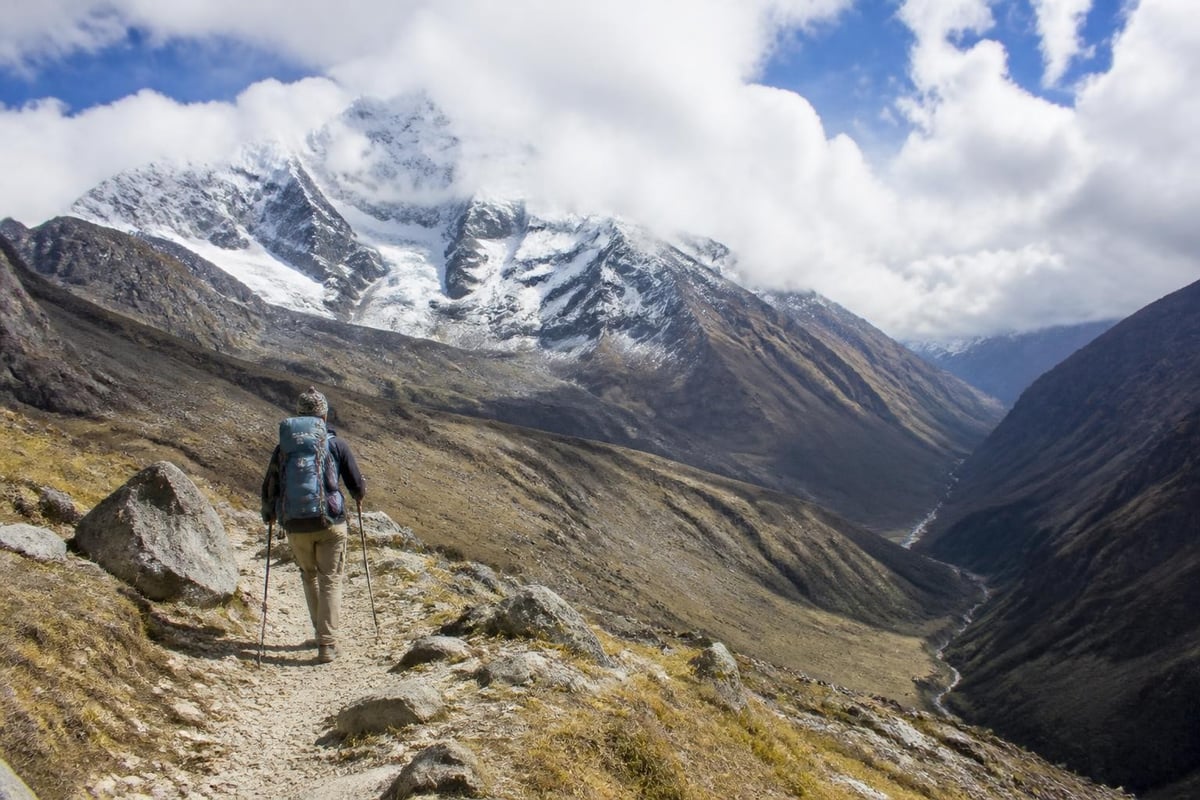
A standard salkantay trek guided tour spans five days and four nights, covering approximately 74 kilometers of diverse terrain. The journey begins in Mollepata or Soraypampa and concludes at Machu Picchu, with each day presenting distinct challenges and rewards.
| Day | Route Section | Distance | Max Elevation | Terrain Type |
|---|---|---|---|---|
| 1 | Mollepata to Soraypampa | 12 km | 3,900 m | Mountain valley, gradual ascent |
| 2 | Soraypampa to Chaullay | 22 km | 4,630 m (pass) | High alpine, steep descent |
| 3 | Chaullay to Lucmabamba | 16 km | 2,900 m | Cloud forest, river valleys |
| 4 | Lucmabamba to Aguas Calientes | 16 km | 2,400 m | Subtropical forest, rail tracks |
| 5 | Machu Picchu tour and return | 8 km | 2,430 m | Archaeological site, stairs |
Day two represents the most demanding segment, as trekkers ascend to Salkantay Pass (also called Abra Salkantay) at 4,630 meters before dropping nearly 2,000 meters to warmer elevations. Professional guides pace this section carefully, monitoring clients for altitude symptoms and adjusting speed as needed.
Physical Demands and Difficulty Assessment
The salkantay trek guided tour ranks as moderate to challenging, requiring good cardiovascular fitness and mental preparation. While technical climbing skills are unnecessary, participants should train adequately for multi-day hiking at altitude with loaded daypacks.
Fitness Requirements
Cardiovascular endurance forms the foundation of trek success. Hikers walk six to nine hours daily, often on uneven trails with significant elevation gain or loss. Recommended preparation includes three to four months of training focused on:
- Long-distance hikes with gradually increasing duration (building to 6+ hour outings)
- Stair climbing or incline treadmill work to simulate mountain ascents
- Weighted pack training using 5-7 kilograms to match trek conditions
- Cardiovascular exercises like running, cycling, or swimming for baseline fitness
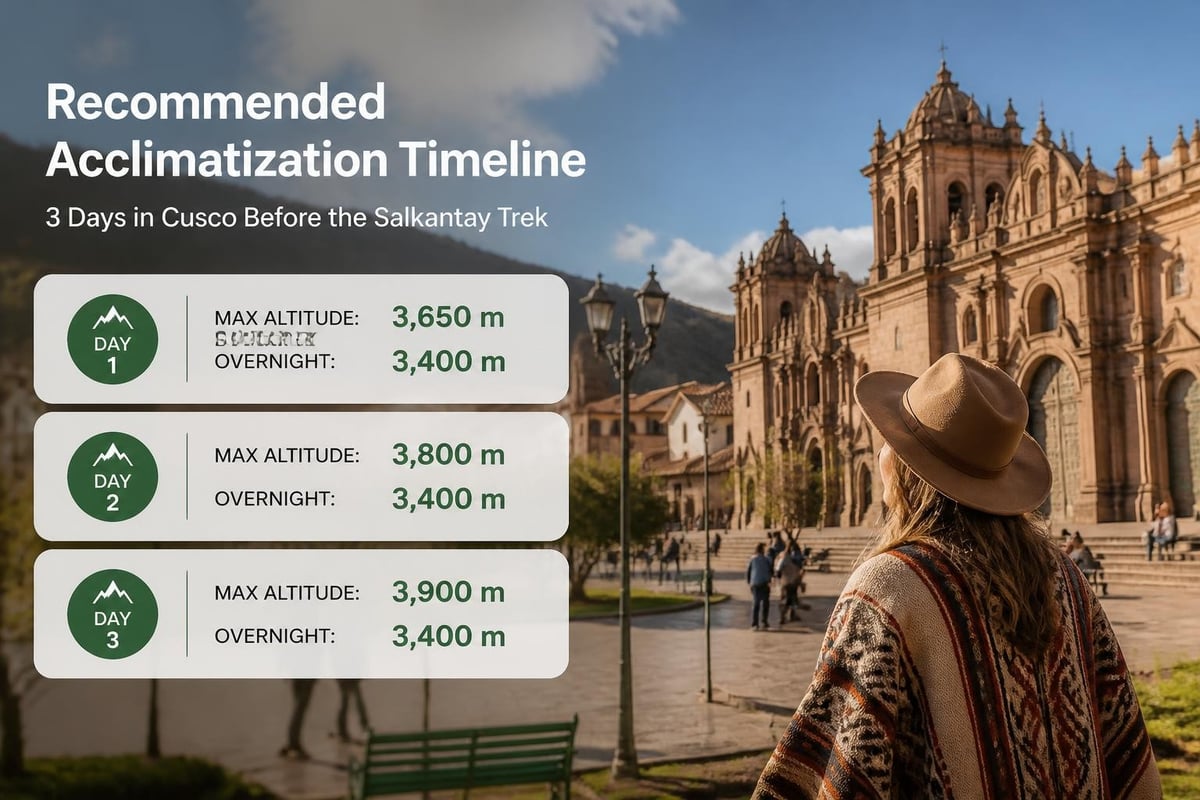
Altitude acclimatization requires special attention since the trek reaches over 4,600 meters. The CDC recommends spending at least two nights at 2,500-3,000 meters before ascending higher, which aligns with standard Cusco (3,400 m) pre-trek stays. Symptoms of acute mountain sickness affect 25-40% of travelers at this elevation, making professional guidance essential.
Guided tours typically include rest stops, coca tea, and flexible pacing to help participants adjust. Experienced guides recognize early warning signs of altitude sickness and carry oxygen and medical supplies for emergencies. The Wilderness Medical Society guidelines emphasize gradual ascent and adequate hydration, protocols that reputable operators build into their itineraries.
Age and Health Considerations
Most tour operators accept participants aged 12 to 65, though exceptions exist for exceptionally fit individuals outside this range. Pre-existing conditions like heart disease, severe hypertension, or pulmonary issues warrant medical consultation before booking. Pregnant travelers should avoid high-altitude trekking entirely.
What's Included in a Salkantay Trek Guided Tour
Professional guided tours bundle essential services into comprehensive packages, eliminating logistical stress and enhancing safety. Understanding what's typically included helps travelers evaluate different operators and prepare accordingly.
Standard inclusions:
- Professional bilingual guides: Trained in first aid, altitude management, and regional history
- Camping equipment: Four-season tents, sleeping mats, dining tents, and toilet facilities
- Meals: Three daily meals plus snacks, prepared by trek chefs using fresh ingredients
- Porters or pack animals: Horses or porters carry camping gear, food, and personal duffels (weight limits apply)
- Ground transportation: Transfers from Cusco to trailhead and from Aguas Calientes back to Cusco
- Train tickets: Tourist-class train from Hidroeléctrica or Aguas Calientes to Ollantaytambo
- Entrance fees: Machu Picchu admission and guided tour on the final day
- Emergency support: Satellite communication, first-aid kits, and evacuation protocols
Many companies also provide sleeping bags, trekking poles, and duffel bags as part of their service or for nominal rental fees. Travelers typically carry only a daypack with water, layers, cameras, and personal items during each day's hike.
Additional Costs to Anticipate
Budget beyond the base tour price for items not covered in standard packages:
- Hotel nights in Cusco: Before and after the trek (usually 2-3 nights minimum)
- Travel insurance: Including emergency evacuation coverage for remote mountain areas
- Tips for guides and staff: Customary amounts range from $50-100 USD total, distributed among the team
- Extra snacks and drinks: Trail purchases at villages or personal preferences
- Hot springs entry: Optional bathing at Cocalmayo thermal baths near Santa Teresa ($3-5 USD)
- Huayna Picchu permits: If climbing the peak above Machu Picchu ($20-30 USD, book in advance)
Understanding the complete financial picture prevents surprises and ensures adequate budgeting for the full experience.
Choosing the Right Time for Your Trek
Timing significantly impacts the salkantay trek guided tour experience, with weather patterns creating distinct dry and wet seasons. Strategic planning around Cusco’s climate patterns maximizes enjoyment and minimizes weather-related challenges.
Dry Season: May Through September
The dry season delivers optimal trekking conditions with minimal rainfall, clear mountain views, and stable trail surfaces. June, July, and August represent peak months when trails see maximum traffic and temperatures at high elevations drop significantly at night (often below freezing at Salkantay Pass).
Dry season advantages:
- Clear skies provide spectacular mountain photography opportunities
- Reduced mud and stream crossings make hiking safer and more pleasant
- Warmer daytime temperatures enhance comfort during breaks
- Reliable weather patterns simplify packing decisions
Dry season considerations:
- Higher tour demand means booking 2-3 months in advance recommended
- Nighttime temperatures at high camps require quality sleeping bags rated to -10°C
- Increased foot traffic along popular sections, though still far less crowded than the Inca Trail
Wet Season: November Through March
The rainy season transforms the landscape into lush greenery with rushing waterfalls and vibrant wildflowers, though daily afternoon showers and occasional multi-day storms present challenges. December through February bring the heaviest precipitation, sometimes causing trail closures or route modifications.
Experienced operators continue running tours year-round, adjusting itineraries when necessary for safety. Wet-season treks often cost 15-20% less due to lower demand, making them attractive for budget-conscious travelers willing to accept weather uncertainty.
Wet season benefits:
- Discounted tour prices and greater availability
- Fewer trekkers create a more solitary wilderness experience
- Green landscapes and active waterfalls enhance scenic beauty
- Milder nighttime temperatures reduce cold-weather gear needs
Wet season challenges:
- Rain gear and waterproof pack covers become essential
- Muddy, slippery trails slow progress and increase difficulty
- Cloud cover may obscure mountain views, especially Salkantay peak
- Potential for itinerary changes due to weather or trail conditions
Shoulder Seasons: April, October, November
April and October-November represent transition periods offering balanced conditions. April trails dry gradually after the wet season while maintaining green scenery, and October-November present mild weather before heavy rains begin. These months attract moderate crowds and often deliver ideal trekking weather.
Safety Considerations and Risk Management
Mountain trekking inherently carries risks, making professional guidance particularly valuable on the salkantay trek guided tour. Reputable operators implement comprehensive safety protocols addressing altitude illness, weather hazards, and environmental risks.
Altitude Illness Prevention and Management
Acute mountain sickness (AMS) poses the primary health concern, with symptoms including headache, nausea, dizziness, and fatigue. More serious conditions-high-altitude cerebral edema (HACE) and high-altitude pulmonary edema (HAPE)-rarely occur but require immediate descent and medical attention.
Prevention strategies employed by quality operators:
- Mandatory acclimatization days in Cusco before trek departure
- Gradual ascent profiles built into itinerary design
- Regular health checks and symptom monitoring by trained guides
- Ample hydration emphasis (3-4 liters daily recommended)
- Flexible pacing allowing slower progress for struggling participants
Guides carry portable oxygen, pulse oximeters, and comprehensive first-aid kits. Satellite phones or communication devices enable emergency contact with base operations and rescue services if evacuation becomes necessary.
Environmental Hazards
Peru’s National Glacier and Mountain Ecosystems Institute monitors glacial lakes and avalanche risks throughout the Cordillera Vilcabamba, including areas along the Salkantay route. While major hazards remain uncommon, professional guides stay informed about current conditions and route modifications.
Additional environmental considerations include:
- Stream crossings: Water levels fluctuate with precipitation; guides assess safety before crossing
- Rockfall zones: Certain trail sections pass beneath unstable slopes requiring quick passage
- Wildlife: Spectacled bears and Andean condors inhabit the region, though encounters are rare
- Sun exposure: Intense UV radiation at altitude demands sunscreen and protective clothing
Weather monitoring informs daily decisions, with guides sometimes adjusting departure times or rest stops based on forecasts and observed conditions.
Cultural and Historical Context
The Salkantay trek guided tour traverses lands deeply significant to Andean communities, both historically and in contemporary life. Understanding this cultural dimension enriches the experience beyond physical achievement.
Salkantay: Sacred Apu of the Incas
In Quechua cosmology, apus (mountain spirits) govern natural forces and protect communities. Salkantay ranks among the most powerful apus in the Cusco region, second only to Ausangate in spiritual importance. The Incas built ceremonial sites near the mountain and conducted offerings seeking favorable weather and agricultural abundance.
Modern Andean communities maintain these traditions through annual pilgrimages and rituals. Trekkers occasionally observe stone apachetas (offering cairns) where locals leave coca leaves, chicha (corn beer), or personal tokens requesting safe passage. Respectful observers appreciate these practices without disturbing sacred sites.
Living Communities Along the Route
Unlike some wilderness treks that avoid human settlements, the salkantay trek guided tour passes through working communities where Quechua remains the primary language. Villages like Soraypampa, Collpapampa, and Lucmabamba offer glimpses into traditional agricultural practices and textile arts.
Quality guided tours incorporate cultural exchanges, visiting local homes or cooperative coffee farms. These interactions benefit communities economically while educating trekkers about contemporary Andean life. Purchasing handicrafts directly from artisans ensures fair compensation and preserves traditional skills.
For travelers seeking more comprehensive cultural immersion alongside their trekking adventure, packages like the MACHU PICCHU PERU TOUR 6D/5N combine the Humantay Lagoon trek with extended time in Cusco and the Sacred Valley, allowing deeper exploration of Inca heritage and colonial history under expert local guidance.
Selecting a Reputable Tour Operator
The salkantay trek guided tour market includes dozens of companies ranging from budget operations to premium service providers. Choosing wisely impacts safety, environmental responsibility, and overall experience quality.
Key Evaluation Criteria
Guide qualifications and training: Verify that guides hold official certifications from Peru's Ministry of Culture and tourism authorities. Ask about wilderness first-aid training, language skills, and regional expertise. The best guides combine technical knowledge with storytelling ability and cultural sensitivity.
Group size and guide ratio: Smaller groups (8-12 participants) enable more personalized attention and flexible pacing. Confirm the guide-to-client ratio, with one guide per 8-10 trekkers representing industry standards for safety and service quality.
Porter and staff treatment: Ethical operators comply with porter protection regulations limiting load weights to 20 kilograms and providing proper equipment, meals, and accommodation. Ask about staff payment practices and working conditions, as exploitation unfortunately persists in budget segments.
Environmental practices: Responsible companies follow Leave No Trace principles, pack out all waste, use established campsites, and avoid environmentally damaging shortcuts. Some operators hold certifications from sustainable tourism organizations verifying their practices.
Equipment quality and maintenance: Inspect photos of tents, sleeping mats, and dining facilities. Well-maintained gear appropriate for high-altitude conditions indicates operational standards and commitment to client comfort.
Reading Reviews Critically
Online reviews provide valuable insights but require careful interpretation. Look for patterns across multiple platforms (TripAdvisor, Google, specialized trekking forums) rather than isolated comments. Recent reviews (within 6-12 months) reflect current operations more accurately than older feedback.
Red flags to watch for:
- Consistent complaints about guide knowledge or language barriers
- Multiple reports of equipment failures or poor food quality
- Safety incidents or inadequate response to altitude illness
- Last-minute itinerary changes not explained by weather
- Pressure to purchase add-ons or hidden costs emerging during the trek
Conversely, strong operators demonstrate consistent positive feedback regarding safety, cultural respect, environmental stewardship, and exceeding client expectations despite challenging conditions.
Essential Packing List for the Trek
Proper equipment makes the difference between comfortable adventure and suffering endurance. While tour operators provide camping infrastructure, personal items require thoughtful selection balancing weight, versatility, and environmental conditions.
Clothing Layers for Variable Conditions
Temperature swings from below freezing at high camps to 25°C in cloud forests demand adaptable layering systems:
Base layers (moisture-wicking synthetic or merino wool):
- 2-3 short-sleeve or long-sleeve shirts
- 1-2 hiking pants or leggings
- Thermal underwear for cold-weather sleeping
Insulation layers:
- Fleece or synthetic puffy jacket for evenings and high-altitude sections
- Down jacket for extreme cold at Salkantay Pass camps
Outer protection:
- Waterproof, breathable rain jacket (essential year-round)
- Rain pants or hiking pants with water resistance
- Wind-resistant soft shell for dry-season protection
Accessories:
- Warm hat and gloves for high-altitude nights
- Sun hat with brim for daytime protection
- Buff or neck gaiter for wind and dust
- Sunglasses with UV protection rated for snow/glacier environments
Technical Equipment and Accessories
Beyond clothing, several items enhance safety, comfort, and enjoyment:
- Hiking boots: Broken-in, ankle-supporting boots with aggressive tread for variable terrain
- Trekking poles: Collapsible poles reduce knee strain on steep descents (many companies provide these)
- Headlamp: LED headlamp with fresh batteries for pre-dawn starts and nighttime camp navigation
- Water treatment: Purification tablets or filter for refilling bottles from mountain streams
- Sun protection: High-SPF sunscreen and lip balm with UVA/UVB protection for intense alpine exposure
- Personal first aid: Blister treatment, pain relievers, altitude medication (consult physician), personal prescriptions
Recommended extras:
- Camera with extra batteries (cold drains power quickly)
- Portable phone charger/power bank
- Quick-dry towel
- Toiletry kit with biodegradable soap
- Plastic bags for organizing and waterproofing gear
Pack everything in a waterproof duffel or dry bag, even during dry season, as afternoon showers occasionally surprise trekkers and horses carrying gear sometimes ford streams.
Machu Picchu: The Trek's Grand Finale
After four days of mountain wilderness, arriving at Machu Picchu delivers a profound sense of accomplishment. The salkantay trek guided tour concludes with either a late-afternoon preview or sunrise visit to the 15th-century Inca citadel, depending on operator itinerary.
Maximizing Your Machu Picchu Experience
Most tours include a 2-3 hour guided exploration of the archaeological complex, covering major features like the Temple of the Sun, Intihuatana stone, and Royal Sector. Professional guides bring expertise in Inca astronomy, architecture, and daily life that self-guided visitors miss.
Strategic visiting tips:
- Timing matters: Morning visits (6-8 AM) offer cooler temperatures and fewer crowds but require very early rising
- Circuit selection: Peru’s Ministry of Culture now requires choosing specific circuits, with Circuit 2 providing the classic postcard views
- Photography windows: Cloud patterns shift throughout the day; patience yields dramatic lighting conditions
- Additional peaks: Huayna Picchu or Machu Picchu Mountain hikes extend the experience with panoramic views (separate permits required)
After touring Machu Picchu, most groups travel to Aguas Calientes for lunch and celebration before catching afternoon trains back to Ollantaytambo and onward to Cusco. Some itineraries add an extra night in Aguas Calientes, allowing more leisurely exploration or a second Machu Picchu entry.
Sustainable Trekking Practices
The growing popularity of the salkantay trek guided tour creates both economic opportunities for Andean communities and environmental pressures on fragile ecosystems. Conscious trekkers minimize their impact through deliberate choices.
Leave No Trace Principles
Responsible operators and individual trekkers share responsibility for preserving the Salkantay region's pristine character:
- Pack out all waste: Every piece of trash, including organic waste, leaves with the group
- Stay on established trails: Shortcutting switchbacks causes erosion and vegetation damage
- Respect water sources: Camp at least 60 meters from streams and lakes; use biodegradable soap sparingly
- Leave natural and cultural artifacts: Flowers, rocks, and archaeological items remain for others to appreciate
- Minimize campfire impacts: Most operators use stoves exclusively rather than wood fires
- Be considerate of wildlife: Observe from distance; never feed animals or disturb nesting areas
Supporting Local Economies Ethically
Well-managed tourism provides crucial income for mountain communities while preserving cultural traditions. Travelers support sustainability by:
- Choosing operators that employ local guides and porters rather than bringing staff from Cusco or Lima
- Purchasing handicrafts directly from artisans in visited communities
- Respecting cultural practices around photography, sacred sites, and private property
- Learning basic Quechua greetings as a gesture of cultural appreciation
- Tipping appropriately based on service quality and local wage standards
The official Peruvian tourism board emphasizes responsible tourism development in alternative routes like Salkantay, recognizing both economic potential and conservation imperatives.
Comparing Salkantay to Other Machu Picchu Routes
Understanding how the salkantay trek guided tour relates to other popular routes helps travelers select the best match for their interests, fitness level, and schedule.
| Route | Duration | Difficulty | Permit Required | Highlights | Crowds |
|---|---|---|---|---|---|
| Salkantay Trek | 5 days | Moderate-Hard | No | Mountain scenery, diverse ecosystems | Moderate |
| Classic Inca Trail | 4 days | Moderate | Yes (limited) | Inca ruins, Sun Gate arrival | High |
| Short Inca Trail | 2 days | Moderate | Yes (limited) | Wiñay Wayna ruins, Sun Gate | Moderate-High |
| Lares Trek | 4 days | Moderate | No | Weaving communities, hot springs | Low |
| Choquequirao Trek | 9 days | Hard | No | Remote ruins, few tourists | Very Low |
The Salkantay offers an exceptional balance: challenging enough to feel like genuine adventure, scenically spectacular throughout, culturally meaningful, and logistically accessible without months-ahead permit requirements. Lonely Planet’s trekking guides consistently rank it among South America's premier multi-day hikes for these combined attributes.
Preparing Mentally for the Challenge
Physical training prepares the body, but mental readiness proves equally important for multi-day high-altitude trekking. The salkantay trek guided tour tests determination, adaptability, and positive mindset.
Setting Realistic Expectations
Understand that discomfort is temporary: Cold nights, sore muscles, and altitude headaches occur frequently but pass with rest and acclimatization. Reframing these experiences as part of the adventure rather than obstacles builds resilience.
Embrace flexibility: Weather, personal health, or group dynamics may require itinerary adjustments. Maintaining openness to changes reduces frustration and enhances overall enjoyment.
Focus on incremental progress: Rather than fixating on distant destinations, appreciate each day's journey. Breaking the trek into manageable segments-next rest stop, next camp, next sunrise-makes challenges feel achievable.
Build camaraderie: Shared hardship creates powerful bonds among group members. Supporting fellow trekkers through difficult moments enriches the experience and provides motivation during personal struggles.
Visualization and Motivation Techniques
Elite athletes use mental rehearsal to prepare for competitions; trekkers benefit similarly. Spend time before departure visualizing successful completion-standing at Salkantay Pass, descending into cloud forests, entering Machu Picchu. Create mental anchors associating these images with determination and joy.
Identify personal motivations beyond simply "completing the trek." Whether honoring a loved one, proving capabilities after illness, or fulfilling lifelong dreams, connecting deeply with purpose fuels perseverance when exhaustion sets in.
Communication and Technology on the Trail
The Salkantay region's remoteness means limited connectivity, which many trekkers find refreshing after constant digital availability. Understanding communication realities helps manage expectations and ensures emergency preparedness.
Mobile Phone Coverage
Cell service exists sporadically along the route, primarily near larger villages like Soraypampa and Lucmabamba. High alpine sections and deep valleys lack coverage entirely. Most trekkers experience 1-2 days without any signal.
Reputable tour operators carry satellite phones or two-way radios for emergency communication with base offices and rescue services. Confirm these backup systems exist when evaluating companies.
Photography and Power Management
Cold temperatures drain camera and phone batteries rapidly. Carry extra batteries or portable chargers, keeping them warm inside clothing layers until needed. Some camps offer charging services for nominal fees, though reliability varies.
Consider bringing a small solar charger for extended trips, though cloud cover and limited direct sun exposure in forested sections reduce effectiveness. The most reliable approach combines fully charged devices at trek start with conservative power usage and spare batteries.
The salkantay trek guided tour delivers one of South America's most rewarding adventure experiences, combining physical challenge, cultural immersion, and spectacular Andean scenery. Proper preparation, realistic expectations, and professional guidance transform this demanding journey into a transformative achievement. Whether you're drawn by sacred mountains, diverse ecosystems, or the ultimate reward of Machu Picchu, the Salkantay route offers an authentic wilderness experience with expert support. Machupicchu Trips specializes in locally-led Salkantay and Machu Picchu experiences, providing the professional guidance, cultural insights, and safety protocols that make this bucket-list trek both achievable and unforgettable for adventurers of all backgrounds.