
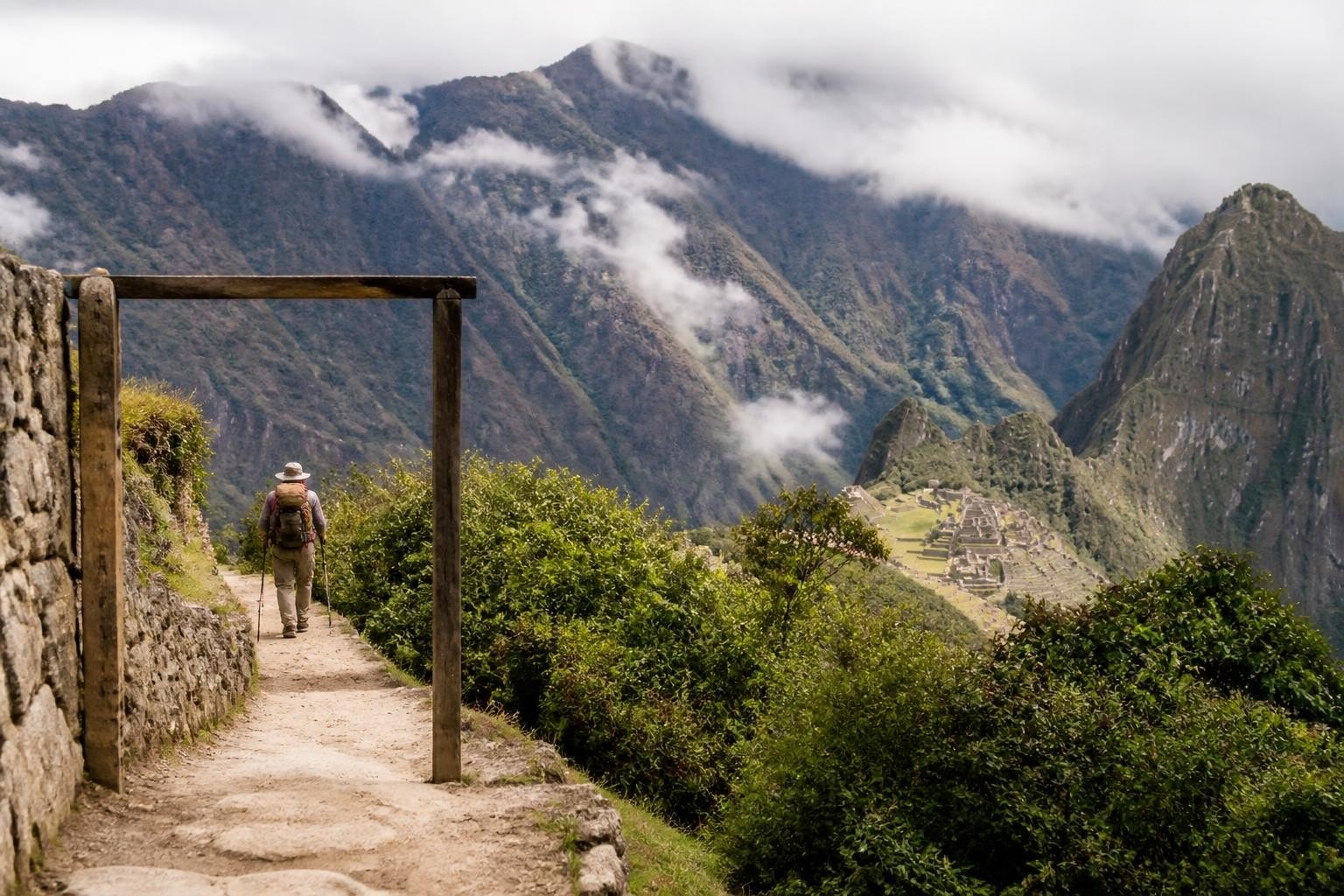
The journey to Machu Picchu along ancient Inca pathways represents one of the world's most celebrated trekking experiences. Every year, thousands of adventurers from across the globe seek out inca trail hike tours to walk in the footsteps of the Inca civilization, experiencing breathtaking Andean landscapes, fascinating archaeological sites, and the ultimate reward of arriving at the Lost City of the Incas through the Sun Gate. Planning this adventure requires understanding permits, routes, physical preparation, and timing to ensure an unforgettable experience.
Understanding the Classic Inca Trail Route
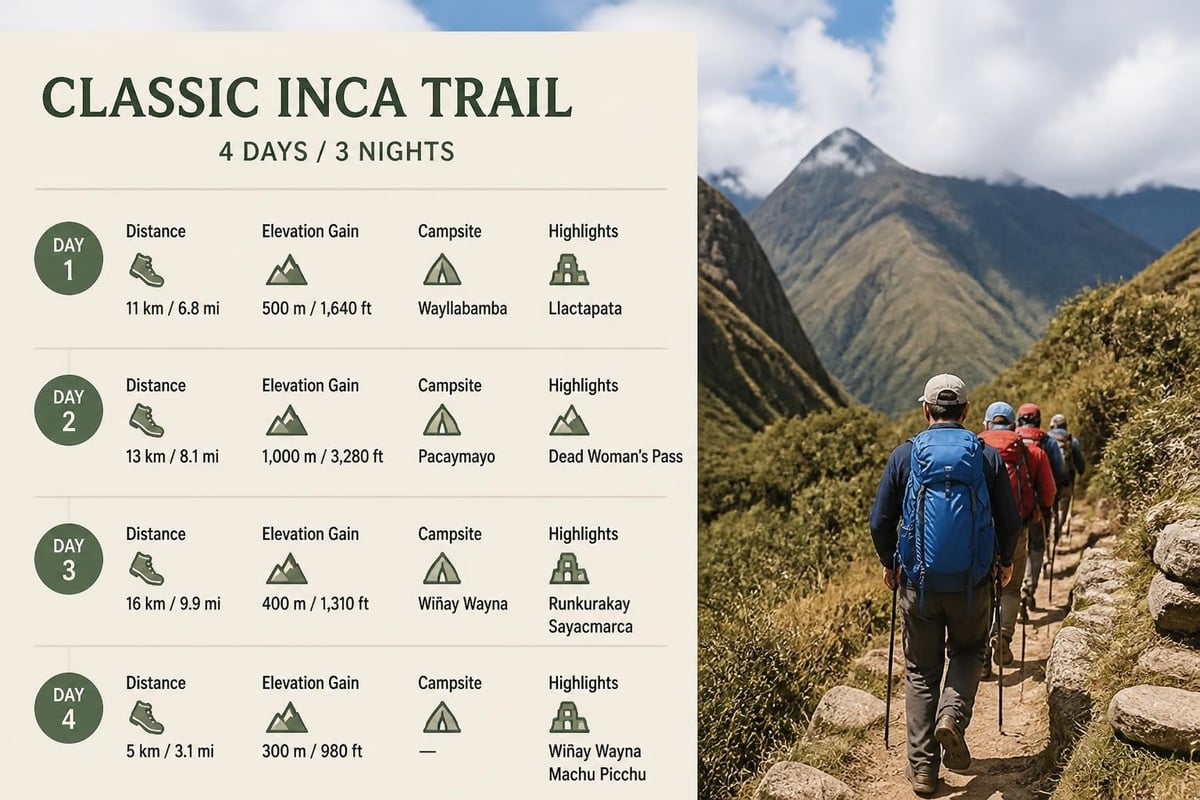
The Classic Inca Trail spans approximately 26 miles (42 kilometers) and typically takes four days and three nights to complete. This historic route begins at Kilometer 82 in the Sacred Valley and winds through diverse ecosystems, from high-altitude mountain passes to subtropical cloud forests.
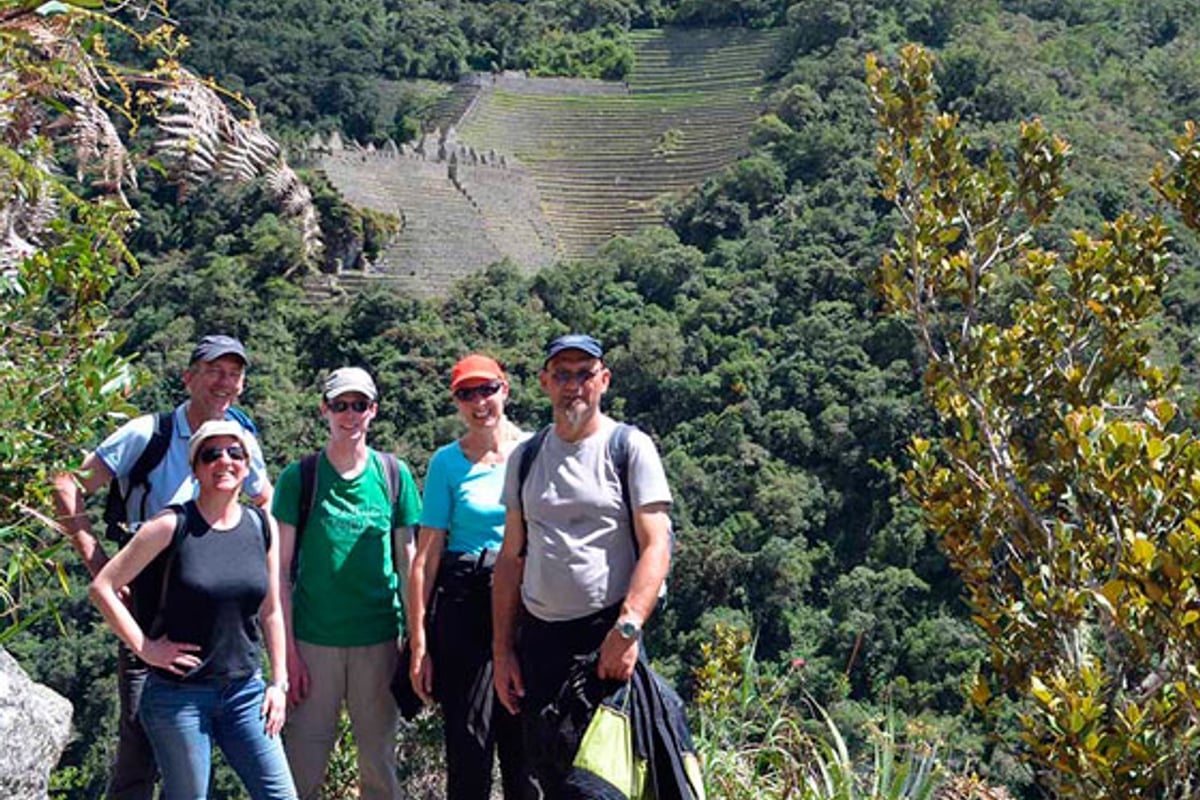
Trekkers encounter numerous archaeological sites along the way, including Llactapata, Runkurakay, Sayacmarca, Phuyupatamarca, and Wiñay Wayna. Each site offers insight into Inca engineering, agricultural practices, and religious customs. The trail reaches its highest point at Dead Woman's Pass (Warmiwañusca) at 13,828 feet (4,215 meters), testing hikers' endurance and acclimatization.
Daily Breakdown of the Classic Trek
The four-day journey follows a structured itinerary designed to balance hiking challenges with adequate rest:
Day 1: Begin at Kilometer 82 and trek approximately 7.5 miles to Wayllabamba camp (9,843 feet). This relatively gentle introduction allows hikers to warm up while enjoying valley views.
Day 2: The most challenging day involves ascending to Dead Woman's Pass before descending to Pacaymayo camp. Expect 7-8 hours of hiking with significant elevation gain.
Day 3: Cross two additional passes while visiting Runkurakay, Sayacmarca, and Phuyupatamarca ruins. Camp near Wiñay Wayna after approximately 10 miles of trekking.
Day 4: Rise early for the final push to Intipunku (Sun Gate), timed to arrive as sunrise illuminates Machu Picchu. Descend to the citadel for a guided tour.
Permits and Regulations for Inca Trail Hike Tours
The Peruvian government strictly limits Inca Trail access to protect the archaeological sites and natural environment. Only 500 permits are issued daily, including guides, porters, and trekkers. This restriction means inca trail hike tours often sell out months in advance, especially during peak season from May through September.
According to the official ticketing platform, all hikers must book through licensed tour operators; independent trekking is prohibited. Permits require passport information and cannot be transferred between individuals.
| Permit Category | Daily Limit | Booking Window | Price Range |
|---|---|---|---|
| Trekker Permits | ~200 | 6-12 months ahead | Included in tour |
| Guide Permits | ~100 | Via operator | N/A |
| Porter Permits | ~200 | Via operator | N/A |
Booking Timeline and Strategy
Experienced operators recommend booking inca trail hike tours at least six months before your intended departure date. The Historic Sanctuary of Machupicchu management announces permit availability each December for the following year, and prime dates disappear quickly.
Consider these booking strategies:
- Plan around shoulder seasons (April or October) for better availability and fewer crowds
- Be flexible with dates to increase your chances of securing permits
- Book immediately once permits open for your target year
- Choose reputable operators with proven track records and proper licensing
The Ministry of Culture regulates ticket sales and maintains strict enforcement of permit limits to preserve the trail's integrity.
Alternative Routes to Machu Picchu
While the Classic Inca Trail remains the most famous option, several alternative inca trail hike tours offer different experiences, time commitments, and difficulty levels. Understanding these options helps match the trek to your fitness level, available time, and preferences.
The Short Inca Trail condenses the experience into two days, beginning at Kilometer 104 and covering approximately 10 miles. This route includes visits to Wiñay Wayna and entrance through the Sun Gate, providing the authentic Inca Trail experience without the four-day commitment. For travelers with limited time who still want to experience hiking into Machu Picchu, the Short Inca Trail to Machu Picchu 2 Days / 1 Night offers an excellent balance of adventure and accessibility, including all necessary permits, professional guides, and accommodation in Aguas Calientes.
Comparing Trek Options
National Geographic’s hiking guide outlines several alternatives that bypass permit limitations while offering spectacular Andean scenery:
- Salkantay Trek: 5 days through diverse landscapes including snowcapped peaks, cloud forests, and coffee plantations
- Lares Trek: Cultural immersion with village visits and hot springs, 4 days
- Choquequirao Trek: Remote and challenging 9-day expedition to the "sister city" of Machu Picchu
- Inca Jungle Trek: Multi-sport adventure combining hiking, biking, and optional zip-lining over 4 days
Each alternative provides unique advantages. The Salkantay Trek offers dramatic mountain scenery without permit restrictions. The Lares Trek emphasizes cultural exchange with Andean communities. These options accommodate hikers who couldn't secure Classic Trail permits or prefer different experiences.
Physical Preparation and Fitness Requirements
Successful completion of inca trail hike tours demands adequate physical conditioning and proper acclimatization to high altitude. The combination of extended daily hiking, steep ascents, and reduced oxygen levels challenges even experienced trekkers.
Training Recommendations
Begin training at least 8-12 weeks before your departure date. Focus on building cardiovascular endurance, leg strength, and hiking-specific fitness through these activities:
- Long hikes: Progressive distance increases with weighted backpack (15-20 lbs)
- Stair climbing: Build leg strength and simulate uphill segments
- Cardiovascular exercise: Running, cycling, or swimming 3-4 times weekly
- Strength training: Squats, lunges, and core exercises twice weekly
Mental preparation matters as much as physical conditioning. Multi-day trekking requires resilience, adaptability to changing weather, and comfort with basic camping conditions.
Altitude Acclimatization Strategies
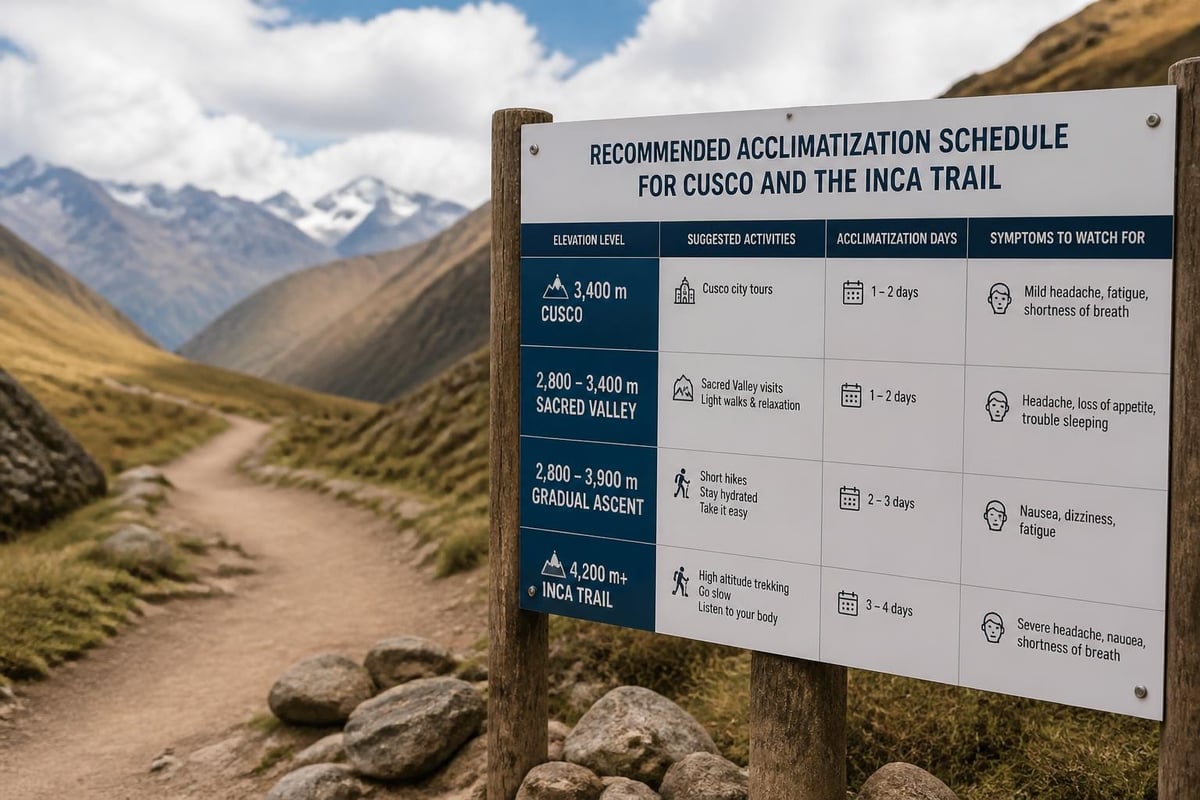
Cusco sits at 11,152 feet (3,399 meters), while the trail reaches over 13,800 feet at its highest point. The CDC’s high-altitude travel guidance emphasizes gradual acclimatization to prevent acute mountain sickness.
Best practices include:
- Arrive in Cusco 2-3 days before starting your trek
- Spend time at intermediate elevations in the Sacred Valley (9,000 feet)
- Stay hydrated with 3-4 liters of water daily
- Avoid alcohol and heavy meals during acclimatization
- Consider coca tea, a traditional remedy for altitude symptoms
- Ascend gradually and listen to your body's signals
Symptoms like headache, nausea, fatigue, and shortness of breath are common initially. These typically resolve with rest and time. Severe symptoms require immediate descent and medical attention.
Packing Essentials and Gear Guide
Proper equipment significantly impacts comfort and success on inca trail hike tours. The Andes experience dramatic temperature variations, from freezing nights to warm afternoons, requiring layered clothing and versatile gear.
Lonely Planet’s packing essentials recommend organizing gear into categories: sleeping, clothing, footwear, and accessories.
| Category | Essential Items | Optional Upgrades |
|---|---|---|
| Clothing | Moisture-wicking base layers, insulated jacket, rain gear, hiking pants | Down jacket, convertible pants |
| Footwear | Broken-in hiking boots, camp shoes, wool socks (3-4 pairs) | Gaiters, trekking sandals |
| Sleeping | Sleeping bag (0°F rating), liner, headlamp with extra batteries | Inflatable pillow |
| Accessories | Sun hat, sunglasses, sunscreen (SPF 50+), trekking poles, water bottles | Camera, portable charger |
Clothing Layering System
Temperature management through layering prevents both overheating during ascents and dangerous cold during rest periods:
- Base layer: Synthetic or merino wool for moisture management
- Insulation layer: Fleece or synthetic jacket for warmth
- Outer layer: Waterproof, breathable rain jacket and pants
Avoid cotton clothing, which retains moisture and loses insulating properties when wet. Technical fabrics dry quickly and maintain warmth even in damp conditions.
Weight Management and Porter Services
Tour operators provide porters who carry group equipment and personal gear up to 15-17 pounds per trekker. Pack your daypack with essentials needed during hiking: water, snacks, camera, rain gear, and sun protection. Heavier items go in your duffel bag for porter transport between camps.
Respect weight limits to ensure fair treatment of porters, who play crucial roles in making inca trail hike tours possible while following regulations that protect their wellbeing.
Best Time to Hike the Inca Trail
Seasonal variations dramatically affect trail conditions, weather patterns, permit availability, and overall experience. Understanding Peru's climate patterns helps optimize your timing for inca trail hike tours.
Dry Season (May – September)
Peak season offers the most reliable weather with minimal rainfall, clear mountain views, and ideal hiking conditions. Daytime temperatures range from 60-70°F (15-21°C), while nights drop near freezing.
Advantages:
- Clearest skies and best photography opportunities
- Lowest rainfall probability
- Most established trail conditions
- Optimal visibility at archaeological sites
Disadvantages:
- Highest demand for permits
- Maximum trail crowding
- Premium pricing for tours
- Less vibrant vegetation
Shoulder Seasons (April and October)
These transition months balance good weather with reduced crowds and better permit availability. April marks the end of the wet season with increasingly stable conditions, while October begins the transition back to rainy weather.
Moderate temperatures and occasional rain create lush, green landscapes. Wildflowers bloom in April, adding color to mountain vistas. Permit availability improves significantly compared to peak months.
Wet Season (November – March)
Heavy rainfall from December through February creates challenging conditions. The Peruvian government closes the trail entirely each February for maintenance and environmental recovery.
However, November and March offer viable options for budget-conscious travelers willing to accept weather uncertainty. Tour operators reduce prices, permits are readily available, and trail traffic decreases substantially. Pack comprehensive rain protection and waterproof bags for gear.
Choosing a Reputable Tour Operator
Quality varies significantly among companies offering inca trail hike tours. Selecting a responsible, experienced operator affects safety, comfort, environmental impact, and support for local communities.
Evaluation Criteria
Research potential operators using these key factors:
Licensing and credentials: Verify the company holds current permits from Peru's Ministry of Culture and operates as a registered tour agency. Licensed operators maintain insurance, follow safety protocols, and contribute to trail maintenance.
Porter treatment: Ethical operators follow porter welfare guidelines established by the Peruvian government, including maximum weight limits (55 pounds total), proper equipment provision, fair wages, and appropriate accommodations.
Group size: Smaller groups (8-12 people) provide more personalized attention, better environmental impact, and enhanced flexibility compared to large groups of 16+ hikers.
Guide qualifications: Professional guides should speak fluent English, possess extensive Inca history knowledge, hold wilderness first aid certification, and demonstrate years of trail experience.
Equipment quality: Inspect tent specifications, sleeping bag temperature ratings, dining arrangements, and toilet facilities. Higher-quality operators invest in superior equipment that enhances comfort and safety.
Reading Reviews and Testimonials
Recent visitor feedback reveals operational realities beyond marketing claims. Look for consistent patterns across multiple review platforms regarding guide knowledge, food quality, equipment condition, and overall organization.
Pay attention to how companies respond to criticism. Professional operators address concerns directly, implement improvements, and maintain transparent communication with past clients.
Environmental Responsibility and Leave No Trace
The Inca Trail's popularity creates environmental pressures requiring conscious stewardship from all participants. Responsible inca trail hike tours implement practices that minimize ecological impact and preserve the trail for future generations.
Core Principles
Waste management: Proper tour operators carry out all trash, including organic waste. Human waste gets managed through portable toilet systems at designated campsites. Never leave anything behind, including biodegradable items like fruit peels or food scraps.
Trail etiquette: Stay on established paths to prevent erosion and vegetation damage. Shortcuts cut across fragile terrain and accelerate environmental degradation. Respect archaeological sites by observing without touching ancient structures.
Water conservation: Use biodegradable soap at least 200 feet from water sources. Minimize water usage and never pollute streams or lakes used by downstream communities.
Supporting Local Communities
Choose operators that employ local guides and porters, purchase supplies from Andean communities, and invest in regional development projects. This economic support helps preserve traditional cultures while providing sustainable livelihoods.
Recent visitor statistics from Peruvian news agency ANDINA highlight capacity challenges at Machu Picchu, underscoring the importance of responsible tourism practices. Spreading visits across alternative routes and shoulder seasons reduces pressure on the Classic Inca Trail.
Cultural Insights and Historical Context
Understanding Inca civilization enriches the trekking experience beyond physical accomplishment. The trail served as one of many qhapaq ñan (royal roads) connecting the vast Inca Empire, facilitating communication, trade, and religious pilgrimages.
Archaeological Significance
Each ruin along the route served specific purposes within Inca society. Llactapata functioned as an administrative center and checkpoint. Runkurakay likely served as a tambo (rest house) for travelers. Sayacmarca's defensive position suggests military importance. Phuyupatamarca ("Town Above the Clouds") held ceremonial significance with its ritual baths and temple structures.
Wiñay Wayna, the final major site before Machu Picchu, demonstrates sophisticated agricultural terracing and water management. Its name means "Forever Young," referencing an orchid species that blooms year-round in the region.
Inca Engineering Mastery
The trail itself showcases remarkable engineering adapted to extreme terrain. Inca builders created:
- Precisely fitted stone steps that have endured 500+ years of use
- Drainage systems preventing erosion during heavy rains
- Retaining walls stabilizing steep mountainsides
- Strategic routing that balances directness with gradual elevation changes
Modern maintenance preserves these ancient techniques while implementing contemporary conservation methods to protect the trail's integrity.
Health and Safety Considerations
Medical preparedness and risk awareness ensure safe completion of inca trail hike tours. Remote locations, altitude challenges, and physical demands require proactive health management.
Common Health Challenges
Altitude sickness: The most prevalent concern affects 25-50% of trekkers to some degree. Symptoms range from mild headaches to severe nausea and breathing difficulties. Prevention through gradual acclimatization remains the most effective strategy.
Blisters and foot problems: Properly broken-in boots, moisture-wicking socks, and moleskin or blister pads prevent most issues. Address hot spots immediately before they develop into painful blisters.
Digestive issues: Changes in diet, altitude, and water sources can cause stomach upset. Carry anti-diarrheal medication, stay hydrated, and eat conservatively during acclimatization.
Sun exposure: Intense UV radiation at high altitude causes rapid sunburn. Apply SPF 50+ sunscreen every two hours, wear wide-brimmed hats, and use lip balm with sun protection.
First Aid and Emergency Protocols
Reputable operators carry comprehensive first aid supplies and maintain communication equipment for emergencies. Evacuation routes exist at several points along the trail for serious medical situations.
Personal medication should include:
- Altitude sickness medication (Diamox) prescribed by your doctor
- Pain relievers (ibuprofen and acetaminophen)
- Anti-nausea medication
- Antibiotic ointment and bandages
- Personal prescription medications with extras
- Water purification tablets as backup
Communicate any pre-existing conditions or concerns to your tour operator during booking. Guides receive training in wilderness first aid and altitude illness recognition.
Photography Tips for the Inca Trail
Capturing the stunning scenery and archaeological wonders requires planning, proper equipment, and technical knowledge. The combination of dramatic landscapes, ancient ruins, and challenging lighting conditions presents unique photographic opportunities.
Equipment Recommendations
Camera selection: DSLR or mirrorless cameras offer maximum flexibility and quality. However, modern smartphones capture excellent images with less weight and complexity. Bring adequate batteries and memory cards, as charging opportunities are limited.
Essential accessories: Lightweight tripod for low-light situations, polarizing filter to reduce glare and enhance sky contrast, lens cleaning cloth for dust and moisture, and waterproof camera bag or dry sack.
Timing and Composition Strategies
Golden hour lighting (early morning and late afternoon) provides the most dramatic illumination of mountain peaks and ruins. Plan photography sessions around these optimal times rather than harsh midday sun.
Sunrise at the Sun Gate overlooking Machu Picchu represents the trek's most iconic shot. Position yourself early to secure prime viewing spots and capture the citadel as morning light gradually reveals its terraces and temples.
Incorporate scale by including fellow hikers in landscape shots. This technique communicates the magnitude of mountains and ancient structures while adding human interest to compositions.
Dining and Culinary Experiences
Food quality and variety on inca trail hike tours often surprises first-time trekkers. Professional operators employ skilled cooks who prepare fresh, nutritious meals using portable kitchen equipment at each campsite.
Typical Menu and Meal Structure
Breakfast: Hot beverages (coffee, tea, coca tea), porridge or pancakes, eggs prepared multiple ways, fresh fruit, bread with jam and butter. Meals provide sustained energy for demanding hiking days.
Lunch: Often served as packed meals during trail segments or prepared at scenic rest stops. Expect sandwiches, fresh vegetables, local cheese, fruits, and snacks.
Dinner: Multi-course affairs featuring soup starters, main courses (chicken, trout, or vegetarian options), vegetables, rice or quinoa, and desserts. Cooks accommodate dietary restrictions with advance notice.
Snacks: Trail mix, chocolate, fresh fruit, and crackers available throughout the day. Maintain energy levels with frequent small snacks rather than large meals.
Professional dining tents provide shelter from weather and comfortable seating. The quality and creativity of trail cuisine demonstrates Peru's rich culinary heritage even in remote mountain settings.
Final Preparations and Travel Logistics
The weeks before departure require finalizing details, completing preparations, and organizing travel logistics to ensure smooth transitions from arrival in Peru through trek completion.
Pre-Departure Checklist
- Confirm permit details with your tour operator and verify passport information matches exactly
- Purchase travel insurance covering high-altitude trekking, medical evacuation, and trip cancellation
- Complete physical training and test all gear during training hikes
- Receive recommended vaccinations and consult with a travel medicine specialist
- Arrange Cusco accommodation for acclimatization days before and after the trek
- Organize international flights with buffer days for potential delays
Arrival in Cusco
Most international travelers fly into Lima before taking domestic flights to Cusco. Allow extra time for connections, as weather occasionally delays flights to Cusco's high-altitude airport.
Spend your first day resting and exploring Cusco at a gentle pace. Visit the main plaza, browse artisan markets, and sample local cuisine while your body adjusts to elevation. The second day might include light activities like city tours or short trips to nearby ruins at lower elevations.
Money matters require attention. Carry cash in Peruvian soles for tips, additional snacks, or souvenir purchases in Aguas Calientes. ATMs in Cusco offer better exchange rates than airport currency exchanges. Credit cards work at established restaurants and shops but cash remains essential for smaller transactions.
The Inca Trail represents far more than a challenging hike-it's a transformative journey through history, culture, and some of Earth's most spectacular landscapes. Proper planning, physical preparation, and choosing the right tour operator transform this bucket-list adventure into a safe, comfortable, and deeply meaningful experience. Whether you're drawn to the Classic four-day route or prefer alternative treks, Machupicchu Trips offers locally-led tours designed to help you explore the Andes and discover Machu Picchu's magic. Their experienced guides, comprehensive itineraries, and commitment to authentic Peruvian experiences ensure your journey becomes an unforgettable adventure tailored to your interests and abilities.