
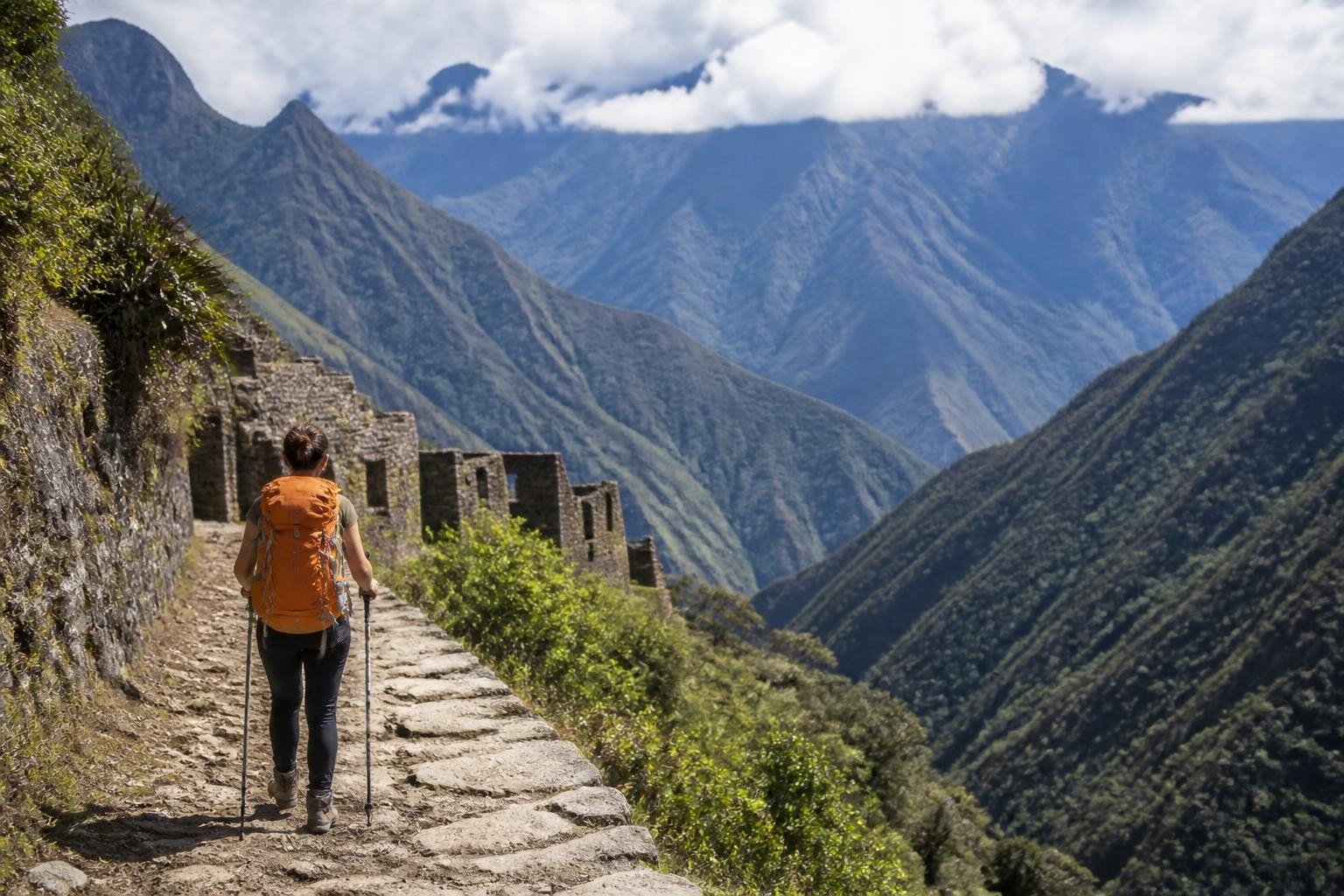
The journey to hike the Inca Trail tour represents one of the most sought-after trekking experiences in the world. This ancient network of stone pathways, built by the Inca Empire centuries ago, winds through cloud forests, alpine tundra, and subtropical vegetation before culminating at the Sun Gate overlooking Machu Picchu. For travelers seeking an authentic connection with Andean history and breathtaking mountain scenery, understanding the logistics, preparation requirements, and booking process ensures a successful adventure along this legendary route.
Understanding the Classic Inca Trail Route
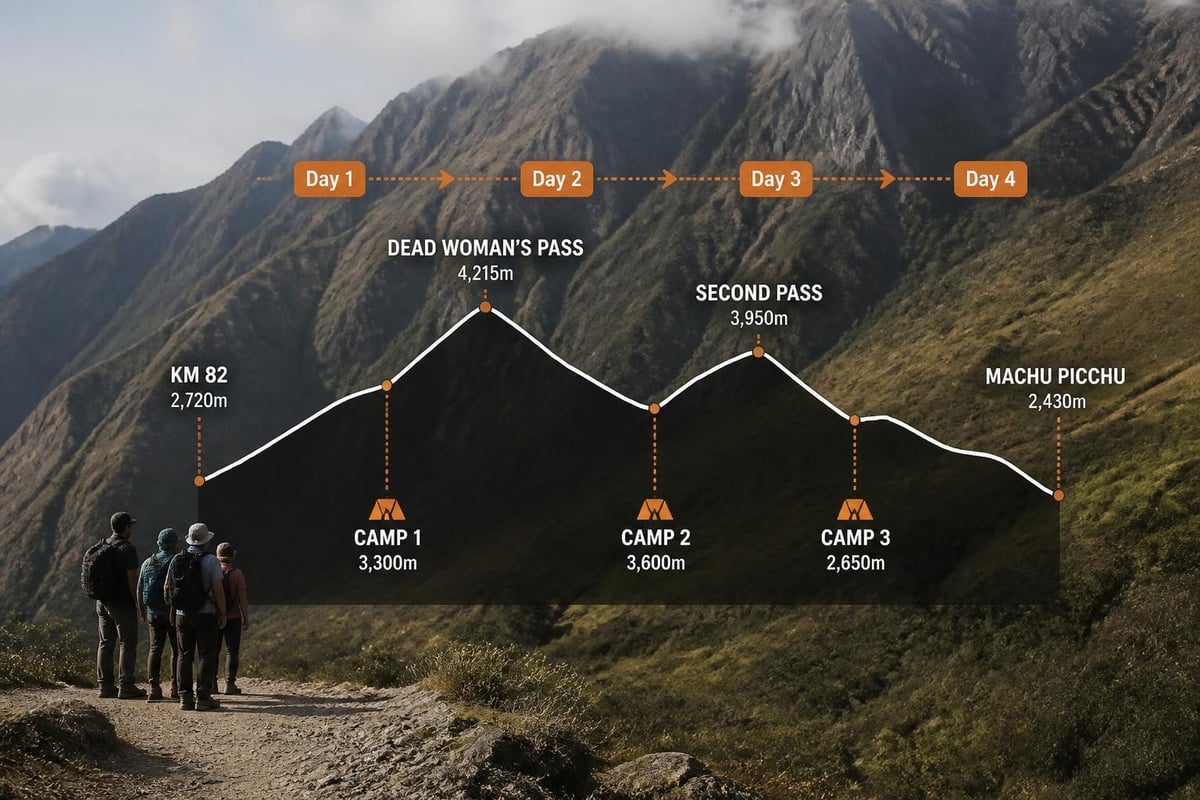
The traditional four-day trek covers approximately 26 miles through the Andes Mountains, ascending to Dead Woman's Pass at 13,828 feet before descending toward the ancient citadel. This route passes through multiple ecological zones and showcases remarkable Inca engineering with original stone staircases, tunnels, and archaeological sites.
Daily Breakdown of the Trek
Each day on the trail presents distinct challenges and rewards that shape the overall experience:
Day One: Kilometer 82 to Wayllabamba
- Distance: 7.5 miles
- Elevation gain: 2,625 feet
- Terrain: Gentle ascent through agricultural valleys
- Highlights: Patallacta ruins, Vilcanota River views
Day Two: Wayllabamba to Pacaymayo
- Distance: 7 miles
- Elevation gain: 3,937 feet (to Dead Woman's Pass)
- Terrain: Steep switchbacks, alpine conditions
- Challenges: Highest altitude point of the trek
Day Three: Pacaymayo to Wiñay Wayna
- Distance: 10 miles
- Elevation change: Mixed ascents and descents
- Features: Multiple archaeological sites, cloud forest passage
- Sites visited: Runkurakay, Sayacmarca, Phuyupatamarca
Day Four: Wiñay Wayna to Machu Picchu
- Distance: 2.5 miles
- Timing: Pre-dawn departure
- Destination: Sun Gate arrival, Machu Picchu guided tour
The Peruvian government regulates access to protect this UNESCO World Heritage site, limiting daily permits to 500 trekkers plus guides and porters.
Permit Requirements and Booking Strategy
Securing permits represents the most critical aspect when planning to hike the Inca Trail tour. The Peruvian Ministry of Culture releases permits months in advance, and popular dates sell out within hours of becoming available.
Permit Allocation Timeline
| Booking Window | Peak Season Availability | Off-Season Availability |
|---|---|---|
| 6+ months advance | Essential for May-September | Recommended |
| 3-6 months advance | Limited availability | Good availability |
| 1-3 months advance | Unlikely for peak season | Possible for some dates |
| Less than 1 month | Very rare cancellations only | Last-minute options exist |
All permits must be purchased through authorized tour operators, as independent hiking is prohibited on the classic route. This regulation ensures proper waste management, trail maintenance, and safety standards while supporting local communities.
The official guidelines from SERNANP detail visitor responsibilities and conservation measures that protect the Historic Sanctuary of Machu Picchu.
What Your Permit Includes
- Entry to the Inca Trail network for specified dates
- Access to designated campsites
- Entrance to Machu Picchu citadel on final day
- Non-transferable, passport-verified authorization
Permit holders must present their original passport matching the booking information at trail checkpoints. Name changes or passport renewals after booking require additional documentation and potential fees.
Physical Preparation and Training
Successfully completing the trek demands cardiovascular fitness, leg strength, and altitude adaptation. Most hikers benefit from a structured training program beginning three to six months before departure.
Recommended Training Schedule
Months 4-6 Before Trek:
- Cardiovascular exercise three to four times weekly
- Hiking with gradual weight addition in backpack
- Stair climbing or step machine sessions
- Core strengthening exercises
Months 2-3 Before Trek:
- Weekend hikes of 6-8 miles with elevation gain
- Backpack weight matching trek day pack (10-15 pounds)
- Altitude simulation training if available
- Leg-strengthening exercises (squats, lunges, step-ups)
Final Month:
- Practice hikes at maximum anticipated distance
- Test all gear during training sessions
- Taper exercise one week before departure
- Focus on flexibility and recovery
The CDC’s guidance on high-altitude travel provides essential medical advice for preventing acute mountain sickness and recognizing symptoms requiring immediate attention.
Altitude Acclimatization Protocol
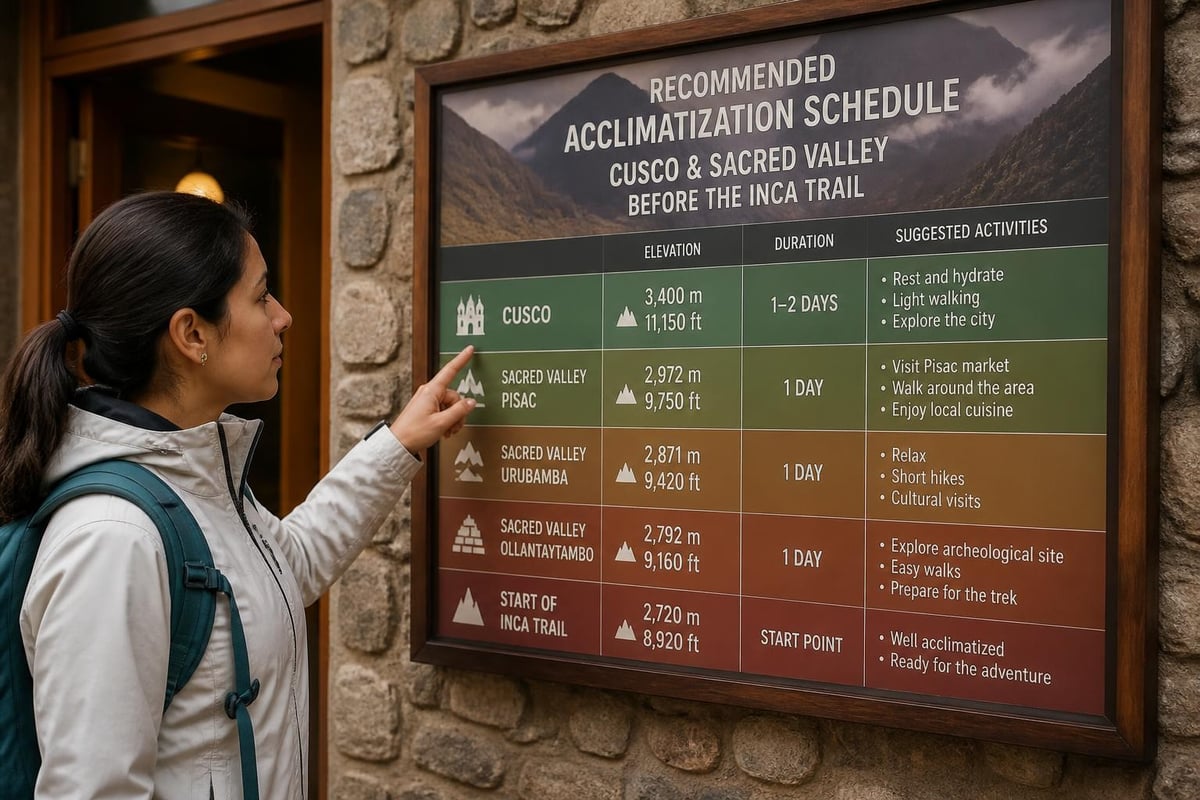
Cusco sits at 11,152 feet elevation, requiring careful acclimatization before attempting the higher passes on the trail. Experienced trekkers recommend spending minimum three days in Cusco or the Sacred Valley before starting the hike the Inca Trail tour.
Effective Acclimatization Activities:
- Walking tours of Cusco at moderate pace
- Day trips to nearby archaeological sites
- Sacred Valley exploration at lower elevations
- Gradual increase in physical exertion
- Adequate hydration (3-4 liters daily)
- Avoidance of alcohol during first 48 hours
Essential Gear and Packing List
Proper equipment significantly impacts comfort and safety throughout the four-day journey. Temperature variations range from freezing nights at high camps to warm afternoons in lower elevations.
Clothing Layers System
| Layer Type | Purpose | Recommended Items |
|---|---|---|
| Base Layer | Moisture wicking | Synthetic or merino wool shirts, long underwear |
| Insulation Layer | Warmth retention | Fleece jacket, down vest, thermal layers |
| Outer Layer | Weather protection | Waterproof rain jacket, rain pants, windbreaker |
| Extremities | Protection | Warm hat, sun hat, gloves, hiking socks (3-4 pairs) |
Technical Equipment Checklist
- Footwear: Broken-in hiking boots with ankle support, camp shoes
- Backpack: 30-40 liter daypack for personal items
- Sleep System: Four-season sleeping bag rated to 15°F
- Trekking Poles: Adjustable poles for descent support
- Headlamp: With extra batteries for pre-dawn final day
- Water System: 3-liter capacity (bottles or hydration bladder)
- Sun Protection: Sunscreen SPF 50+, lip balm, sunglasses
Tour operators provide tents, sleeping mats, dining equipment, and porter services for main luggage up to 15 pounds per person. Personal day packs should contain only essentials needed during hiking hours.
Choosing the Right Tour Operator
Quality varies significantly among the hundreds of companies offering Inca Trail packages. Evaluating operators based on specific criteria ensures ethical practices, safety standards, and positive experiences.
Operator Evaluation Criteria
Porter Treatment and Wages:
- Compliance with weight limits (55 pounds maximum)
- Fair compensation exceeding minimum standards
- Proper equipment provision (tents, sleeping bags, footwear)
- Social security and insurance coverage
Environmental Practices:
- Leave No Trace principles adherence
- Proper waste management systems
- Reusable or biodegradable supplies
- Conservation contributions
Guide Qualifications:
- Official Ministry of Culture licensing
- First aid and emergency response training
- Cultural and archaeological expertise
- English language proficiency verification
Group Size and Support:
- Maximum group size policies
- Guide-to-trekker ratios
- Emergency communication equipment
- Evacuation protocols and insurance
National Geographic’s Peru travel guidance offers comprehensive context on responsible tourism choices and sustainable trekking practices in the region.
For travelers seeking a shorter alternative that still captures the magic of the ancient pathway, the Short Inca Trail to Machu Picchu 2 Days / 1 Night provides an excellent option with the highlight of entering through the Sun Gate without requiring extensive time commitment.
Alternative Routes and Options
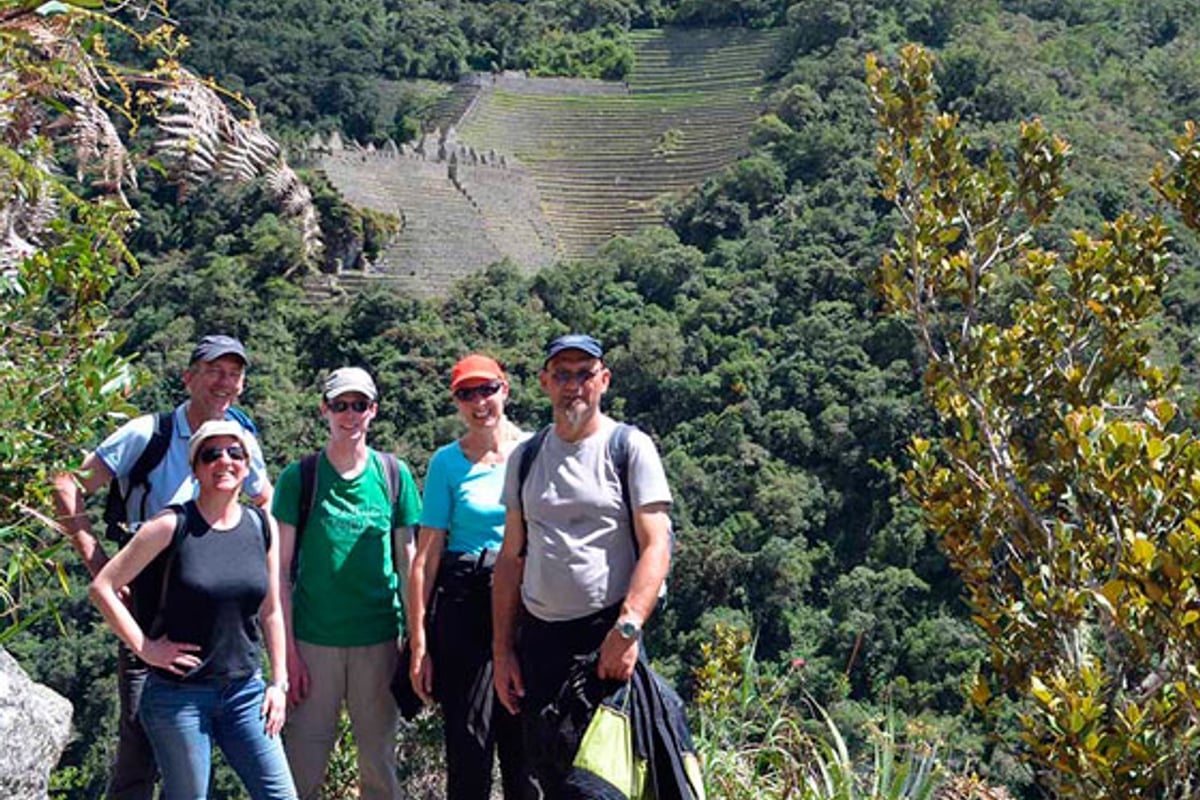
While the classic four-day trek remains most famous, several alternatives accommodate different fitness levels, time constraints, and permit availability when planning to hike the Inca Trail tour.
Route Comparison
| Route | Duration | Difficulty | Permits Required | Crowds |
|---|---|---|---|---|
| Classic Inca Trail | 4 days | Moderate-Challenging | Yes (500/day) | High |
| Short Inca Trail | 2 days | Moderate | Yes (250/day) | Moderate |
| Salkantay Trek | 5 days | Challenging | No | Moderate |
| Lares Trek | 4 days | Moderate | No | Low |
| Quarry Trail | 4 days | Moderate | Yes (limited) | Low |
The Short Inca Trail begins at Kilometer 104, covering the final section with visits to Wiñay Wayna before reaching the Sun Gate. This condensed version suits travelers with limited time or those preferring less strenuous hiking.
When Classic Trail Permits Are Unavailable
February closes the classic Inca Trail for annual maintenance, and permits sell out months ahead for peak season. Alternative strategies include:
- Flexibility with dates: Mid-week departures often have better availability
- Shoulder season travel: April or October offer fewer crowds
- Alternative trek selection: Salkantay or Lares routes provide spectacular scenery
- Train and bus combination: Direct access to Aguas Calientes and Machu Picchu
Lonely Planet’s comprehensive Inca Trail overview provides detailed comparisons of route options and practical logistics for each alternative.
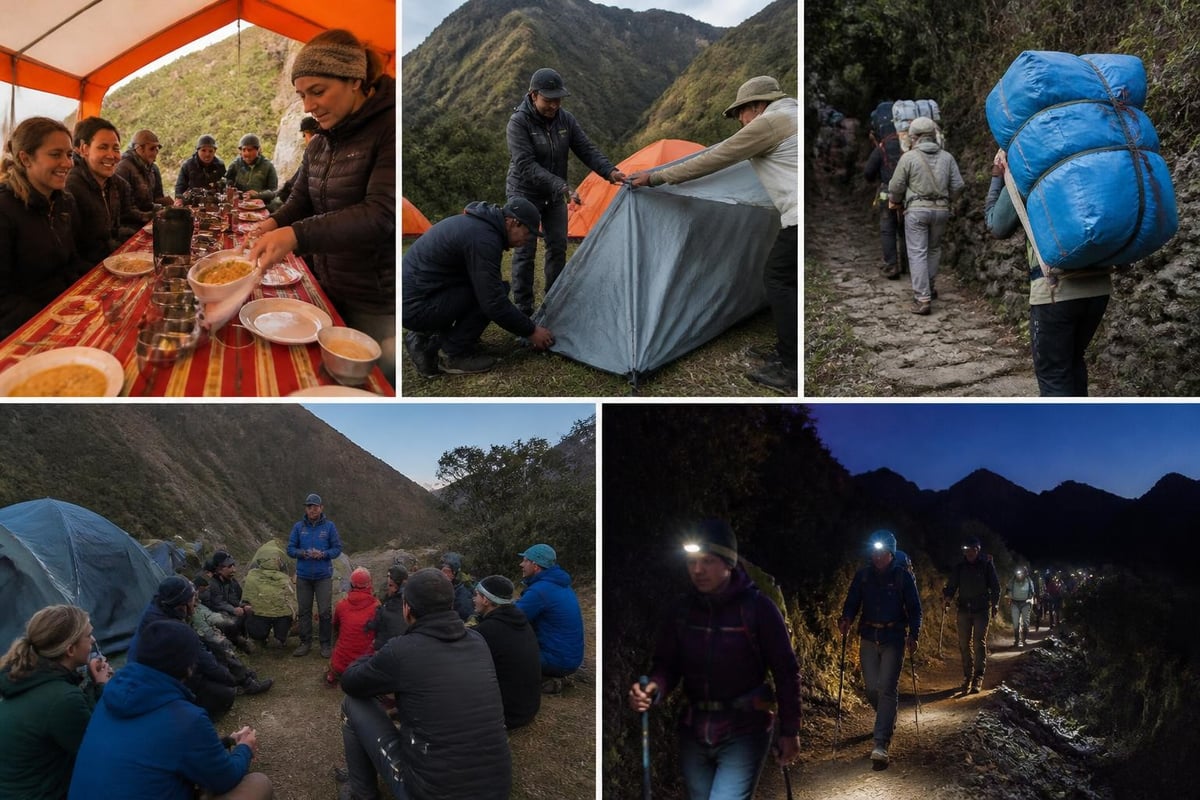
What to Expect During the Trek
Understanding daily routines, meal arrangements, and camping conditions helps set realistic expectations for the four-day journey to hike the Inca Trail tour.
Typical Daily Schedule
5:30 AM: Wake-up call with coca tea delivered to tent
6:00 AM: Breakfast in dining tent
7:00 AM: Pack personal items, porter tent breakdown begins
7:30 AM: Hiking commences
12:30 PM: Lunch at designated rest area
4:00 PM: Arrive at next campsite
6:30 PM: Dinner service
7:30 PM: Evening briefing for next day
9:00 PM: Lights out
Meal Service and Dietary Accommodations
Professional trail cooks prepare three meals daily plus afternoon snacks using fresh ingredients. Menus typically include:
Breakfast Options:
- Pancakes, eggs, oatmeal, fresh fruit
- Bread, jam, cheese
- Hot beverages (coffee, tea, hot chocolate)
Lunch and Dinner:
- Soup courses
- Main dishes (chicken, trout, vegetarian options)
- Carbohydrate sources (rice, potatoes, quinoa)
- Fresh salads and vegetables
- Desserts
Dietary restrictions including vegetarian, vegan, gluten-free, and allergies can be accommodated with advance notice to tour operators. Water purification systems or boiled water provisions ensure safe hydration throughout the trek.
Cultural and Historical Context
The Inca Trail served as a sacred pilgrimage route connecting Cusco to Machu Picchu, with ceremonial sites positioned at strategic intervals. Understanding this cultural significance enriches the trekking experience beyond physical achievement.
Major Archaeological Sites Along the Route
Llactapata (Patallacta):
- Agricultural and administrative complex
- First major ruins encountered on Day One
- Terracing demonstrates Inca farming techniques
Runkurakay:
- Circular structure likely serving as tambo (rest station)
- Strategic position overlooking valley
- Day Three highlight with restored sections
Sayacmarca:
- "Inaccessible Town" perched on cliff edge
- Complex water channel system
- Exceptional stonework quality
Phuyupatamarca:
- "Town Above the Clouds"
- Elaborate ceremonial baths
- Panoramic views of surrounding peaks
Wiñay Wayna:
- Extensive agricultural terraces
- Religious and residential sectors
- Final major site before Sun Gate
The World Monuments Fund’s conservation work in the Sacred Valley highlights ongoing efforts to preserve these invaluable archaeological treasures against environmental and visitor pressures.
Health and Safety Considerations
Medical preparation and risk awareness contribute to safe completion of the trek. Common challenges include altitude sickness, weather exposure, and trail injuries.
Common Health Concerns
Altitude Sickness (Soroche):
- Symptoms: Headache, nausea, fatigue, dizziness
- Prevention: Gradual acclimatization, hydration, coca tea
- Treatment: Descent to lower elevation if severe
Blister Prevention:
- Well-fitted, broken-in boots
- Moisture-wicking sock systems
- Immediate attention to hot spots
- Blister treatment supplies in first aid kit
Weather-Related Issues:
- Hypothermia risk at high camps
- Sun exposure at high altitude
- Rain and wet conditions (especially November-March)
- Layering system for temperature regulation
Essential First Aid Supplies
- Altitude sickness medication (consult physician)
- Pain relievers and anti-inflammatories
- Blister treatment (moleskin, athletic tape)
- Antibacterial ointment
- Bandages and gauze
- Diamox (prescription altitude medication)
- Personal prescription medications
- Electrolyte supplements
All reputable tour operators carry comprehensive first aid supplies and guides maintain emergency communication devices for serious medical situations requiring evacuation.
Best Times to Hike the Inca Trail
Seasonal variations significantly impact weather conditions, trail crowds, and overall experience quality when planning to hike the Inca Trail tour.
Monthly Breakdown
| Month | Weather | Crowds | Advantages | Disadvantages |
|---|---|---|---|---|
| January | Rainy | Low | Fewer hikers, green landscapes | Trail closures possible |
| February | Rainy | Closed | Trail maintenance month | Not available |
| March | Wet | Low | Spring blooms, availability | Muddy conditions |
| April | Transitional | Moderate | Improving weather, wildflowers | Variable conditions |
| May | Dry | High | Ideal conditions, clear views | Premium pricing, crowds |
| June | Dry | Very High | Perfect weather, festivals | Maximum crowds |
| July | Dry | Very High | Clear skies, peak season | Highest prices |
| August | Dry | Very High | Excellent visibility | Very competitive booking |
| September | Dry | High | Good weather, slightly fewer crowds | Still busy |
| October | Transitional | Moderate | Shoulder season advantages | Increasing rain chance |
| November | Rainy | Low | Availability, lower prices | Wet trail conditions |
| December | Rainy | Moderate | Holiday season atmosphere | Weather uncertainty |
Dry Season (May-September): Represents peak trekking season with minimal rainfall, clear mountain views, and comfortable daytime temperatures. Permits sell out fastest during these months, requiring booking six months or more in advance.
Shoulder Season (April, October): Offers balanced conditions with improving or transitional weather, moderate crowds, and better permit availability. Risk of rain increases but remains manageable with proper gear.
Rainy Season (November-January, March): Features lower prices, excellent availability, and lush green landscapes. Higher precipitation requires quality rain gear and acceptance of potentially muddy trails and obscured mountain views.
Responsible Trekking Practices
Sustainable tourism principles protect the trail environment and support local communities that depend on Inca Trail tourism for livelihoods.
Leave No Trace Principles
- Pack out all trash including organic waste
- Use designated bathroom facilities only
- Stay on marked trails to prevent erosion
- Respect archaeological sites without touching structures
- Minimize noise pollution respecting other hikers
- Support local economies through ethical operators
Supporting Porter Welfare
The physical demands on porters carrying camping equipment, food supplies, and trekker luggage require industry-wide standards for fair treatment:
Porter Protection Guidelines:
- Maximum load limits strictly enforced
- Proper footwear and clothing provision
- Equal meal quality to trekkers
- Adequate sleeping equipment
- Fair wages exceeding regional minimums
- Insurance coverage for accidents
Choosing operators committed to porter welfare ensures ethical practices and contributes to positive social impact within local communities.
Cost Considerations and Budgeting
Understanding price variations and what factors influence cost helps travelers make informed decisions when selecting tour packages to hike the Inca Trail tour.
Typical Price Ranges
Budget Operators: $500-$700
- Large group sizes (12-16 people)
- Basic meals and equipment
- Minimal extras included
- Lower porter wages common
Mid-Range Operators: $700-$1,000
- Moderate group sizes (8-12 people)
- Quality meals and equipment
- Professional guides
- Ethical porter treatment
Premium Operators: $1,000-$1,500+
- Small group sizes (6-8 people)
- Gourmet meals, superior equipment
- Expert guides, luxury touches
- Maximum porter welfare standards
- Additional services included
What Influences Pricing
- Group size and guide ratios
- Meal quality and variety
- Equipment standards
- Porter treatment and wages
- Additional inclusions (hotel nights, train upgrades)
- Operator's ethical commitments
- Peak versus off-season timing
Essential Documents and Paperwork
Proper documentation prevents complications at checkpoints and ensures smooth processing throughout the journey.
Required Documentation
- Valid Passport: Original document matching permit booking
- Permit Confirmation: Printed or digital copy
- Student Discount Proof: Valid ISIC card if applicable (must be current)
- Travel Insurance: Recommended coverage for evacuation and medical
- Emergency Contact Information: Provided to tour operator
- Medical Conditions Disclosure: Relevant health information for guides
Student discounts apply only with valid international student identification cards issued before booking. Age verification for discounts requires documentation proof at checkpoints.
Training Your Mind for the Challenge
Mental preparation proves equally important as physical conditioning when undertaking multi-day treks at high altitude. Psychological readiness helps manage discomfort, fatigue, and challenging moments.
Mental Preparation Strategies
Set Realistic Expectations:
- Acknowledge the trek's difficulty honestly
- Accept that discomfort is temporary
- Focus on incremental progress rather than final destination
- Understand that challenging moments create meaningful memories
Develop Coping Techniques:
- Breaking days into manageable segments
- Positive self-talk during difficult sections
- Mindfulness and present-moment focus
- Gratitude practice for the opportunity
- Connection with fellow trekkers for support
Visualize Success:
- Mental rehearsal of challenging passes
- Imagining the Sun Gate arrival
- Picturing yourself at Machu Picchu
- Reviewing route maps and elevations
The combination of physical preparation, proper gear, ethical operator selection, and mental readiness creates the foundation for successfully completing this bucket-list adventure to hike the Inca Trail tour.
Planning to hike the Inca Trail tour requires careful preparation across permits, training, gear selection, and operator choice, but the reward of walking ancient Inca pathways to Machu Picchu creates memories lasting a lifetime. Machupicchu Trips specializes in locally-led Inca Trail experiences with expert guides, ethical porter treatment, and comprehensive support ensuring your trek succeeds from the first step at Kilometer 82 to your arrival at the Sun Gate overlooking the Lost City of the Incas.