
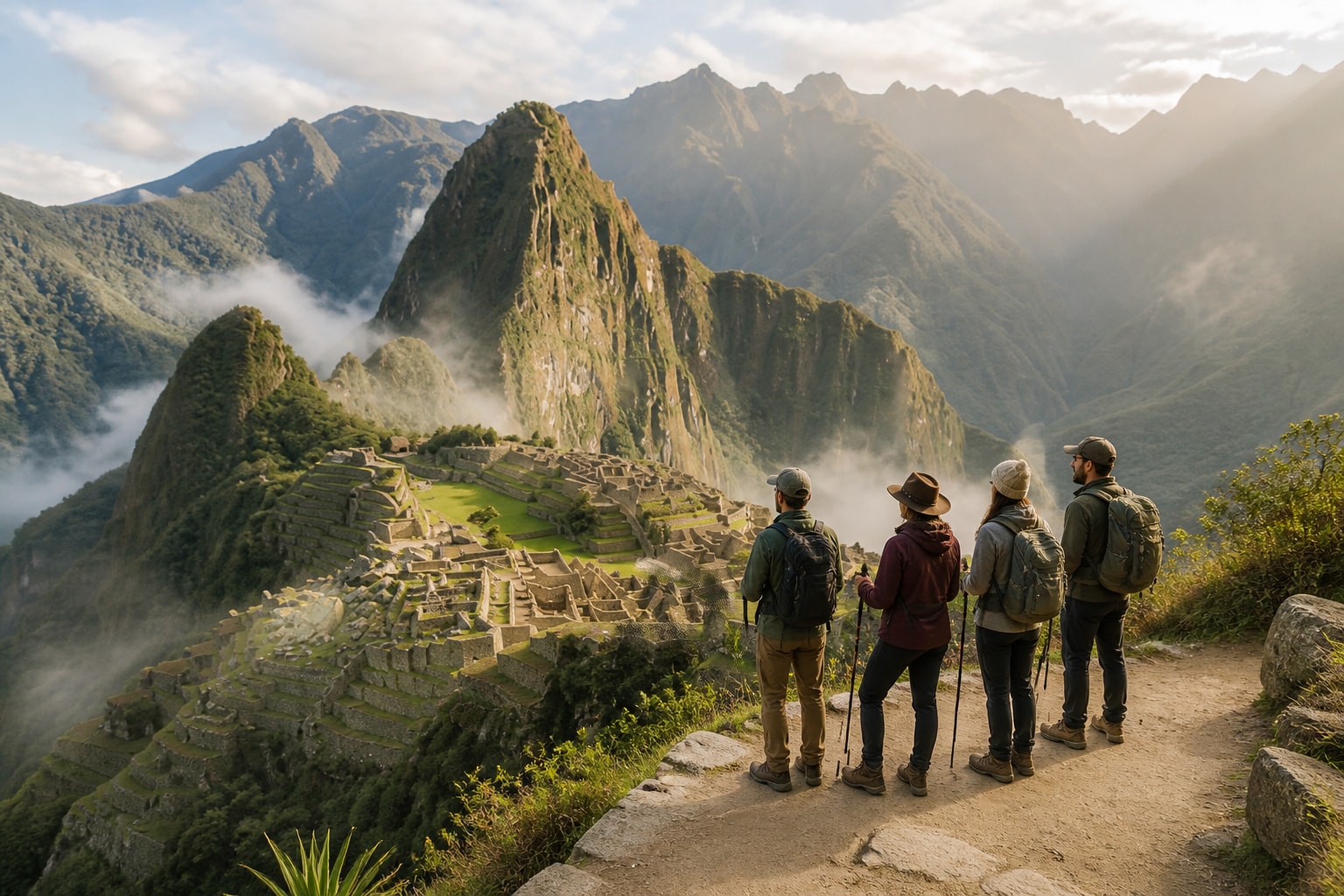
The Machu Picchu tour price in 2026 ranges from roughly $200 to $350 for a guided day tour from Cusco, and from about $700 to well over $2,000 per person for multi-day treks and private or luxury itineraries. The final figure depends on the route you choose, the train service, your hotel level, and how early you book. Prices below are typical ranges meant for planning; confirm exact rates with your operator, since rail fares and ticket availability change by date.
How Much Does It Cost to Visit Machu Picchu in 2026?
Guided one-day visits from Cusco typically cost a few hundred dollars per person, and multi-day trips that include lodging, meals and a trek or train journey cost considerably more. These are planning estimates rather than fixed rates, because every component is priced separately before it reaches your invoice.
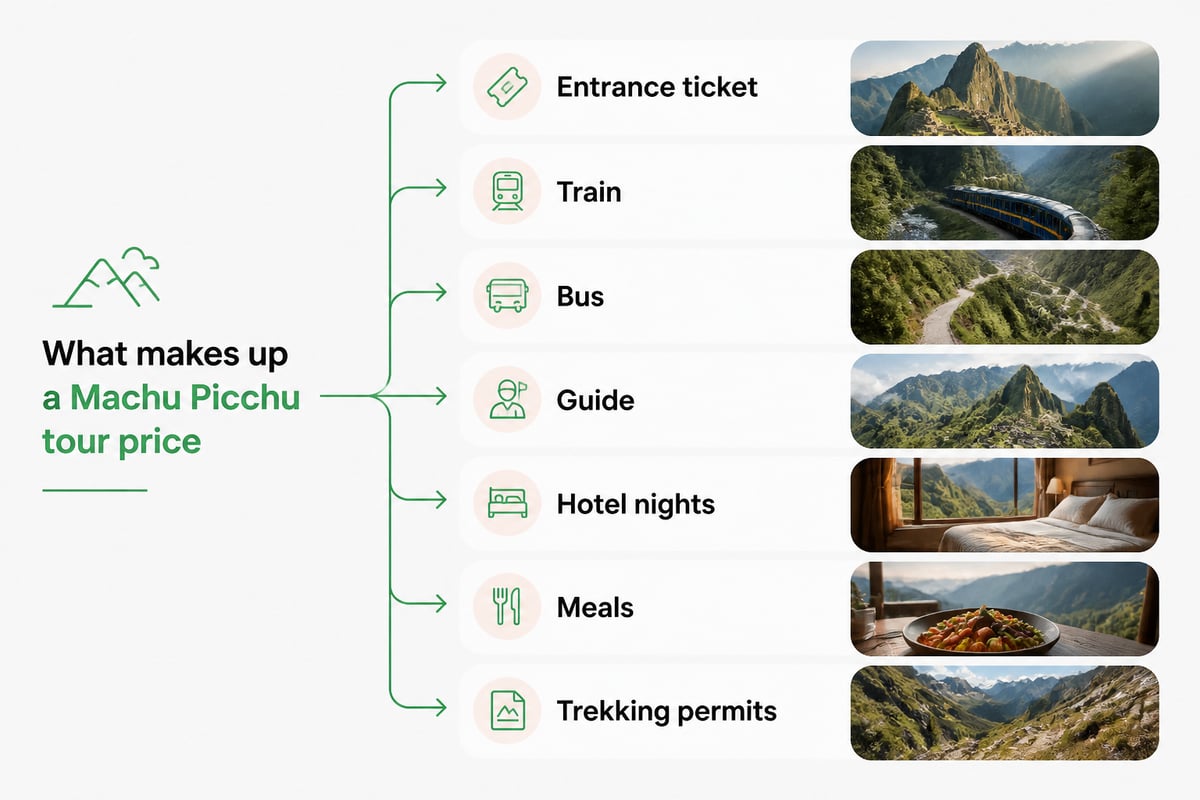
A guided package typically bundles several parts:
- Machu Picchu entrance ticket and circuit access
- Round-trip train between the Sacred Valley and Aguas Calientes
- Bus transfer up to the citadel
- A professional local guide
- Hotel nights, meals and ground transfers (on multi-day trips)
When you compare quotes, check which of these appear in each one. A lower headline number often leaves out the entrance ticket, the bus, or lunch, which you then pay for on the day.
Machu Picchu Tour Price by Trip Style
The table below summarizes typical per-person ranges for the most common ways to see the citadel. Treat the numbers as estimates and request a current quotation for your dates.
| Trip style | Typical duration | Estimated price per person | What drives the cost |
|---|---|---|---|
| Guided day tour from Cusco | 1 day | Varies by operator | Train class, entrance ticket, guide |
| Machu Picchu with Sacred Valley | 2 days | Varies by operator | Hotel in Aguas Calientes, train service |
| Short Inca Trail trek | 2 days | Varies by operator | Permit, camping or lodge, porters |
| Classic Inca Trail | 4 days | Varies by operator | Permit, porters, cook, camping gear |
| Salkantay or Lares trek | 4 to 5 days | Varies by operator | Route, lodges versus tents, group size |
| Luxury or private itinerary | 4 to 8 days | Varies by operator | Hotels, private rail, private guide |
Group size also shifts the numbers. A small group splits guide and transport costs across fewer people, so the per-person price rises slightly, but you gain flexibility and more personal attention from the guide.
What Is Included in a Guided Machu Picchu Package?
A guided package normally covers the expensive logistics you cannot easily arrange on your own: permits, the entrance ticket, rail, transfers and an expert guide. What differs between operators is how many of those items sit inside the quoted price.
Look for these inclusions and confirm each in writing:
- Entrance ticket and circuit. For 2026 the sanctuary uses three circuits and 10 routes, with access that varies by circuit and season, according to Peru Travel. Your ticket fixes the route you walk, so it should match the experience you were promised.
- Train tickets. Service level changes the price considerably.
- Bus transfer. The ride from the station up to the official entrance takes about 25 to 30 minutes, per PeruRail.
- Guide. A bilingual local guide who explains Inca history and engineering adds the most value per dollar.
- Hotels and meals. Confirm whether breakfast, trail meals or dinners are part of the rate.
For travelers with only a single day, a guided option such as the Machu Picchu Day Tour from Cusco bundles the travel, entrance and guiding into one organized itinerary, which makes the total easier to compare against separate bookings.
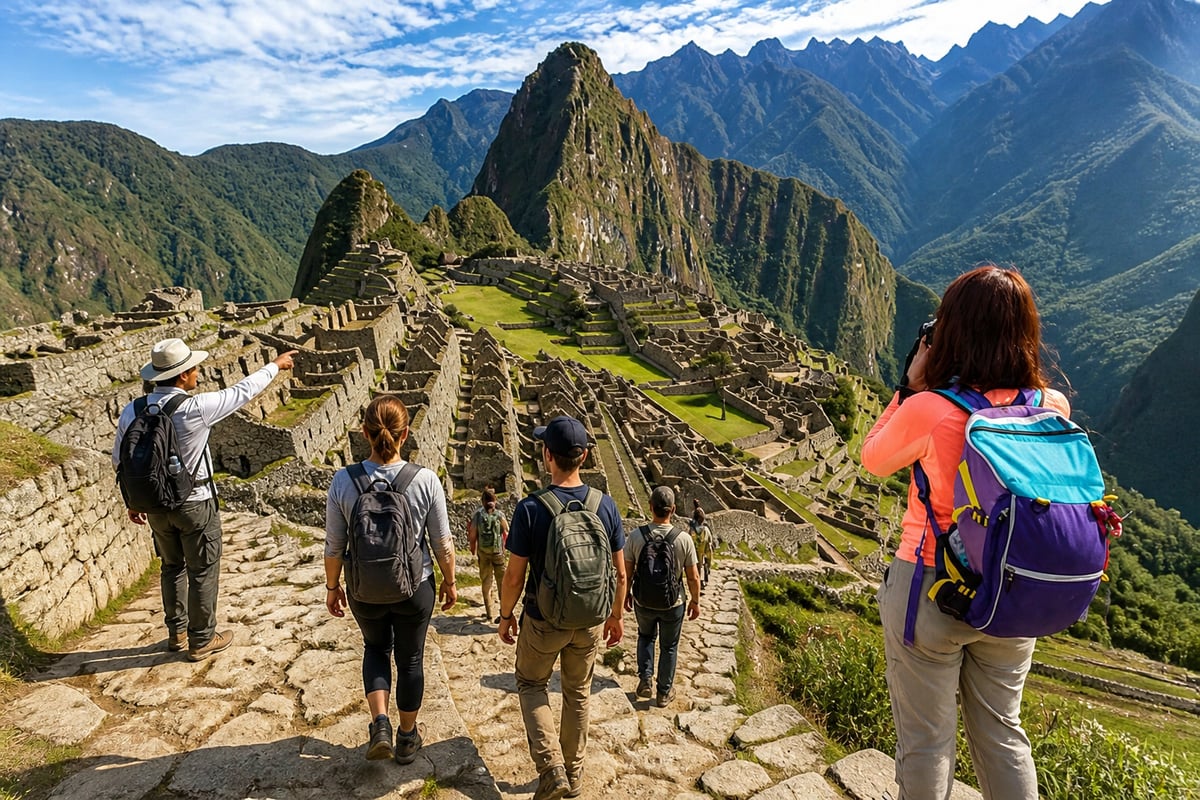
Entrance Tickets, Trains and Buses: The Fixed Costs
These three items form the base of every Machu Picchu budget, and none of them can be negotiated away. Understanding them helps you judge whether a quote is realistic.
Entrance tickets
Admission is sold by date, circuit and entry time. For 2026, the daily visitor limit is 5,600 on January 1, April 2 to 5, June 19 to November 2, and December 30 to 31, and 4,500 on other dates, according to Peru Travel. Because capacity is capped, popular dates in the dry season can sell out.
Train fares
PeruRail states that fares vary by service, travel date, route and availability, so the same seat can cost very different amounts across the year. A train ticket does not include admission to the citadel, and the PeruRail Expedition service page confirms that visitors must buy the entrance ticket separately. That detail is why some low quotes look attractive until the entrance fee is added.
The bus to the gate
Everyone who does not hike in uses the shuttle from Aguas Calientes. It is a modest cost per person, but it is a required one and belongs in any honest comparison.
Inca Trail and Other Trekking Routes: Why They Cost More
Trekking routes cost more than rail-based visits because permits, porters, cooks, camping equipment and food are all included in the price. The classic four-day Inca Trail is the most regulated, with limited daily permits that are usually secured months ahead.
The staffing alone explains much of the figure. A trek needs guides, a cook, and porters who carry tents, meals and shared gear, and responsible operators pay and equip these crews properly. Routes also differ in character:
- Classic Inca Trail: the historic stone path with Inca ruins along the way, arriving through the Sun Gate.
- Salkantay trek: high mountain scenery and varied climates, with a choice between camping and lodge stays.
- Lares trek: a cultural route through Andean communities, often a quieter alternative.
- Short two-day Inca Trail: a lighter option that ends at the citadel without the full four-day commitment.
Adventurous travelers should factor in acclimatization days in Cusco before any trek. Arriving early costs an extra hotel night or two, but it makes the hike safer and far more enjoyable.
Hotels, Meals and Extras That Change the Total
Lodging and food are where budgets diverge most, because the same trip can be arranged at very different comfort levels. Here is what to weigh.
Accommodation. Aguas Calientes is the town at the base of the citadel, and rooms there are priced for convenience. Many travelers instead stay in the Sacred Valley, which is lower in altitude and helps with early acclimatization, then take the train from there.
Meals. Trek packages usually include all meals on the trail. On rail-based trips, lunch in Aguas Calientes and dinners in Cusco are often separate.
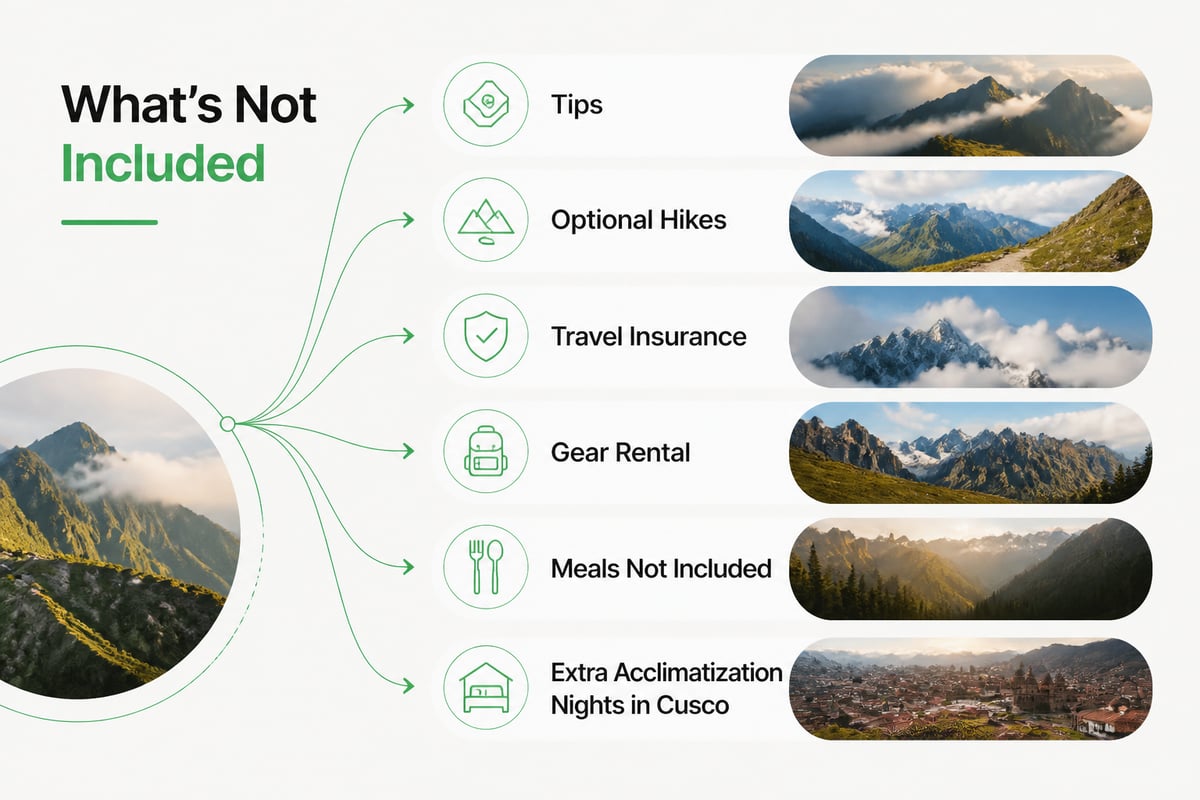
Extras to plan for:
- Tips for guides, porters and drivers
- Optional add-ons such as Huayna Picchu or Machu Picchu Mountain
- Travel insurance with altitude and trekking cover
- Spending money for souvenirs and snacks
- Sleeping bag or trekking pole rental if you do not bring your own
Why Is the Machu Picchu Tour Price Higher in Peak Season?
Prices climb in the dry season because demand is high and capacity is limited. June through September, along with holiday weeks, brings the largest crowds and the earliest sellouts of permits, tickets and train seats.
Timing affects more than the price. Visitors get a grace period for entry, 45 minutes in high season and 30 minutes in low season, and entry may be denied after that window, according to Peru Travel. Missing a slot because of a late train means paying for a ticket you cannot use, so choose train times with a comfortable buffer. You can review current departures on the PeruRail schedules and frequencies page before settling on your timing.
The shoulder months, April, May, October and November, often provide a better balance of weather and cost. The rainy season, roughly December through March, can lower prices but brings cloud and wet trails.
How to Get the Best Value Without Cutting Corners
The best value comes from booking early and choosing the right inclusions, not from picking the lowest number. A cheap quote that skips the guide, rushes the visit or leaves out the entrance ticket often costs more once the gaps are filled.
Practical ways to manage the total:
- Book months ahead. Permits, entrance tickets and good train times are the first things to sell out.
- Travel in the shoulder season. Fewer crowds and often gentler rates.
- Match the route to your fitness. A short trek or lodge-based route can deliver the experience at a lower cost and effort than a long camping expedition.
- Compare like with like. Line up quotes by inclusions, group size and train class.
- Choose local operators. Machupicchu Trips is a locally led operator that offers Peru travel experiences, coordinating permits, tickets, trains, transfers, hotels and trekking logistics from the destination itself. Packages can be tailored to your dates, group size, interests and travel style, so you pay for what you will actually use.
Travelers who want a fully independent, no-guide visit, or only the cheapest shared transport, will find a guided small-group model a different proposition.
Can a Beginner Visit Machu Picchu?
Yes, a beginner can visit Machu Picchu comfortably, because the citadel is reachable by train and bus with only gentle walking inside the site. You do not need trekking experience to see it, though you should expect uneven stone steps, altitude and several hours on your feet.
If you want a hiking route but have limited experience, the short two-day Inca Trail or a lodge-based trek is a more forgiving introduction than the full four-day route. Spending a day or two in Cusco or the Sacred Valley first makes any option easier on the body, and a guide who sets an unhurried pace helps considerably.
What Should You Wear, and Is Three Days Enough?
Comfortable clothing works fine, and jeans are acceptable for a rail-based visit, though they dry slowly and feel restrictive on trails. For the citadel, layers are better: a light rain jacket, a warm layer for early mornings, sun protection and sturdy walking shoes. On a trek, choose quick-drying trousers instead.
Three days is enough to see Machu Picchu well if you plan it sensibly. A typical split is one day in the Sacred Valley, one day at the citadel, and one day for Cusco, which also helps with acclimatization. If you want to trek, four days is the minimum for the classic route, so allow extra time before and after.
FAQ
Is the entrance ticket included in the train fare?
No. The train ticket and the admission ticket are separate purchases, and PeruRail notes that visitors must buy the entrance ticket independently. Make sure any package you book lists both.
When should I book my tour for 2026?
Book as early as you can, ideally several months ahead for the dry season and even earlier for Inca Trail permits. Daily visitor limits cap how many people can enter, so popular dates sell out.
Can I change the itinerary to fit my budget?
Often yes, when you work with a local operator that tailors packages to your dates, group size and interests. Contact the team directly to discuss options and request a current quotation.
Start by choosing your preferred travel dates and trip style, then request a written quote that itemizes the entrance ticket, train, bus, guide and lodging so you can compare it accurately. If you would like a locally led plan built around your schedule and fitness, Machupicchu Trips can shape the route, handle permits and logistics, and help you plan my Machu Picchu trip with confidence. For a single day at the citadel, the Machu Picchu Day Tour is a straightforward place to begin.