
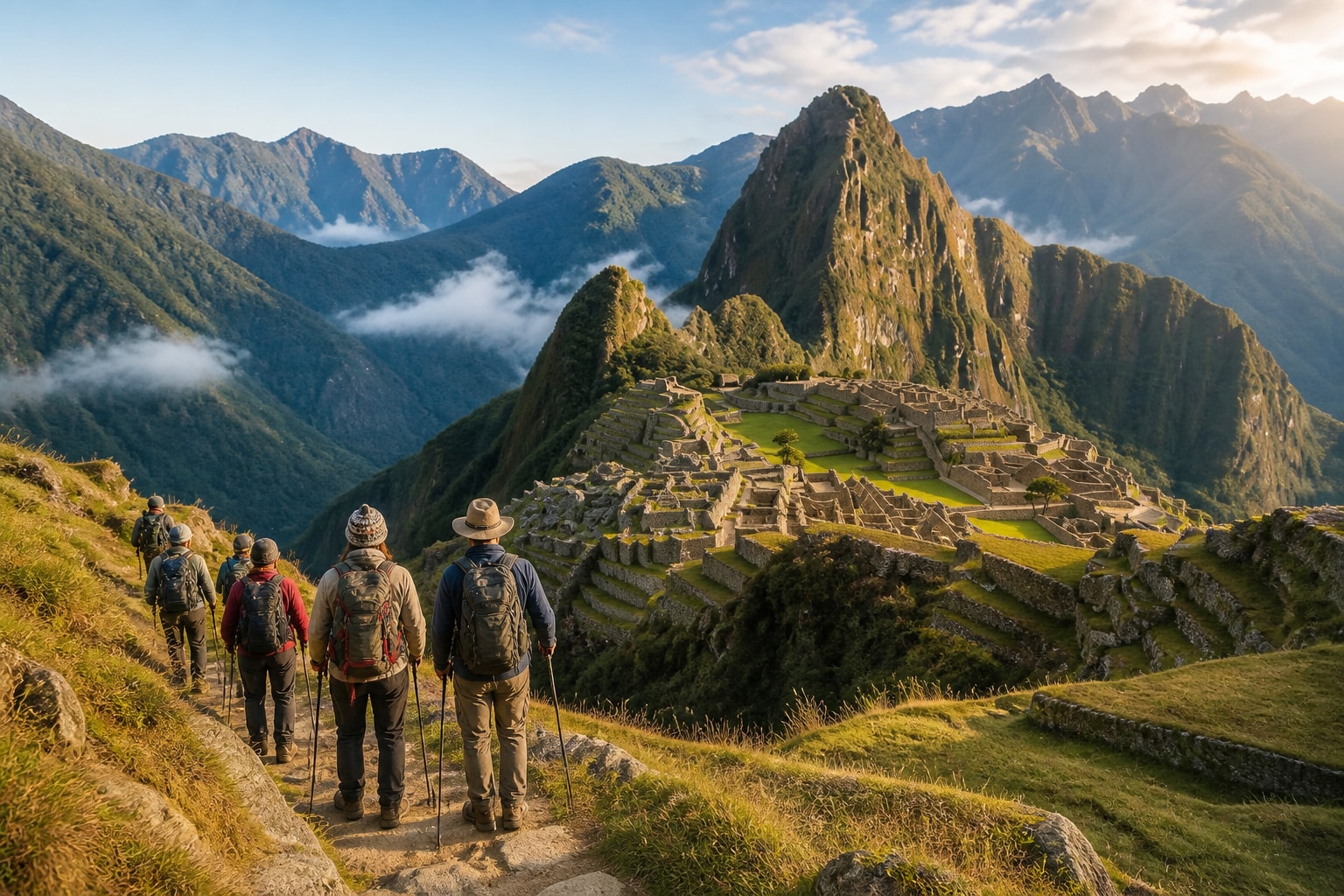
The best Machu Picchu tours are run by licensed, locally based operators who secure your permits and tickets early, use professional guides with deep knowledge of Inca history, and keep groups small. For a first visit, the right choice depends on how much time you have, how active you want to be, and how much of the logistics you want handled for you.
Machu Picchu is one of the most regulated archaeological sites in the world, and the difference between a smooth visit and a stressful one usually comes down to the operator behind it. This guide explains what separates strong operators from weak ones, how the main tour formats compare, and which questions to ask before you pay a deposit.
What Makes a Machu Picchu Tour Operator Worth Booking
A worthwhile operator controls the details that travelers cannot easily manage from abroad: entry permits, train seats, transfers, guides and contingency plans. Everything else, from itinerary design to hotel selection, builds on those foundations.
Five qualities separate reliable operators from the rest:
- Local operation. Companies based in Cusco can respond to strikes, weather closures, train changes and permit issues in real time. Foreign resellers often pass your booking to a local company anyway, and add a margin.
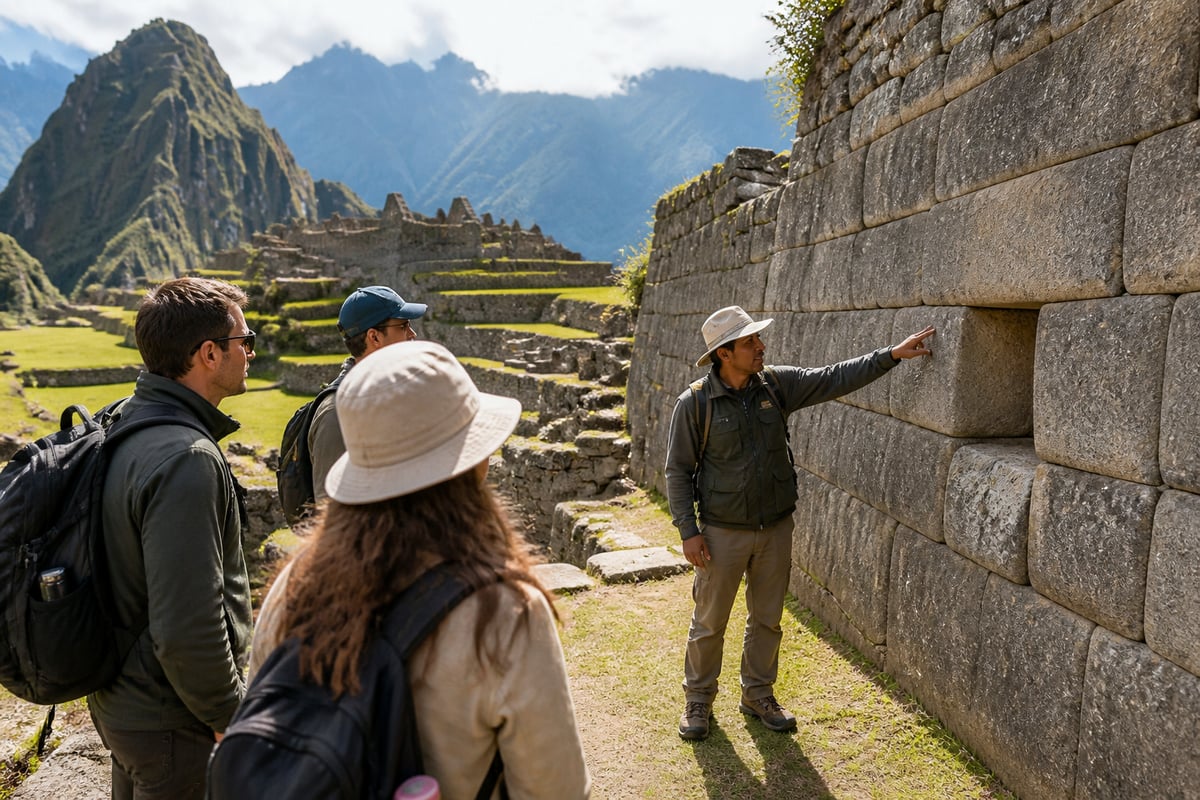
- Professional bilingual guides. A good guide does more than recite dates. They explain how the Incas engineered the terraces, aligned temples to the sun and moved stone across steep terrain.
- Small groups. Fewer travelers means more time with your guide, easier movement through narrow sections of the citadel and more flexibility at each stop.
- Transparent inclusions. The itinerary should state exactly what is covered: entrance tickets, train class, bus up to the site, meals, hotels and porters on treks.
- Flexibility. The ability to tailor dates, group size and pace matters, especially for families, honeymooners and trekkers on a fixed schedule.
Longevity is also a useful signal. An operator that has run Peru travel experiences for more than two decades has built relationships with train staff, hotel owners, trek crews and permit offices that newer companies cannot replicate.
Which Type of Machu Picchu Tour Fits Your Trip
Your available time and fitness level determine the right format far more than price does. The main options fall into four categories.
| Tour type | Typical length | Best suited to |
|---|---|---|
| Day tour from Cusco | 1 day | Travelers with limited time who want the citadel without a long itinerary |
| Machu Picchu with Sacred Valley | 2 to 4 days | First-time visitors who want culture, markets and acclimatization |
| Multi-day trek | 4 to 8 days | Active travelers who want to arrive on foot |
| Luxury or tailored program | Varies | Groups who want private guiding, upgraded rail and premium hotels |
Day Tours
A day tour covers the journey from Cusco, a guided visit to the citadel and the return, all in roughly twelve to fifteen hours. It is demanding but realistic if your schedule is tight.
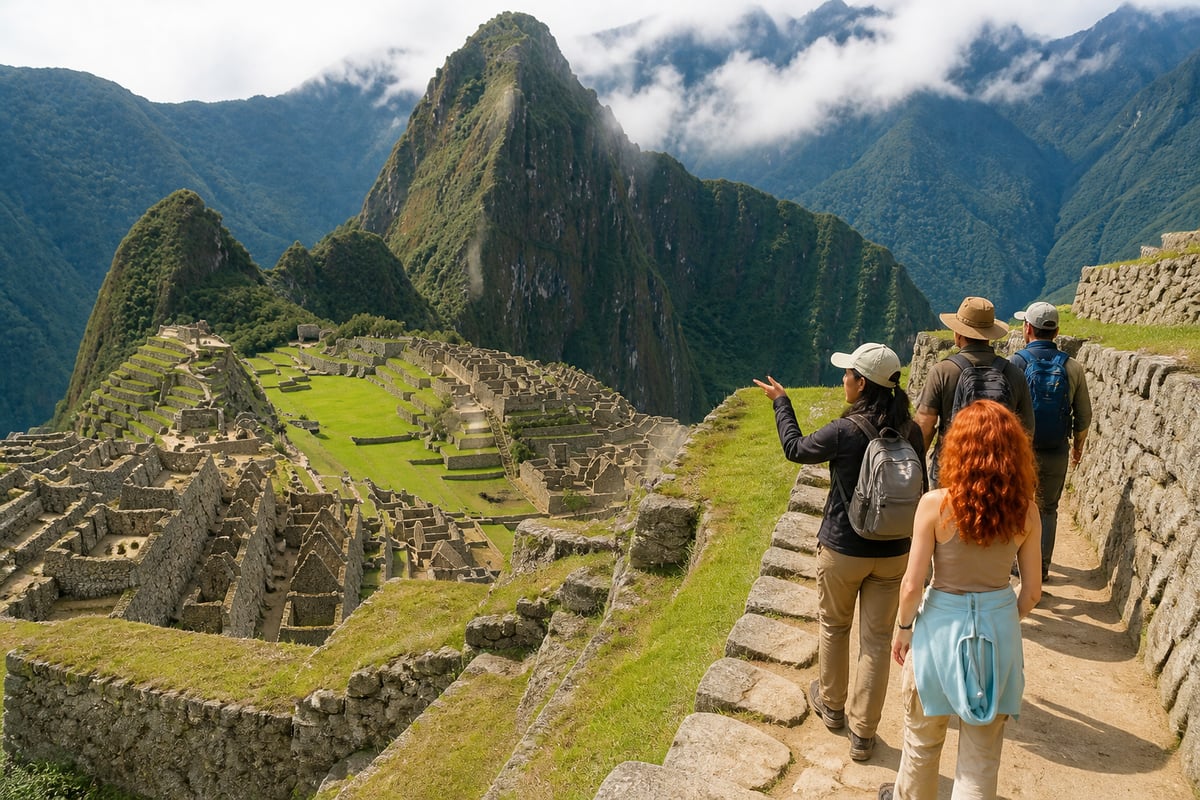
Machupicchu Trips offers a Machu Picchu Day Tour that takes you from Cusco to the Inca citadel with a professional guide, covering the temples and terraces and the Andean scenery along the way. It suits first-time visitors who have one day to spare in their Peru itinerary.
Multi-Day Trips with the Sacred Valley
Spending a night or two in the Sacred Valley before Machu Picchu lets your body adjust to altitude, since Cusco sits above 11,000 feet. It also spreads the cost of travel across more days of sightseeing, with stops at sites such as Ollantaytambo and Pisac.
Trekking Routes
For active travelers, arriving on foot changes the experience entirely. Trekking itineraries involve camps or lodges, cooks, porters and permit allocation, which makes operator quality even more important. A trek is only as good as its crew, its pacing and its safety planning.
Luxury and Tailored Programs
Luxury travel here means more than a better hotel. It means private guiding, flexible start times, premium train service and an itinerary built around your interests. Ask whether the operator designs these from scratch or simply upgrades a standard package.
Questions to Ask Before You Book
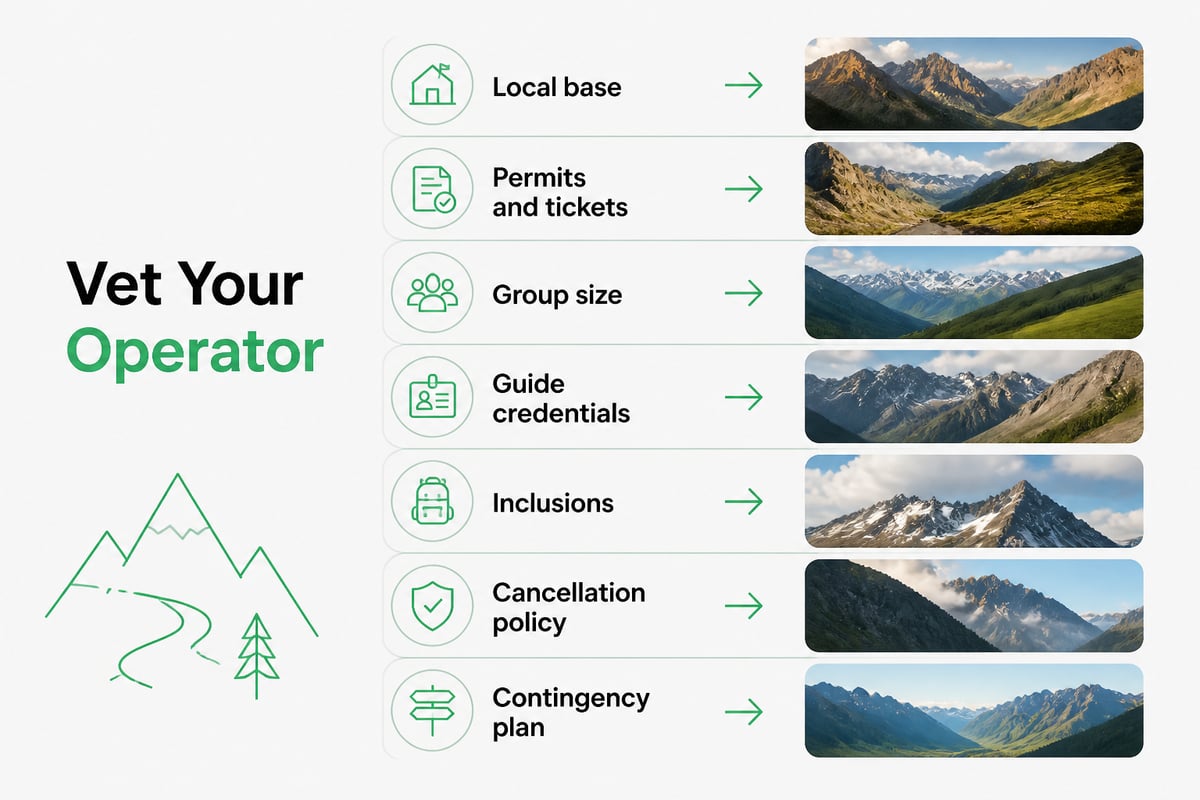
A short list of direct questions will reveal more about an operator than any brochure. Send these by email and compare the answers.
- Who actually runs the trip on the ground? Confirm the company is based in Cusco and employs its own guides.
- How are permits and tickets secured? Entrance tickets are sold through the Ministry of Culture’s official visit-management platform, so a reputable operator should explain how they reserve your entry date and time slot, and what happens if capacity runs out.
- What is the maximum group size? Ask for a specific number rather than a vague description.
- Which guide will lead the tour, and in what language? Request their credentials and experience.
- What is included and excluded? Look for train class, bus tickets, meals, entry circuits and hotel nights.
- What is the cancellation and change policy? Peru's weather, strikes and rail disruptions are real, so understand your options in writing.
- What is the contingency plan? A good operator can describe exactly what happens if a train is canceled or a trail closes.
Why Booking Early Matters More Than Choosing the Cheapest Option
Entry to Machu Picchu is managed through limited time slots and circuits, so availability often matters as much as budget when planning a trip. Waiting until the last minute can mean losing your preferred date, your chosen circuit or your train seat.
Operators that coordinate permits, entrance tickets, trains, transfers, hotels and trekking logistics together can lock these in as a bundle. That matters because each piece depends on the others. A ticket for one morning is useless if the train that gets you there is sold out the day before.
If you plan to trek, the lead time is longer still, since trail permits are allocated separately and often sell out well in advance. Start planning as soon as your travel dates are firm.
Logistics That Affect Your Day at the Citadel
Knowing the practical rules before you arrive prevents most of the avoidable problems on the day. A good operator briefs you on these, but it helps to understand them yourself.
- Bag size. The official code of conduct prohibits bags larger than 40 × 35 × 20 cm and requires visitors to stay on established circuits and routes. Plan to carry only a small daypack and leave larger luggage at your hotel.
- Train luggage. PeruRail’s travel recommendations advise arriving at the station 30 minutes before departure and limit onboard carry-on baggage to 8 kg and 115 cm total dimensions. Pack your overnight items accordingly.
- Station and bus questions. For specifics on arrival at Machu Picchu, bus tickets and luggage, the PeruRail FAQ is a practical reference.
- Circuits. Your ticket assigns a route through the site. Following it is mandatory, so your guide's knowledge of each circuit shapes what you will see.
Operators who handle these steps quietly in the background let you focus on the experience rather than the paperwork.
How to Judge a Guide Before You Meet One
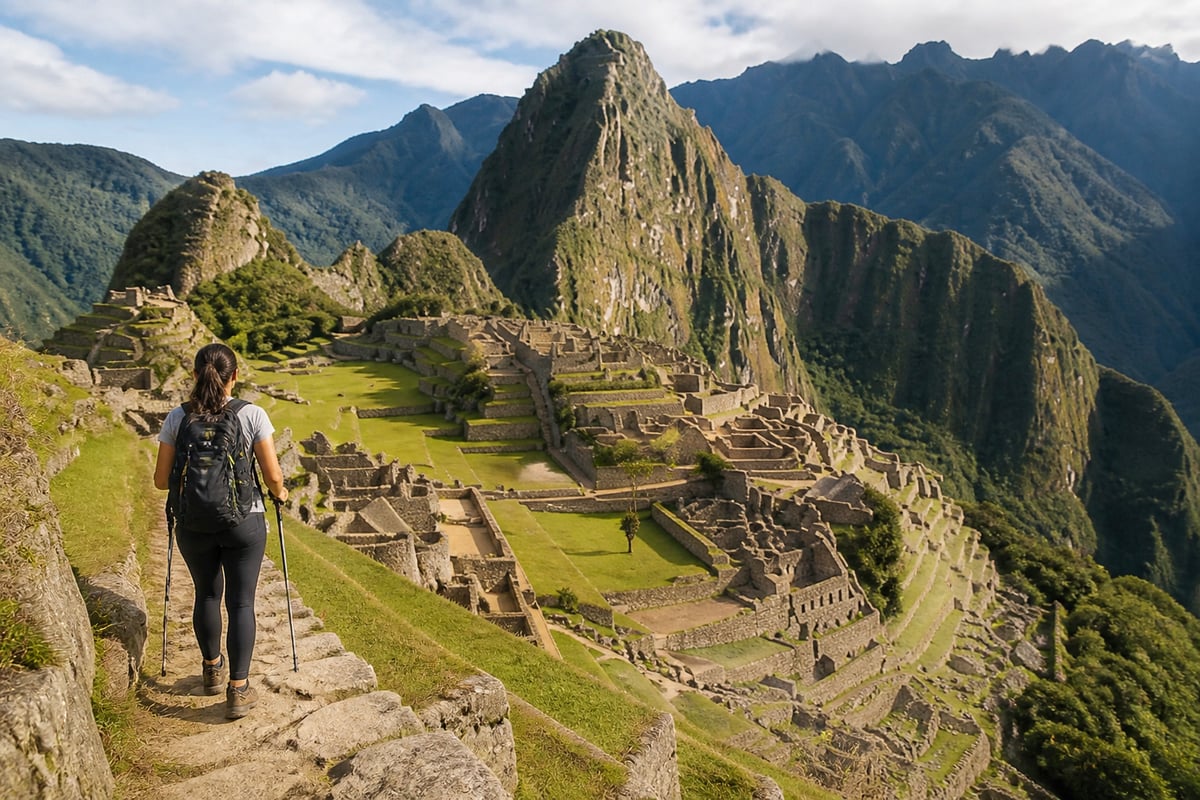
The guide is the single biggest factor in how much you understand and remember from the site. A strong one turns stone walls into a story about astronomy, agriculture, religion and empire.
Look for these signs in the operator's description of their guides:
- Formal training and licensing, not just local knowledge
- Fluency in your language, with the ability to answer detailed questions
- Experience explaining Inca history and culture, including what survives and what is still debated by archaeologists
- Comfort adapting the pace for photographers, families or anyone who wants to linger
Ask whether you can learn the guide's name and background before departure. Operators confident in their teams will gladly share this.
Pacing, Altitude and the Itinerary Detail That Protects Your Trip
Where you sleep before Machu Picchu affects how you feel at the site, and a well-built itinerary treats altitude as a design constraint. Machu Picchu itself sits lower than Cusco, so many travelers feel better there than in the highlands, but the days before can set the tone.
An operator who understands this will often suggest the Sacred Valley first, with its lower elevation, before you head to the citadel. They will also build a buffer day into longer itineraries, so that a train disruption or a weather delay does not cost you the one thing you came for.
This is where tailoring pays off. Packages adjusted to your dates, group size and interests can place the citadel visit at the point in your trip when you are best rested, rather than wherever a fixed template happens to put it.
Red Flags When Comparing the Best Machu Picchu Tours
When you compare the best Machu Picchu tours side by side, price alone tells you very little, and certain patterns suggest trouble.
- Vague inclusions. Phrases like "entrance fees included" without naming the ticket type or circuit leave room for surprise costs.
- No named local office. If you cannot find a physical address or local contact in Cusco, you may be dealing with a reseller.
- Pressure to pay in full immediately. Reputable operators explain their payment schedule clearly.
- Unusually large groups. A crowded departure reduces your time with the guide and your freedom at the site.
- No written policy on disruptions. Strikes and rail changes happen, and a serious operator has a plan.
Travelers who want a completely independent visit with no guide, or those seeking only the cheapest shared transport, will find a locally led, small-group operator a different proposition from what they are looking for. For first-time visitors and active trekkers who want expertise and coordination, the extra structure is the point.
Matching an Operator to Your Travel Style
The right operator is the one whose strengths line up with how you want to experience Peru. Two traveler profiles come up most often.
First-time visitors to southern Peru benefit from an operator who builds the whole sequence: arrival in Cusco, acclimatization, Sacred Valley sites, the train and the citadel itself. Look for small groups, a bilingual guide and a single point of contact who can answer questions from planning through your return flight.
Active travelers who want a hiking route should ask detailed questions about trek crews, camp or lodge standards, daily distances and how permits are secured. A locally owned operator that coordinates trekking logistics directly, rather than subcontracting every stage, gives you more accountability if conditions change on the trail.
Machupicchu Trips, a locally owned Cusco operator running every trip from the destination itself, builds small-group tours with professional bilingual guides and tailors packages to your dates, group size, interests and travel style. It has been operating Peru travel experiences since 1999, which is the kind of track record worth asking any operator about.
Start by writing down your travel dates, your group size and whether you want to arrive by train or on foot, then send those details to any operator you are considering and compare how specifically they respond. If you would like a Cusco-based team to coordinate your permits, tickets, trains, transfers and guides, the Machu Picchu Day Tour is a good starting point for short itineraries, and you can ask Machupicchu Trips to help you plan my Machu Picchu trip around your exact dates and travel style.