A trip to Machu Picchu cost typically runs from about $1,500 to $2,500 per person for a one-week visit with a guided tour, and $2,500 to $4,500 or more for a four-day trek, a luxury hotel or a longer southern Peru itinerary. The final figure depends on your flights, the season, how you reach the citadel and how much of the planning you hand to a local operator. This guide breaks the budget into its parts so you can price your own trip with confidence.
Treat every figure below as a planning range for 2026, not a quote. Fares, permits and hotel rates change by date and availability, so confirm current prices before you book.
How Much Does a Trip to Machu Picchu Cost in Total?
A realistic total for most first-time visitors is $1,500 to $3,000 per person, excluding international flights. That range covers a guided four-to-seven-day itinerary with hotels, entrance tickets, train travel and local transfers.
The table below shows how the main styles of trip compare. Figures are estimates per person and exclude flights to Peru.
| Trip style | Typical length | Estimated cost per person |
|---|---|---|
| Independent, budget-focused | 5 to 7 days | $800 to $1,300 |
| Guided classic tour, mid-range hotels | 4 to 7 days | $1,500 to $2,500 |
| Guided trek with permits and porters | 4 to 8 days | $1,800 to $3,200 |
| Luxury hotels and premium trains | 5 to 8 days | $3,500 to $6,000+ |
Flights are the largest variable. A round trip from North America to Lima or Cusco often falls between $600 and $1,400, and from Europe or Australia it can run higher. Add this to the table figures for your full outlay.
What Is Included in the Cost of Visiting Machu Picchu?
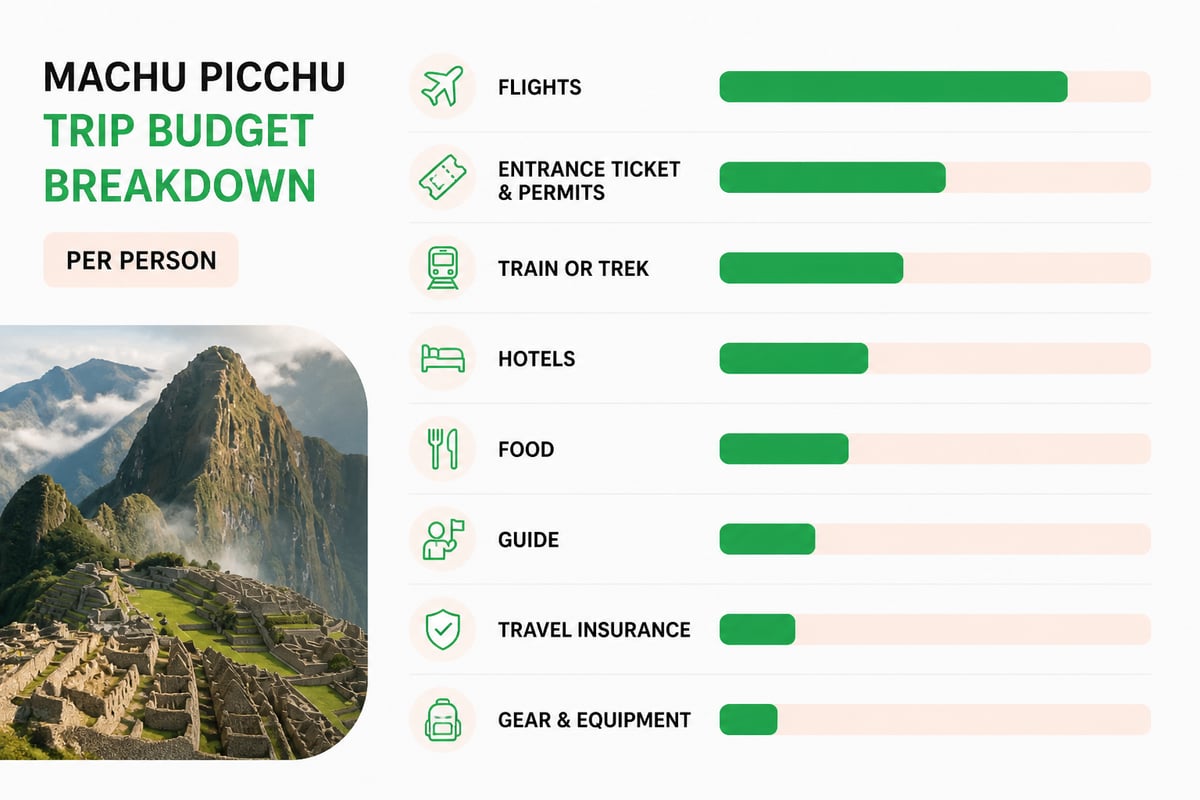
The cost of visiting Machu Picchu is built from seven main parts: flights, entrance tickets, transport to Aguas Calientes, accommodation, food, guiding and extras such as insurance. Understanding each one makes it easier to compare packages fairly.
- Flights: International airfare to Lima, plus a domestic leg to Cusco
- Entrance ticket: Required for every visitor, tied to a time slot and circuit
- Train or trek: The two ways to reach the site
- Hotels: In Cusco, the Sacred Valley and Aguas Calientes
- Meals and drinks: Prices rise sharply near the site
- Guide and transfers: Mandatory inside the citadel
- Insurance and gear: Often forgotten until the last week
A well-built package bundles several of these, which also protects you from last-minute price changes. A locally owned operator such as Machupicchu Trips coordinates permits, entrance tickets, trains, transfers, hotels and trekking logistics in one itinerary, so you see one total instead of juggling separate bookings.
Machu Picchu Entrance Tickets and Permits
Entrance tickets are a fixed, non-negotiable cost, and they must be bought in advance because daily numbers are capped. According to PeruRail’s 2026 ticket and circuit information, the 2027 daily visitor capacity is listed as up to 5,600 on specified high-season dates and 4,500 on other days. Each ticket is assigned to a time slot, and late arrival is only tolerated for a short window that varies by season.
Budget for the standard entrance ticket, which is a fixed cost. Add-ons cost more. Machu Picchu Mountain and the Inti Punku (Sun Gate) are both high-elevation routes that require a ticket that includes that route.
Trek permits cost far more. Inca Trail permits sell out months ahead and typically add several hundred dollars to the trek price, which is why trekking itineraries sit at the top of the mid-range table above. Book permits as soon as your dates are fixed.
Train, Bus and Transport Costs
Getting to Aguas Calientes, the town below the citadel, is usually the biggest transport expense after flights. Train fares vary by service, travel date, route and availability, so check PeruRail’s fare information for your chosen date rather than relying on a fixed number.
As a general guide:
- Economy-level train services: check current fares for your date
- Panoramic or premium services: priced higher than economy, varying by date
- Luxury scenic trains: well above economy fares, often bundled with meals
- Bus from Aguas Calientes to the entrance: about $12 each way
- Cusco airport and city transfers: priced by vehicle type and distance
If you plan to arrange transport yourself, PeruRail also publishes a practical overview of planning an independent visit that explains the train and ticket steps. For groups who prefer one coordinated plan, a guided package folds these transfers into a single schedule, which matters because train times must line up with your entrance slot.
Hotels and Meals Along the Route
Accommodation is usually one of the largest parts of your in-country budget. Prices differ most by location and season rather than by star rating alone.
Cusco and the Sacred Valley
Cusco offers the widest range, from budget hostels to luxury properties, with prices rising steadily by category. The Sacred Valley is quieter and often better for acclimatizing, with comparable pricing.
Aguas Calientes
Because the town exists to serve visitors, rooms cost more for what they offer. Expect a comfortable mid-range room to cost more than in Cusco, and boutique or lodge-style stays to cost considerably more. Staying one night here lets you reach the site early without a rushed train departure.
Food
Restaurant meals in Cusco are cheaper at local lunch spots than at tourist-friendly places. In Aguas Calientes, the same meal costs noticeably more. Set a daily food and drink budget that suits your style.
Trekking Routes: What an Inca Trail Style Hike Adds
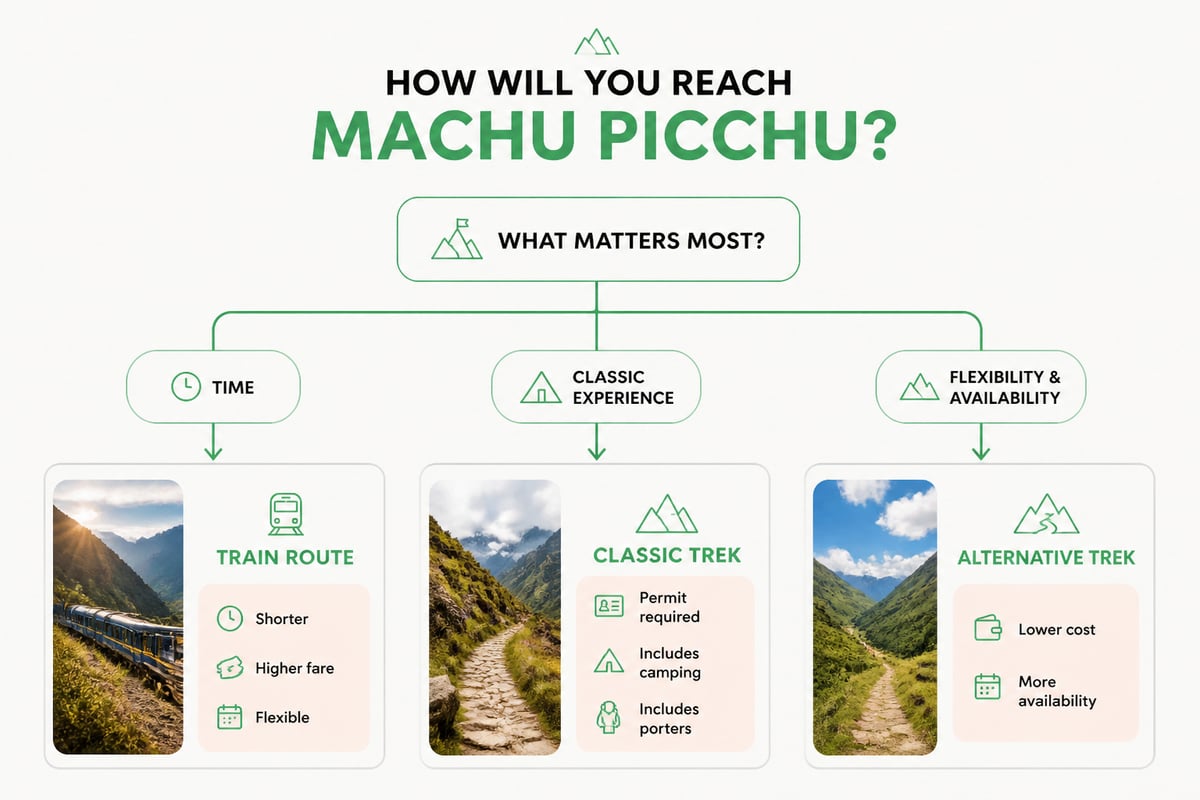
A trekking route adds cost, but it replaces the train fare and often includes meals, camping equipment, porters and a cook. Active travelers who want a hiking route to Machu Picchu should compare packages by what they include, not only by headline price.
Classic permit-controlled trek packages cost more than alternative routes, before gear rental, tips and pre- and post-trek hotels. Extras you may need to price in:
- Sleeping bag and trekking pole rental
- A gratuity pool for guides, cooks and porters
- Extra nights in Cusco for acclimatization
- A return train from Aguas Calientes if your package does not include it
- Upgraded tents or private porters for personal gear
Altitude deserves equal attention. The Government of Canada's Peru travel advice identifies 2,500 metres above sea level as the threshold at which travelers are at risk of high-altitude illness, and Cusco sits above that level. Arriving two days early costs one or two extra hotel nights, but it protects the rest of your spend from being wasted on a sick day.
Is the Machu Picchu Trek Worth It?
The Machu Picchu trek is worth the added cost for travelers who value the journey as much as the arrival, and who are comfortable walking several hours a day at altitude. You pay more in permits and gear, and you gain mountain scenery, smaller crowds on the trail and a sense of earning the view.
It is less suitable if your time is limited, if you have mobility concerns, or if your priority is comfort over adventure. In that case, a train-based itinerary delivers the citadel at a lower total effort. Many trekkers find the sweet spot is a shorter trek, or a train visit paired with a day hike in the Sacred Valley.
How Long Do You Need for a Machu Picchu Trip?
Plan at least four to five days in Peru's southern highlands, and ideally six to eight if you want to acclimatize and see more than the citadel. Length is one of the strongest levers on your budget, because every extra night adds hotel and meal costs.
A typical shape looks like this:
- Day 1: Arrive in Cusco and rest to adjust to the altitude
- Day 2: Explore Cusco or the Sacred Valley
- Day 3: Train to Aguas Calientes, optionally visit the site
- Day 4: Early entry to Machu Picchu, then return to Cusco
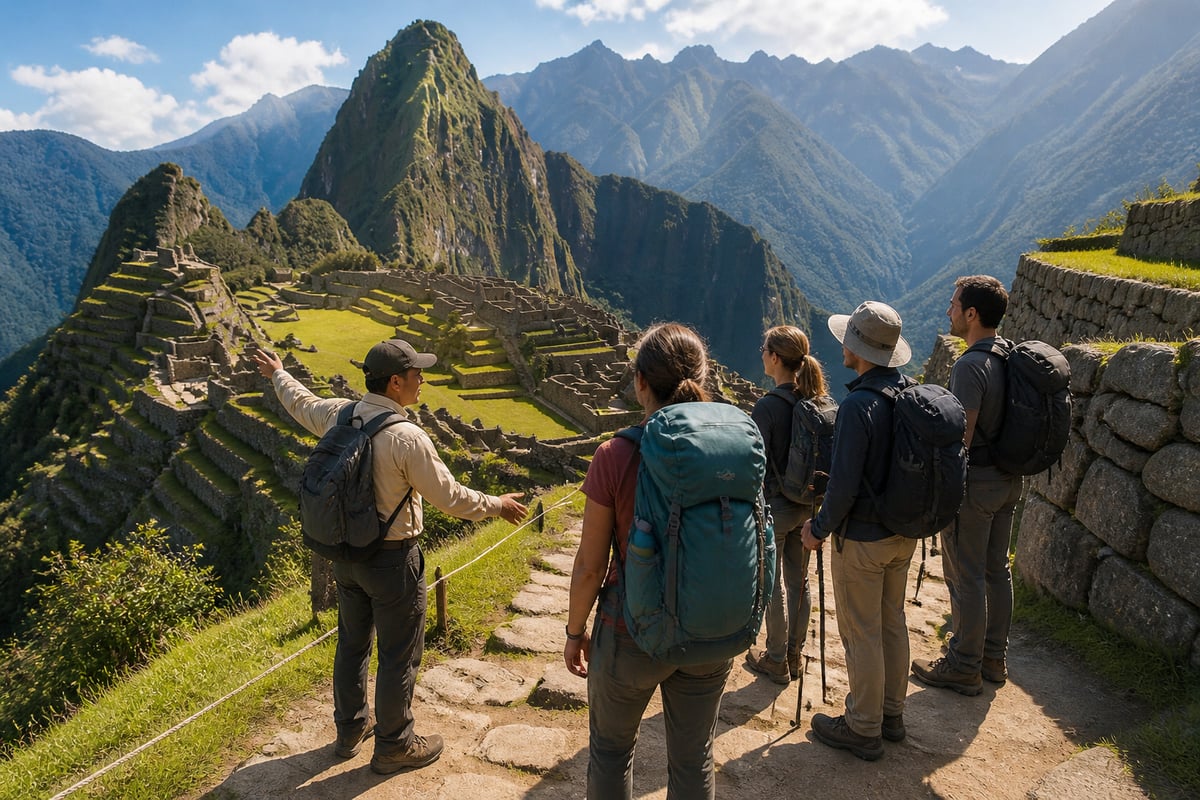
A short, well-sequenced plan can be both efficient and affordable. The Machu Picchu Classic Tour: 4 Days 3 Nights from Machupicchu Trips follows this pattern, covering historic Cusco, the Sacred Valley and the train journey to the citadel with bilingual local guides who explain Inca history and culture.
Ways to Reduce the Cost of a Trip to Machu Picchu
Timing and booking choices can meaningfully lower your trip to Machu Picchu cost without removing any of the core experience. The most reliable tactics:
- Travel in the shoulder season. April, May, September and October offer good weather with fewer crowds than July and August, and hotel rates are often lower.
- Book tickets and permits early. Popular slots and trek permits sell out, and late buying forces you into costlier alternatives.
- Choose economy-level train service. The difference between service tiers is often larger than the difference in the actual journey.
- Stay in the Sacred Valley. Lodging is often cheaper and the altitude is gentler than in Cusco.
- Eat where locals eat. Set-lunch menus in Cusco cost a fraction of tourist restaurant prices.
- Join a small group. Shared guiding and transfers reduce the per-person rate while keeping personal attention.
- Pay for acclimatization, not recovery. An extra night early on costs less than losing a day to altitude sickness.
Cheap does not always mean good value. A rock-bottom package that omits the entrance ticket, the guide or the return train can end up costing more once you add those back.
What Else to Budget For
Several smaller costs add up to a few hundred dollars, and they are easier to absorb when you plan for them in advance.
- Travel insurance: make sure it covers high-altitude trekking and medical evacuation
- Tips: $5 to $15 per day for guides and drivers, more for trek crews
- Gear: Rain jacket, layers, sun protection and sturdy footwear if you do not already own them
- Optional upgrades: Huayna Picchu or Machu Picchu Mountain add-ons, a spa day or a Rainbow Mountain day trip
- Altitude medication: Ask your doctor before departure
Add a contingency to your total. Currency fluctuation, a weather-related change or a spontaneous extra night are all common, and a cushion keeps them from becoming stress.
FAQ
What is the history of Machu Picchu?
Machu Picchu is a 15th-century Inca citadel built high in the Andes, widely believed to have served as a royal estate for the emperor Pachacuti. It was abandoned around the time of the Spanish conquest and became internationally known in the early 20th century. Today it is a UNESCO World Heritage Site.
What is buried under Machu Picchu?
There is no confirmed hidden treasure or buried city beneath Machu Picchu. Archaeologists have found burial sites, terraces and ceremonial structures within and around the site, which reflect its religious and agricultural functions. A knowledgeable guide can show you where these features are and explain what they meant to the Inca.
Your next step is to choose two or three candidate travel dates and check train availability and entrance slots for each before you book flights. From there, the logistics are much easier to manage with a partner who knows the permits, the schedules and the seasons. Machupicchu Trips is a locally owned Cusco operator that has run Peru travel experiences since 1999, and it can tailor a package to your dates, group size and travel style, whether you prefer the Machu Picchu Classic Tour: 4 Days 3 Nights or a longer trekking plan. Speak with the team at Machupicchu Trips to plan my Machu Picchu trip with a clear price and a schedule built around your time.