
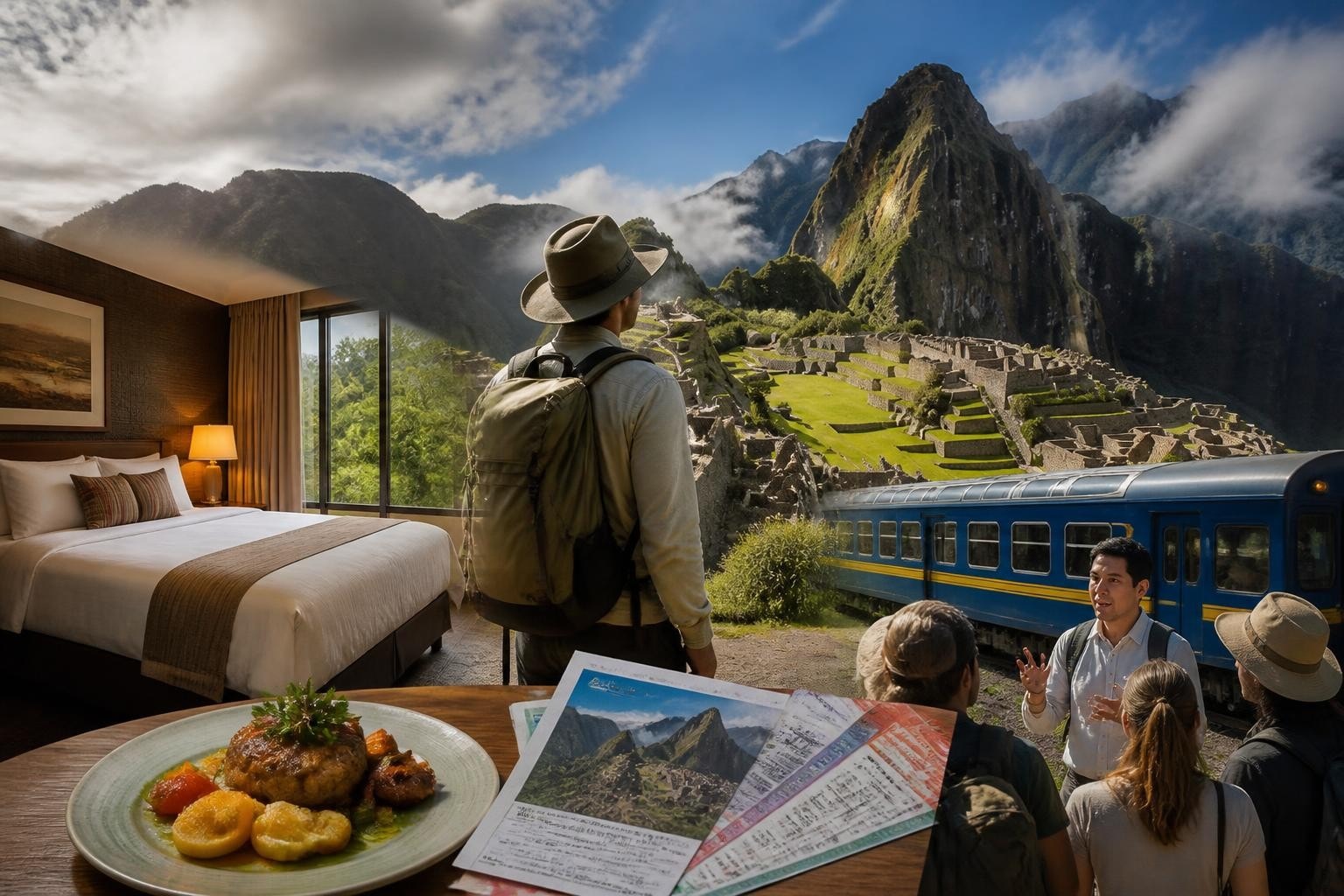
Planning a visit to one of the world's most iconic archaeological wonders requires careful consideration of logistics, permits, and timing. An all inclusive Machu Picchu package simplifies this process by bundling essential services into a single, coordinated experience. These comprehensive tours handle everything from hotel accommodations and train tickets to expert guides and entrance permits, allowing travelers to focus on the cultural and historical significance of their journey rather than operational details. Understanding what these packages include and how to select the right option ensures a seamless adventure through Peru's Sacred Valley and the legendary Inca citadel.
What All Inclusive Machu Picchu Packages Cover
Comprehensive travel packages to Peru's most famous destination typically bundle multiple services into a single booking. These offerings streamline the planning process while ensuring travelers have access to essential resources throughout their journey.
Core Components of Inclusive Tours
Most all inclusive Machu Picchu experiences incorporate several fundamental elements that address the primary needs of international visitors. Accommodation forms the foundation, with packages typically including hotels in Cusco, the Sacred Valley, and Aguas Calientes (the gateway town to Machu Picchu). Room quality varies by package tier, ranging from comfortable three-star properties to luxury boutique hotels.
Transportation represents another critical component. This includes:
- Airport transfers in Cusco
- Private or shared vehicles for Sacred Valley excursions
- Train tickets between Ollantaytambo and Aguas Calientes
- Bus tickets for the winding road between Aguas Calientes and Machu Picchu entrance
Entrance permits to Machu Picchu itself are always included, and securing these tickets well in advance has become increasingly important as Peru implements visitor management protocols to preserve the site.
Professional Guide Services and Cultural Context
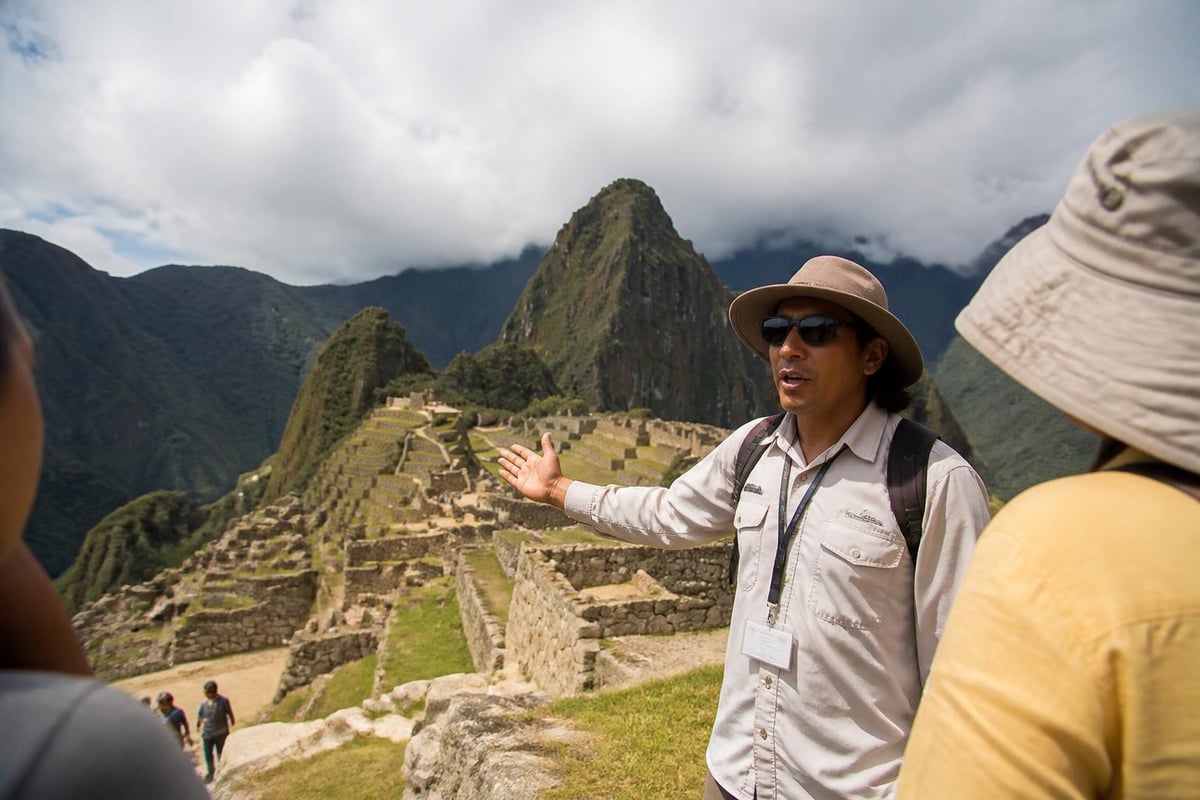
Expert interpretation transforms a visit from simple sightseeing into genuine cultural education. All inclusive Machu Picchu packages typically include bilingual guides (Spanish and English, with other languages available at premium tiers) who provide historical context about Inca civilization, architectural techniques, and the ongoing archaeological research at the site.
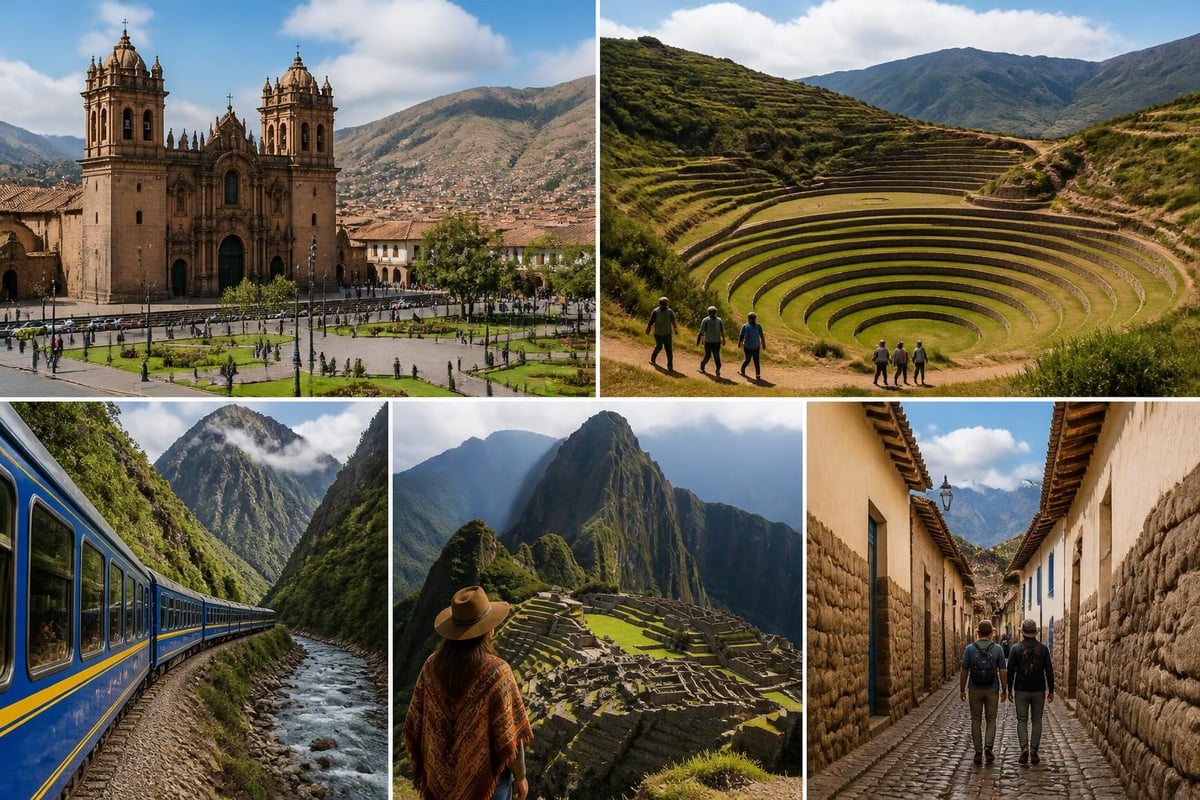
These professionals navigate the official regulations governing guided visits while sharing insights about astronomical alignments, agricultural terraces, and the spiritual significance of specific structures. Many packages also include guided city tours of Cusco and excursions through the Sacred Valley, visiting sites like Pisac, Ollantaytambo, and Chinchero.
Meal Inclusions and Dining Experiences
The extent of meal coverage varies significantly across packages. Standard all inclusive Machu Picchu options typically provide daily breakfast at hotels, while mid-tier packages add select lunches during full-day excursions. Premium offerings may include most meals, featuring traditional Peruvian cuisine in carefully selected restaurants.
Travelers should carefully review meal specifications, as "all inclusive" doesn't always mean every meal is covered. Some packages provide breakfast daily but leave lunch and dinner flexible, allowing visitors to explore Cusco's vibrant culinary scene independently.
Different Tiers of All Inclusive Experiences
Not all comprehensive packages offer identical services or quality levels. Understanding the distinctions between budget, standard, and luxury tiers helps travelers select options aligned with their preferences and investment capacity.
Budget-Conscious Comprehensive Packages
Entry-level all inclusive Machu Picchu tours focus on covering essentials while minimizing costs. These typically feature tourist-class train service (rather than premium Vistadome or luxury Hiram Bingham carriages), three-star accommodations, and shared group tours. While more economical, these packages still provide the fundamental experience: professional guides, entrance permits, and coordinated logistics.
Budget packages generally span two to four days and concentrate specifically on Cusco and Machu Picchu, sometimes omitting extended Sacred Valley exploration. They represent an excellent value for travelers prioritizing the destination over luxury amenities.
Mid-Range Comprehensive Tours
The middle tier strikes a balance between affordability and enhanced comfort. These all inclusive Machu Picchu packages typically upgrade accommodations to superior three-star or four-star properties and often include Vistadome train service, which features panoramic windows and complimentary refreshments.
| Feature | Budget Tier | Mid-Range Tier | Luxury Tier |
|---|---|---|---|
| Accommodation | 3-star hotels | 3.5-4 star hotels | 5-star boutique properties |
| Train Service | Tourist class | Vistadome panoramic | Hiram Bingham luxury |
| Group Size | 12-16 people | 8-12 people | Private or 2-6 people |
| Meal Inclusion | Breakfast only | Breakfast + select lunches | Most meals included |
| Duration | 2-3 days | 4-5 days | 5-7 days |
Mid-range tours frequently extend to four to six days, incorporating additional destinations like Rainbow Mountain, Humantay Lagoon, or the Sacred Valley's lesser-known archaeological sites. Many travelers find this tier offers the best value proposition, providing comfortable amenities without the premium pricing of luxury alternatives.
For travelers seeking a well-rounded introduction to Peru's highlights, the MACHU PICCHU PERU TOUR 6D/5N combines Cusco's historic center, Sacred Valley exploration, Machu Picchu visits, and the stunning Humantay Lagoon trek into a comprehensive six-day adventure with included domestic flights, comfortable hotels, and expert local guides.
Luxury All Inclusive Experiences
Premium packages elevate every aspect of the journey. Luxury all inclusive Machu Picchu tours feature five-star accommodations (often including the exclusive Sanctuary Lodge adjacent to Machu Picchu's entrance), the opulent Hiram Bingham train with gourmet dining and live entertainment, and private guide services.
These experiences often incorporate wellness elements such as spa treatments, yoga sessions at scenic locations, and farm-to-table dining experiences at exclusive venues. Group sizes shrink to ensure personalized attention, and itineraries build in flexibility for spontaneous exploration or rest periods.
Timing and Duration Considerations
The length and scheduling of all inclusive Machu Picchu packages significantly impact both the experience quality and the depth of cultural immersion achieved during the visit.
Short-Duration Express Packages
Two-day experiences represent the minimum viable timeframe for visiting Machu Picchu from Cusco. These condensed packages typically depart Cusco early morning, travel by train to Aguas Calientes, visit Machu Picchu the following morning, and return to Cusco by evening. While efficient, these rapid itineraries provide limited time for altitude acclimatization and omit many complementary sites in the Sacred Valley.
Express packages suit travelers with severe time constraints or those combining Machu Picchu with other South American destinations. However, the compressed schedule and reduced acclimatization time increase the risk of altitude-related discomfort.
Standard Four to Six Day Itineraries
The most popular all inclusive Machu Picchu packages span four to six days, allowing for proper altitude adjustment and comprehensive exploration. A typical five-day itinerary might include:
- Day 1: Arrival in Cusco, city orientation, light acclimatization activities
- Day 2: Sacred Valley tour (Pisac, Ollantaytambo, Chinchero)
- Day 3: Train to Aguas Calientes, optional afternoon exploration
- Day 4: Sunrise Machu Picchu visit, guided tour, return to Cusco
- Day 5: Additional Cusco attractions or departure flexibility
This pacing allows the body to adjust to Cusco's 3,400-meter elevation before ascending further, significantly reducing altitude sickness risk while providing time to appreciate the region's broader cultural context.
Extended Cultural Immersion Programs
Seven to ten-day all inclusive Machu Picchu experiences incorporate additional destinations that round out the Peruvian experience. These might combine the Sacred Valley and Machu Picchu with Amazon rainforest adventures, Lake Titicaca's floating islands, or multi-day trekking experiences like the classic Inca Trail or alternative routes such as Salkantay or Lares.
Extended packages appeal to travelers seeking deeper engagement with Peru's diverse ecosystems and indigenous cultures. They also provide greater flexibility for weather contingencies, which can affect both mountain trekking and jungle excursions during the rainy season (November through March).
Seasonal Variations and Optimal Booking Windows
Peru's distinct wet and dry seasons create notable differences in both the experience quality and the pricing structure of all inclusive Machu Picchu packages throughout the year.
Dry Season Demand and Characteristics
May through September constitutes Peru's dry season, characterized by clear skies, minimal rainfall, and optimal visibility for photography and mountain views. This period represents peak tourist season, resulting in:
- Higher package prices (15-25% above low-season rates)
- Larger crowds at popular sites
- Earlier booking requirements (3-4 months advance for standard packages, 6+ months for Inca Trail permits)
- Cooler nighttime temperatures, particularly in June and July
Despite premium pricing, many travelers prefer this window for the virtually guaranteed good weather and the ability to capture Machu Picchu without fog obscuring the dramatic mountain backdrop. National Geographic’s Peru travel guide emphasizes June through August as ideal months for those prioritizing weather reliability.
Shoulder Season Opportunities
April and October represent shoulder months that balance favorable weather with reduced crowds and more competitive pricing. All inclusive Machu Picchu packages during these transitional periods offer:
- Moderate pricing (10-15% below peak season)
- Smaller tour groups
- Greater availability for last-minute bookings
- Generally favorable weather with occasional rain showers
April, in particular, benefits from the tail end of the rainy season, when the surrounding landscapes remain lush and green while rainfall frequency decreases substantially. October sees the region transitioning from dry to wet season, with generally clear conditions and tourist numbers declining as the high season concludes.
Wet Season Considerations
November through March brings regular afternoon rains and increased cloud cover, but also significant advantages for budget-conscious travelers and those who prefer solitude. Benefits include:
- Substantially lower prices (20-35% discounts compared to peak season)
- Fewer visitors creating more intimate experiences
- Lush, verdant landscapes from consistent rainfall
- Greater booking flexibility with abundant availability
The principal drawback involves weather unpredictability. Morning visits to Machu Picchu typically occur before afternoon rains begin, but cloud cover can obscure mountain views. Importantly, the classic Inca Trail closes entirely each February for maintenance, forcing all inclusive packages during that month to use alternative routes or focus on train-based access.
Essential Booking Considerations and Preparation
Securing the right all inclusive Machu Picchu package requires attention to several critical factors that affect both the experience quality and the trip's success.
Advance Planning Requirements
Booking timelines vary considerably based on season and specific activities. Standard train-based packages for shoulder or low season can often be secured 4-6 weeks before departure. However, peak season (June-August) demands 2-3 months advance notice, while any package including the classic Inca Trail requires 5-7 months lead time due to strict permit limitations.
The official TuBoleto platform manages all Machu Picchu entrance tickets, and daily visitor caps mean that securing dated entry permits represents one of the first steps reputable tour operators complete after booking confirmation. Travelers should verify that their package provider has confirmed, not merely "reserved," entrance tickets.
Physical Fitness and Health Screening
All inclusive Machu Picchu experiences vary substantially in physical demands. Standard tours involve moderate walking on uneven terrain, with approximately 2-3 hours on foot during the Machu Picchu visit itself. However, optional extensions like climbing Huayna Picchu or Machu Picchu Mountain require good fitness and comfort with steep, narrow staircases.
Altitude considerations affect virtually all visitors. Cusco sits at 3,400 meters (11,150 feet), while Machu Picchu itself rests at a lower 2,430 meters (7,970 feet). Recommended acclimatization strategies include:
- Arriving at least one full day before strenuous activities
- Staying well-hydrated
- Avoiding alcohol during the first 48 hours
- Considering coca tea (traditional altitude remedy)
- Consulting physicians about altitude sickness medication for those with cardiovascular concerns
Documentation and Permit Verification
Beyond standard travel documents (passport valid for six months beyond travel dates), travelers should verify several package-specific elements:
| Document Type | Verification Step | Timing |
|---|---|---|
| Entrance Permits | Request confirmation numbers for dated tickets | 30 days before departure |
| Train Tickets | Verify departure times and service class | 14 days before departure |
| Hotel Confirmations | Cross-reference property names and locations | 30 days before departure |
| Guide Credentials | Confirm official certification numbers if possible | Optional, at booking |
Reputable operators provide comprehensive documentation packets 2-4 weeks before departure. Travelers should scrutinize these materials to ensure all components align with the package description and that timed entries (especially to Machu Picchu) allow adequate buffer time for train delays or other logistical contingencies.
Sustainability and Responsible Tourism Practices
The increasing popularity of all inclusive Machu Picchu packages has intensified discussions about heritage preservation and sustainable tourism management, with implications for how travelers select and engage with tour operators.
Conservation Challenges and Visitor Impact
UNESCO and Peruvian authorities continually balance accessibility with preservation at this fragile archaeological site. The IUCN’s assessment of tourism impacts on Machu Picchu highlights concerns including path erosion, infrastructure stress, and the broader environmental footprint of the tourism industry in the Urubamba Valley.
Responsible all inclusive Machu Picchu packages incorporate practices that minimize negative impacts:
- Small group sizes reducing congestion at sensitive areas
- Timed entry compliance distributing visitor flow throughout the day
- Waste management protocols ensuring all refuse leaves the site
- Support for local communities through employment and procurement
The ICOMOS International Charter on Cultural Heritage Tourism establishes principles that ethical tour operators follow, emphasizing community benefit, heritage interpretation quality, and environmental stewardship.
Selecting Responsible Tour Operators
Travelers can evaluate sustainability commitment by examining several operator characteristics:
- Local ownership and employment ensuring economic benefits remain within Peruvian communities
- Fair labor practices including appropriate compensation for guides and support staff
- Environmental certifications such as Rainforest Alliance or TreadRight membership
- Community investment programs supporting education, infrastructure, or cultural preservation
Questions to ask when evaluating all inclusive Machu Picchu providers include: What percentage of staff are local Peruvians? Does the company contribute to conservation efforts? How are waste and environmental impacts managed during tours? Operators genuinely committed to sustainability typically highlight these practices prominently in their materials.
Traveler Responsibilities and Etiquette
Individual visitor behavior significantly impacts preservation outcomes. Best practices include:
- Staying on designated paths to prevent erosion
- Respecting barriers and restricted zones protecting fragile structures
- Avoiding touching stone walls where oils from skin accelerate weathering
- Packing out all waste including organic materials
- Supporting local artisans through direct purchases rather than mass-produced souvenirs
Photography regulations prohibit drones, tripods, and professional equipment without special permits. Recent rules also ban certain poses (such as jumping or gymnastic displays) that create safety hazards and undignified representations of the sacred site.
Comparing Package Providers and Value Assessment
The proliferation of all inclusive Machu Picchu offerings creates both opportunities and challenges for travelers attempting to distinguish between genuinely comprehensive, high-quality packages and inferior alternatives marketed with similar language.
Red Flags and Warning Signs
Several indicators suggest a package may underdeliver relative to promises:
- Vague itinerary descriptions lacking specific hotel names, train service classes, or meal details
- Unusually low pricing that likely indicates hidden costs or budget accommodations significantly below advertised standards
- Absence of confirmed entrance permits with operators claiming they'll "handle it later"
- Poor online reviews consistently mentioning last-minute changes, substandard hotels, or unexpected additional fees
- Lack of local presence with no Cusco office or verifiable Peruvian business registration
Travelers should approach deals appearing too good to be true with healthy skepticism, as legitimate all inclusive Machu Picchu packages involve substantial fixed costs (train tickets, entrance permits, qualified guides) that establish a realistic pricing floor.
Value Indicators and Quality Markers
Conversely, several characteristics suggest a well-designed, fairly priced package:
- Transparent, detailed itineraries specifying exact hotels, train schedules, and included meals
- Clear cancellation and modification policies reflecting reasonable flexibility
- Responsive customer service answering questions promptly and thoroughly
- Professional credentials including certified guide licenses and official tourism operator registration
- Realistic pricing aligned with the quality and services promised
Many reputable providers display official certifications from Peru's Ministry of Foreign Trade and Tourism and maintain memberships in professional associations. Cross-referencing operator claims against independent review platforms provides additional verification.
Understanding the True Cost Components
Breaking down all inclusive Machu Picchu package pricing reveals where value concentrates:
- Train tickets (round-trip Ollantaytambo-Aguas Calientes): $65-$450 per person depending on service class
- Machu Picchu entrance permits: $50-$75 per person depending on circuit and add-ons
- Accommodation (3 nights): $150-$800 depending on hotel tier
- Guide services: $100-$250 for professional bilingual guides
- Ground transportation: $80-$150 for Sacred Valley and transfer services
- Meals: $40-$150 depending on inclusion level
A realistic mid-range four-day package should cost $600-$1,200 per person once these components and operator margins are tallied. Packages priced substantially below this range likely compromise on accommodation quality, train service, group sizes, or guide expertise.
Special Interest and Customized All Inclusive Options
Beyond standard sightseeing-focused packages, specialized all inclusive Machu Picchu offerings cater to specific interests, physical activity levels, and travel styles.
Adventure-Oriented Packages
Active travelers often prefer packages incorporating trekking elements alongside traditional Machu Picchu visits. Options include:
- Short Inca Trail (2 days/1 night) combining hiking with train access
- Salkantay Trek (4-5 days) approaching Machu Picchu via high mountain passes
- Lares Trek (3-4 days) emphasizing indigenous community interaction
- Multi-activity combinations blending rafting, mountain biking, and zip-lining with archaeological visits
These adventure packages require higher fitness levels but reward participants with diverse landscape experiences and the satisfaction of earning their Machu Picchu arrival through physical challenge. They typically include camping equipment, porters, and specialized meals tailored to high-energy demands.
Photography-Focused Experiences
Serious photographers benefit from all inclusive Machu Picchu packages designed around optimal lighting conditions and unique perspectives. These specialized tours:
- Schedule sunrise visits when soft morning light illuminates the citadel
- Include permits for restricted areas offering superior vantage points
- Provide extra time at each location for composition and shooting
- Feature smaller groups minimizing unwanted people in frames
- Connect participants with locations beyond standard tourist circuits
Photography packages generally command premium pricing due to small group sizes and extended site access, but deliver imagery impossible to capture on standard tours.
Cultural Immersion and Educational Programs
Academic-oriented travelers appreciate packages emphasizing archaeological context, Andean history, and contemporary indigenous culture. Enhanced all inclusive Machu Picchu experiences in this category might incorporate:
- Lectures from archaeologists or historians
- Visits to active excavation sites (when accessible)
- Home-stays in traditional communities
- Textile or ceramic workshops with master artisans
- In-depth museum visits in Cusco
These programs partner with universities, research institutions, or cultural preservation organizations, offering intellectual depth that standard sightseeing tours cannot match. The World Monuments Fund resources on Machu Picchu conservation provide context for understanding the ongoing stewardship challenges these educational tours often address.
Selecting the right all inclusive Machu Picchu package transforms a complex logistical challenge into a seamless journey through one of humanity's most remarkable archaeological achievements. By understanding what comprehensive packages include, evaluating quality indicators, and aligning offerings with personal interests and travel styles, visitors ensure their investment delivers meaningful experiences rather than mere checklist completion. Machupicchu Trips specializes in locally-led, comprehensive tour packages that balance cultural authenticity with logistical excellence, offering travelers adventure, luxury, and cultural immersion options tailored to reveal the full beauty and historical significance of Peru's Sacred Valley and the legendary Inca citadel.