
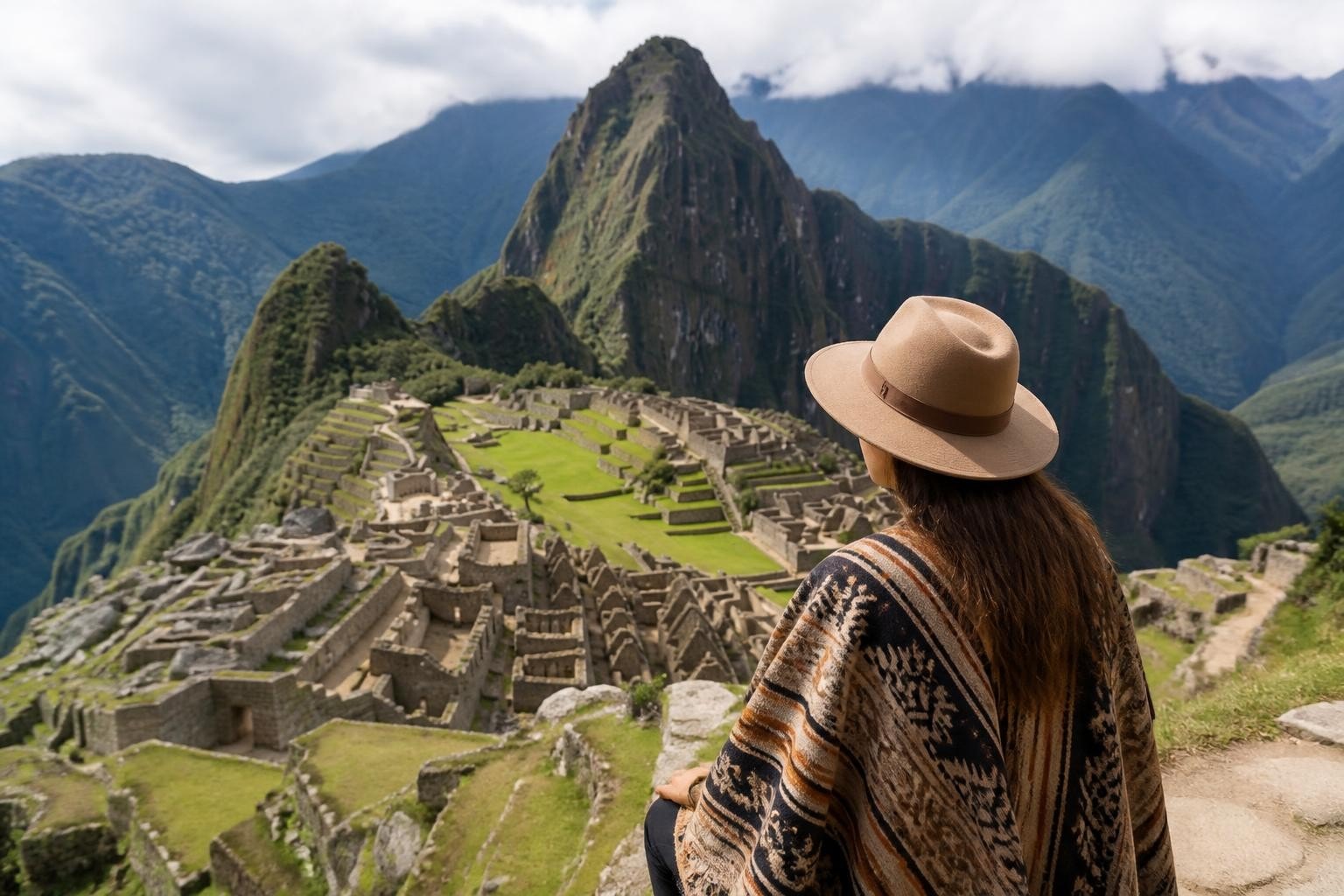
Planning a journey to one of the world's most iconic archaeological wonders requires careful consideration of logistics, timing, and travel preferences. A well-designed machu picchu trip package combines transportation, accommodations, permits, and guided experiences into a seamless adventure that reveals the mysteries of the ancient Inca citadel. Whether you're seeking a quick day excursion or an immersive multi-day expedition through the Andes, understanding the components of a comprehensive package ensures you maximize your time at this UNESCO World Heritage Site while minimizing planning stress.
Understanding Machu Picchu Trip Package Components
Every machu picchu trip package consists of several essential elements that work together to create a complete travel experience. The foundation includes entrance permits, which are strictly controlled by Peru's Ministry of Culture to protect the site's integrity and manage visitor flow.
Essential Package Inclusions
Transportation forms the backbone of any Machu Picchu journey. Most packages incorporate train travel from Cusco or Ollantaytambo to Aguas Calientes, the gateway town at the mountain's base. The scenic rail journey through the Sacred Valley offers stunning Andean views and builds anticipation for the main event.
Key components typically included:
- Round-trip train tickets (Expedition, Vistadome, or luxury Hiram Bingham service)
- Bus transfers between Aguas Calientes and the Machu Picchu entrance
- Official entrance permits with timed entry slots
- Professional bilingual guide services
- Hotel accommodations in Cusco and/or Aguas Calientes
The official ticket purchase system managed by Peru's government ensures all visitors obtain legitimate permits, which reputable tour operators secure as part of their package offerings.
Accommodation Standards and Options
Package quality varies significantly based on accommodation tier. Budget packages typically include three-star hotels with basic amenities, while premium options feature boutique properties or luxury lodges with spa facilities, gourmet dining, and personalized service.
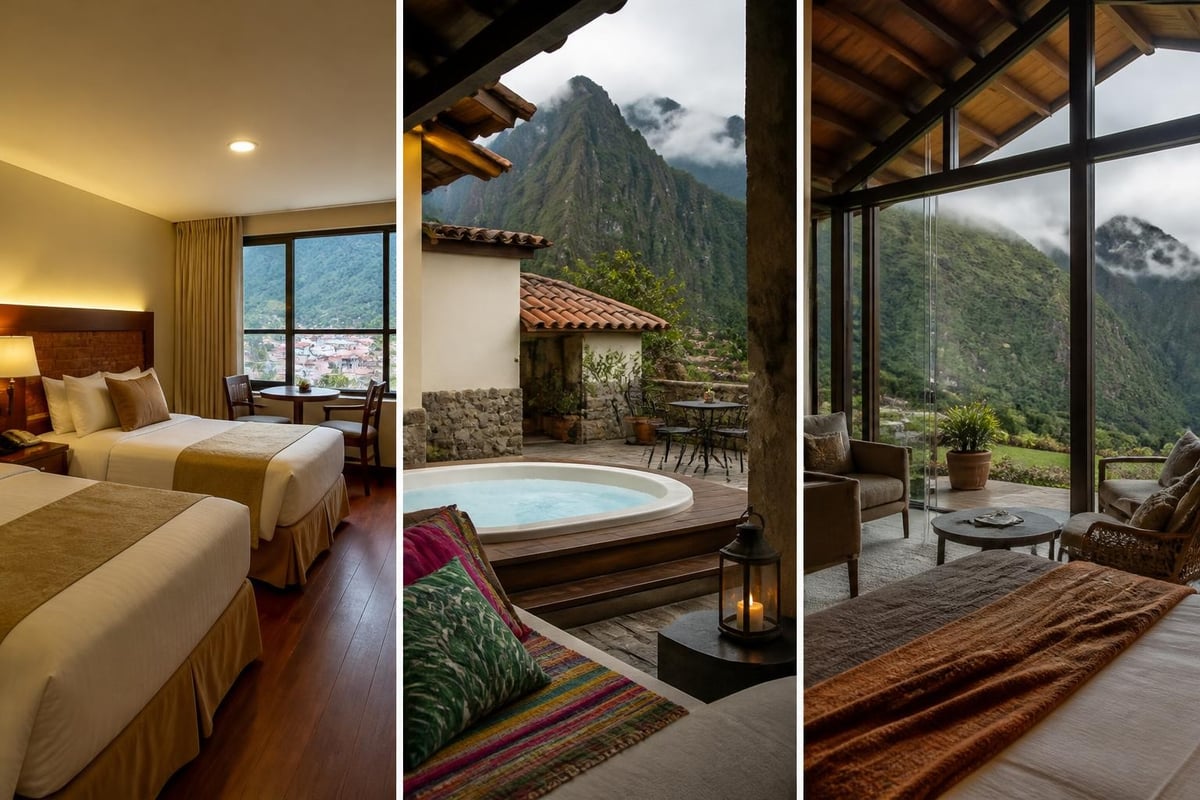
| Package Tier | Accommodation Type | Typical Amenities | Price Range |
|---|---|---|---|
| Budget | 3-star hotels | Wi-Fi, breakfast, basic rooms | $400-$600 |
| Mid-Range | 3.5-4 star hotels | Restaurant, better locations, upgraded rooms | $700-$1,200 |
| Premium | Boutique/luxury hotels | Spa, fine dining, concierge, premium views | $1,500-$3,000+ |
Location matters considerably. Staying in Aguas Calientes the night before your Machu Picchu visit allows for early morning entry when crowds are thinner and lighting is optimal for photography.
Duration Options for Your Machu Picchu Experience
The length of your machu picchu trip package dramatically affects what you'll experience beyond the citadel itself. Shorter packages focus exclusively on Machu Picchu, while extended itineraries incorporate the broader cultural and natural wonders of the Cusco region.
One to Two-Day Express Packages
Express packages cater to travelers with limited time or those adding Machu Picchu to a broader South American itinerary. A typical one-day package departs Cusco before dawn, includes the train journey, a two-hour guided tour of the ruins, and returns to Cusco by evening.
Two-day packages offer significant advantages. They eliminate the pre-dawn departure, allow for sunrise visits when the ruins emerge from morning mist, and provide flexibility to explore Aguas Calientes or revisit the citadel on the second day.
Benefits of overnight packages:
- More relaxed schedule without rushed morning departures
- Opportunity for sunrise entry at Machu Picchu
- Time to hike Huayna Picchu or Machu Picchu Mountain
- Reduced fatigue from altitude and travel
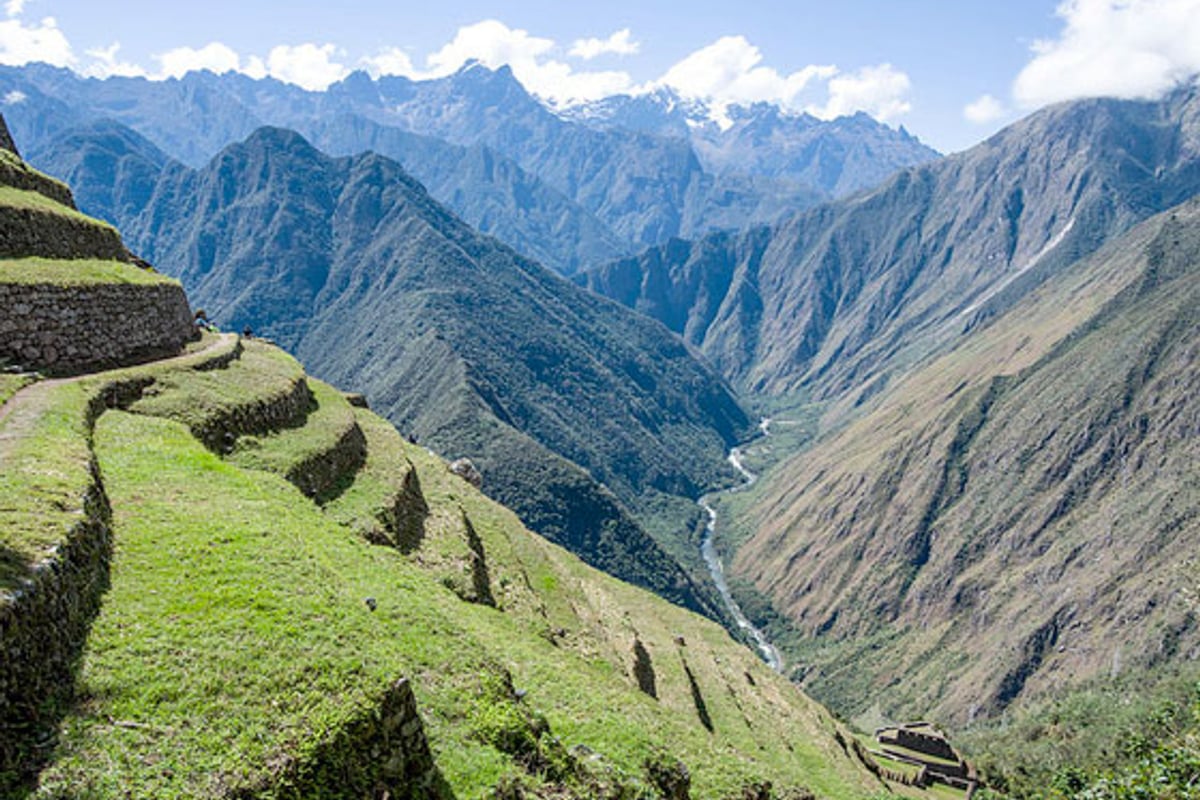
For travelers who want to experience the legendary Inca Trail but have limited time, the Short Inca Trail to Machu Picchu 2 Days / 1 Night offers an authentic trekking experience with a guided hike through cloud forest, visits to lesser-known ruins like Wiñay Wayna, and arrival at Machu Picchu through the iconic Sun Gate.
Extended Multi-Day Adventures
Four to six-day packages allow deeper immersion in Peruvian culture and Andean landscapes. These comprehensive machu picchu trip package options typically include Sacred Valley exploration, visits to colorful markets like Pisac, tours of Inca fortresses such as Ollantaytambo, and acclimatization time in Cusco.
The Sacred Valley leg introduces travelers to living Andean communities, traditional weaving cooperatives, and archaeological sites that provide context for understanding Machu Picchu's significance within the Inca Empire.
Week-Long Comprehensive Journeys
Seven to ten-day packages expand the adventure to include destinations like Rainbow Mountain, Humantay Lagoon, or even the Amazon rainforest. These itineraries appeal to travelers seeking a complete Peru experience that balances ancient history with natural wonders.
Longer durations also allow for better altitude acclimatization. Cusco sits at 11,152 feet, and gradual adjustment through Sacred Valley activities before ascending to Machu Picchu (7,972 feet) reduces altitude sickness risk.
Seasonal Considerations and Timing
Selecting the right travel window significantly impacts your machu picchu trip package experience. Peru's seasons influence weather, crowd levels, trail conditions, and overall enjoyment.
Dry Season Peak Period
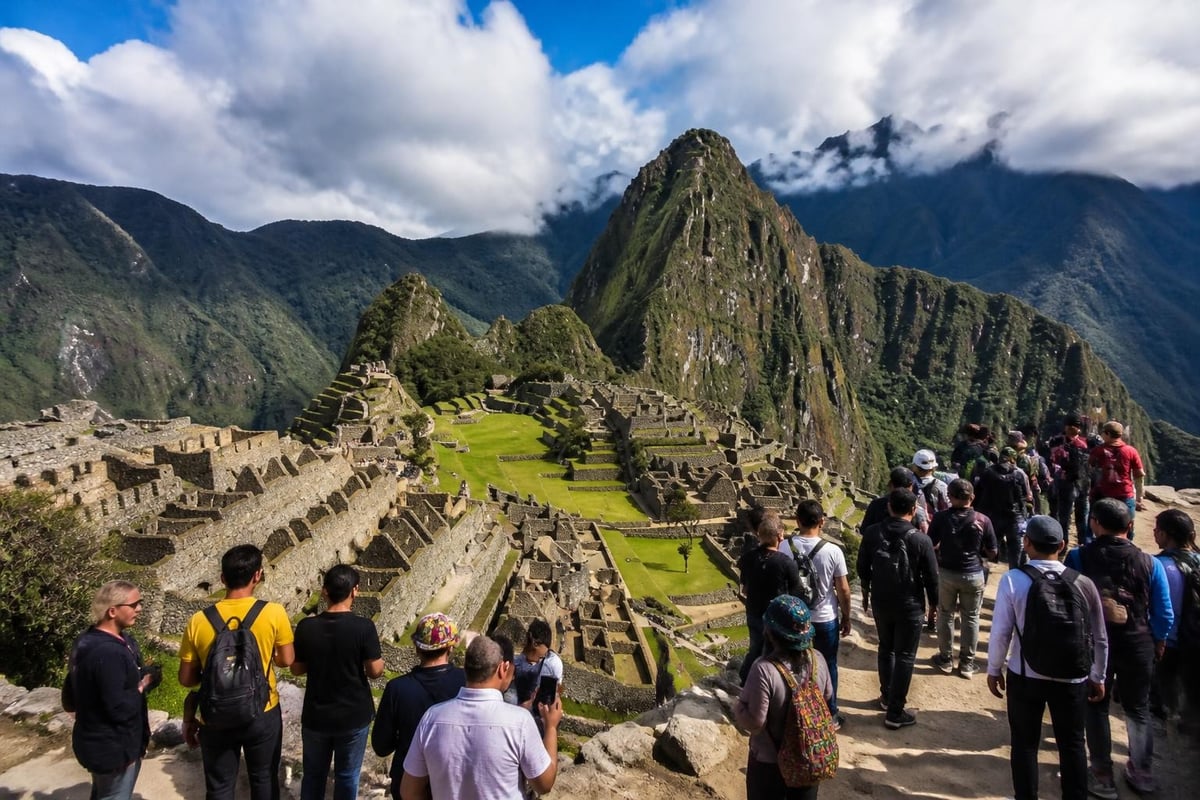
May through September constitutes Peru's dry season, when rainfall is minimal and skies are generally clear. This period sees the highest visitor numbers, particularly June through August when North American and European summer vacations coincide.
Dry season advantages:
- Minimal rain disruption to outdoor activities
- Clear mountain views for photography
- Stable trail conditions for trekking
- Warm daytime temperatures
The trade-off involves larger crowds and higher prices. According to National Geographic’s Peru travel guide, booking three to six months in advance during peak season is essential for securing preferred dates and permits.
Shoulder Season Opportunities
April and October represent shoulder months that balance favorable weather with smaller crowds. Morning rain showers occur more frequently, but afternoons often clear, and the landscape displays vibrant green hues from seasonal precipitation.
Package prices drop 15-25% compared to peak season, and popular trails like the Inca Trail have better permit availability. The reduced visitor density creates a more intimate experience at the ruins.
Wet Season Considerations
November through March brings Peru's rainy season, with January and February seeing the heaviest precipitation. The Inca Trail closes for maintenance each February, eliminating that option from packages during that month.
However, wet season offers distinct advantages for budget-conscious travelers. Package rates reach their lowest point, permits are readily available, and the dramatically reduced crowds mean you might have iconic viewpoints nearly to yourself during early morning visits.
| Season | Months | Weather | Crowds | Package Pricing |
|---|---|---|---|---|
| Dry | May-Sep | Sunny, cool nights | Heavy | Highest |
| Shoulder | Apr, Oct | Mixed, mild | Moderate | Mid-range |
| Wet | Nov-Mar | Rainy, warm | Light | Lowest |
Trekking vs. Train-Based Packages
Your preferred activity level determines whether you should choose a trekking-focused machu picchu trip package or a train-based option that emphasizes comfort over physical challenge.
Classic Inca Trail Packages
The four-day, three-night Inca Trail remains the most prestigious route to Machu Picchu. These packages include porters who carry camping equipment, camp cooks who prepare meals, and experienced guides who explain the archaeological sites encountered along the 26-mile route.
Permits are strictly limited to 500 people daily (including guides and porters), making early booking essential. The trail closes every February for restoration work, as mandated by SERNANP’s protected area management guidelines.
Physical fitness requirements are moderate but real. The second day involves climbing Dead Woman's Pass at 13,828 feet, the trail's highest point. Package operators typically include detailed preparation guides covering training regimens, packing lists, and altitude preparation.
Alternative Trek Options
Several alternative treks appeal to adventurers seeking less crowded routes or different landscape experiences. The Salkantay Trek covers 46 miles over five days through diverse ecosystems from snow-capped peaks to cloud forest. Lares Trek emphasizes cultural encounters with remote Andean communities alongside spectacular scenery.
These alternative treks don't require the same advance permits as the Inca Trail, offering more booking flexibility. They conclude with train travel to Aguas Calientes rather than arriving at Machu Picchu via the Sun Gate.
Train-Based Comfort Packages
Not every traveler wants to camp or trek for days. Train-based packages prioritize comfort and convenience while still delivering the Machu Picchu experience. Modern trains feature panoramic windows, onboard dining, and comfortable seating for the three-hour journey through the Urubamba Valley.
Premium train services like the Vistadome or Hiram Bingham add luxury elements such as glass ceiling panels, gourmet meals, and bar service. These elevated experiences significantly increase package costs but appeal to travelers celebrating special occasions or those with mobility limitations.
Customization and Add-On Experiences
Standard machu picchu trip package itineraries serve as foundations that can be customized based on personal interests and physical capabilities.
Cultural Immersion Extensions
Packages can incorporate traditional Andean experiences such as participation in Pachamama ceremonies, visits to family-run weaving cooperatives, or cooking classes featuring Peruvian cuisine. These cultural add-ons provide deeper understanding of contemporary Andean life.
Some operators arrange homestays in Sacred Valley communities, where travelers stay with local families, share meals, and participate in agricultural activities like potato harvesting or llama herding.
Adventure Activity Upgrades
Active travelers often enhance packages with additional mountain hikes. Huayna Picchu, the steep peak visible in classic Machu Picchu photographs, requires a separate timed permit and involves a strenuous 90-minute climb to spectacular summit views.
Rainbow Mountain (Vinicunca) day trips from Cusco have surged in popularity. These require high-altitude hiking to 17,060 feet to view mineral-streaked slopes displaying surreal color bands.
Popular adventure add-ons:
- White-water rafting on the Urubamba River
- Mountain biking descent from Abra Málaga pass
- Zip-lining near the Sacred Valley
- ATV tours through Moray terraces and Maras salt mines
Photography-Focused Packages
Professional and serious amateur photographers benefit from specialized packages that prioritize optimal lighting conditions and unique perspectives. These include pre-sunrise access permits, extended time allocations at the ruins, and guidance from photography-expert guides who know the best vantage points.
Some packages incorporate drone photography sessions (only permitted in designated areas outside the archaeological zone) or visits to lesser-known Inca sites with fewer restrictions.
Budget Planning and Cost Factors
Understanding what drives machu picchu trip package pricing helps travelers make informed decisions aligned with their financial parameters and value expectations.
Base Cost Components
The minimum cost for visiting Machu Picchu independently includes entrance permits (approximately $50-75 depending on route selection), round-trip train tickets ($120-140 for economy service), bus transfers ($24 round-trip), and guide services if desired ($30-50 for group tours).
Packages bundle these elements at rates that typically represent 10-20% savings versus booking each component separately, while adding the convenience of pre-arranged logistics and expert local knowledge.
Premium Service Premiums
Luxury packages can exceed $3,000 per person for multi-day experiences featuring five-star hotels, private guides, premium train services, gourmet dining, and exclusive experiences. These represent approximately 5-7 times the cost of budget packages but deliver substantially different comfort levels and personalization.
Mid-range packages ($800-1,500) strike a balance that most travelers find optimal, providing comfortable accommodations, quality guides, and efficient logistics without extreme luxury premiums.
Hidden Costs to Consider
Even all-inclusive packages have limits. Most exclude international flights to Peru, domestic flights between Lima and Cusco, travel insurance, equipment rentals for trekking packages, tips for guides and porters, and personal expenses like souvenirs or additional meals.
Additional budget items:
- Tips for guides ($15-25 per day) and porters ($10-15 per day)
- Equipment rental for treks ($30-100 for sleeping bags, trekking poles)
- Travel insurance with medical evacuation coverage ($50-150)
- Extra night in Cusco for altitude acclimatization ($40-200)
- Vaccination costs if required ($50-200)
Packages sold by international tour operators versus local Peruvian companies can differ by 30-50% for nearly identical itineraries. Direct booking with established local operators often provides better value while ensuring money flows directly to the Peruvian tourism economy.
Permits, Regulations, and Booking Logistics
Navigating Machu Picchu's regulatory framework represents one of the most valuable aspects of purchasing a machu picchu trip package rather than attempting independent arrangements.
Entry Circuit Systems
In 2024, Peru's Ministry of Culture implemented a mandatory circuit system dividing Machu Picchu into distinct routes. Circuit 1-2 includes the upper terraces and classic postcard viewpoints. Circuit 3-4 focuses on the agricultural sector and lower areas. Each circuit requires specific permits and allows different photography opportunities.
Reputable package operators understand these circuits and structure itineraries to match traveler priorities. According to official Ministry guidance on ticket purchases, visitors must select their circuit when obtaining permits, and changes are not permitted once inside the site.
Advance Booking Requirements
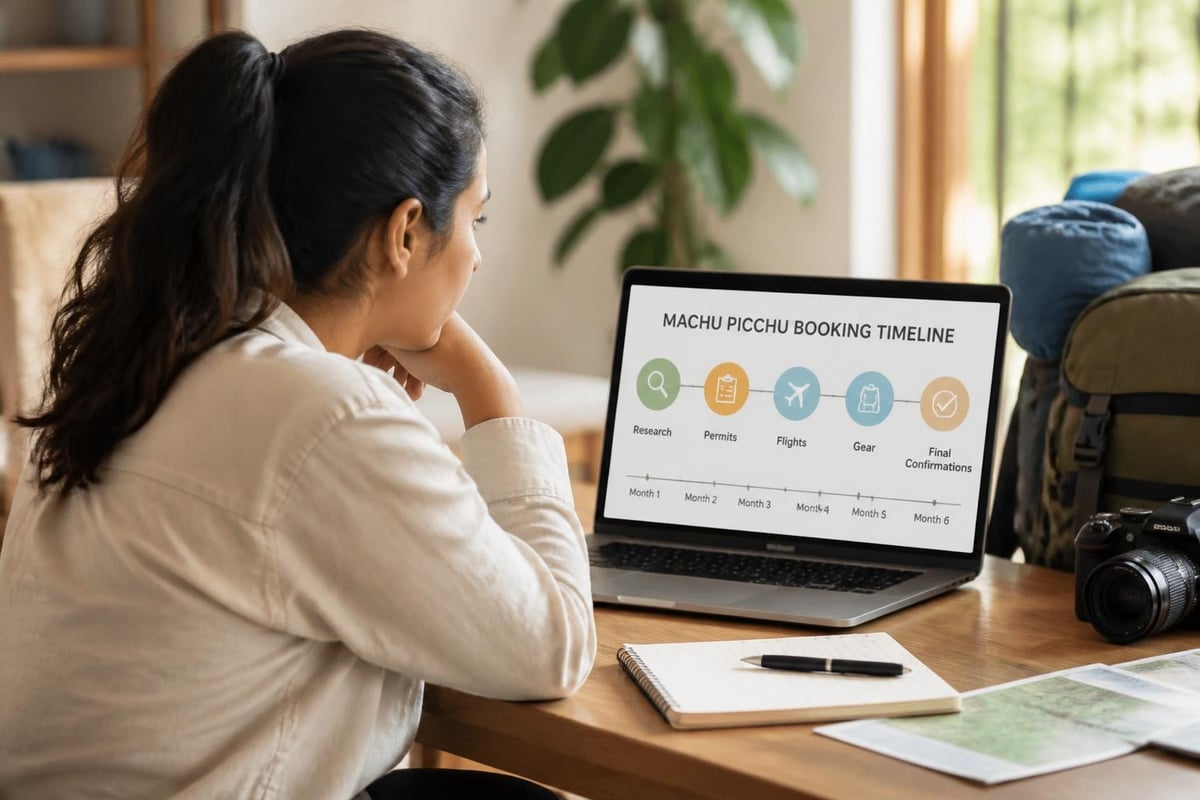
Inca Trail permits sell out three to six months ahead for peak season dates. Other Machu Picchu entry circuits typically have availability with one to two months' notice, but popular timeframes and add-ons like Huayna Picchu require earlier booking.
Package operators hold permit allocations and can sometimes secure access when individual booking systems show sold out status. This represents a significant advantage during peak travel periods.
Documentation and Passport Requirements
Entry permits require exact passport information, and the physical passport must be presented at entry checkpoints. Name changes due to marriage or legal processes after booking can create complications that package operators help resolve through Ministry of Culture channels.
Students under 25 with valid international student ID cards qualify for reduced entrance fees, and children under 18 receive discounted rates. Package operators can incorporate these savings when applicable.
Health, Safety, and Preparation Requirements
Physical and medical preparation ensures you fully enjoy your machu picchu trip package without health complications that could derail your adventure.
Altitude Acclimatization Strategies
Cusco's elevation exceeds 11,000 feet, where reduced oxygen levels affect most visitors arriving from sea-level locations. Symptoms range from mild headaches and fatigue to severe altitude sickness requiring medical intervention.
Well-designed packages include acclimatization days in Cusco or the lower Sacred Valley before Machu Picchu visits. The citadel itself sits at a moderate 7,972 feet, where most travelers experience minimal issues once acclimatized to Cusco's elevation.
Acclimatization best practices:
- Arrive in Cusco at least 48 hours before strenuous activities
- Avoid alcohol and heavy meals the first day
- Stay hydrated with three to four liters of water daily
- Consider coca tea, a traditional Andean remedy
- Consult physicians about acetazolamide (Diamox) for prevention
Required Vaccinations and Health Precautions
No vaccinations are mandatory for Machu Picchu visits, but hepatitis A, typhoid, and yellow fever are recommended by the CDC for Peru travel. Yellow fever becomes essential if your package includes Amazon extensions, as some regions require proof of vaccination.
Travel insurance with medical evacuation coverage provides peace of mind, particularly for trekking packages where remote locations limit immediate medical access. Policies typically cost 4-7% of total trip costs.
Fitness Level Assessments
Package descriptions include physical difficulty ratings, but these vary between operators. "Moderate" for one company might be "challenging" for another. Honest self-assessment and communication with tour operators ensures proper package selection.
The standard Machu Picchu tour without additional mountain climbs requires only the ability to walk two to three hours with frequent rest stops. Adding Huayna Picchu or the four-day Inca Trail demands significantly greater endurance and sure-footedness on uneven terrain and steep staircases.
Sustainable Tourism and Responsible Travel
The research on sustainable tourism management at Peru’s major destinations highlights the importance of choosing operators committed to preserving Machu Picchu for future generations while supporting local communities.
Environmental Impact Considerations
Daily visitor caps (currently 4,000 people divided across entry circuits) attempt to balance access with preservation. Responsible package operators adhere strictly to these limits and support conservation initiatives through partnerships with Peruvian cultural agencies.
Single-use plastics are banned at Machu Picchu. Quality packages provide reusable water bottles and refill stations, eliminating plastic waste from their groups.
Community Benefit Verification
Locally-led tour companies ensure tourism revenue reaches Peruvian guides, porters, hotel staff, and artisan communities rather than extracting profits to international corporations. Employment practices, fair wages, and support for local suppliers distinguish ethical operators.
Porter welfare on the Inca Trail has improved dramatically through regulations limiting carried weight to 44 pounds (including personal gear) and requiring proper equipment and insurance. Reputable package operators exceed minimum standards, providing quality gear and above-regulation compensation.
Cultural Respect Guidelines
Machu Picchu holds deep spiritual significance for Andean communities. Responsible packages incorporate cultural education, teaching visitors about Inca cosmology, respecting sacred spaces, and understanding contemporary Quechua culture beyond tourist stereotypes.
Package groups should remain on designated paths, refrain from touching fragile stone walls, and follow photographer guidelines that prohibit drones, tripods, and poses that endanger artifacts or disrupt other visitors.
Selecting Your Ideal Package Provider
The machu picchu trip package marketplace includes hundreds of operators ranging from budget consolidators to luxury specialists, making selection challenging without clear evaluation criteria.
Operator Credentials and Certifications
Legitimate Peruvian tour operators hold licenses from DIRCETUR (Regional Tourism Directorate). These registered companies carry required insurance, employ licensed guides, and meet safety standards. Verification through official channels protects travelers from unscrupulous operators.
International certifications like Travelife or Rainforest Alliance indicate commitment to sustainable practices. Member companies undergo regular audits covering environmental impact, labor practices, and community engagement.
Review Analysis and Due Diligence
Online reviews provide valuable insights but require careful interpretation. Consider recency, detail level, and whether reviews address your specific priorities (photography opportunities versus cultural immersion, for example).
According to Rough Guides’ Peru planning advice, direct communication with operators before booking reveals their expertise and customer service approach. Responsive, detailed answers to specific questions indicate professionalism and experience.
Cancellation Policies and Flexibility
Force majeure events, personal emergencies, and changed circumstances make flexible cancellation policies valuable. Package terms range from non-refundable to full refunds with 30-day notice.
Weather-related disruptions occasionally close train service or trails. Quality operators have contingency plans and rebooking procedures that protect travelers rather than simply forfeiting their investment.
| Policy Type | Refund Threshold | Typical Terms | Best For |
|---|---|---|---|
| Non-refundable | 0% | No refund, possible credit | Budget-conscious, certain plans |
| Moderate | 50-75% | 30-45 day notice | Most travelers |
| Flexible | 90-100% | 14-30 day notice | Premium packages, uncertain schedules |
Inclusions Comparison Checklist
Detailed package comparison requires line-by-line analysis of inclusions. Some advertise low headline prices but exclude train tickets, entrance permits, or guide services that competitors bundle. Total cost comparison provides accurate value assessment.
Ask specifically about meal inclusions (how many breakfasts, lunches, dinners), accommodation quality (star rating, location, amenities), group size limits, guide-to-traveler ratios, and whether tips are included or expected.
Selecting the right machu picchu trip package transforms your Peruvian adventure from a logistical challenge into an expertly curated journey through one of humanity's most remarkable archaeological treasures. From understanding seasonal variations and permit requirements to evaluating operator credentials and customization options, informed planning ensures your investment delivers the unforgettable experience this wonder of the world deserves. Machupicchu Trips specializes in locally-led adventures that combine professional expertise with authentic cultural immersion, offering packages ranging from express day tours to comprehensive week-long expeditions designed to reveal the full beauty and mystery of the Andes and the Lost City of the Incas.