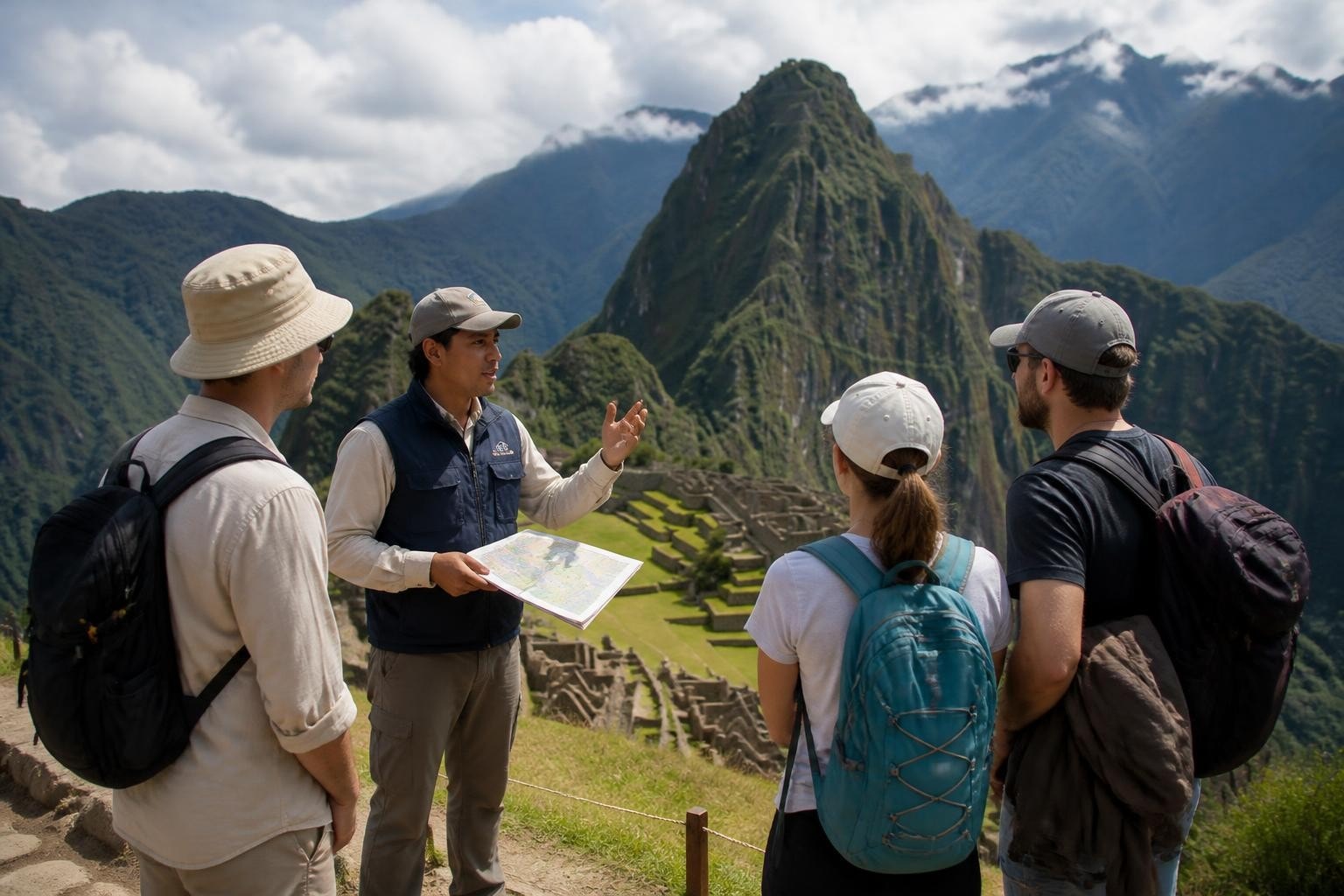
Planning group trips to Machu Picchu requires careful coordination, advance booking, and an understanding of Peru's evolving visitor regulations. Whether you're organizing a corporate retreat, family reunion, student expedition, or special interest tour, the logistics of bringing multiple travelers to the world's most iconic Inca citadel demand strategic planning and local expertise. The reward is an unforgettable shared experience exploring one of humanity's greatest archaeological treasures, surrounded by breathtaking Andean peaks and steeped in centuries of history.
Understanding Current Group Travel Regulations
Peru's Ministry of Culture has implemented comprehensive regulations governing access to Machu Picchu to preserve the archaeological site for future generations. According to official capacity guidelines, visitor numbers are carefully managed through a time-slot system that affects how groups can structure their visits.
Group Size Limitations and Circuit Access
The 2024 regulatory framework establishes specific protocols for group tours. Understanding these rules is essential for successful trip planning:
- Maximum group size is typically capped at 16 visitors per guide
- Larger parties must split into multiple guided groups with separate time slots
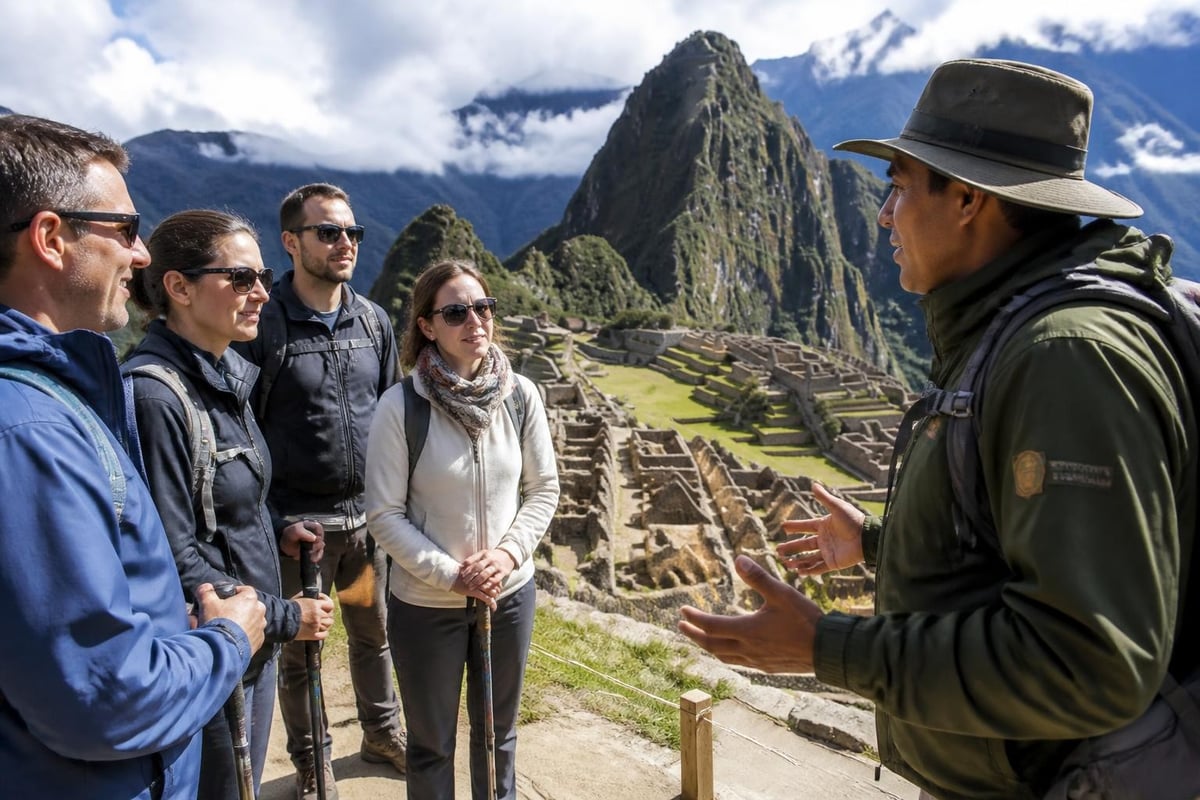
- All groups require licensed professional guides
- Entry times are fixed and cannot be changed on-site
- Circuit assignments determine which areas of the site you'll explore
These regulations ensure sustainable tourism while protecting the fragile archaeological structures from excessive foot traffic.
The New Circuit System
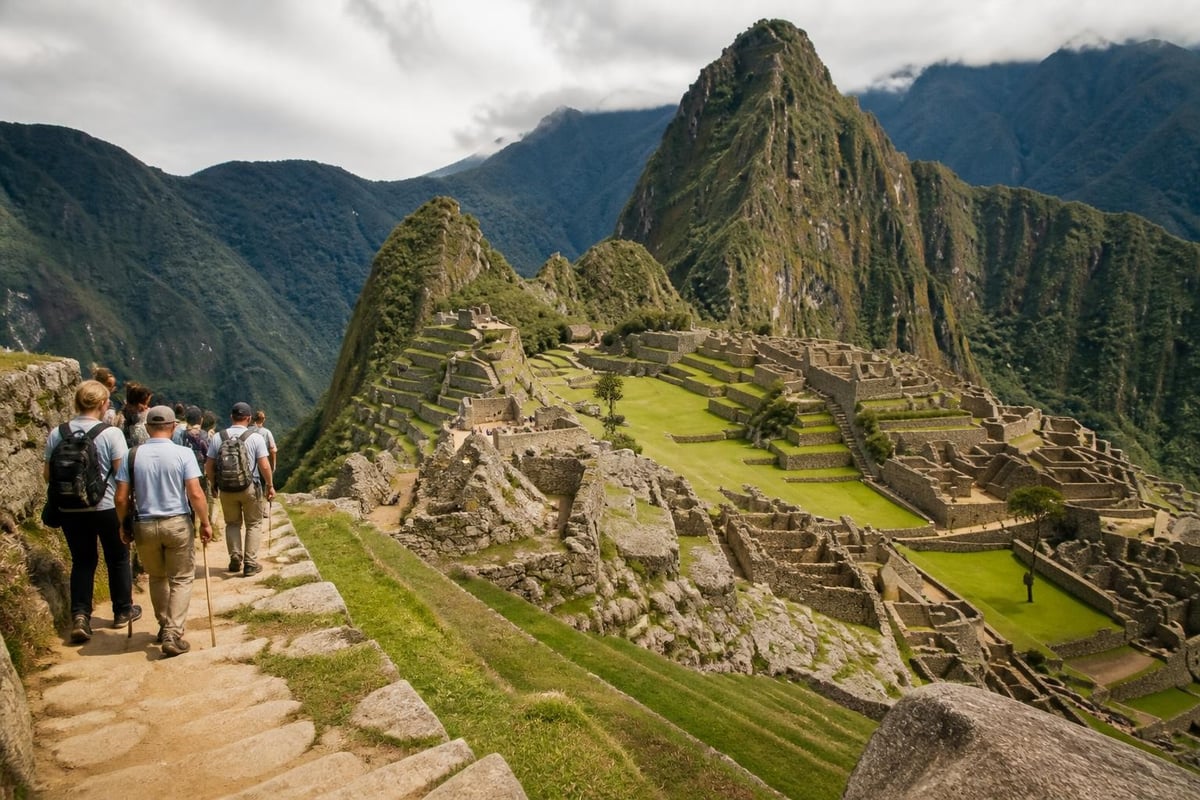
The updated Machu Picchu circuits introduced in recent years have fundamentally changed how groups experience the site. Each circuit offers distinct routes and experiences, making circuit selection a critical decision for group organizers.
| Circuit | Key Features | Duration | Best For |
|---|---|---|---|
| Circuit 1 | Upper terraces, panoramic views, Mountain Gate | 2-3 hours | Photography groups, first-time visitors |
| Circuit 2 | Classic postcard viewpoint, agricultural terraces | 2.5 hours | Traditional tours, mixed abilities |
| Circuit 3 | Temple area, agricultural zone, quarries | 3 hours | History enthusiasts, extended tours |
| Circuit 4 | Lower agricultural sector, alternative perspectives | 2 hours | Repeat visitors, specialized interests |
Group trips to Machu Picchu must select circuits based on participant interests, physical capabilities, and scheduling constraints.
Essential Advance Planning for Groups
Successful group coordination begins months before departure. The combination of limited daily capacity, strict entry times, and high demand means last-minute arrangements are virtually impossible during peak season.
Booking Timeline and Permit Acquisition
Recommended booking windows:
- 6-12 months in advance: Peak season groups (May-September), special mountain permits, large parties
- 3-6 months in advance: Shoulder season visits (April, October), mid-sized groups
- 2-3 months minimum: Smaller groups during low season (November-March)
Working with experienced local operators streamlines the permit process significantly. They navigate the official ticketing system and coordinate multiple group entry slots simultaneously.
Transportation Coordination
Train capacity from Cusco or Ollantaytambo to Aguas Calientes limits group flexibility. Coordinating group trips to Machu Picchu requires booking entire train cars or multiple departures:
- PeruRail and Inca Rail: Book group blocks early for preferred departure times
- Bus tickets: Arrange group bus transport from Aguas Calientes to the site entrance
- Internal flights: Cusco-Lima connections need careful scheduling for arrival and departure synchronization
- Ground transfers: Private coaches for Cusco city tours and Sacred Valley excursions
Groups larger than 30 travelers often require split departures or multi-day visit windows to accommodate everyone.
Creating Inclusive Group Itineraries
Diverse group composition presents both challenges and opportunities. Age ranges, fitness levels, cultural interests, and travel experience vary widely within most groups, requiring thoughtful itinerary design.
Accommodating Different Fitness Levels
Not every group member will want or be able to tackle Huayna Picchu's steep staircases or the challenging Inca Trail. Smart itinerary design offers alternatives:
- Main site only: The primary Machu Picchu circuits suit most fitness levels
- Mountain add-ons: Huayna Picchu or Machu Picchu Mountain for adventurous subgroups
- Flexible timing: Early and late entry slots allow staggered participation
- Rest day options: Aguas Calientes activities for those needing downtime
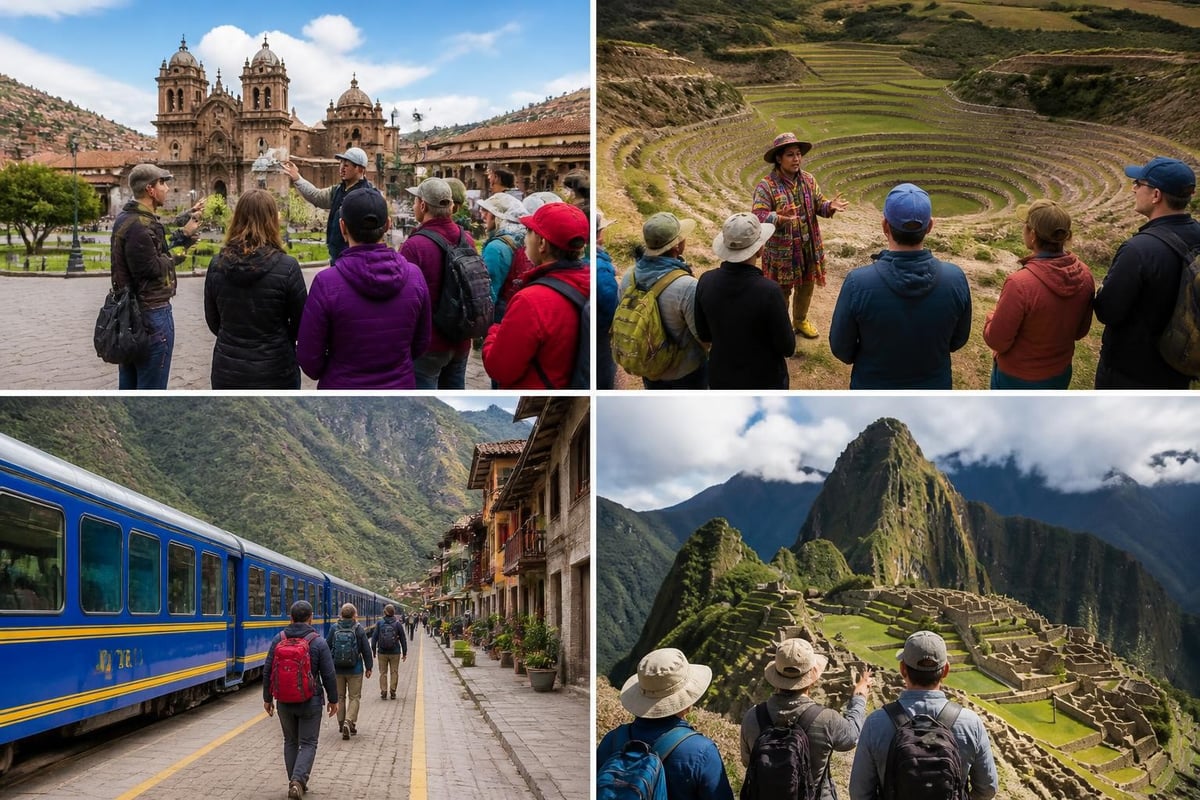
The Machu Picchu Explore Tour offers a balanced approach with five days to experience Cusco, the Sacred Valley, and Machu Picchu without rushing, ideal for groups with varied physical capabilities and interests.
Cultural and Educational Programming
Groups often seek deeper engagement beyond sightseeing. Educational components transform group trips to Machu Picchu into immersive learning experiences:
- Expert-led lectures: Evening presentations on Inca history, architecture, and cosmology
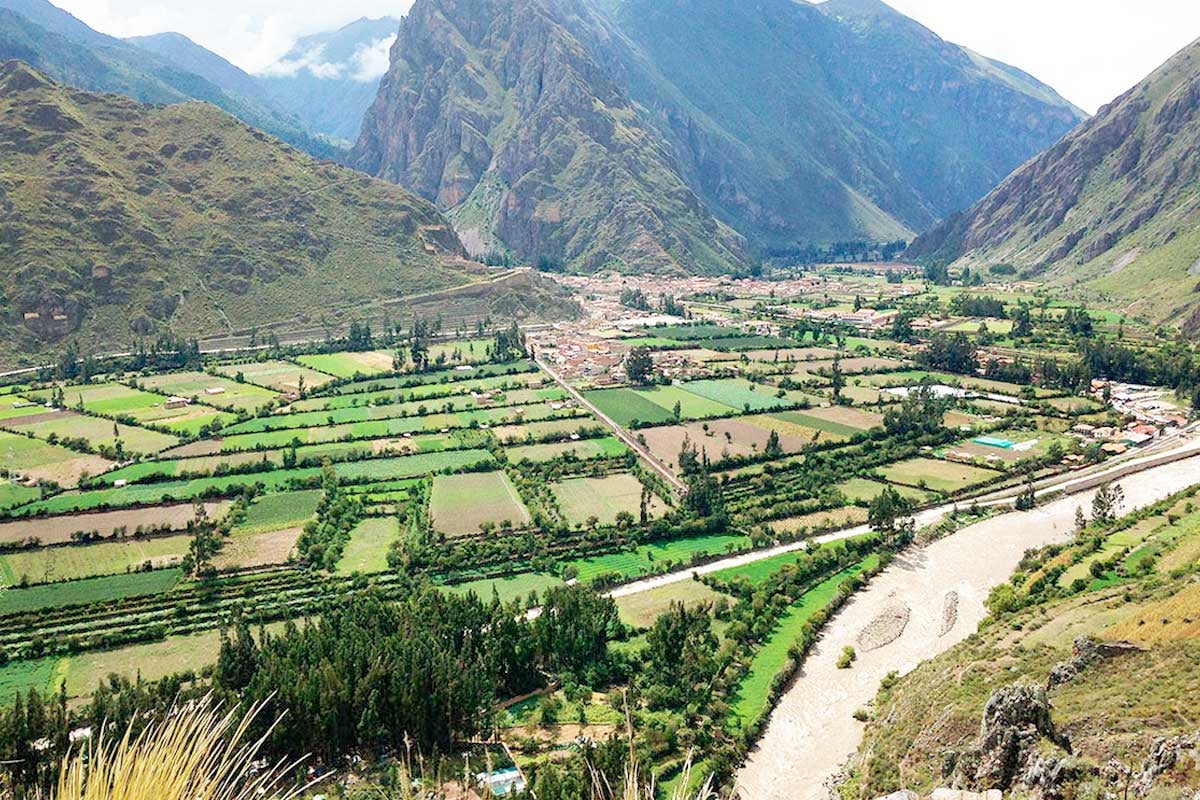
- Community visits: Sacred Valley textile cooperatives and agricultural communities
- Culinary experiences: Traditional Pachamanca cooking demonstrations and Andean cuisine tastings
- Archaeological context: Pre-visit briefings at Cusco's museums and Inca sites
Student groups, special interest tours, and corporate retreats particularly benefit from structured educational programming that contextualizes the Machu Picchu experience.
Logistics Management for Large Parties
Complex logistics multiply with group size. Successful coordinators develop comprehensive management systems covering every detail from airport arrivals to final departures.
Communication and Coordination Tools
Modern technology enables effective group management across multiple days and locations:
- Group messaging platforms: WhatsApp groups for real-time updates and coordination
- Shared digital itineraries: Cloud-based schedules accessible to all participants
- Emergency contact protocols: Clear escalation procedures and local support numbers
- Daily briefings: Morning and evening check-ins to confirm next-day plans
Assigning assistant coordinators or "team leaders" for sub-groups distributes responsibility and ensures everyone stays informed.
Financial Considerations and Payment Structures
Group pricing typically offers economies of scale, but payment collection and budget transparency matter:
| Group Size | Typical Per-Person Savings | Payment Structure | Deposit Requirements |
|---|---|---|---|
| 10-15 people | 10-15% vs. individual | Individual payments accepted | 30-50% at booking |
| 16-25 people | 15-20% vs. individual | Mix of individual/group payment | 40-50% at booking |
| 26+ people | 20-25% vs. individual | Usually group payment | 50% at booking |
Transparent budget breakdowns build trust and help participants understand where their investment goes: permits, guides, transportation, accommodations, meals, and insurance.
Health, Safety, and Risk Management
Altitude, physical exertion, and distance from major medical facilities require proactive health planning for group trips to Machu Picchu. Responsible organizers prioritize participant safety through preparation and contingency planning.
Altitude Acclimatization Protocols
Cusco sits at 3,400 meters (11,150 feet), while Machu Picchu itself is at a more moderate 2,430 meters (7,970 feet). Proper acclimatization prevents altitude sickness:
- Arrive Cusco 2-3 days early: Gradual adjustment before Machu Picchu visit
- Hydration emphasis: Encourage constant water intake and avoid alcohol initially
- Light first-day activities: City tours and museums before strenuous excursions
- Medication availability: Consult physicians about acetazolamide for susceptible individuals
- Recognition training: Educate group on altitude sickness symptoms and response protocols
Groups should identify medical professionals within their party or arrange for medical support through tour operators.
Travel Insurance and Emergency Response
Comprehensive group travel insurance is non-negotiable. Coverage should include:
- Medical evacuation: Helicopter transport to Cusco or Lima if necessary
- Trip cancellation/interruption: Protection against unforeseen changes
- Adventure activity coverage: Ensures hiking and mountain climbing are included
- Group liability: Protection for organizers and coordinators
Review current safety advisories for Peru, including transportation disruptions and regional conditions that may affect travel plans.
Maximizing Group Experience Value
Beyond logistics and compliance, exceptional group trips create memorable shared experiences. Strategic planning transforms a tour into a bonding opportunity and transformative journey.
Building Group Cohesion
Shared experiences at Machu Picchu naturally create connections, but intentional activities enhance bonding:
- Pre-trip virtual meetups: Introductions and expectation-setting before departure
- Team challenges: Scavenger hunts or photography competitions within the site
- Group reflection sessions: Evening discussions about the day's discoveries
- Celebration dinners: Special meals in Aguas Calientes or upon return to Cusco
Corporate groups particularly benefit from facilitated reflection connecting Machu Picchu's lessons to organizational values and team dynamics.
Photography and Memory Preservation
Groups want lasting memories of their shared adventure. Professional photography adds significant value:
Photography options for groups:
- Hire professional photographers for key moments (group shots at sunrise, circuit highlights)
- Designate group members as daily photographers on rotation
- Create shared digital albums accessible to all participants
- Schedule specific photo stops during guided tours
The iconic "postcard view" from Circuit 2 remains the most requested group photo location, but early coordination with guides ensures adequate time at prime viewpoints.
Sustainable and Responsible Group Travel
Research on Machu Picchu’s conservation demonstrates the importance of sustainable visitor management. Group organizers bear special responsibility to minimize collective environmental and cultural impact.
Environmental Stewardship Practices
Responsible group trips to Machu Picchu implement conservation-minded practices:
- Waste reduction: Reusable water bottles and minimal single-use plastics
- Trail etiquette: Staying on designated paths and respecting archaeological areas
- Wildlife respect: Observing vicuñas and spectacled bears from appropriate distances
- Cultural sensitivity: Respecting sacred spaces and following guide instructions
Many groups incorporate service components, such as trail maintenance volunteer projects or supporting local conservation initiatives, adding meaning to their journey.
Supporting Local Communities
Tourism can benefit Andean communities when thoughtfully structured. Groups can prioritize local impact:
- Local guide employment: Ensures economic benefits reach community members
- Community-owned accommodations: Stay in locally-run hotels in Aguas Calientes
- Artisan purchases: Direct purchases from Sacred Valley craft cooperatives
- Restaurant selection: Choose family-owned restaurants over international chains
These choices distribute tourism revenue more equitably while providing authentic cultural experiences.
Special Considerations for Different Group Types
Different group categories have unique needs and priorities. Tailoring approaches maximizes satisfaction for student groups, corporate retreats, family reunions, and special interest tours.
Student and Educational Groups
Academic groups require educational depth, budget consciousness, and age-appropriate activities:
- Curriculum integration: Connect visits to history, archaeology, architecture, or environmental science courses
- Structured learning: Worksheets, journals, or research projects tied to the experience
- Chaperone ratios: Ensure adequate adult supervision throughout the journey
- Budget accommodations: Hostels and economical meal options without sacrificing safety or quality
Educational group trips to Machu Picchu often incorporate service learning or research components that deepen student engagement.
Corporate and Incentive Groups
Business groups seek premium experiences, seamless logistics, and team-building value:
- Luxury accommodations: Upscale hotels in Cusco and Aguas Calientes
- Private transportation: Chartered trains and vehicles for exclusive use
- Custom programming: Integration of corporate messaging and leadership development
- Flexibility: Ability to accommodate last-minute changes and VIP requirements
Incentive groups particularly appreciate exclusive access experiences, such as private evening site visits or meetings with prominent archaeologists.
Multi-Generational Family Groups
Family reunions spanning ages require flexibility and inclusive planning:
- Varied activity intensity: Options for both adventurous teens and older grandparents
- Family-friendly accommodations: Interconnecting rooms and family suites
- Flexible meal timing: Accommodating different eating schedules and preferences
- Child-friendly guides: Engaging younger participants with storytelling and interactive elements
Multi-generational groups benefit from longer itineraries that allow rest days and individual exploration time.
Weather Considerations and Seasonal Planning
Machu Picchu's location on the eastern slopes of the Andes creates distinct wet and dry seasons that significantly impact group experiences.
Peak Season Advantages and Challenges
Dry season (May-September):
- Advantages: Minimal rain, clear skies, optimal photography conditions
- Challenges: Maximum crowds, higher prices, intense booking competition
- Planning emphasis: Book 6-12 months ahead, expect premium pricing
Shoulder seasons (April, October):
- Advantages: Good weather probability, moderate crowds, better availability
- Challenges: Occasional rain, variable conditions
- Planning emphasis: Balance value and weather risk, book 3-6 months ahead
Wet season (November-March):
- Advantages: Fewer tourists, lower prices, lush green landscapes
- Challenges: Frequent rain, muddy trails, occasional closures
- Planning emphasis: Pack rain gear, build schedule flexibility, embrace the atmosphere
Many experienced group leaders prefer shoulder seasons for the balance of manageable crowds and reasonable weather.
Pre-Departure Preparation and Group Readiness
Thorough pre-trip preparation determines group success. Well-prepared participants navigate challenges confidently and maximize their Machu Picchu experience.
Required Documentation and Compliance
Ensure all group members have completed necessary preparations:
- Passport validity: At least six months beyond return date
- Vaccination records: Yellow fever recommended for certain itineraries
- Travel insurance: Verified coverage for all participants
- Emergency contacts: Collected and distributed to all group members
- Waivers and releases: Completed liability documents for activity participation
Creating group-specific preparation guides ensures nothing falls through the cracks.
Physical and Mental Preparation
Group trips to Machu Picchu demand physical readiness and mental preparation:
Physical conditioning recommendations:
- Begin cardiovascular training 8-12 weeks before departure
- Practice hiking with daypack on varied terrain
- Build stamina through progressive distance increases
- Focus on leg strength and core stability
Mental preparation aspects:
- Set realistic expectations about weather, crowds, and physical demands
- Research Inca history and archaeological significance
- Understand cultural norms and respectful behavior
- Prepare for limited connectivity and technology detox
Pre-trip educational sessions build excitement while ensuring everyone understands what to expect.
Post-Visit Impact and Legacy
The Machu Picchu experience doesn't end when groups board return flights. Thoughtful follow-up activities extend and deepen the journey's impact.
Knowledge Retention and Sharing
Groups can maintain momentum through post-trip engagement:
- Reunion gatherings: Share photos and reflections weeks after return
- Presentation creation: Develop talks for wider organizational or community audiences
- Social media campaigns: Coordinated sharing highlighting conservation and cultural lessons
- Continued learning: Book clubs or documentary viewings exploring Andean culture
Student groups particularly benefit from formal presentations or research papers integrating their experiences.
Ongoing Connection to Peru
Many group participants develop lasting connections to Peru and its people:
- Pen pal programs: Connect with guide families or community members
- Charitable support: Ongoing contributions to Andean education or conservation projects
- Return trip planning: Alumni reunions or follow-up journeys to explore other regions
- Cultural exchange: Hosting Peruvian visitors or supporting cultural programs
These connections transform a single trip into an enduring relationship with Peru's heritage and people.
Group trips to Machu Picchu demand careful planning, regulatory compliance, and thoughtful coordination, but the shared wonder of exploring this ancient citadel together creates bonds and memories that last a lifetime. From permit acquisition and circuit selection to cultural programming and sustainable practices, every detail contributes to a transformative group experience. Ready to bring your group to the heart of the Inca Empire? Machupicchu Trips offers locally-led tours with expert guides who handle all logistics, ensuring your group experiences the magic of Machu Picchu and the Andes with confidence and cultural depth.