
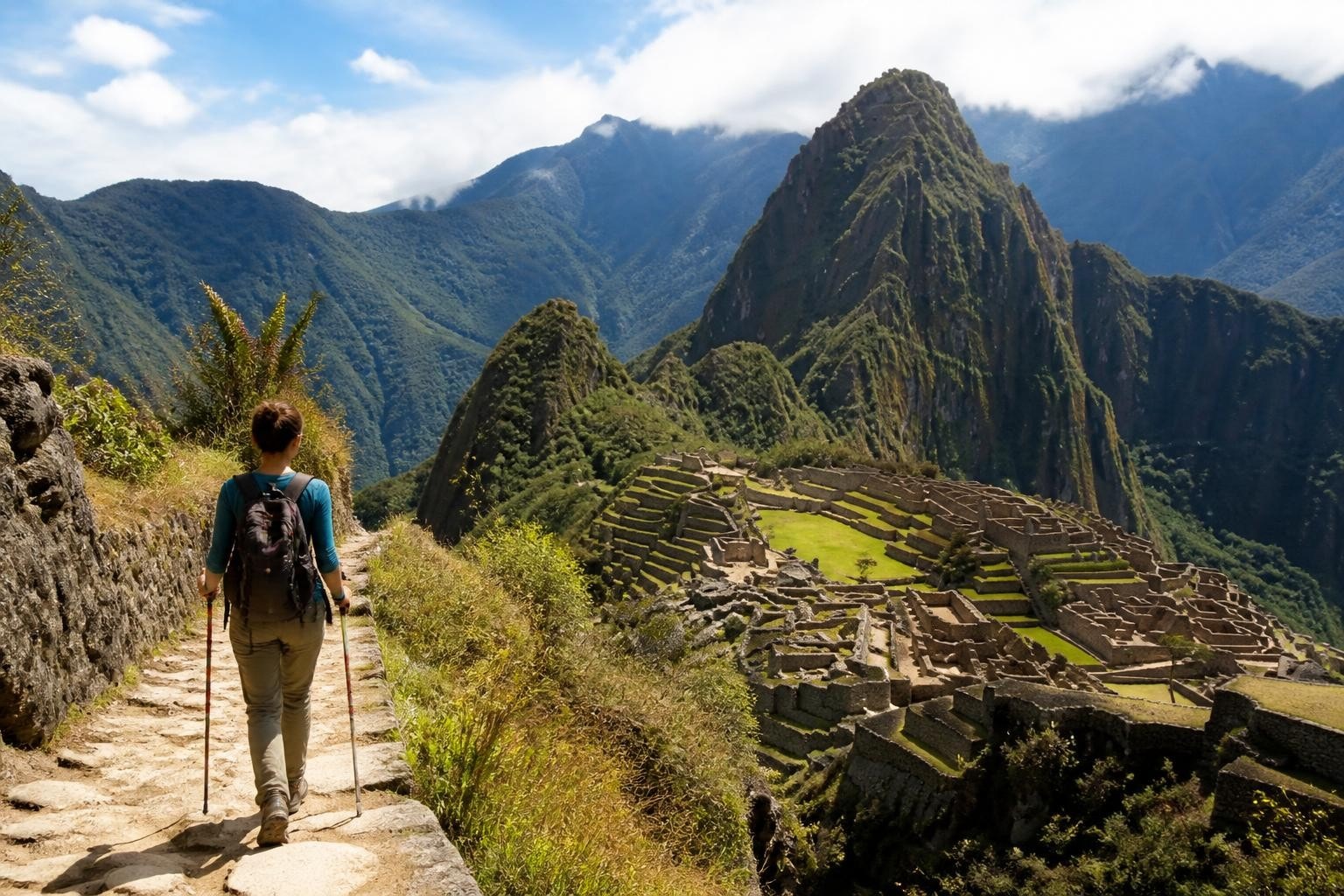
A machu picchu 2 day hike offers the perfect balance between adventure and accessibility. Whether you're short on time or seeking a condensed trekking experience, a two-day journey to the legendary Inca citadel delivers stunning mountain scenery, authentic trail experiences, and the unforgettable moment when you first glimpse the Lost City of the Incas. This comprehensive guide breaks down everything you need to know to plan, prepare, and execute an exceptional two-day hiking adventure to one of the world's most iconic archaeological sites.
Understanding Your Two-Day Hiking Options
Several distinct routes allow you to complete a machu picchu 2 day hike, each offering unique advantages and experiences. The Short Inca Trail represents the most popular choice, combining authentic trekking with archaeological exploration. This route covers approximately 16 kilometers and includes a night in Aguas Calientes before your Machu Picchu visit.
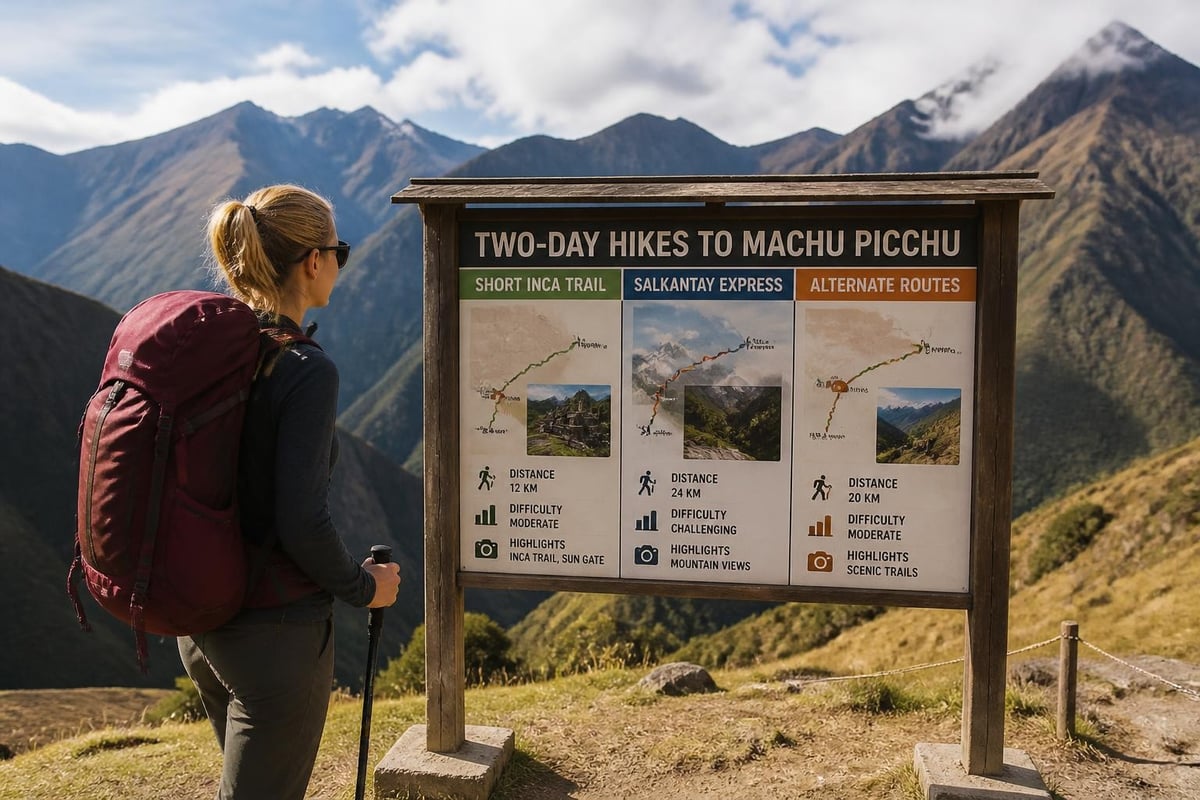
The Salkantay Express provides a more challenging alternative for experienced hikers. This condensed version of the classic Salkantay Trek pushes through dramatic mountain passes and cloud forest transitions in just two days. While demanding, it rewards hikers with spectacular high-altitude landscapes and fewer crowds than the traditional Inca Trail.
Short Inca Trail Breakdown
The Short Inca Trail begins at kilometer 104 of the railway line between Cusco and Aguas Calientes. Hikers must obtain permits well in advance, as daily access is strictly limited to 250 people including guides and porters.
Day One highlights include:
- Early morning train departure from Ollantaytambo
- Trek through Chachabamba archaeological site
- Steep ascent to Wiñay Wayna ruins
- Arrival at Inti Punku (Sun Gate) for sunset views
- Descent to Aguas Calientes for overnight rest
Day two focuses entirely on exploring Machu Picchu itself. You'll rise early to catch one of the first buses up the mountain, allowing you to experience the citadel as morning mist lifts from the ruins. Professional guides bring the site's history alive through detailed explanations of temple complexes, agricultural terraces, and astronomical observatories.
Alternative Mountain Routes
Beyond the official Inca Trail, several alternative paths offer two-day hiking experiences. The Lares Trek can be shortened to a two-day format, though this requires careful planning and typically includes private transportation. Similarly, portions of the Salkantay route can be adapted for compressed itineraries.
These alternatives often provide more flexibility with permits and scheduling. However, they may not deliver the same historical immersion as walking along original Inca paving stones. Consider your priorities carefully when selecting your route.
Permit Requirements and Booking Strategy
Securing permits represents the most critical step in planning your machu picchu 2 day hike. The official entry hours and regulations outline strict capacity limits designed to protect this UNESCO World Heritage site.
For the Short Inca Trail, permits sell out months in advance, particularly during peak season (May through September). The Peruvian government releases permits approximately six months ahead, and popular dates disappear within days of becoming available.
| Booking Timeline | Availability | Price Range |
|---|---|---|
| 6 months ahead | Excellent | Standard |
| 3-4 months ahead | Moderate | Standard |
| 1-2 months ahead | Limited | Standard |
| Last minute | Rare | Standard |
Work exclusively with authorized operators who hold proper permits and maintain responsible tourism practices. Machupicchu Trips coordinates all necessary documentation, ensuring you have confirmed access for both trail hiking and Machu Picchu entry.
Understanding Circuit Systems
In 2026, Machu Picchu operates under a circuit system that determines which areas visitors can access. Your two-day itinerary should account for these restrictions when planning your exploration time. Circuit 1 offers the classic postcard views, while Circuit 2 provides access to the iconic Guardian's House viewpoint.
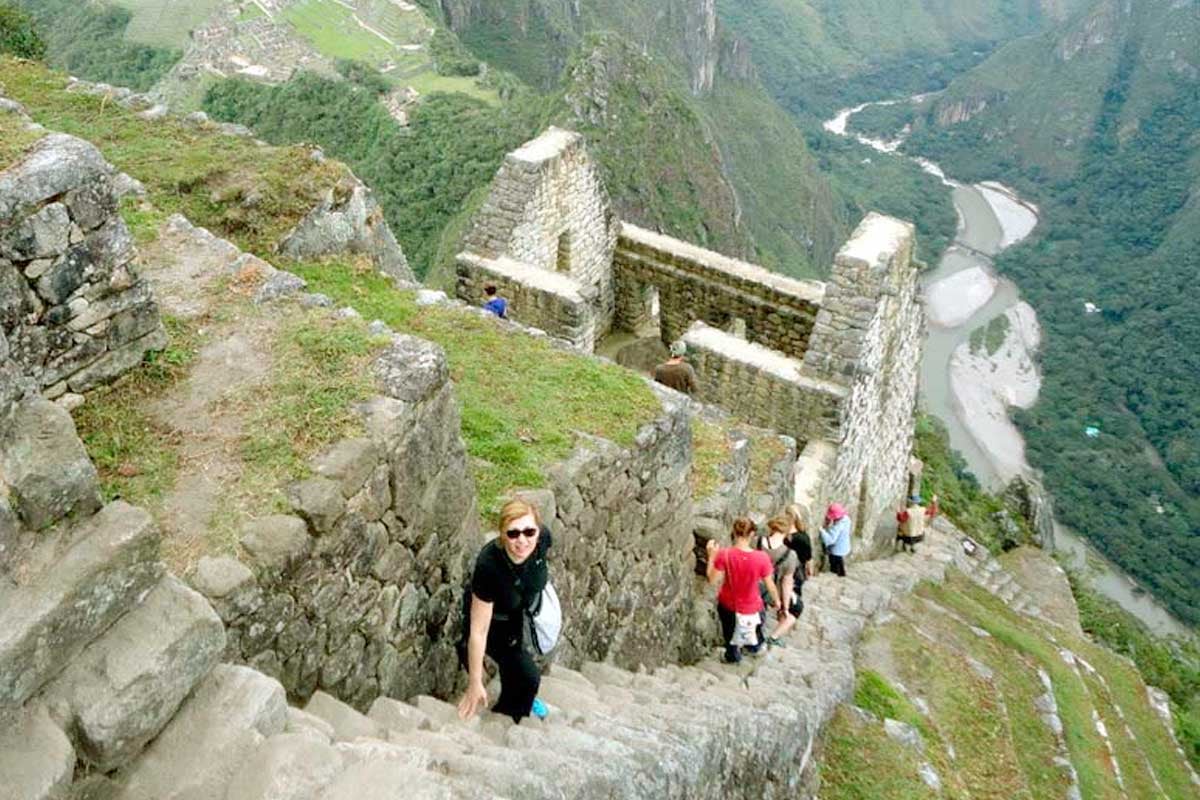
Additional mountain permits for Huayna Picchu or Machu Picchu Mountain require separate bookings and add another dimension to your visit. These challenging climbs reward hikers with panoramic perspectives impossible to achieve from the main citadel. The Machu Picchu & Huaynapicchu Tour 2 Days combines citadel exploration with the thrilling ascent of Huayna Picchu, offering breathtaking views that make the steep climb worthwhile.
Physical Preparation and Fitness Requirements
A machu picchu 2 day hike demands moderate to high fitness levels depending on your chosen route. The Short Inca Trail involves approximately 2,000 feet of elevation gain over steep stone steps and uneven terrain. Altitude compounds the challenge, with portions of the trail reaching above 8,800 feet.
Training should focus on:
- Cardiovascular endurance through regular hiking, running, or cycling
- Leg strength via stair climbing and squats
- Core stability for balance on uneven surfaces
- Altitude acclimatization through gradual elevation exposure
Begin training at least eight weeks before your departure. Gradually increase both distance and elevation gain in your practice hikes. If possible, train with a loaded daypack to simulate actual trekking conditions.
Altitude Acclimatization Protocol
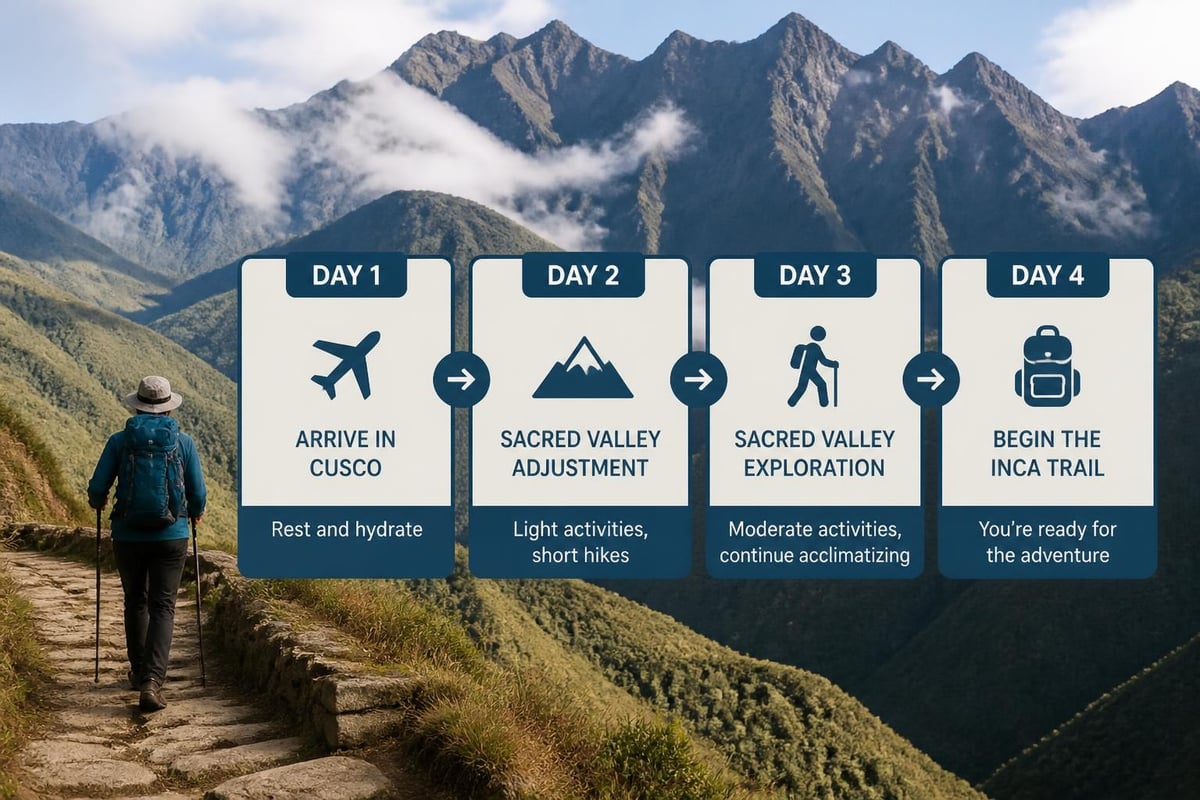
Arriving in Cusco (11,150 feet) several days before your hike is essential. This acclimatization period allows your body to adjust to reduced oxygen levels and significantly reduces the risk of altitude sickness. National Geographic recommends spending at least two full days in Cusco before attempting any significant trekking.
During acclimatization, stay well-hydrated, avoid alcohol, and consider coca tea, a traditional remedy used throughout the Andes. Light walking tours around Cusco and the Sacred Valley provide gentle activity while your body adapts to the elevation.
Essential Packing List and Gear
Packing efficiently for a machu picchu 2 day hike requires balancing comfort, necessity, and weight. Unlike longer treks, you'll spend one night in a hotel rather than camping, which reduces gear requirements significantly.
Clothing Essentials
Layer your clothing to adapt to rapidly changing mountain weather. Morning temperatures can drop near freezing, while afternoon sun at lower elevations creates warm conditions.
- Moisture-wicking base layers (top and bottom)
- Insulating mid-layer (fleece or down jacket)
- Waterproof rain jacket and pants
- Hiking pants (convertible recommended)
- Warm hat and sun hat
- Gloves for early morning
- Multiple pairs of hiking socks
Break in your hiking boots thoroughly before departure. Blisters can transform an incredible adventure into a painful ordeal. Choose boots with excellent ankle support and aggressive tread for navigating Inca stone steps.
Technical Equipment and Supplies
| Item | Purpose | Priority |
|---|---|---|
| Trekking poles | Stability on descents | High |
| Headlamp | Early morning starts | Essential |
| Water bottles (2L capacity) | Hydration | Essential |
| Sunscreen (SPF 50+) | UV protection at altitude | Essential |
| First aid kit | Minor injuries | High |
| Camera with extra batteries | Documentation | Medium |
| Insect repellent | Cloud forest sections | Medium |
Pack a small daypack (20-30 liters) for the trail itself. You'll leave larger luggage at your Aguas Calientes hotel and carry only essentials during the actual hike. Include snacks like trail mix, energy bars, and dried fruit to maintain energy throughout the day.
Navigating Logistics and Transportation
Transportation to your machu picchu 2 day hike starting point involves multiple stages. Most itineraries begin with transport from Cusco to Ollantaytambo, followed by a train journey along the Urubamba River to the trailhead.
The train ride itself offers spectacular scenery as you descend from the high Andes into the cloud forest zone. Large windows provide unobstructed views of snow-capped peaks, rushing rivers, and terraced agricultural lands that have been cultivated for centuries.
Train Services and Schedules
Two primary companies operate trains to Machu Picchu: PeruRail and Inca Rail. Both offer various service levels from expedition class to luxury vistadome coaches. For a two-day hike, most travelers choose mid-range options that balance comfort and cost.
Schedule considerations include:
- Departure times that align with permit entry windows
- Return flexibility for your second-day Machu Picchu visit
- Luggage allowances (typically 5kg for carry-on)
- Booking confirmation and ticket collection procedures
Reserve train tickets simultaneously with your trek permits. Popular departure times fill quickly, and limited availability can disrupt your entire itinerary if left until the last minute.
Aguas Calientes Overnight Stay
Aguas Calientes, the town below Machu Picchu, serves as your base between hiking and citadel exploration. This compact settlement offers numerous hotels, restaurants, and hot springs where you can soak tired muscles after the day's trek.
Choose accommodations near the bus station to minimize walking distance with your gear. Many hotels provide early breakfast options for guests catching the first buses up to Machu Picchu. Confirm these arrangements when booking to ensure you're ready for your sunrise visit.
Best Seasons and Weather Considerations
Timing your machu picchu 2 day hike significantly impacts your experience. Peru's distinct wet and dry seasons create dramatically different trail conditions and visitor experiences throughout the year.
The dry season (May through September) offers the most reliable weather, with clear skies and minimal rainfall. However, this period also brings peak crowds and higher prices. June, July, and August see the highest visitor numbers, though permits remain available if booked well in advance.
Shoulder Season Advantages
April and October represent shoulder months that balance favorable weather with smaller crowds. Morning mist occurs more frequently, creating atmospheric conditions that some photographers prefer. Temperatures remain moderate, and accommodation prices often drop compared to peak season rates.
The wet season (November through March) brings daily afternoon showers and muddy trail conditions. February typically sees trail closures for maintenance. However, January can offer surprisingly pleasant morning weather, and the lush green landscapes provide stunning contrast to ancient stone ruins.
| Month | Weather | Crowds | Trail Conditions |
|---|---|---|---|
| May | Excellent | Moderate | Dry, ideal |
| June-August | Excellent | Heavy | Dry, dusty |
| September | Good | Moderate | Dry |
| October | Good | Light | Occasional rain |
Check official park updates from SERNANP before finalizing your travel dates. Unexpected closures for conservation work or extreme weather can occur, and staying informed helps avoid disappointment.
Cultural and Historical Context
Understanding the significance of your destination enriches every step of your machu picchu 2 day hike. The Inca Trail network once connected the vast Tawantinsuyu Empire, facilitating communication, trade, and military movement across incredibly challenging terrain.
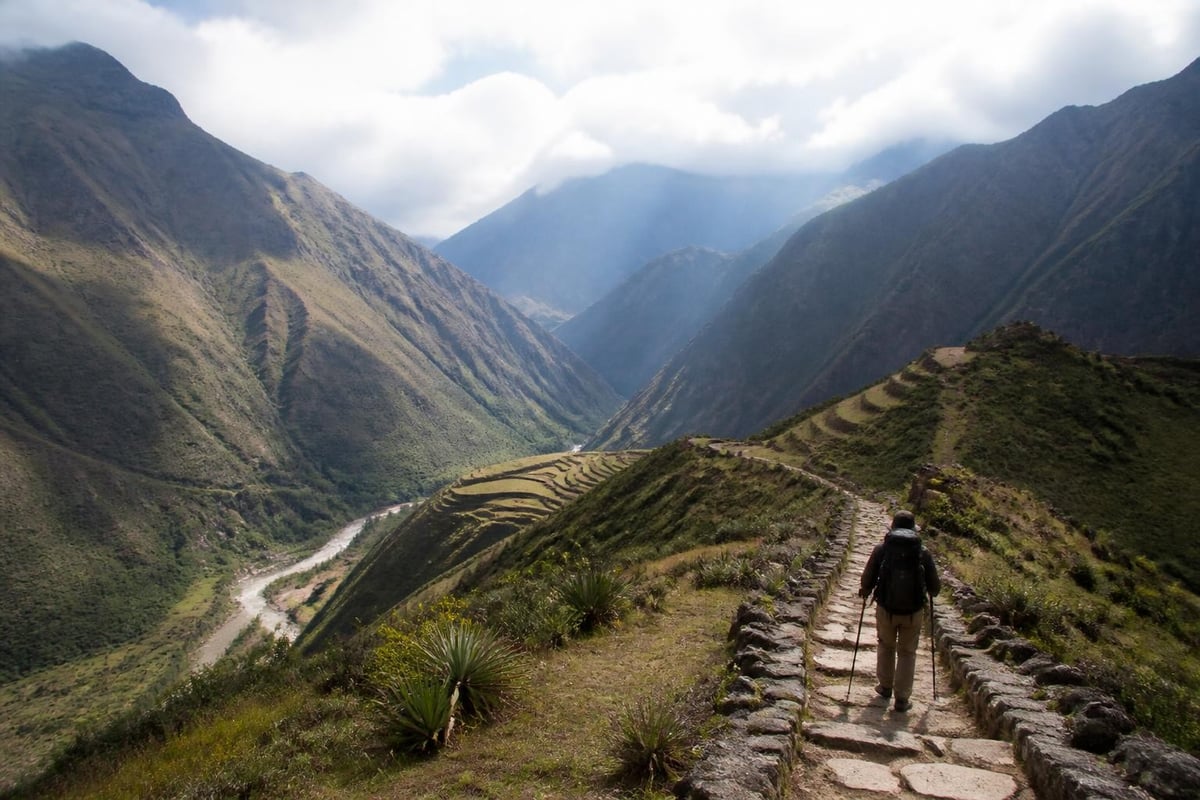
Machu Picchu itself likely served multiple purposes: royal estate, religious sanctuary, and astronomical observatory. Built around 1450 CE under Emperor Pachacuti, the citadel demonstrates remarkable engineering achievements that continue to puzzle modern architects.
Archaeological Sites Along the Trail
The Short Inca Trail passes several significant ruins before reaching Machu Picchu. Wiñay Wayna, meaning "forever young" in Quechua, showcases sophisticated agricultural terracing and ceremonial buildings. These sites receive far fewer visitors than Machu Picchu itself, allowing intimate exploration and photography.
Chachabamba, located near the trailhead, functioned as a checkpoint controlling access to Machu Picchu. Its strategic position demonstrates how the Inca integrated security concerns into sacred geography. Taking time to examine these smaller sites provides context that deepens your appreciation of the main citadel.
Health and Safety Protocols
Completing a machu picchu 2 day hike safely requires attention to several health considerations beyond basic fitness. Altitude sickness represents the most common challenge, with symptoms ranging from mild headaches to severe nausea and disorientation.
Recognize warning signs:
- Persistent headache unrelieved by standard painkillers
- Nausea and loss of appetite
- Unusual fatigue or weakness
- Dizziness or difficulty sleeping
Descending to lower elevation provides the most effective treatment for altitude sickness. Carry basic medications including ibuprofen, acetaminophen, and anti-nausea remedies. Some travelers benefit from prescription altitude medications like acetazolamide, though these should be discussed with your physician well before departure.
Trail Safety Measures
Inca stone steps become slippery when wet, demanding careful foot placement and concentration. Trekking poles significantly reduce strain on knees during steep descents and improve stability on uneven surfaces. Stay on marked trails to protect both archaeological sites and fragile ecosystems.
Travel insurance that covers emergency evacuation is essential. While serious incidents remain rare, the remote nature of mountain trekking means that helicopter evacuation could become necessary in emergency situations. Verify that your policy covers activities at altitude before departure.
Guided Tours Versus Independent Hiking
For the Short Inca Trail, hiring a licensed guide is mandatory. This requirement protects the archaeological sites and ensures visitors receive accurate historical information. Lonely Planet emphasizes the value of knowledgeable guides who can explain the cultural significance of ruins and point out architectural details easily missed by untrained eyes.
Quality guides transform your machu picchu 2 day hike from a physical challenge into an educational journey. They handle logistics, manage permits, coordinate transportation, and provide insights that independent research cannot replicate. Many speak multiple languages and adjust their commentary to match your interests and knowledge level.
What to Expect from Professional Guides
Licensed guides complete rigorous training programs and pass examinations covering Inca history, archaeology, and environmental conservation. They understand trail conditions, can identify local flora and fauna, and know how to respond to altitude-related health issues.
Beyond historical knowledge, guides manage practical concerns like meal timing, water refill locations, and photography opportunities. They coordinate with support staff, ensure proper waste disposal, and model responsible tourism practices. This support allows you to focus entirely on the experience rather than logistics.
Making the Most of Your Machu Picchu Visit
After completing your trail hike, the second day centers on exploring Machu Picchu itself. Arriving on the first morning bus (departing around 5:30 AM) positions you ahead of train arrivals from Cusco and Ollantaytambo.
Early morning light creates ideal photography conditions, with soft illumination highlighting the citadel's architectural details. Mist often clings to surrounding peaks, creating atmospheric conditions that evoke Machu Picchu's mysterious abandonment in the mid-1500s.
Budget at least three hours for your guided tour, though you can remain on-site for your entire ticket window (typically four hours). After the formal tour concludes, explore at your own pace, finding quiet corners where you can simply absorb the magnitude of Inca achievement.
Photography Tips and Strategies
Classic viewpoints fill quickly as crowds arrive, but patience yields clear shots even during busy periods. The Guardian's House viewpoint provides the iconic overview photograph featured in countless travel magazines. Visit this spot first, before crowds gather, to secure unobstructed images.
- Bring extra camera batteries, as cold temperatures drain power rapidly
- Use a polarizing filter to enhance sky contrast
- Photograph architectural details, not just panoramic views
- Capture the interplay between ruins and surrounding peaks
- Document the journey, not just the destination
Respect posted regulations regarding tripods and drone usage. These rules protect both archaeological sites and the experience of fellow visitors. Quiet contemplation often yields more meaningful memories than aggressive photography.
Environmental Responsibility and Conservation
Every machu picchu 2 day hike creates environmental impact. Responsible trekkers minimize their footprint through conscious choices about waste management, trail behavior, and respect for protected areas. The Historic Sanctuary of Machu Picchu encompasses 32,592 hectares of diverse ecosystems supporting rare orchids, spectacled bears, and the Andean cock-of-the-rock.
Pack out everything you pack in, including organic waste like fruit peels and nut shells. These decompose slowly at high altitudes and attract wildlife to human areas, disrupting natural behavior patterns. Use refillable water bottles rather than purchasing single-use plastics.
Supporting Sustainable Tourism
Choose tour operators committed to fair wages for porters and guides, proper waste disposal systems, and community benefit programs. Machupicchu Trips demonstrates this commitment through locally-led experiences that directly support Andean communities while preserving the cultural and natural heritage that makes these hikes meaningful.
Stay on established trails to prevent erosion and protect archaeological remains. The temptation to explore restricted areas damages fragile sites and creates dangerous precedents. Official pathways provide access to all major features while protecting areas requiring specialized conservation.
Budget Planning and Cost Breakdown
A machu picchu 2 day hike involves multiple expenses beyond the basic tour package. Understanding the complete cost structure helps you budget accurately and avoid unwelcome surprises.
Typical expenses include:
- Trek permit and guide service ($350-$600)
- Train tickets (round trip: $120-$200)
- Aguas Calientes accommodation ($40-$150)
- Meals not included in tour package ($30-$60)
- Bus tickets to/from Machu Picchu ($24 round trip)
- Porter tips and guide gratuities ($20-$50)
- Gear rental if needed ($20-$80)
Total costs typically range from $600 to $1,200 per person depending on service levels and season. Premium train services, upscale hotels, and additional mountain permits increase the upper range significantly.
Book complete packages when possible to secure better rates and ensure coordinated logistics. Individual component booking often costs more and creates coordination challenges that can disrupt your itinerary.
A successful machu picchu 2 day hike combines careful planning, physical preparation, and cultural awareness. The condensed timeframe delivers an intense, rewarding experience that showcases Peru's natural beauty and Inca engineering brilliance. Whether you choose the Short Inca Trail or an alternative route, those two days create memories that endure far beyond your return home. Machupicchu Trips specializes in expertly guided multi-day adventures that handle every logistical detail while providing deep cultural insights through locally-led experiences. Let their professional team design your perfect two-day Machu Picchu adventure.