
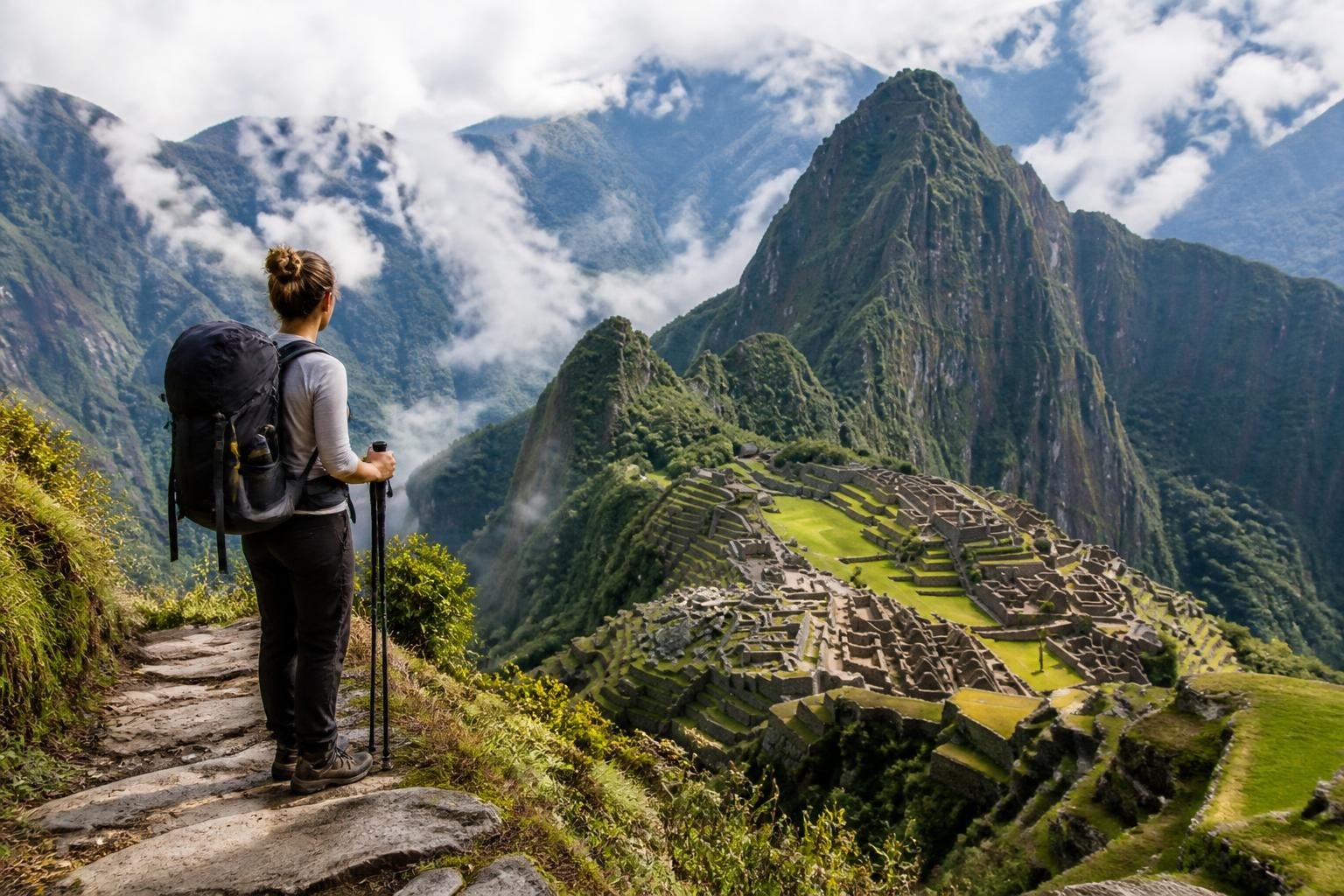
A 4 day trek machu picchu represents one of the most rewarding adventures in South America, combining physical challenge with cultural immersion and breathtaking natural beauty. Whether you're considering the legendary Inca Trail, the dramatic Salkantay route, or lesser-known alternatives, four days provides the ideal duration to acclimatize properly, experience diverse ecosystems, and arrive at the Lost City of the Incas with a profound sense of accomplishment. This comprehensive guide walks you through everything you need to plan, prepare for, and maximize your multi-day trekking experience to one of the world's most iconic archaeological wonders. First-timers choosing between routes can compare permits, difficulty and daily itineraries in our Inca Trail walk complete guide.
Choosing Your 4 Day Trek Route to Machu Picchu
The Peruvian Andes offer several distinct 4 day trek machu picchu options, each with unique landscapes, difficulty levels, and cultural experiences. Understanding the differences helps you select the route that best matches your interests and fitness level.
Classic Inca Trail
The Classic Inca Trail remains the most famous route, following ancient stone pathways built by the Incas themselves. This 26-mile trek traverses three high mountain passes, with the highest reaching 13,828 feet at Dead Woman's Pass. Trekkers pass through cloud forests, alpine tundra, and subtropical zones while exploring archaeological sites including Runkurakay, Sayacmarca, and Phuyupatamarca before reaching Machu Picchu through the Sun Gate at sunrise on day four.
Key advantages of the Inca Trail include:
- Walking on authentic Inca-built stone pathways
- Multiple archaeological sites along the route
- Arriving at Machu Picchu through the iconic Sun Gate
- Limited permits create a more exclusive experience
The Peruvian government strictly limits permits to 500 people daily (including guides and porters), making advance booking essential. According to the Ministry of Culture’s regulations, permits typically sell out 4-6 months ahead during peak season.
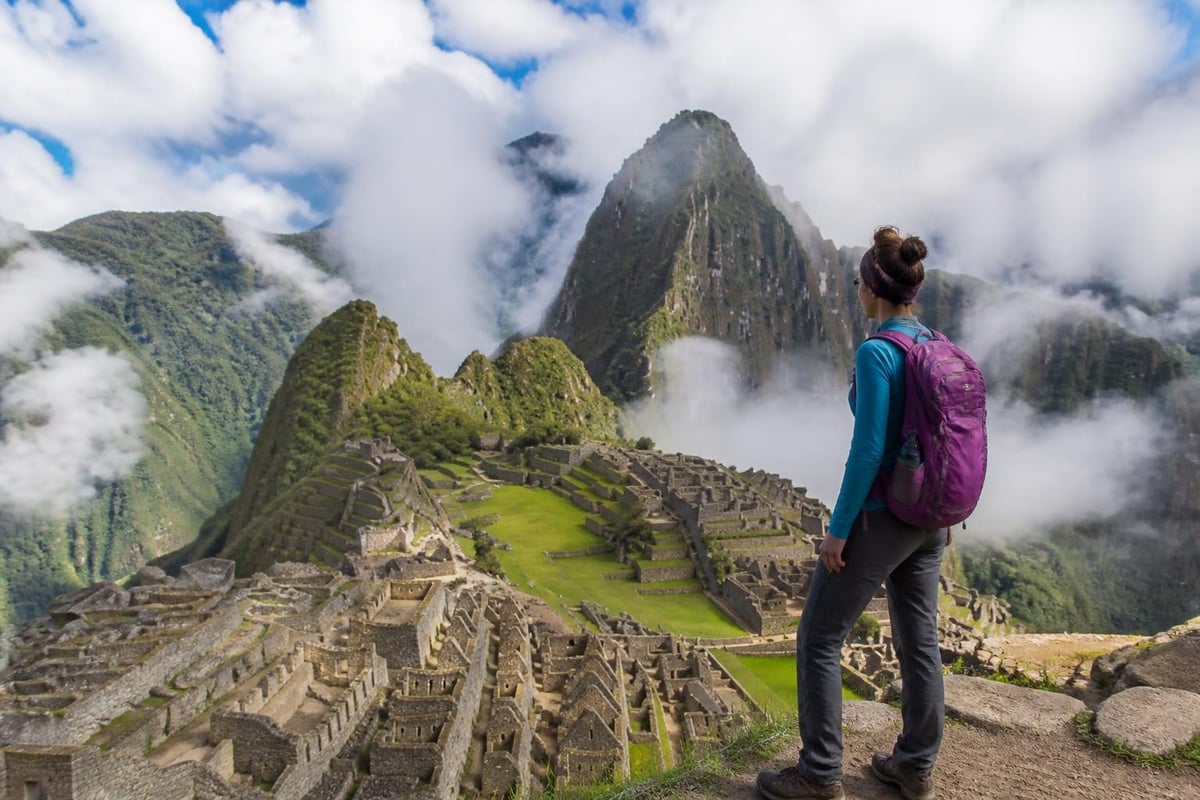
Salkantay Trek
The Salkantay Trek offers a wilder, more remote alternative to the crowded Inca Trail. This route circumnavigates Salkantay Mountain (20,574 feet), one of the highest peaks in the Cusco region, and descends through dramatically changing ecosystems from high-altitude mountain passes to lush jungle valleys.
This 4 day trek machu picchu variant typically covers 46 miles and reaches its highest point at Salkantay Pass (15,213 feet) on day two. The third day features a dramatic descent into the cloud forest, where temperatures can shift from freezing nights to tropical afternoons. National Geographic highlights the Salkantay as an excellent choice for trekkers seeking pristine nature and fewer crowds.
| Route Feature | Classic Inca Trail | Salkantay Trek |
|---|---|---|
| Total Distance | 26 miles | 46 miles |
| Highest Point | 13,828 feet | 15,213 feet |
| Permit Required | Yes (limited) | No (unrestricted) |
| Archaeological Sites | Multiple | Few |
| Crowd Level | Moderate | Lower |
| Booking Lead Time | 4-6 months | 2-4 weeks |
Alternative Routes
Other 4 day trek machu picchu options include the Lares Trek, which emphasizes cultural encounters with Quechua-speaking communities and traditional weaving villages, and the Inca Jungle Trek, combining hiking with optional mountain biking, rafting, and zip-lining for adventure enthusiasts.
Physical Preparation and Fitness Requirements
Proper physical conditioning makes the difference between struggling through your 4 day trek machu picchu and thoroughly enjoying every moment. These multi-day treks demand sustained cardiovascular endurance, leg strength, and mental resilience at high altitude.
Building Cardiovascular Endurance
Begin training at least 8-12 weeks before your departure. Focus on activities that build aerobic capacity while mimicking trekking conditions. Hiking with a weighted backpack (15-20 pounds) on progressively longer outings provides the most specific preparation.
Effective training activities include:
- Weekend hikes with elevation gain (4-6 hours)
- Stair climbing with a loaded backpack (45-60 minutes)
- Trail running on varied terrain
- Cycling for cross-training and joint recovery
- Swimming for overall conditioning without impact
Aim for 4-5 training sessions weekly, gradually increasing duration and intensity. Two weeks before departure, reduce training volume to arrive rested and ready.
Strength and Flexibility Work
Leg strength and core stability prevent injury and reduce fatigue during long descents. Incorporate bodyweight exercises, resistance training, and yoga or stretching routines into your weekly schedule.
Focus on exercises targeting quadriceps, hamstrings, calves, glutes, and core muscles. Lunges, squats, step-ups, and planks build the foundation for carrying your pack over uneven terrain for 6-8 hours daily.
Altitude Considerations
Altitude affects everyone differently, regardless of fitness level. The 4 day trek machu picchu routes reach elevations where oxygen saturation drops significantly. Spending 2-3 days in Cusco (11,150 feet) before starting your trek allows initial acclimatization and dramatically reduces altitude sickness risk.
Permits, Regulations, and Booking Logistics
Navigating permits and regulations requires careful attention to deadlines and requirements. The regulatory landscape varies significantly depending on which 4 day trek machu picchu route you choose.
Inca Trail Permit System
The Peruvian government issues only 500 permits daily for the Classic Inca Trail, distributed among trekkers, guides, and porters. Since each trekking group requires a licensed guide and support staff, actual trekker capacity runs approximately 200 people per day.
Permits cannot be purchased individually; you must book through a licensed tour operator who secures permits on your behalf. The Ministry of Culture releases permits exactly one year in advance, though they typically sell out within weeks for high season (May through September).
Critical permit timeline:
- 12 months out: Permits become available
- 6-8 months out: High season dates often sold out
- 4 months out: Shoulder season dates fill up
- 2 months minimum: Booking lead time recommended
- Permit requirements: Full passport details, no changes allowed
For travelers who prefer shorter timeframes, alternatives like the Short Inca Trail to Machu Picchu 2 Days / 1 Night offer similar authentic experiences with more booking flexibility.
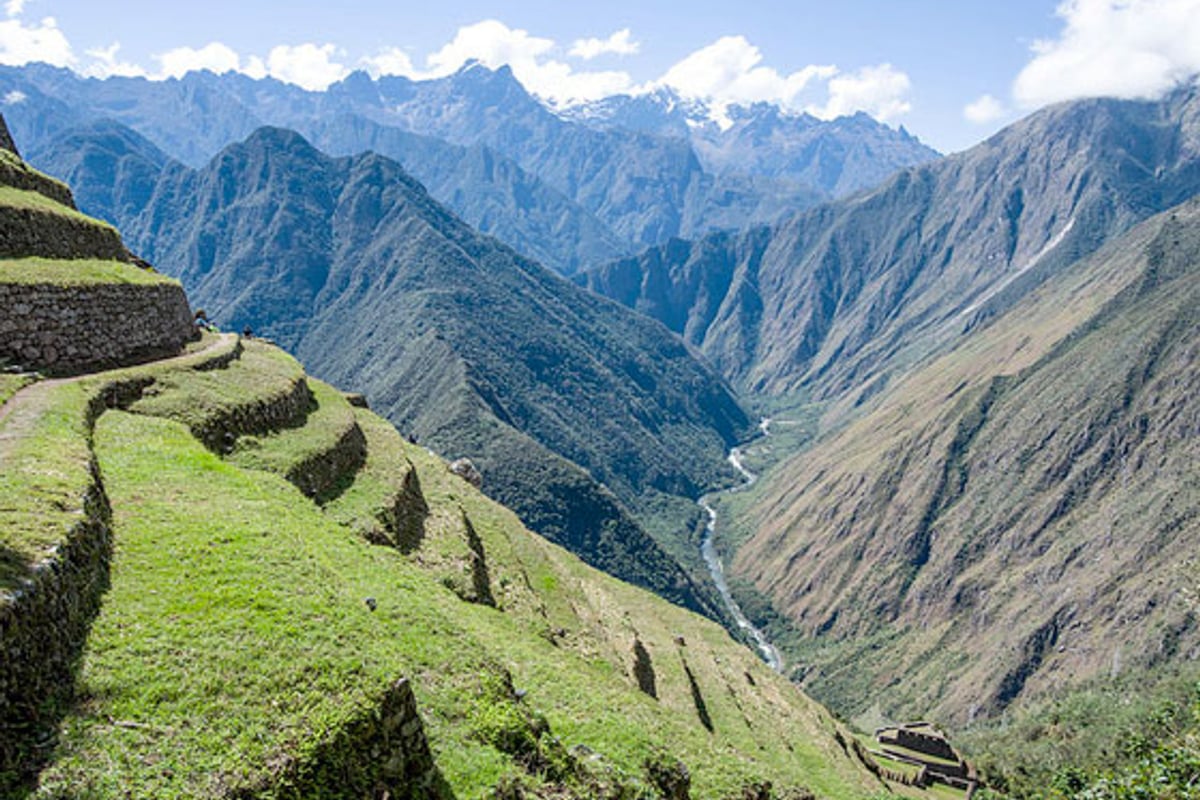
Alternative Route Permissions
Salkantay, Lares, and other alternative routes don't require advance permits, offering more flexibility for last-minute planners. However, you still need entrance tickets to Machu Picchu itself, which should be purchased 2-4 weeks ahead during peak season.
These routes still require booking through a tour operator for logistical support, though availability remains much better than the Inca Trail even during high season.
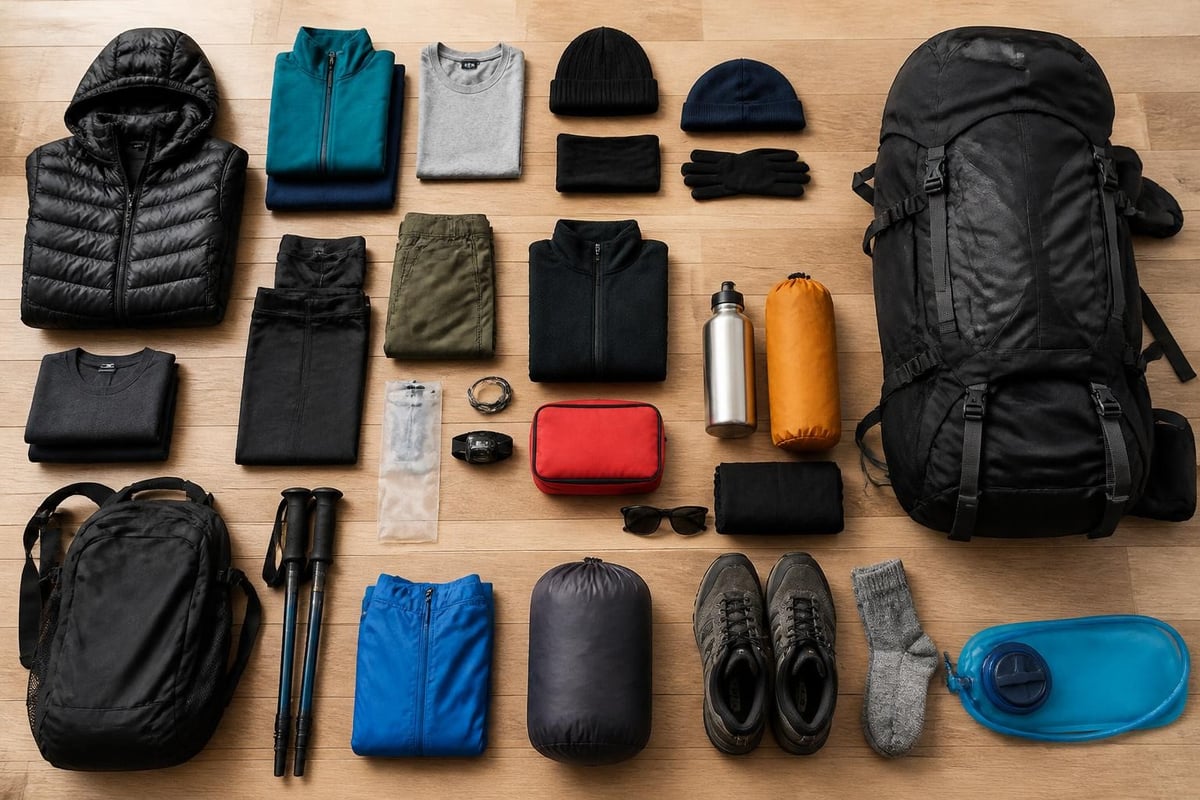
Essential Packing List and Gear Recommendations
Packing appropriately for a 4 day trek machu picchu requires balancing comfort, preparedness, and pack weight. You'll encounter extreme temperature variations, from freezing mountain passes to humid jungle valleys, all within the same trek.
Clothing Layers System
Temperature regulation through layering prevents both overheating during strenuous climbs and dangerous cold during rest stops at high altitude. The layering system should include base layers, insulation layers, and weather protection.
Base layer (moisture-wicking):
- Two sets synthetic or merino wool tops and bottoms
- Three pairs hiking socks (wool or synthetic blend)
- Underwear and sports bra (synthetic)
Insulation layer:
- Fleece jacket or synthetic insulated jacket
- Down jacket for camp and high passes
- Warm hat and gloves
Weather protection:
- Waterproof, breathable rain jacket
- Rain pants
- Sun hat with brim
- Neck gaiter or buff
Technical Equipment and Accessories
Quality gear significantly impacts comfort and safety. Don't economize on items that protect your feet, shelter you from weather, or keep you hydrated.
| Item Category | Essential Items | Quality Priority |
|---|---|---|
| Footwear | Broken-in hiking boots, camp shoes | High |
| Sleep System | Sleeping bag rated 15-20°F | High |
| Hydration | 3L water capacity (bladder + bottles) | Medium |
| Illumination | Headlamp with extra batteries | High |
| Sun Protection | Sunscreen SPF 50+, sunglasses, lip balm | High |
| Trekking Poles | Adjustable, collapsible poles | Medium |
Personal Items and Medications
Beyond gear, pack personal medications, toiletries, and comfort items. Altitude sickness medication (acetazolamide) requires advance prescription from your physician. Bring ibuprofen for muscle soreness, anti-diarrheal medication, blister treatment supplies, and any personal prescriptions.
Most tour operators provide group first aid kits, but carry personal supplies for immediate access. Biodegradable soap, toilet paper, and hand sanitizer prove essential along routes with limited facilities.
Daily Itinerary Breakdown: What to Expect
Understanding the typical daily structure of a 4 day trek machu picchu helps set realistic expectations and mental preparation for the physical and logistical demands of each stage.
Day One: Trek Initiation and Acclimatization
Most 4 day trek machu picchu itineraries begin with hotel pickup in Cusco around 5:00-6:00 AM. After a 2-3 hour drive to the trailhead, you'll complete registration formalities and meet your full trekking crew including porters and cooking staff.
The first day typically covers 6-8 miles with moderate elevation gain, serving primarily as an acclimatization and warm-up day. Expect 5-6 hours of hiking with a break for trailside lunch. The afternoon brings arrival at your first campsite, where porters will have already erected dining and sleeping tents.
Evening routines on all four days follow a similar pattern: arrival, tea service, time to wash and rest, dinner around 7:00 PM, and briefing about the next day's route before bed by 9:00 PM.
Day Two: The Challenging Ascent
Day two presents the most physically demanding section of most routes, featuring the highest mountain passes and steepest sustained climbing. On the Classic Inca Trail, this means ascending to Dead Woman's Pass at 13,828 feet. On the Salkantay route, you'll cross Salkantay Pass at 15,213 feet.
Wake-up calls come early (5:00-5:30 AM) with hot tea or coffee delivered to your tent. After breakfast and packing, the day's trek begins around 6:30-7:00 AM. The morning features 3-4 hours of steep, unrelenting ascent requiring frequent rest stops and slow, steady pacing.
Reaching the pass brings enormous satisfaction and spectacular views before a steep descent to the second camp. Total hiking time typically runs 7-9 hours covering 6-10 miles depending on route.
Day Three: Archaeological Sites and Ecosystem Transitions
The third day offers more varied terrain with rolling sections through cloud forest ecosystems. On the Inca Trail, this day features the majority of archaeological sites including the stunning Phuyupatamarca and Wiñay Wayna ruins.
Hiking time remains substantial (6-8 hours) but feels easier after conquering day two's challenges. The trail descends gradually through increasingly lush vegetation, with subtropical temperatures replacing the high-altitude cold.
Day Four: Machu Picchu Arrival
The final day begins exceptionally early-often 3:30-4:00 AM-to reach Machu Picchu for sunrise. On the Inca Trail, this means hiking 1-2 hours in darkness to reach the Sun Gate checkpoint precisely at opening time (5:30 AM).
After sunrise photos and the first glimpse of Machu Picchu from above, you'll descend into the citadel for a comprehensive 2-3 hour guided tour. The afternoon allows independent exploration before catching the train back to Cusco in late afternoon or evening.
Health, Safety, and Altitude Management
Managing health risks, particularly altitude sickness, requires proactive strategies before and during your 4 day trek machu picchu. Understanding warning signs and mitigation techniques keeps you safe and comfortable.
Preventing and Recognizing Altitude Sickness
Acute Mountain Sickness (AMS) can affect anyone above 8,000 feet regardless of fitness level. Symptoms include headache, nausea, dizziness, fatigue, and difficulty sleeping. Proper acclimatization dramatically reduces risk.
Effective altitude management strategies:
- Arrive in Cusco 2-3 days before starting your trek
- Stay well-hydrated (3-4 liters daily)
- Avoid alcohol and heavy meals before and during the trek
- Climb high, sleep low when possible
- Consider altitude medication (diamox) prescribed by your physician
- Communicate symptoms immediately to your guide
Research on tourism impacts and conservation challenges at high-altitude archaeological sites like Machu Picchu emphasizes the importance of sustainable visitor management and personal responsibility.
Water Purification and Hydration
Staying hydrated at altitude while avoiding waterborne illness requires reliable purification. Most tour operators provide boiled water at camps, but carry purification tablets or a filter system for refilling between camps.
Dehydration accelerates altitude sickness and saps energy. Monitor urine color-it should remain light yellow despite frequent urination. Dark urine indicates insufficient hydration requiring immediate correction.
Blister Prevention and Foot Care
Blisters rank among the most common trek-ruining problems, yet remain entirely preventable with proper attention. Well-broken-in boots, quality hiking socks, and proactive hot-spot treatment prevent most issues.
Apply moleskin or blister patches at the first sign of friction or discomfort, not after blisters form. Change to dry socks during lunch breaks when feet have swollen and sweated. Some trekkers apply antiperspirant to feet the night before to reduce moisture.
Environmental Responsibility and Cultural Sensitivity
Your 4 day trek machu picchu journey passes through protected ecological zones and indigenous communities where sustainable practices and cultural respect are essential. Academic research on economic valuation and conservation in Cusco demonstrates the delicate balance between tourism benefits and environmental impacts.
Leave No Trace Principles
All reputable tour operators follow strict Leave No Trace ethics, packing out all waste including toilet paper and food scraps. Human waste gets buried properly in designated locations or carried out on routes like the Inca Trail where regulations prohibit disposal.
Your responsibilities include:
- Never littering-carry all trash until proper disposal
- Staying on designated trails to prevent erosion
- Respecting archaeological sites-no touching, climbing, or removing artifacts
- Using biodegradable soap only, away from water sources
- Minimizing noise pollution
- Supporting local economies through respectful purchases
Supporting Porter Welfare
The porters who carry camping equipment, food, and infrastructure deserve fair treatment and working conditions. Peruvian regulations now limit porter loads to 25 kilograms and require proper equipment provision, but enforcement varies.
Book with operators who demonstrate commitment to porter welfare through fair wages, appropriate gear provision, and adherence to weight limits. Tipping porters, cooks, and guides at trek's end remains customary, with recommended amounts varying by group size and service quality.
Timing Your Trek: Seasonal Considerations
Season dramatically affects your 4 day trek machu picchu experience through weather patterns, crowd levels, trail conditions, and price variations. Understanding these factors helps optimize your timing.
Dry Season (May-September)
Peru's dry season offers the most reliable weather with minimal rainfall and clear mountain views. Daily temperatures at altitude remain cold (30s-40s Fahrenheit) but sunshine warms hiking hours into the comfortable 60s.
Dry season characteristics:
- Pros: Excellent visibility, minimal rain, best trail conditions
- Cons: Peak crowds, highest prices, permits sell out earliest
- Best for: First-time trekkers, photographers prioritizing clear views
June, July, and August represent absolute peak season. According to MINCETUR tourism statistics, visitor numbers during these months can exceed 250,000 monthly across the Cusco region.
Shoulder Seasons (April, October-November)
Shoulder months balance favorable weather with reduced crowds and better availability. April and October-November still fall largely within the dry season but avoid the peak tourist rush.
Temperatures remain similar to peak dry season, with slightly increased rain probability. Trail conditions stay excellent, and permit availability improves significantly. Pricing often drops 10-20% compared to peak months.
Wet Season (December-March)
The rainy season brings daily afternoon showers, muddy trails, reduced visibility, and the coldest overnight temperatures. The Inca Trail closes entirely during February for maintenance and trail recovery.
However, wet season offers dramatic advantages for certain travelers: minimal crowds, lowest prices, lush green landscapes, and excellent wildlife viewing. Morning hours often remain clear before afternoon clouds and rain arrive.
Maximizing Your Machu Picchu Experience
After completing your 4 day trek machu picchu, you'll arrive at the citadel with earned perspective and appreciation that day-visitors cannot match. Maximizing your time at the archaeological site itself requires strategy and knowledge.
Guided Tour vs. Independent Exploration
Your tour package includes a comprehensive 2-3 hour guided tour covering Machu Picchu's history, architecture, and significance. Expert guides bring the ruins to life through detailed explanations of temple functions, agricultural terraces, water management systems, and astronomical alignments.
Following the guided tour, you'll have several hours for independent exploration, photography, and personal reflection. Many trekkers hike to additional viewpoints like the Sun Gate (already visited on the Inca Trail) or the Inca Bridge for alternative perspectives.
Photography Tips and Best Viewpoints
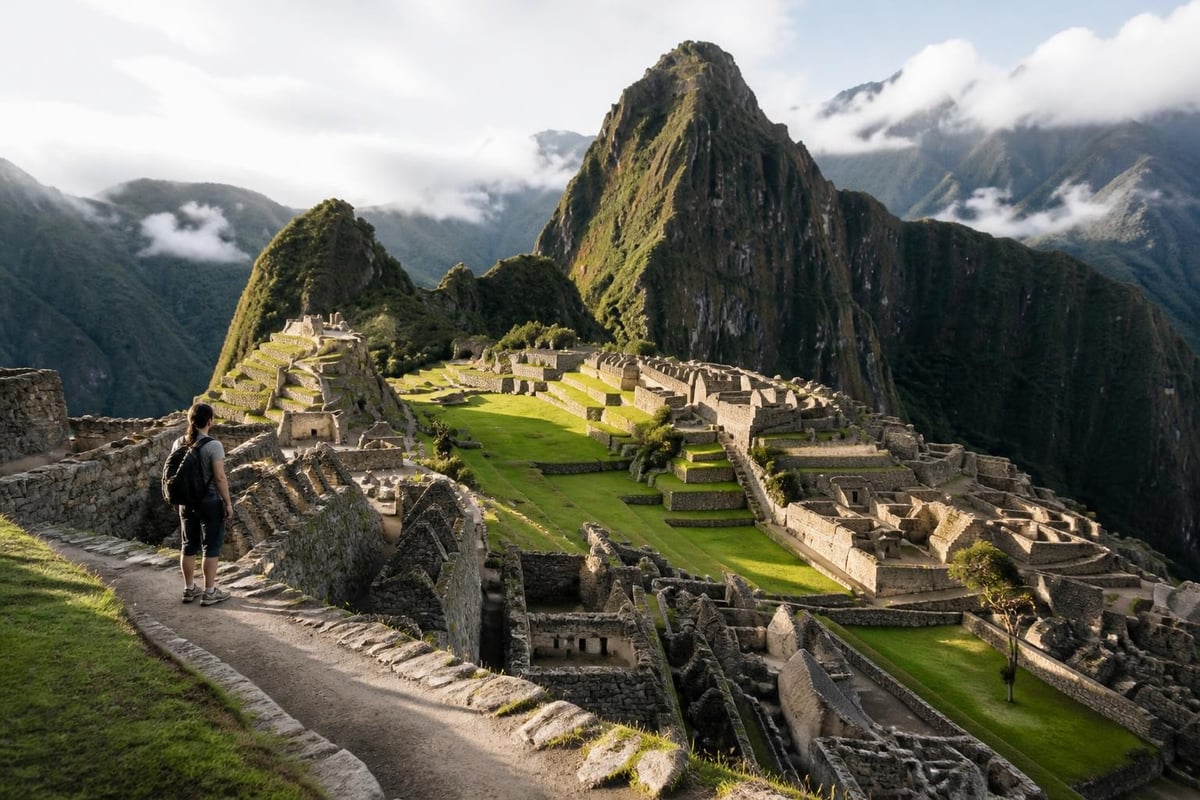
Arriving at sunrise provides magical lighting and thinner crowds for iconic photography. The classic postcard view comes from the Guard House terrace in the agricultural sector, offering sweeping perspectives of the entire site with Huayna Picchu mountain backdrop.
Prime photo locations include:
- Guard House for classic overview shots
- Three Windows Temple for architectural details
- Agricultural terraces for terracing patterns
- Intihuatana stone for sacred site documentation
- Temple of the Sun for precision stonework
Bring a lightweight tripod for low-light photography if your pack allows. Morning fog often adds atmospheric mystery to images before burning off mid-morning.
Optional Add-ons: Huayna Picchu and Machu Picchu Mountain
Entrance tickets to Machu Picchu now include optional mountain hikes requiring separate permits. Huayna Picchu, the distinctive peak looming behind the ruins, offers a steep 45-minute ascent to stunning aerial views. Only 400 people daily receive permits, split between two entry times (7:00-8:00 AM and 10:00-11:00 AM).
Machu Picchu Mountain presents a longer (1.5 hours up), less crowded alternative with equally spectacular panoramic perspectives from 10,000 feet elevation.
Cost Breakdown and Budgeting
Understanding the full cost structure of a 4 day trek machu picchu helps budget appropriately and identify where value-driven decisions matter most. Prices vary significantly based on route choice, group size, service level, and season.
Tour Package Inclusions
Standard 4 day trek machu picchu packages through reputable operators typically include transportation from Cusco, all camping equipment, meals during the trek, professional guides, porter services, entrance permits, and train tickets back to Cusco.
Common inclusions:
- Round-trip ground transportation to/from trailhead
- Professional licensed guide (English-speaking)
- Three breakfasts, three lunches, three dinners during trek
- Camping equipment (tents, sleeping mats, dining tent)
- Porter service for group equipment and food
- Entrance permits (Inca Trail permit, Machu Picchu ticket)
- Train ticket Aguas Calientes to Cusco
- Hotel night before or after trek
Typical exclusions:
- Sleeping bag rental ($25-35)
- Trekking poles rental ($15-25)
- Travel insurance
- Alcoholic beverages
- Snacks and personal items
- Tips for guides, porters, cooks
Price Ranges by Route and Service Level
Budget operators advertise 4 day trek machu picchu packages from $450-600, mid-range services run $600-900, and premium experiences cost $900-1,500+ per person. Cheaper options often mean larger groups, less experienced guides, basic food, and minimal porter welfare standards.
| Service Level | Price Range | Group Size | Notable Features |
|---|---|---|---|
| Budget | $450-600 | 12-16 people | Basic meals, larger groups, shared equipment |
| Standard | $600-900 | 8-12 people | Good meals, experienced guides, proper gear |
| Premium | $900-1,200 | 4-8 people | Excellent meals, small groups, superior equipment |
| Luxury | $1,200-1,500+ | 2-6 people | Gourmet meals, private guide, best equipment |
Additional Costs to Consider
Beyond the package price, budget for pre-trek hotel nights in Cusco ($30-100/night), tips ($50-80 total for entire crew), gear rental if needed, travel insurance ($50-150), and discretionary spending on souvenirs and extra meals.
International flights to Lima, domestic flights or buses to Cusco, and yellow fever vaccination (if visiting Amazon afterward) add to total trip cost but fall outside the trek-specific budget.
Completing a 4 day trek machu picchu delivers far more than arrival at an iconic destination-it provides transformative immersion in Andean landscapes, cultural heritage, and personal achievement that day-visitors simply cannot access. Whether you choose the archaeological richness of the Classic Inca Trail, the wild beauty of the Salkantay route, or another multi-day option, proper preparation and realistic expectations ensure an unforgettable journey. Machupicchu Trips specializes in locally-led treks combining expert guidance, sustainable practices, and authentic experiences tailored to your adventure preferences. Let their experienced team handle logistics, permits, and planning so you can focus entirely on embracing the magic of your Andean trekking adventure.