
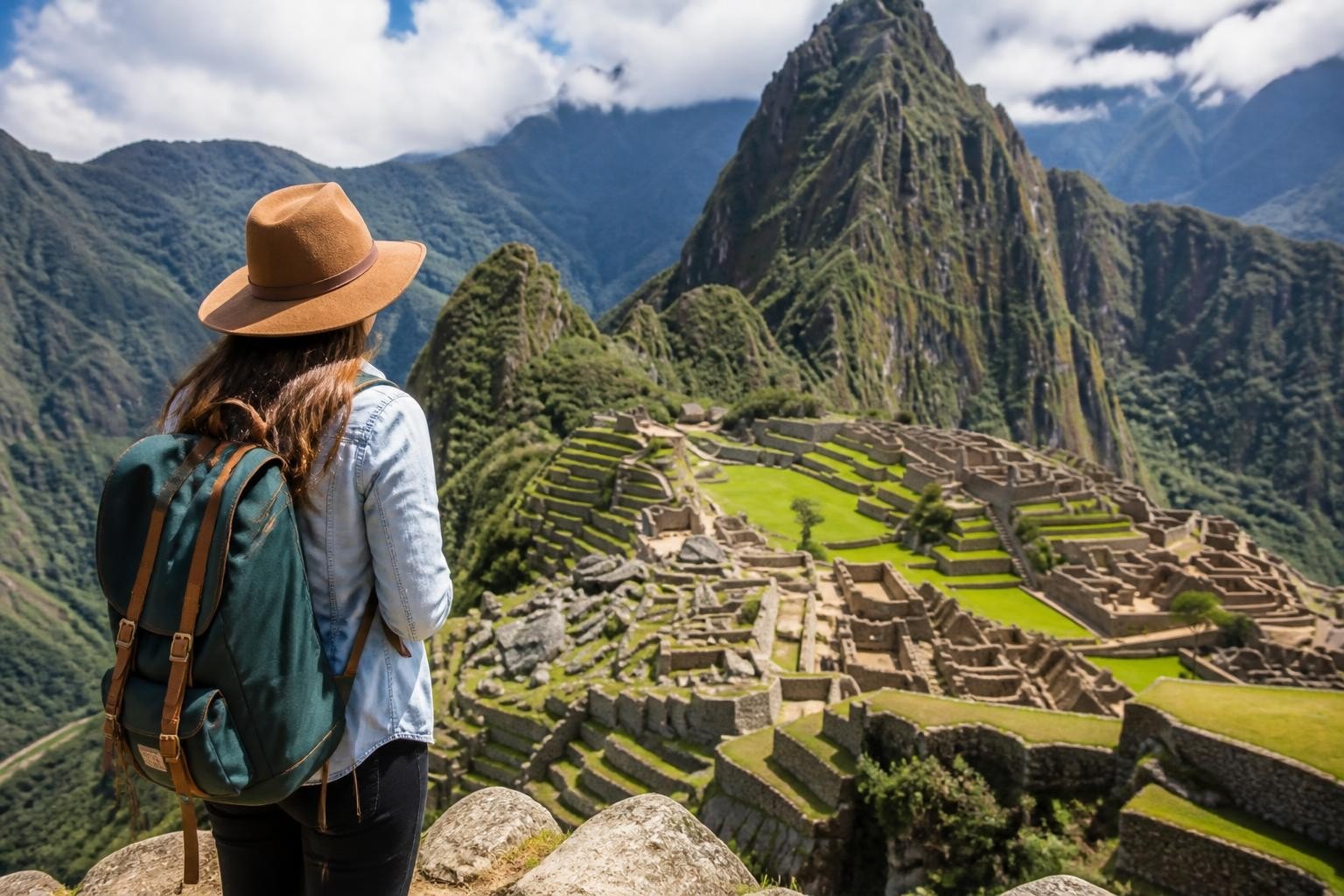
Planning a journey to one of the world's most iconic archaeological wonders requires careful preparation and strategic timing. A well-crafted machu picchu trip itinerary ensures you experience the ancient citadel at its best while avoiding common pitfalls that can derail your adventure. This comprehensive guide walks you through every essential element, from booking permits to acclimatization strategies, helping you create an unforgettable Peruvian experience that balances cultural immersion with practical logistics.
Understanding Machu Picchu Visit Requirements and Regulations
The Peruvian government implemented strict visitor management protocols to preserve this UNESCO World Heritage Site for future generations. Current regulations from Peru’s Ministry of Culture establish daily visitor caps and timed entry requirements that directly impact your planning.
Ticket Types and Entry Times
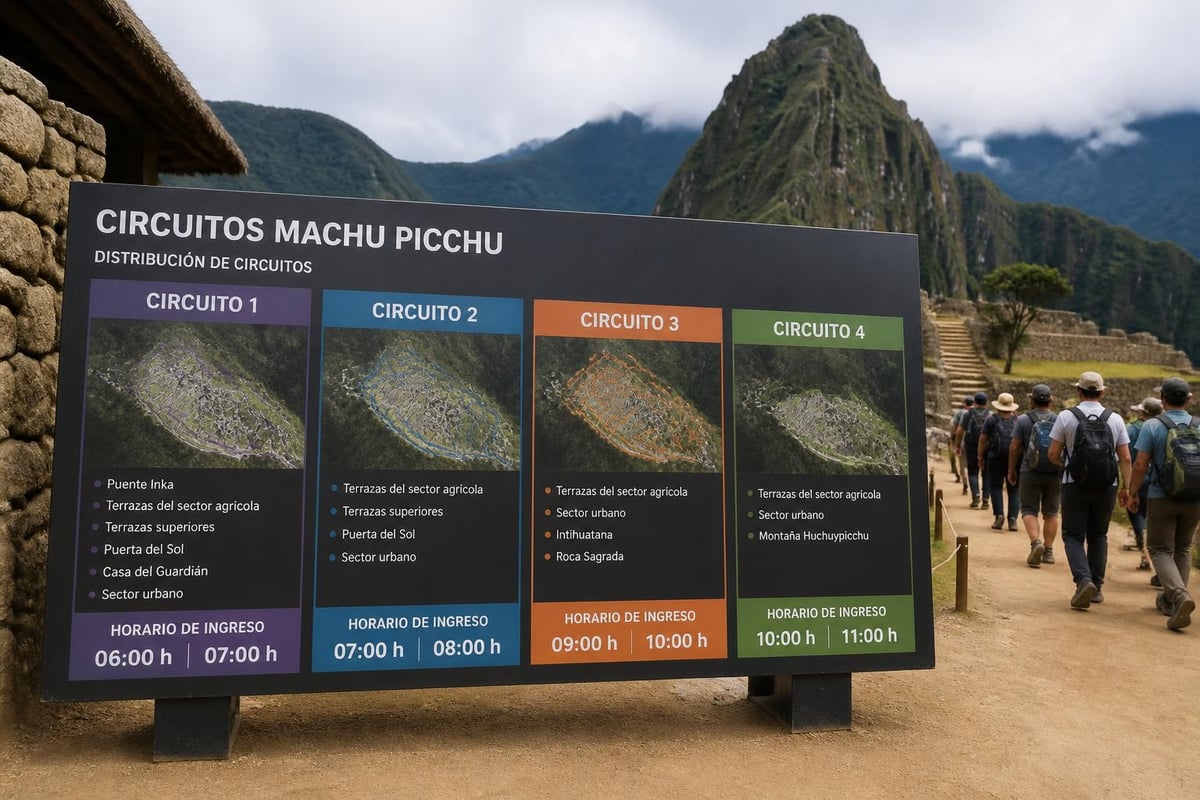
Machu Picchu operates on a circuit-based entry system with specific time slots throughout the day. Each circuit offers different perspectives of the citadel, and your choice depends on what you most want to experience.
Available circuits include:
- Circuit 1: Upper terraces and classic panoramic views
- Circuit 2: Complete citadel tour including agricultural and urban sectors
- Circuit 3: Lower terraces and royal residence areas
- Circuit 4: Lower urban sector with royal tomb access
Entry slots begin at 6:00 AM and continue through 2:00 PM, with each ticket valid for four hours from your designated time. The official ticketing platform requires advance booking, particularly during peak season from May through September.
Permits for Mountain Hikes
Beyond the citadel itself, two mountain hikes offer spectacular vantage points. Huayna Picchu, the iconic peak visible in classic photographs, permits only 400 visitors daily across two entry times. Machu Picchu Mountain accommodates 800 daily climbers and provides equally stunning panoramas with less strenuous ascent.
Permit booking timeline:
| Season | Advance Booking | Availability | Price Range |
|---|---|---|---|
| High (May-Sep) | 3-4 months | Limited | $75-85 |
| Shoulder (Apr, Oct) | 6-8 weeks | Moderate | $70-80 |
| Low (Nov-Mar) | 2-4 weeks | Good | $65-75 |
Pre-Departure Planning Essentials
Your machu picchu trip itinerary begins weeks before departure with critical preparations that ensure smooth travel and maximum enjoyment.
Health Considerations and Vaccinations
Altitude presents the primary health challenge when visiting Peru's highlands. Cusco sits at 11,152 feet elevation, while Machu Picchu itself rests at a more moderate 7,972 feet. The CDC recommends specific vaccinations including routine shots plus hepatitis A and typhoid for most travelers.
Altitude sickness prevention strategies:
- Arrive in Cusco at least two days before your Machu Picchu visit
- Stay hydrated with 3-4 liters of water daily
- Avoid alcohol and heavy meals during the first 48 hours
- Consider altitude medication after consulting your physician
- Plan lighter activities for your first two days
Booking Transportation and Accommodations
Peru Rail and Inca Rail operate the sole train services to Aguas Calientes, the gateway town below Machu Picchu. During peak months, these trains sell out 8-12 weeks in advance, making early booking essential for your preferred departure times.
The journey from Cusco to Machu Picchu involves multiple transportation segments. Most travelers overnight in Aguas Calientes to catch sunrise at the citadel, though day trips remain possible for those with tight schedules.
Sample Four-Day Machu Picchu Trip Itinerary
This balanced itinerary provides adequate acclimatization while maximizing your Andean experience. Adjust timing based on your fitness level, interests, and available vacation days.
Day One: Cusco Arrival and Acclimatization
Touch down at Alejandro Velasco Astete International Airport and transfer to your hotel in Cusco's historic center. Resist the urge to pack activities into this first day. Light exploration helps your body adjust to the thin air.
Recommended activities:
- Walk Plaza de Armas and admire colonial architecture
- Visit San Pedro Market for local handicrafts
- Sample coca tea at a traditional café
- Early dinner followed by rest
Day Two: Sacred Valley Exploration
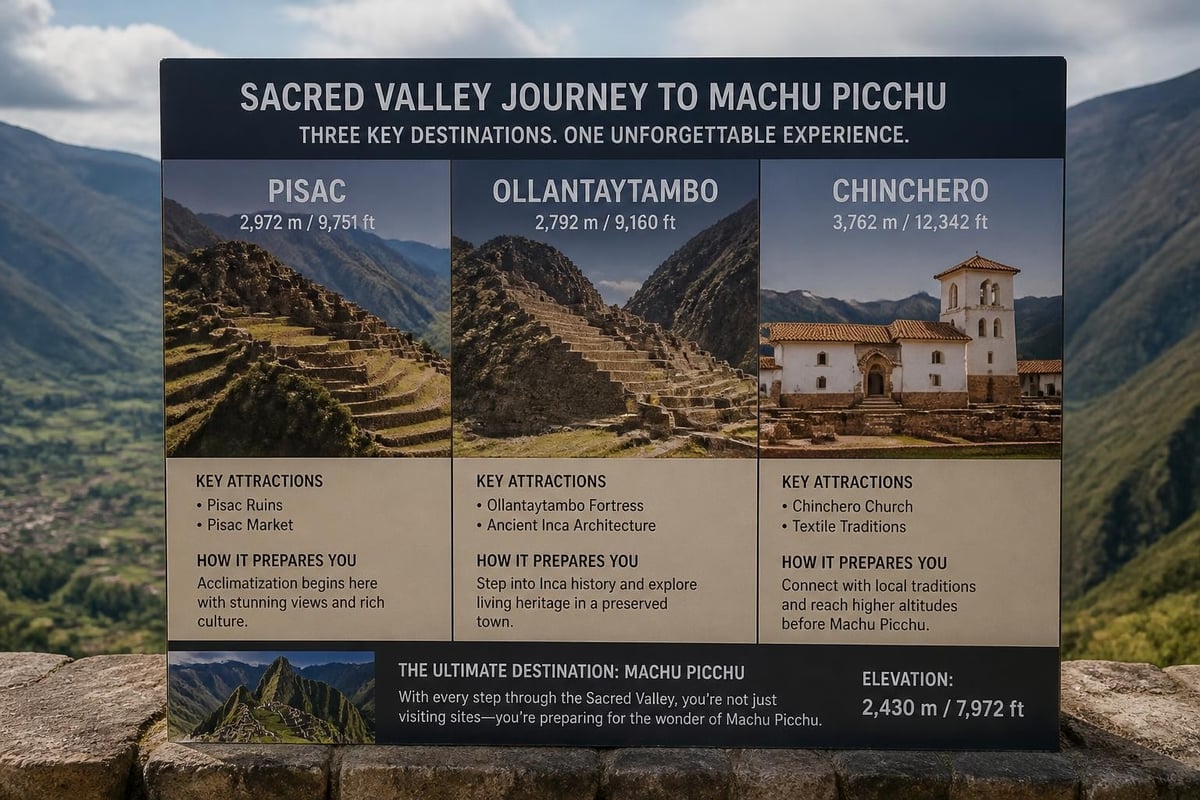
The Sacred Valley sits at lower elevation than Cusco, making it ideal for gradual acclimatization. This full-day excursion introduces you to Inca engineering marvels and vibrant local culture.
Begin at Pisac, where agricultural terraces cascade down mountainsides above a bustling artisan market. Continue to Ollantaytambo, a living Inca town where residents still inhabit ancient structures. The fortress here showcases sophisticated stonework and strategic military design.
| Site | Elevation | Time Needed | Highlights |
|---|---|---|---|
| Pisac | 9,751 ft | 2 hours | Terraces, market, ruins |
| Ollantaytambo | 9,160 ft | 2.5 hours | Fortress, town, temple |
| Chinchero | 12,343 ft | 1.5 hours | Textiles, church, terraces |
Overnight in Ollantaytambo positions you perfectly for the next morning's train departure. Many travelers find this charming town preferable to returning to Cusco.
Day Three: Machu Picchu Experience
Board the early train from Ollantaytambo, watching the landscape transform from high-altitude plateau to cloud forest along the Urubamba River. The scenic 90-minute journey deposits you in Aguas Calientes by mid-morning.
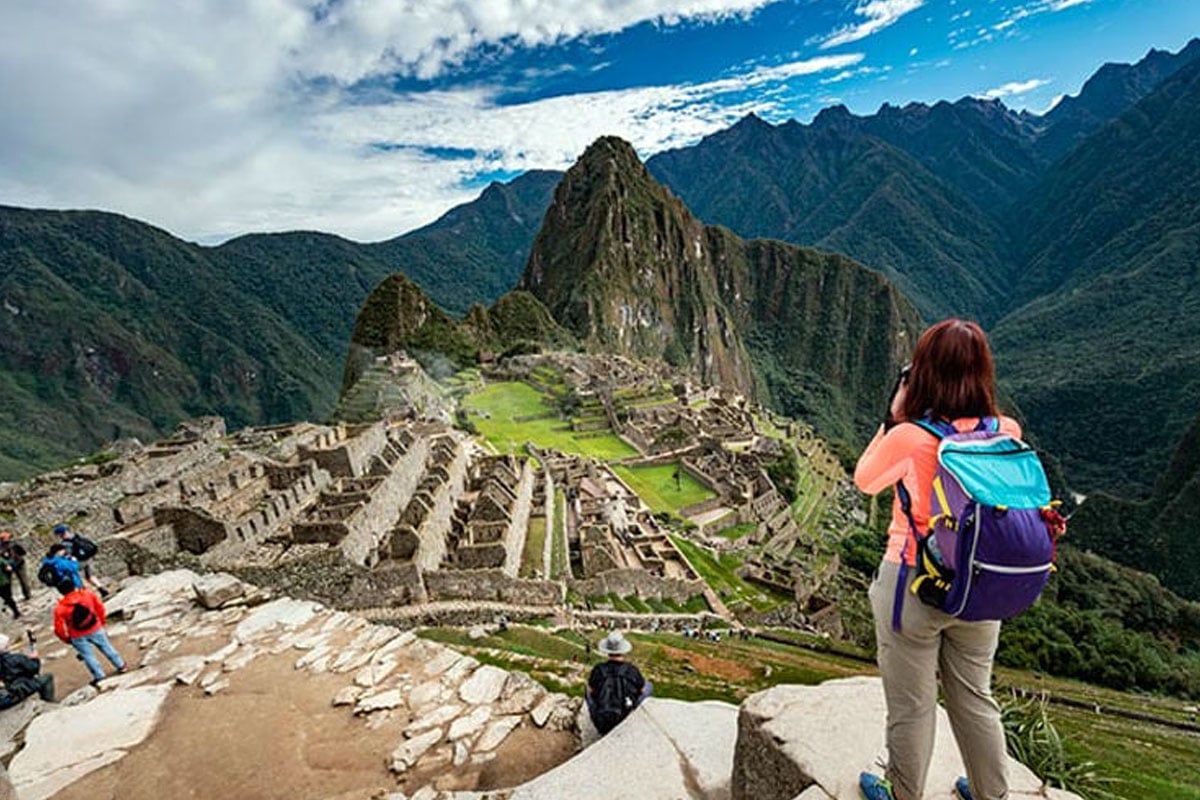
Most visitors take the shuttle bus up the switchback road to the entrance, though hiking the steep trail takes 60-90 minutes. Enter through your designated circuit and spend 3-4 hours exploring with a certified guide who brings the ruins to life through historical context and architectural insights.
For travelers seeking an immersive experience, the Machu Picchu Day Tour offers comprehensive guided exploration with round-trip transportation from Cusco, making it an excellent option for those who prefer coordinated logistics and expert interpretation throughout their visit.
Essential items to pack:
- Valid passport (required for entry)
- Sunscreen and hat for high-altitude UV exposure
- Refillable water bottle (no single-use plastics permitted)
- Rain jacket regardless of season
- Comfortable hiking shoes with good traction
- Snacks (no food service available inside)
Afternoon trains return to Ollantaytambo or continue to Cusco, depending on your preference. Many photographers opt to stay a second night in Aguas Calientes for sunrise access.
Day Four: Return to Cusco and Departure
After breakfast, board your return train to Cusco. Use remaining time for souvenir shopping along Avenida El Sol or visiting museums you missed earlier. International flights typically depart in afternoon or evening, providing flexibility for final explorations.
Seasonal Considerations for Your Machu Picchu Trip Itinerary
Peru's dual-season climate dramatically affects the visitor experience. Understanding weather patterns helps you choose optimal timing for your journey.
Dry Season Advantages (May through September)
Clear skies and minimal rainfall characterize these months, creating ideal photography conditions and comfortable hiking. However, popularity peaks during this window, bringing larger crowds and premium pricing. National Geographic’s Peru travel guide notes that July and August see maximum visitor numbers across all archaeological sites.
Dry season benefits:
- 80-90% chance of clear weather
- Stable trail conditions
- Extended daylight hours
- Predictable travel logistics
Wet Season Opportunities (November through March)
Rainfall increases but rarely persists all day. Morning showers give way to afternoon clearing, and the landscape glows brilliant green. Significantly fewer tourists mean more intimate experiences and better photograph compositions without crowds.
January brings peak precipitation and occasional trail closures, making it the least predictable month. February sees complete closure of the Inca Trail for maintenance, though the citadel itself remains open. Peru’s official tourism portal provides current weather updates and closure information.
Alternative Routes and Extended Itineraries
Beyond the standard train-and-bus approach, several routes offer unique perspectives on this ancient wonder.
Classic Inca Trail
This four-day trek follows stone pathways built by Inca engineers centuries ago. Limited to 500 people daily (including porters and guides), permits sell out 5-6 months ahead for high season. For a detailed look at how far ahead to secure Inca Trail permits and which routes suit your fitness, see our Expedition Machu Picchu guide.
The trail demands moderate fitness but rewards hikers with archaeological sites, mountain passes, and cloud forest ecosystems. Arriving at Machu Picchu through the Sun Gate recreates the traditional Inca approach, providing unmatched emotional impact.
Salkantay Trek Alternative
This challenging five-day route traverses high mountain passes before descending into jungle terrain. No permit quotas apply, making it accessible for travelers who miss Inca Trail bookings.
Elevations reach 15,200 feet at Salkantay Pass, requiring excellent acclimatization. Diverse ecosystems from glacial valleys to coffee plantations showcase Peru's ecological variety.
Luxury Train Experience
The Hiram Bingham service elevates train travel to refined elegance with gourmet dining, live music, and champagne service. Departing Cusco mid-morning, this option suits travelers prioritizing comfort over budget considerations.
Transportation comparison:
| Option | Duration | Comfort | Cost | Scenery |
|---|---|---|---|---|
| Expedition Train | 90 min | Standard | $ | Good |
| Vistadome Train | 90 min | Enhanced | $$ | Excellent |
| Hiram Bingham | 210 min | Luxury | $$$$ | Excellent |
| Inca Trail Trek | 4 days | Camping | $$$ | Outstanding |
Maximizing Your Time at the Citadel
Once inside Machu Picchu, strategic planning ensures you experience the most significant features without feeling rushed.
Morning vs. Afternoon Visits
Early entry slots (6:00 AM or 7:00 AM) offer the best lighting for photography and occasional cloud effects that create mystical atmospheres. However, these popular times bring more visitors competing for classic viewpoints.
Afternoon entries encounter fewer people and different lighting angles that emphasize architectural details. Shadows lengthen across terraces, creating dimensional contrast absent in flat morning light.
Guided Tours vs. Independent Exploration
Certified guides transform stone ruins into vivid historical narratives, explaining agricultural systems, astronomical alignments, and royal residence functions. Their expertise enriches understanding beyond what guidebooks provide. Before you go, a Machu Picchu virtual tour lets you scout the citadel’s layout and key structures from home.
Independent exploration allows flexible pacing and personal discovery. However, without context, many structures appear as generic stone walls rather than sophisticated engineering achievements.
Recommended approach: Hire a guide for the first 2-3 hours to establish foundational knowledge, then explore independently during remaining time.
Multi-Day Extensions Worth Considering
Your machu picchu trip itinerary can expand to include complementary experiences that deepen your understanding of Andean culture and natural beauty.
Rainbow Mountain (Vinicunca)
This geological marvel displays mineral deposits in vibrant stripes across mountain ridges. Located southeast of Cusco, the full-day excursion reaches elevations above 16,000 feet. Only attempt after full acclimatization to avoid serious altitude complications.
Lake Titicaca Extension
The world's highest navigable lake straddles the Peru-Bolivia border three hours from Cusco by bus. Indigenous communities on Taquile and Amantaní islands maintain traditional lifestyles, offering cultural immersion unavailable in tourist-heavy areas.
Add two days minimum for meaningful exploration including overnight homestays that support local economies directly.
Amazon Rainforest Combination
Contrasting ecosystems from Andean peaks to tropical lowlands showcase Peru's remarkable biodiversity. Manu National Park and Tambopata National Reserve offer wildlife encounters and jungle adventures 30 minutes by flight from Cusco.
Packing List for Various Itinerary Lengths
Appropriate gear ensures comfort across diverse microclimates encountered during your Peruvian adventure.
Essential items for any length trip:
- Layered clothing for temperature fluctuations
- Waterproof jacket and pants
- Sturdy hiking boots broken in before departure
- Daypack (20-30 liters) for carrying essentials
- Reusable water bottle with purification option
- Sun protection: hat, sunglasses, SPF 50+ sunscreen
- Basic first aid supplies and altitude medication
- Headlamp or flashlight with extra batteries
- Power adapter for Peruvian outlets (Type A/C)
- Photocopies of passport and important documents
Additional items for multi-day treks:
- Sleeping bag rated to 20°F (guides often provide)
- Trekking poles for knee stability on descents
- Quick-dry clothing and extra socks
- Personal toiletries and biodegradable soap
- Energy snacks and electrolyte supplements
Budget Considerations and Cost-Saving Strategies
Expenses vary dramatically based on accommodation preferences, transportation choices, and tour inclusions. Understanding cost structures helps you allocate resources effectively.
Entry Fees and Permits
Machu Picchu entrance currently costs approximately $50 for international adults, with mountain permits adding $15-20. Student discounts require valid ISIC cards and university enrollment proof. Children under 18 receive reduced rates with age documentation.
Accommodation Ranges
Cusco offers options from $15 dormitory beds to $500+ luxury suites in historic mansions. Mid-range hotels ($60-100) provide comfortable bases with private bathrooms and breakfast included.
Aguas Calientes commands premium pricing due to limited accessibility. Budget at least 30% more than equivalent Cusco accommodations.
Transportation Economics
Booking trains 2-3 months ahead reduces costs by 20-40% compared to last-minute purchases. Expedition class provides functional transport, while premium services add minimal value for budget-conscious travelers.
Sample budget breakdown (per person, four days):
| Category | Budget | Mid-Range | Luxury |
|---|---|---|---|
| Accommodation | $60 | $240 | $800 |
| Transportation | $140 | $200 | $600 |
| Entrance fees | $65 | $65 | $65 |
| Meals | $80 | $160 | $400 |
| Guide services | $40 | $80 | $200 |
| Total | $385 | $745 | $2,065 |
Local Customs and Cultural Sensitivity
Respectful engagement with Peruvian culture enhances your experience and supports communities sustainably.
Photography Etiquette
Always request permission before photographing local people, particularly in markets and rural areas. Many indigenous Peruvians object to unauthorized photos, viewing cameras as intrusive.
At Machu Picchu itself, tripods and professional equipment require special permits. Drones face absolute prohibition throughout the archaeological park.
Supporting Local Communities
Purchase handicrafts directly from artisans rather than intermediary shops. Fair prices sustain traditional weaving, pottery, and textile arts while ensuring makers receive adequate compensation.
Homestays in Sacred Valley communities provide authentic cultural exchange and direct economic benefits. These experiences offer insights into daily life impossible to gain through standard tourism channels.
Environmental Responsibility
Leave-no-trace principles apply throughout your machu picchu trip itinerary. Carry out all trash, stay on designated trails, and avoid touching fragile stonework that has survived centuries.
Single-use plastics face increasing restrictions across Peru's archaeological sites. Bring refillable containers and decline plastic bags when shopping.
A well-planned machu picchu trip itinerary balances logistical efficiency with meaningful cultural immersion, ensuring you experience Peru's ancient wonders while respecting preservation efforts and local communities. When you're ready to transform these planning insights into reality, Machupicchu Trips offers locally-led tours that handle every detail, from permits and transportation to expert guides who bring the Andes and Inca history to life through personalized experiences tailored to your interests and schedule.