
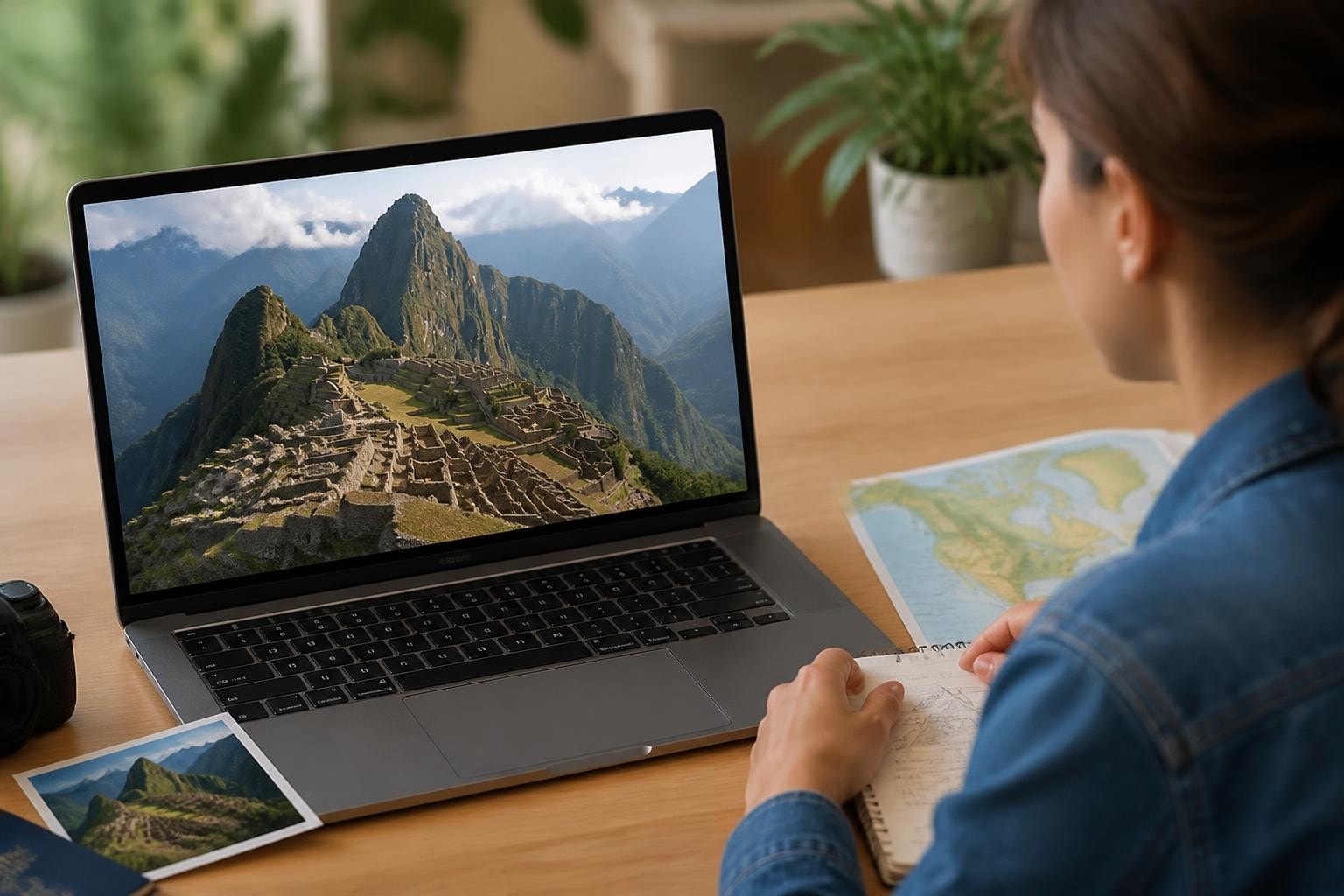
The ancient citadel of Machu Picchu has captivated travelers and historians for over a century, but not everyone can immediately journey to Peru's cloud forests. A machu picchu virtual tour offers an accessible way to explore this UNESCO World Heritage site from anywhere in the world, providing detailed views of terraces, temples, and mountainous landscapes that have remained largely unchanged since the 15th century. These digital experiences combine cutting-edge technology with archaeological expertise to deliver immersive encounters with Inca architecture and culture. Whether you're planning a future trip or simply curious about this archaeological wonder, virtual tours provide valuable context and preparation.
Understanding Virtual Tour Technology
Modern virtual tour platforms leverage multiple technologies to recreate the Machu Picchu experience digitally. 360-degree photography forms the foundation, allowing viewers to rotate their perspective and examine architectural details from multiple angles. High-resolution imagery captures intricate stonework, agricultural terraces, and the dramatic backdrop of Huayna Picchu mountain.
Google Street View pioneered accessible virtual exploration through its Street View Trek project, which sent specialized camera equipment along the Inca Trail and throughout the citadel. This technology enables users to "walk" through the site virtually, moving from the Sun Gate entrance through residential sectors to ceremonial plazas.
Key Technical Features
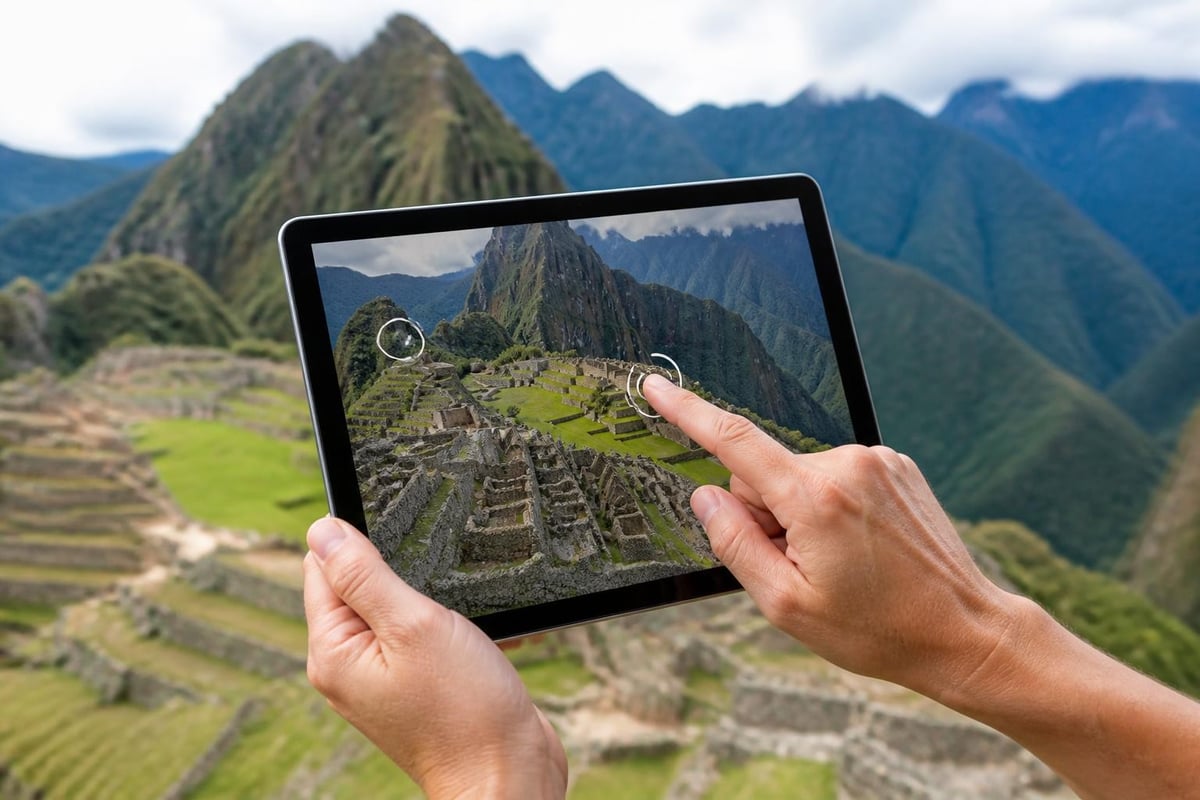
Virtual tours of Machu Picchu typically incorporate several sophisticated elements:
- Panoramic navigation that mimics physical movement through the archaeological park
- Zoom functionality for examining stonework details and architectural features
- Audio narration providing historical context and archaeological insights
- Interactive hotspots linking to additional information about specific structures
- Multilingual support making content accessible to international audiences
The Google Arts & Culture collection for Machu Picchu exemplifies comprehensive digital documentation, combining high-resolution photography with expert commentary from archaeologists and historians. These platforms transform static images into educational experiences that reveal construction techniques, astronomical alignments, and cultural significance.
Official Virtual Resources
Peru's government has invested significantly in digital heritage preservation. The Visita Virtual portal from the Ministerio de Cultura offers officially sanctioned virtual experiences of multiple heritage sites, including detailed documentation of Machu Picchu's major sectors. These resources maintain archaeological accuracy while making Peru's cultural patrimony accessible worldwide.
Official virtual tours serve multiple purposes beyond tourism promotion. They function as preservation tools, documenting the site's current condition for future conservation efforts. Digital archives created through virtual tour photography provide baseline data for monitoring environmental impact, structural stability, and visitor wear patterns.
| Resource Type | Primary Purpose | Best For |
|---|---|---|
| Government portals | Official documentation | Accurate historical context |
| Google Street View | Accessibility | Comprehensive site navigation |
| Museum collections | Educational depth | Academic research |
| Tour operator previews | Trip planning | Practical visitor preparation |
The official Machu Picchu site provides complementary digital resources including visitor regulations, circuit maps, and seasonal information that enhance virtual tour experiences with practical planning details.
Educational Value and Archaeological Insights
A machu picchu virtual tour delivers significant educational benefits beyond visual exploration. Contextual learning occurs when users can examine architectural features while simultaneously accessing expert commentary. Virtual platforms allow viewers to understand the relationship between different sectors-agricultural, residential, ceremonial, and administrative-in ways that physical visits sometimes obscure.
Learning Opportunities
Digital exploration enables focused study of specific aspects:
- Architectural techniques including ashlar masonry and earthquake-resistant construction
- Astronomical alignments such as the Intihuatana stone's solar observations
- Water management systems featuring sophisticated drainage and fountain networks
- Agricultural innovation demonstrated through terraced farming adaptations
- Urban planning evident in the citadel's organized spatial hierarchy
Recent scientific research has utilized virtual documentation methods to advance Machu Picchu scholarship. Scientific analysis published in Nature demonstrates how digital documentation supports archaeological research, enabling detailed structural analysis and conservation planning without physical intervention.
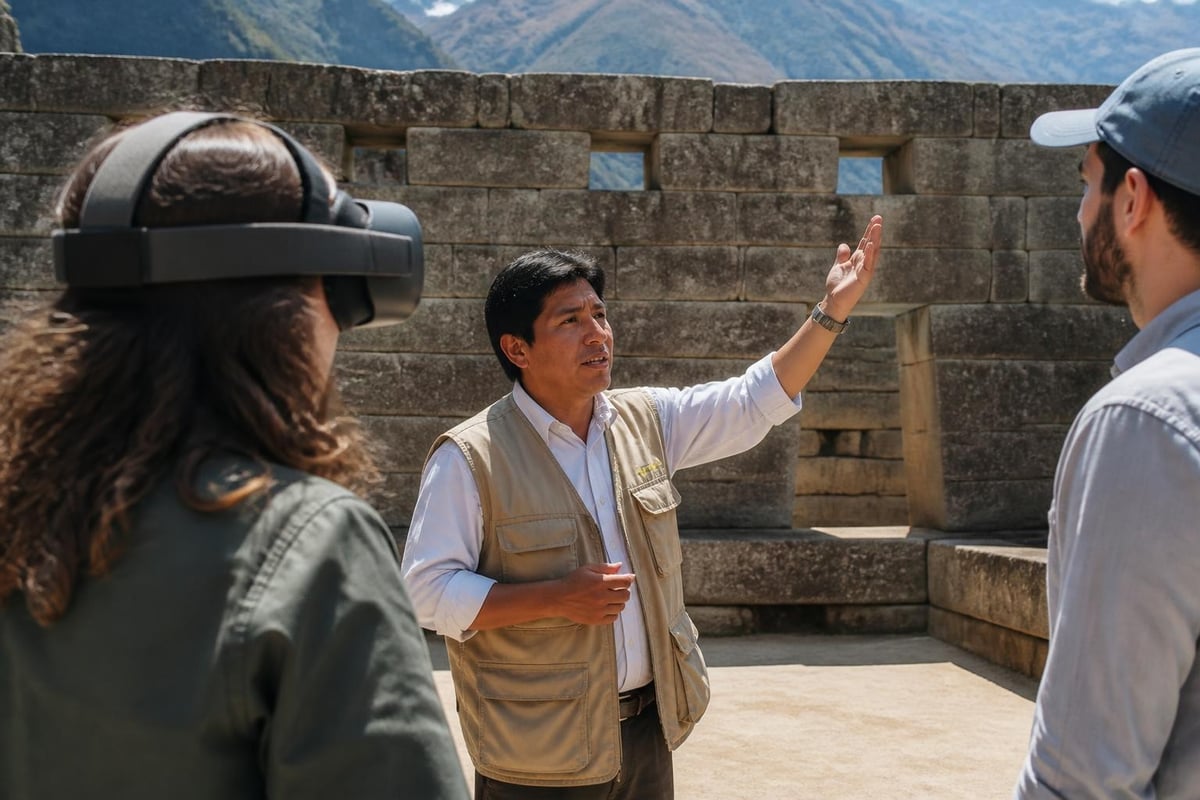
Virtual tours facilitate comparative analysis by allowing users to revisit specific locations repeatedly, noting seasonal changes, lighting variations, and architectural details that might be missed during time-limited physical visits. This repeated access supports deeper understanding and appreciation.
Planning Your Actual Visit
While virtual experiences provide remarkable access, they ultimately serve as preparation for in-person exploration. A machu picchu virtual tour helps travelers make informed decisions about their actual journey, from selecting appropriate tour circuits to identifying must-see structures.
Digital previews reveal the physical demands of site navigation, including steep staircases, high-altitude conditions, and varying terrain. This information helps visitors assess their fitness levels and choose suitable tour options. Understanding the layout virtually allows you to prioritize specific areas based on personal interests-whether archaeological features, photographic opportunities, or quieter contemplative spaces.
Pre-Visit Benefits
- Familiarization with site geography reduces navigation confusion
- Identification of photography locations and optimal viewing times
- Understanding of circuit restrictions and permitted areas
- Recognition of key structures enhances guide-led tours
- Realistic expectations about crowds and visitor flow
For travelers seeking a more immersive experience that combines preparation with adventure, the Machu Picchu & Huaynapicchu Tour 2 Days provides the opportunity to explore both the main citadel and ascend Huayna Picchu mountain for spectacular panoramic views. Virtual tours help you appreciate what these elevated perspectives reveal about the site's comprehensive planning and dramatic setting.
Conservation and Digital Preservation
The World Monuments Fund has documented how digital technologies support conservation efforts at vulnerable heritage sites. Virtual tours contribute to preservation by reducing physical stress on fragile structures while maintaining public access and educational opportunities.
3D documentation techniques employed in creating virtual tours generate permanent records of the site's current condition. These digital twins serve multiple conservation functions:
| Conservation Application | Virtual Tour Contribution |
|---|---|
| Structural monitoring | Baseline imagery for change detection |
| Restoration planning | Detailed architectural documentation |
| Environmental assessment | Visual records of weather impact |
| Visitor management | Data for sustainable tourism planning |
| Educational outreach | Public engagement without site stress |
Climate change, seismic activity, and tourism pressure all threaten Machu Picchu's integrity. Virtual alternatives help distribute visitor interest across digital and physical experiences, potentially reducing overcrowding during peak seasons while maintaining economic benefits for local communities.
Enhancing Virtual Experiences
Quality varies significantly among available virtual tour options. The most effective machu picchu virtual tour platforms share several characteristics that elevate them beyond simple photo galleries. Narrative structure guides users through logical progressions, mimicking the flow of guided physical tours from entrance areas through major sectors to viewpoints.
Quality Indicators
Advanced virtual tours incorporate:
- Expert narration from archaeologists or experienced guides
- Historical imagery comparing current conditions to early 20th-century photographs
- Seasonal variations showing the site in different weather and lighting
- Cultural context explaining Inca cosmology and social organization
- Interactive maps displaying user location within the complex
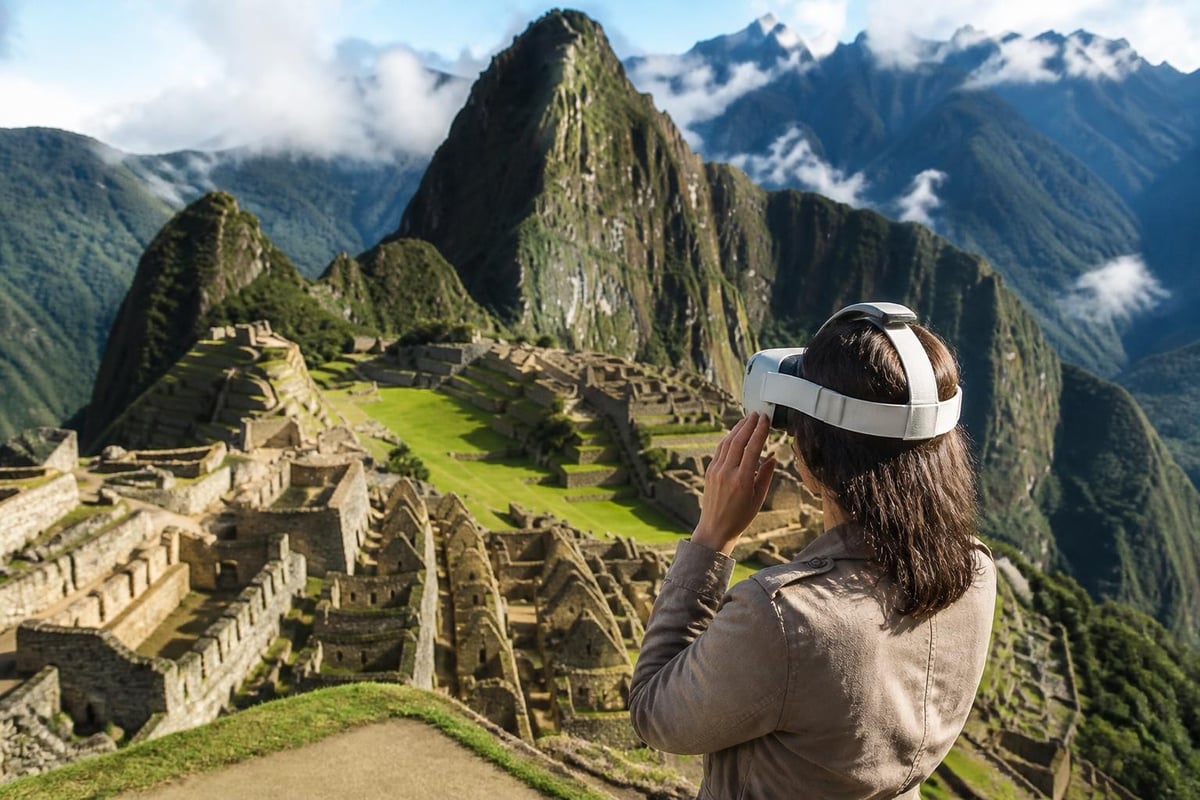
User experience design significantly impacts engagement. Intuitive navigation, fast loading times, and mobile compatibility ensure accessibility across devices and internet speeds. Some platforms offer virtual reality compatibility, enabling fully immersive experiences through VR headsets that approximate physical presence.
Combining Virtual and Physical Exploration
The relationship between virtual tours and physical visits should be complementary rather than competitive. Digital exploration builds anticipation, provides context, and enables informed planning. Physical visits deliver irreplaceable sensory experiences-altitude breathlessness, stone texture, mountain air, and the profound atmosphere of walking where Inca engineers and farmers lived centuries ago.
Many travelers use virtual tours at three distinct stages:
- Initial research to determine if Machu Picchu aligns with travel interests
- Detailed planning to understand circuits, timing, and logistical requirements
- Post-visit reflection to revisit specific locations and consolidate memories
Virtual platforms enable shared experiences for those unable to travel. Families can explore together before a trip, friends can revisit tours with those who couldn't join physically, and educators can bring Machu Picchu into classrooms worldwide.
Technical Limitations and Future Developments
Current machu picchu virtual tour technologies, while impressive, face inherent constraints. Scale perception remains challenging-virtual images struggle to convey the massive dimensions of agricultural terraces or the dramatic verticality of surrounding peaks. Screen-based experiences lack the peripheral vision and spatial awareness that physical presence provides.
Weather dynamics, crowd movements, and atmospheric conditions resist digital replication. The morning mist revealing terraces gradually, afternoon storms obscuring peaks temporarily, or the quality of light at different seasons-these temporal elements rarely feature in static virtual tours.
Emerging Technologies
Future developments promise enhanced virtual experiences:
- Augmented reality overlays showing reconstruction of damaged structures
- Time-lapse integration demonstrating seasonal and daily variations
- Crowdsourced imagery expanding coverage beyond official documentation
- AI-guided narration personalizing content to user interests
- Haptic feedback simulating texture and environmental conditions
As technology advances, the gap between virtual and physical experiences narrows, though complete substitution remains impossible. The goal should be augmentation rather than replacement-using digital tools to deepen appreciation and prepare for transformative in-person encounters.
Accessibility and Global Reach
Virtual tours democratize access to Machu Picchu for populations facing barriers to physical travel. Mobility limitations, financial constraints, health conditions, or geographic distance need not prevent cultural engagement. Students in remote regions, elderly individuals unable to manage high-altitude trekking, or those with disabilities preventing steep stair navigation can still experience this wonder.
This accessibility carries educational implications. Teachers worldwide incorporate machu picchu virtual tour content into history, archaeology, and cultural studies curricula. Interactive exploration engages students more effectively than textbook images, fostering cross-cultural understanding and historical appreciation.
Digital platforms also serve diaspora communities and heritage enthusiasts maintaining connections to Andean culture. For Peruvians living abroad or individuals with family ties to the region, virtual tours provide meaningful cultural touchpoints and pride in ancestral achievements.
Virtual exploration offers remarkable access to Machu Picchu's architectural wonders and historical significance, serving as both standalone educational resource and essential planning tool. When you're ready to transform digital discovery into lived experience, Machupicchu Trips provides locally-led tours ranging from classic multi-day adventures to specialized sunrise experiences and challenging mountain ascents. Our expert guides bring the context you've learned virtually to life, revealing details and stories that only in-person exploration can deliver. Start planning your journey to walk the ancient stones yourself and create memories that no virtual platform can replicate.