
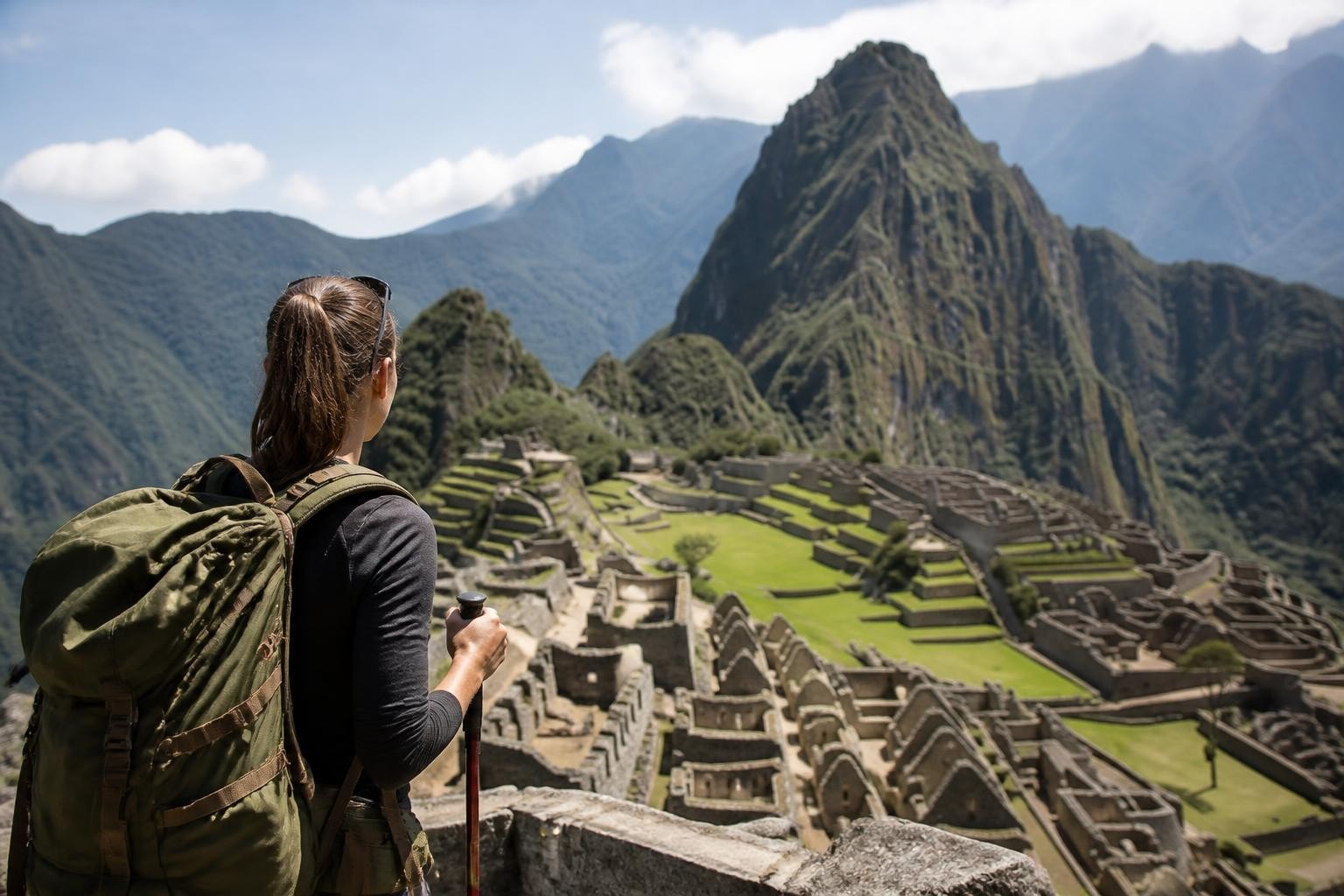
Planning an expedition Machu Picchu requires careful consideration of routes, permits, physical preparation, and sustainable travel practices. Whether you're drawn to the ancient Inca citadel through challenging treks or scenic train journeys, understanding the logistics and options available ensures an unforgettable experience. This comprehensive guide covers everything from choosing your expedition style to navigating current regulations, helping you prepare for one of the world's most remarkable archaeological adventures.
Understanding Your Expedition Machu Picchu Options
The path to Machu Picchu offers diverse approaches suited to different fitness levels, time constraints, and adventure preferences. Each option provides unique perspectives on the Andean landscape and Inca heritage.
Classic Trekking Routes
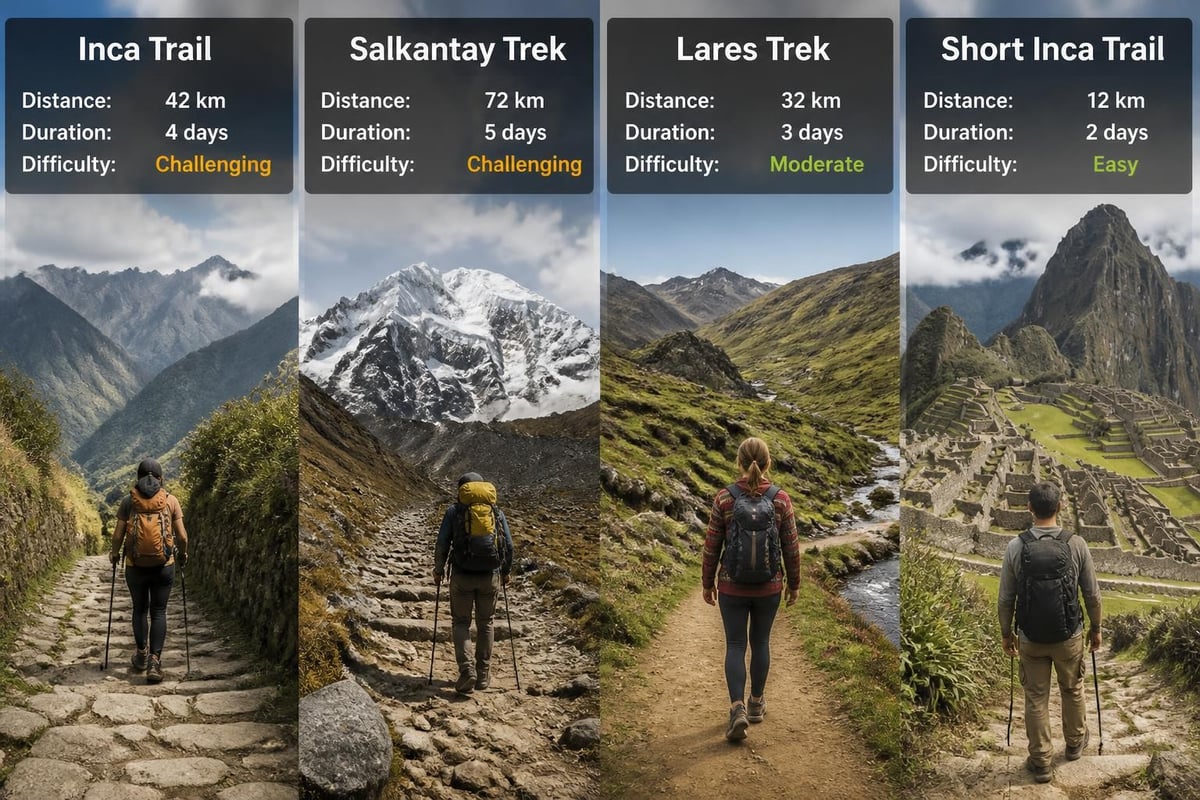
The traditional expedition Machu Picchu routes combine physical challenge with historical immersion. The Classic Inca Trail remains the most iconic, covering approximately 26 miles over four days through cloud forests, mountain passes, and ancient ruins. Trekkers navigate elevations from 8,200 to 13,800 feet, experiencing dramatic altitude changes that demand proper acclimatization.
Alternative trekking options include:
- Salkantay Trek: Five-day journey through diverse ecosystems, passing beneath snow-capped Salkantay Mountain
- Lares Trek: Cultural route through traditional Andean villages with authentic local encounters
- Short Inca Trail: Two-day abbreviated version entering through the Sun Gate
- Choquequirao Trek: Remote eight-day expedition to the "sister city" of Machu Picchu
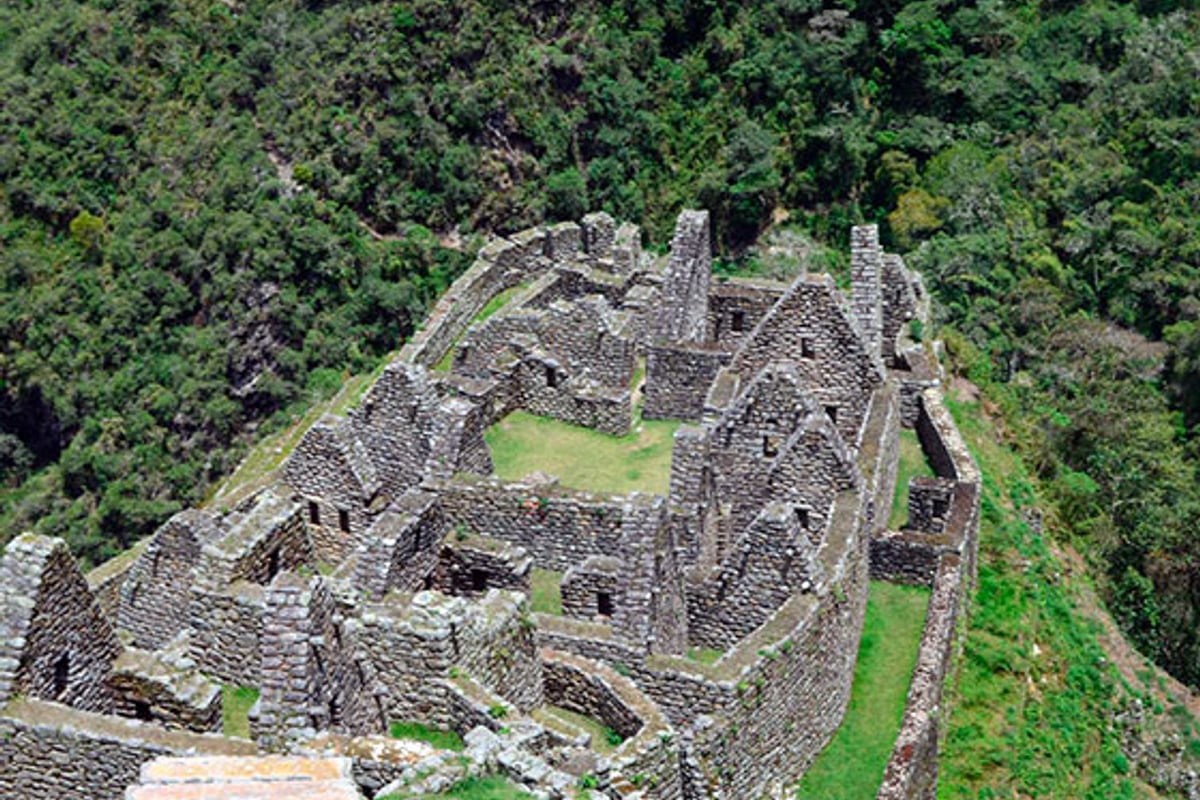
The Short Inca Trail to Machu Picchu 2 Days / 1 Night offers an excellent compromise for travelers seeking the authentic trekking experience without the full four-day commitment. This condensed expedition allows you to walk ancient Inca pathways, explore Wiñay Wayna ruins, and enter Machu Picchu through the iconic Sun Gate while accommodating tighter schedules.
Train and Bus Access Routes
Not every expedition Machu Picchu needs to involve multi-day trekking. Rail services from Cusco and the Sacred Valley provide comfortable, scenic alternatives through the Urubamba River valley.
| Route | Duration | Experience Level | Scenery |
|---|---|---|---|
| Cusco to Aguas Calientes | 3.5-4 hours | All levels | Andean valleys, river gorges |
| Ollantaytambo to Aguas Calientes | 1.5-2 hours | All levels | Sacred Valley views |
| Hydroelectric Station walk | 2-3 hours walking | Moderate | Riverside trail, jungle vegetation |
The train journey itself represents a significant part of the expedition experience, with panoramic windows showcasing terraced hillsides, rushing rivers, and distant glaciated peaks. From Aguas Calientes, shuttle buses ascend the switchback road to the citadel entrance.
Permit Requirements and Booking Strategies
Securing appropriate permits represents one of the most critical aspects of planning your expedition Machu Picchu adventure. Recent regulatory changes have introduced new circuits and capacity limits designed to preserve the archaeological site while managing visitor flows.
Current Permit System
The Peruvian Ministry of Culture maintains strict visitor caps to protect Machu Picchu's delicate structures and ecosystems. As of 2026, the official ticketing system divides access into specific circuits with designated time slots and maximum capacities.
Primary circuit options include:
- Circuit 1: Upper terraces and classic panoramic viewpoint (limited capacity)
- Circuit 2: Lower terraces and agricultural sector access
- Circuit 3: Royal sector including Temple of the Sun
- Circuit 4: Extended route with Temple of the Condor access
Each circuit requires advance booking, with popular dates selling out months ahead during peak season (May through September). The Peruvian government has issued updated guidelines emphasizing sustainable tourism practices and visitor education requirements.
Inca Trail Permits
The Classic Inca Trail operates under separate, more restrictive permit limitations. Only 500 total permits are issued daily, including guides, porters, and trekkers. This translates to approximately 200 tourist spaces per day.
Critical booking considerations:
- Timeline: Reserve 5-6 months ahead for peak season, 3-4 months for shoulder season
- Non-transferable: Permits require passport information and cannot be changed once issued
- Mandatory guides: Independent trekking is prohibited; licensed operators required
- Age restrictions: Minimum age typically 12 years for Classic Inca Trail
- Closures: The trail closes entirely each February for maintenance and restoration
Alternative treks like Salkantay and Lares don't require advance permits for the trekking portion, though Machu Picchu entrance tickets remain necessary.
Physical Preparation and Training
Success on an expedition Machu Picchu depends significantly on physical readiness, particularly for high-altitude trekking routes. The combination of elevation, terrain difficulty, and multi-day exertion demands systematic preparation.
Conditioning Timeline
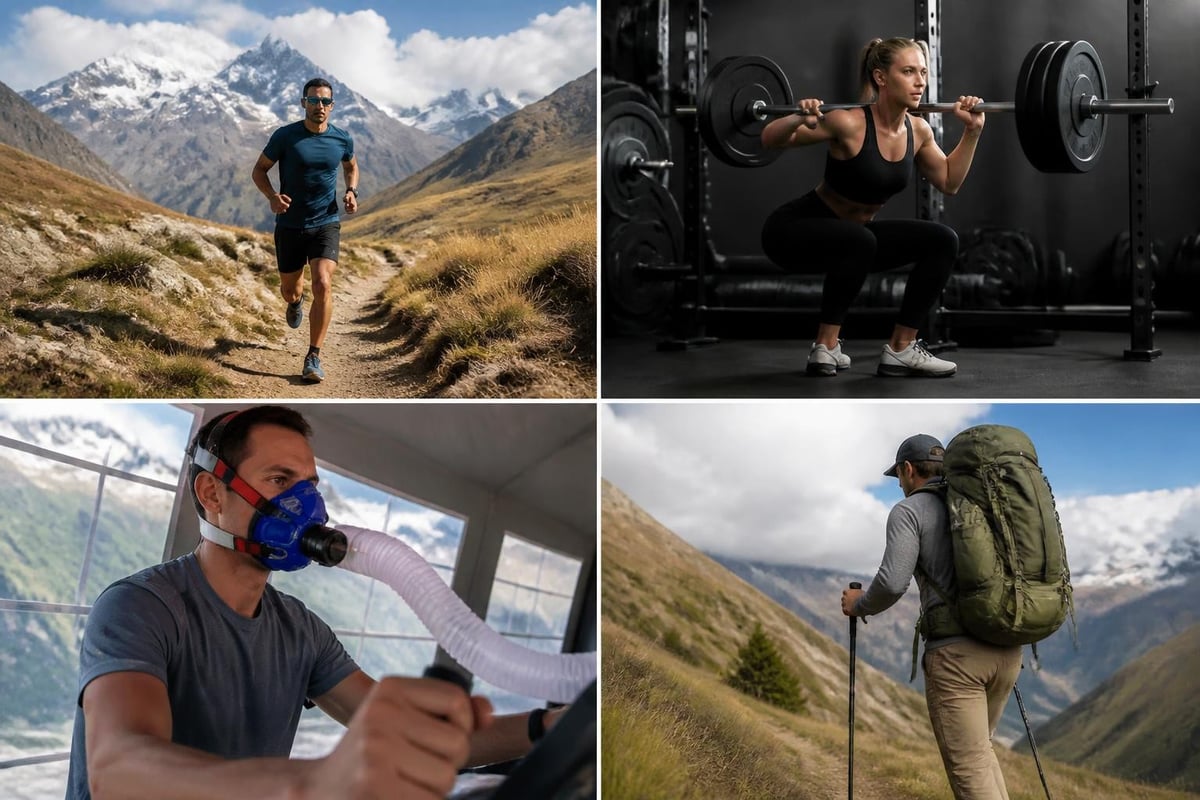
Begin training at least 8-12 weeks before departure. Cardiovascular endurance forms the foundation, but strength training and flexibility work prove equally important.
Weekly training structure:
- Weeks 1-4: Build aerobic base with 3-4 cardio sessions (30-45 minutes each)
- Weeks 5-8: Increase duration and add elevation (hiking with weighted pack, stairs)
- Weeks 9-12: Peak training with back-to-back long days simulating trek conditions
- Final week: Taper with lighter activity maintaining fitness without fatigue
Include at least two strength sessions weekly focusing on legs, core, and back muscles that stabilize under pack weight. Squats, lunges, planks, and deadlifts build functional strength for ascending steep Inca staircases.
Altitude Acclimatization
Cusco sits at 11,150 feet elevation, while the highest Inca Trail pass reaches 13,828 feet. Proper acclimatization prevents acute mountain sickness and ensures you can fully enjoy your expedition Machu Picchu experience.
Acclimatization best practices:
| Strategy | Implementation | Benefit |
|---|---|---|
| Staged ascent | Spend 2-3 days in Cusco before trekking | Gradual adjustment to elevation |
| Hydration | Drink 3-4 liters water daily | Combats altitude dehydration |
| Coca tea | Traditional remedy consumed throughout day | May ease mild symptoms |
| Diamox | Prescription medication (consult physician) | Speeds acclimatization process |
| "Climb high, sleep low" | Day hikes to higher elevation before trek | Accelerates adaptation |
Listen to your body. Headaches, nausea, and fatigue indicate your body needs more time adjusting. Never ascend further while experiencing symptoms, as they can rapidly progress to dangerous conditions.
Essential Gear and Packing Strategies
Packing appropriately for an expedition Machu Picchu balances comfort, functionality, and weight constraints. Multi-day treks with porter services typically allow 15-pound duffel bags, while day packs remain with trekkers.
Clothing Layers
Andean weather fluctuates dramatically between sunny afternoons and freezing nights. A layering system provides versatility across microclimates from cloud forest to high passes.
Core clothing items:
- Base layers: Moisture-wicking synthetic or merino wool (2-3 sets)
- Insulation: Fleece or down jacket for evenings and early mornings
- Outer shell: Waterproof, breathable rain jacket and pants
- Hiking pants: Quick-dry, convertible options preferred
- Warm hat and sun hat: Protection from both cold and intense high-altitude UV
- Gloves: Liner gloves plus warmer outer layer
- Hiking socks: Wool blend, 3-4 pairs to prevent blisters
Avoid cotton materials that retain moisture. Even "just in case" items should be synthetic or wool-based for faster drying and better temperature regulation.
Technical Equipment
Quality boots represent the single most important gear investment. Break them in thoroughly with at least 50 miles of hiking before your expedition to prevent blisters on ancient stone staircases.
Additional essential equipment:
- Trekking poles (reduce knee stress on descents)
- Headlamp with extra batteries
- Water purification (tablets or filter system)
- Sunglasses with UV protection
- Sunscreen and lip balm (SPF 50+)
- First aid kit including blister treatment
- Insulated water bottles (2-3 liters capacity)
- Sleeping bag rated to 20°F (-7°C) for camping treks
Pack everything in waterproof stuff sacks or dry bags. Afternoon rain showers occur frequently, and protecting electronics, clothing, and sleeping gear from moisture proves essential for comfort and safety.
Sustainable and Responsible Travel Practices
Modern expedition Machu Picchu planning must incorporate environmental stewardship and cultural respect. The UNESCO World Heritage site faces significant preservation challenges from increased tourism pressure, requiring visitor cooperation with conservation initiatives.
Leave No Trace Principles
The Inca Trail and Machu Picchu sanctuary operate under strict environmental protocols. Licensed operators follow Leave No Trace ethics, but individual travelers bear responsibility for minimizing their impact.
Core sustainable practices:
- Pack out all trash including organic waste (orange peels, apple cores)
- Use designated toilet facilities exclusively; portable toilets provided on treks
- Stay on marked trails to prevent erosion and vegetation damage
- Avoid touching or climbing on archaeological structures
- Respect wildlife by observing from distance without feeding or approaching
- Choose reusable water bottles and avoid single-use plastics
- Support local economies through ethical purchasing and fair tipping
Recent research on sustainable tourism management emphasizes the importance of visitor behavior in reducing carbon emissions and preserving cultural heritage sites. Small actions like minimizing helicopter transfers and choosing train over road transport contribute measurably to lower environmental impact.
Cultural Sensitivity
The Sacred Valley remains home to Quechua communities maintaining traditions dating to pre-Columbian times. Respectful interaction enriches your expedition while supporting cultural preservation.
Seek permission before photographing people, particularly in traditional villages along routes like the Lares Trek. Many communities welcome cultural exchange but request that visitors avoid treating them as photo subjects without consent.
Purchase handicrafts directly from artisans when possible, ensuring fair compensation and authentic products. Mass-produced "Inca" souvenirs in Cusco often originate elsewhere, while village cooperatives offer genuine traditional textiles and ceramics.
Historical and Archaeological Context
Understanding the historical significance of Machu Picchu transforms your expedition from sightseeing into meaningful engagement with Inca civilization. The citadel's purpose, construction, and eventual abandonment continue generating scholarly debate.
Construction and Purpose Theories
Built around 1450 CE under Inca emperor Pachacuti, Machu Picchu demonstrates extraordinary architectural and engineering achievement. The site's location, perched between two peaks above the Urubamba River, required massive terracing, sophisticated drainage systems, and seismic-resistant masonry.
Leading theories about Machu Picchu's function:
- Royal estate and retreat for Inca nobility
- Sacred religious center aligned with astronomical events
- Administrative hub controlling coca and other agricultural production
- Symbol of Inca power over conquered territories
- Combination of ceremonial, residential, and agricultural purposes
Recent genetic research published in PNAS analyzed remains from the site, revealing diverse geographic origins among residents. This suggests Machu Picchu drew people from across the Inca Empire, supporting theories about its significance as a special ceremonial or administrative center.
Architectural Marvels
The precision of Inca stonework at Machu Picchu remains unmatched. Massive granite blocks fit together without mortar, creating earthquake-resistant structures that have survived five centuries.
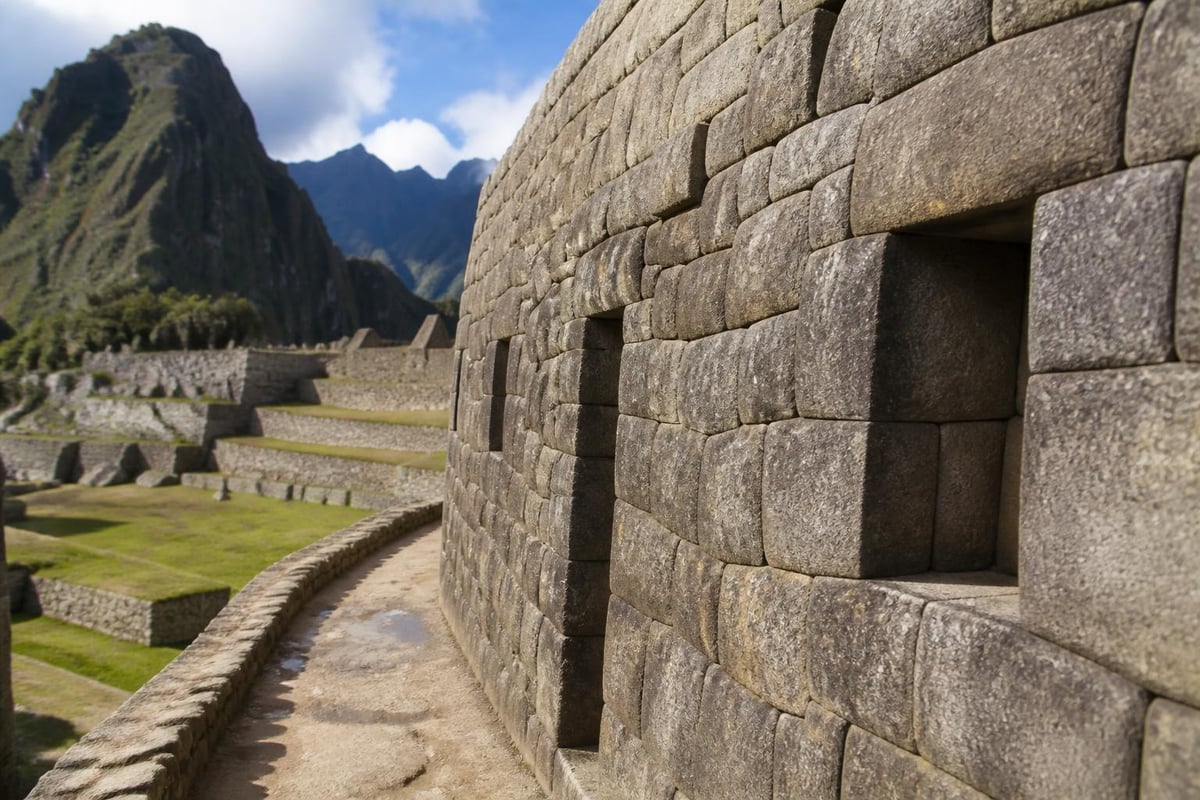
Key architectural features include the Intihuatana stone (ritual astronomical device), Temple of the Sun (aligned with winter solstice), and the Royal Tomb's precise stonework. The Temple of the Three Windows showcases trapezoidal openings characteristic of Inca architecture, designed for structural stability during seismic events.
Conservation efforts documented in Built Heritage journal examine geotechnical challenges facing preservation, including rainfall-induced erosion, foundation stability, and climate change impacts on the site's delicate balance.
Timing Your Expedition
Selecting optimal travel dates for your expedition Machu Picchu significantly affects weather conditions, crowd levels, and overall experience quality. Peru's seasons operate inversely to Northern Hemisphere patterns.
Seasonal Considerations
The dry season (May through September) offers the most reliable weather but attracts maximum visitor numbers. Conversely, the wet season (November through March) brings afternoon rains but fewer crowds and vibrant green landscapes.
| Month | Weather | Crowds | Pros | Cons |
|---|---|---|---|---|
| January-March | Heavy rain | Low | Lush scenery, availability | Trail closures, muddy conditions |
| April | Transitional | Moderate | Improving weather, reasonable crowds | Some rain persists |
| May-September | Dry, sunny | High | Clear views, stable conditions | Advanced booking required, higher prices |
| October | Transitional | Moderate | Clearing weather, wildflowers | Unpredictable conditions |
| November-December | Increasing rain | Low-Moderate | Good availability, festive season | Afternoon showers common |
Note that the Inca Trail closes completely during February for maintenance and ecological recovery. Alternative routes like Salkantay and Lares remain open year-round with appropriate wet-weather precautions.
Daily Timing Strategies
Within your visit dates, strategic timing maximizes your Machu Picchu experience. Current research on visitor flow patterns published in Frontiers in Sustainable Tourism analyzes crowd dynamics to support better visitor management.
Early morning entry (6-7 AM) provides several advantages: cooler temperatures for exploration, potential for mystical fog over ruins, and fewer visitors during initial hours. The site opens at 6 AM, with sunrise creating dramatic lighting across the ancient structures.
Afternoon visits (after 2 PM) offer different advantages: dispersed crowds as day-trippers depart, warmer temperatures, and often clearer skies as morning clouds dissipate. However, some popular sections may close earlier for preservation.
Health and Safety Considerations
Comprehensive preparation for an expedition Machu Picchu includes understanding potential health challenges and implementing preventive strategies. The combination of altitude, physical exertion, and remote locations requires proactive health management.
Medical Preparations
Consult your physician 6-8 weeks before departure to address vaccinations, altitude medications, and pre-existing conditions. While no vaccinations are mandatory for Peru, several are recommended based on your itinerary.
Recommended immunizations and medications:
- Routine vaccines (tetanus, measles, etc.) updated to current standards
- Hepatitis A and Typhoid for all travelers
- Yellow Fever if extending to Amazon regions
- Altitude sickness medication (Acetazolamide/Diamox) after physician consultation
- Traveler's diarrhea medication and oral rehydration salts
- General first aid supplies including blister treatment and pain relievers
Pack medications in original containers with prescriptions. Altitude can affect how your body processes certain medications, so discuss adjustments with your healthcare provider.
Emergency Protocols
Professional expedition Machu Picchu operators maintain comprehensive safety protocols, but understanding emergency procedures provides peace of mind. All licensed Inca Trail operators carry satellite communication devices and have established evacuation procedures.
Common health issues and responses include acute mountain sickness (descend to lower elevation immediately), injuries requiring evacuation (helicopter extraction from designated points), and gastrointestinal distress (rest, rehydration, and medical assessment).
Travel insurance covering high-altitude trekking and emergency evacuation is non-negotiable. Standard policies often exclude adventure activities, requiring specialized coverage that includes helicopter rescue and medical repatriation if necessary.
Maximizing Your Archaeological Experience
Beyond physical preparation and logistics, deepening your understanding of Inca culture and Andean ecology enriches every moment of your expedition Machu Picchu journey. Preparation transforms observation into genuine appreciation.
Pre-Trip Education
Invest time learning about Inca civilization, Spanish conquest history, and Andean cosmology before arrival. National Geographic’s exploration of the Sacred Valley provides accessible, well-researched context for understanding the broader cultural landscape.
Educational resources to explore:
- Documentary films on Inca engineering and astronomy
- Books on Andean ecology and traditional agriculture
- Virtual tours of major archaeological sites
- Quechua language basics for respectful cultural interaction
- Traditional Andean weaving techniques and symbolism
Understanding concepts like ayni (reciprocal exchange) and the Inca relationship with Pachamama (Earth Mother) provides framework for interpreting architectural choices, agricultural terracing, and ceremonial spaces encountered throughout your expedition.
Photography and Documentation
Capturing your expedition Machu Picchu experience requires balancing personal documentation with respectful site preservation. Current regulations prohibit tripods, drones, and professional photography equipment without special permits.
Optimal photography occurs during golden hours-shortly after sunrise or before sunset-when angled light creates dimensional shadows across terraces and structures. Cloudy conditions often produce better results than harsh midday sun, which creates extreme contrast.
Rather than rushing to photograph everything, focus on specific details: the precision of stone joints, the interplay of light on agricultural terraces, or the dramatic setting between Huayna Picchu and Machu Picchu mountains. These intentional compositions often prove more memorable than generic panoramic shots.
An expedition Machu Picchu represents far more than visiting an archaeological site-it's a transformative journey through ancient history, dramatic landscapes, and rich cultural traditions that continue shaping the Andean region today. Whether you choose challenging multi-day treks or comfortable train access, proper planning ensures you experience this wonder with minimal environmental impact and maximum personal reward. Ready to transform these plans into reality with expert local guidance? Machupicchu Trips offers carefully curated expedition options led by knowledgeable guides who bring Peru's history and natural beauty to life, creating authentic experiences tailored to your interests and abilities.