
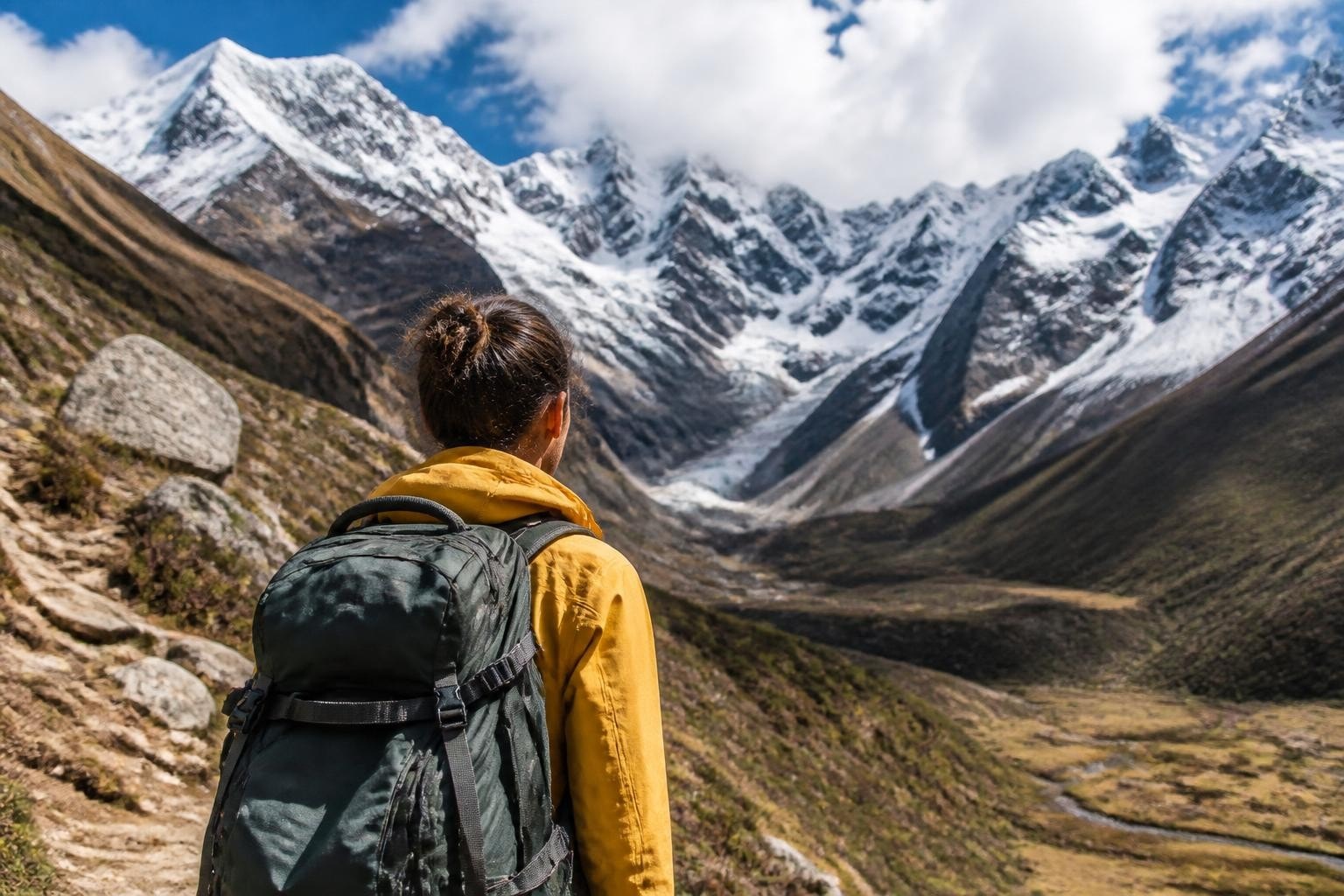
The Salkantay Trek stands as one of Peru's most spectacular alternative routes to Machu Picchu, offering adventurers a complete Andean experience without the permit restrictions of the classic Inca Trail. This challenging yet rewarding journey traverses dramatic mountain passes, plunges into lush cloud forests, and delivers trekkers directly to the ancient citadel. The salkantay trek 4 days has become increasingly popular among travelers seeking an authentic wilderness experience combined with cultural immersion and breathtaking scenery across diverse ecological zones.
Understanding the Salkantay Route
The salkantay trek 4 days covers approximately 60 kilometers of varied terrain, beginning in the highlands near Mollepata and finishing at Machu Picchu. Named after the sacred Salkantay mountain (6,271 meters), this route offers an intimate encounter with one of the most revered peaks in Andean cosmology.
Geographic Overview and Route Highlights
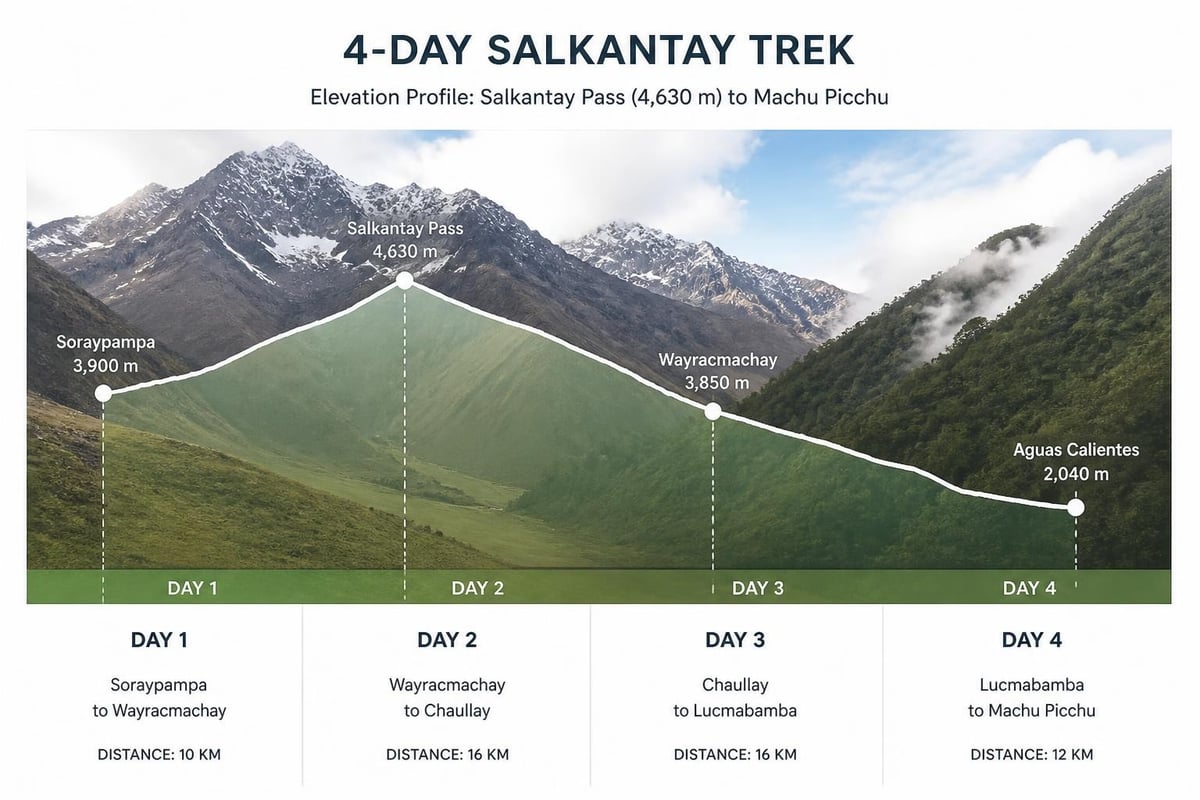
The trek begins at elevations around 2,900 meters and climbs to the challenging Salkantay Pass at 4,630 meters before descending through multiple climate zones. This dramatic elevation change creates one of the most diverse trekking experiences in South America.
Key geographic features include:
- Salkantay Pass: The highest point and most challenging section
- Humantay Lake: A stunning turquoise glacial lake (optional side trek)
- Cloud forest transition: Dramatic shift from alpine to subtropical ecosystems
- Coffee plantations: Working farms in the Santa Teresa region
- Hydroelectric station area: Final approach to Aguas Calientes
The route's diversity sets it apart from other Machu Picchu approaches. According to National Geographic’s comparison of Machu Picchu hikes, the Salkantay Trek offers the most dramatic landscape variations of any trekking route to the ancient citadel.
Climate Zones and Ecosystem Diversity
Trekkers experience three distinct climate zones during the salkantay trek 4 days. The high-altitude puna features hardy grasses and occasional vicuñas, while the cloud forest transition zone bursts with orchids, bromeliads, and bird species. The subtropical zone near Santa Teresa offers coffee, bananas, and avocados growing alongside the trail.
| Elevation Range | Climate Zone | Temperature Range | Typical Vegetation |
|---|---|---|---|
| 4,000-4,630m | Alpine/Puna | -5°C to 10°C | Grasses, lichens, hardy shrubs |
| 2,500-4,000m | Cloud Forest | 5°C to 18°C | Orchids, ferns, polylepis trees |
| 1,500-2,500m | Subtropical | 15°C to 25°C | Coffee, fruit trees, dense vegetation |
The Historic Sanctuary of Machu Picchu protects this biodiversity, and trekkers contribute to conservation efforts through permit fees and responsible trekking practices.
Daily Itinerary Breakdown
Day One: Mollepata to Soraypampa
The journey begins with a three-hour drive from Cusco to Mollepata (2,900 meters), where trekkers enjoy breakfast before starting the ascent. The first day covers approximately 12 kilometers over five to six hours of hiking.
The trail climbs gradually through agricultural valleys where local families still farm using traditional methods. Afternoon arrival at Soraypampa (3,900 meters) provides spectacular views of Salkantay and Humantay peaks. Most itineraries include time for acclimatization walks or an optional hike to Humantay Lake, adding two hours but offering unforgettable turquoise waters framed by glaciers.
First day essentials:
- Begin hydrating heavily before departure
- Pack layers for temperature changes
- Keep camera accessible for mountain photography
- Maintain steady pace for acclimatization
Day Two: Soraypampa to Chaullay via Salkantay Pass
Day two represents the trek's most challenging section. Trekkers wake early for the three-hour ascent to Salkantay Pass (4,630 meters), the highest point of the salkantay trek 4 days. Clear mornings offer panoramic views of snow-capped peaks stretching to the horizon.
After reaching the pass, the route descends steeply into the Salkantay River valley. This section drops nearly 2,000 vertical meters over seven to eight hours total. The landscape transforms dramatically from barren alpine terrain to verdant cloud forest within hours. Camp at Chaullay (2,900 meters) provides warmer temperatures and lush surroundings.
The CDC’s guidance on high-altitude travel emphasizes the importance of gradual ascent and recognizing altitude sickness symptoms, particularly relevant for this demanding day.
Day Three: Chaullay to Lucmabamba
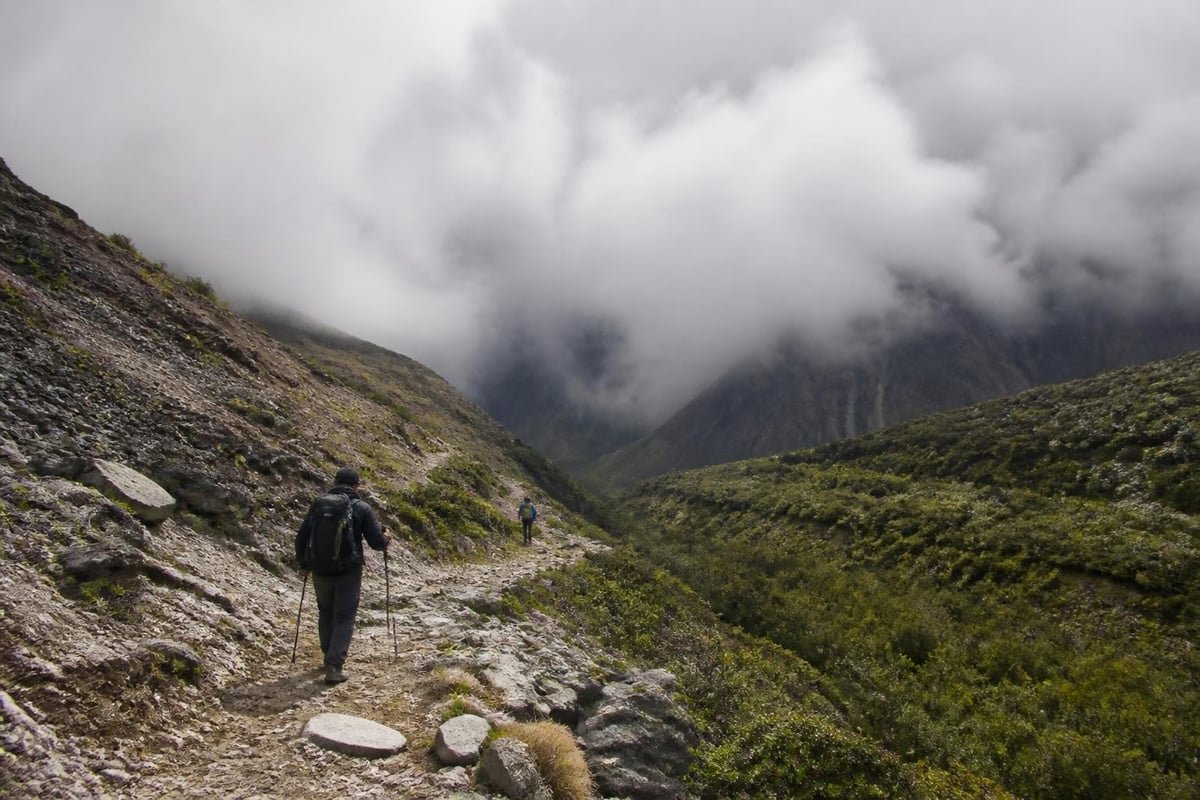
The third day offers gentler terrain as the trail follows the Santa Teresa River through increasingly tropical landscapes. This 15-kilometer section takes five to six hours and passes through working coffee and fruit plantations.
Many tour operators incorporate visits to local farms where families demonstrate traditional coffee processing. Trekkers can sample freshly roasted beans and learn about the region's agricultural economy. The trail crosses several suspension bridges and offers opportunities to spot diverse bird species including hummingbirds and tanagers.
Lucmabamba (2,000 meters) sits in a beautiful valley surrounded by coffee plantations. Some itineraries include optional hot springs visits or coffee plantation tours during the afternoon rest period.
Day Four: Lucmabamba to Machu Picchu
The final day begins with a pre-dawn wake-up for the trek to Llactapata, an often-overlooked Inca site offering unique perspectives of Machu Picchu across the valley. This two-hour morning hike rewards early risers with views of the sunrise illuminating the famous citadel.
After Llactapata, trekkers descend to the hydroelectric station where the trail follows railway tracks to Aguas Calientes. This flat section takes three to four hours. Alternatively, some operators offer train tickets for this segment. Overnight in Aguas Calientes allows for rest before the early morning ascent to Machu Picchu on day five, though technically the trek itself completes in four days.
Essential Preparation and Packing
Physical Conditioning Requirements
The salkantay trek 4 days demands moderate to high fitness levels. Successful completion requires comfort hiking six to eight hours daily with elevation gains up to 700 meters. Preparation should begin at least two months before departure.
Recommended training activities:
- Hiking with weighted backpack on varied terrain
- Cardiovascular exercises (running, cycling, swimming)
- Leg strength training (squats, lunges, step-ups)
- Practice hiking at elevation if possible
- Build endurance gradually with longer weekend hikes
Previous high-altitude experience helps but isn't mandatory. Many first-time high-altitude trekkers complete the route successfully with proper acclimatization in Cusco before departure.
Gear and Equipment Checklist
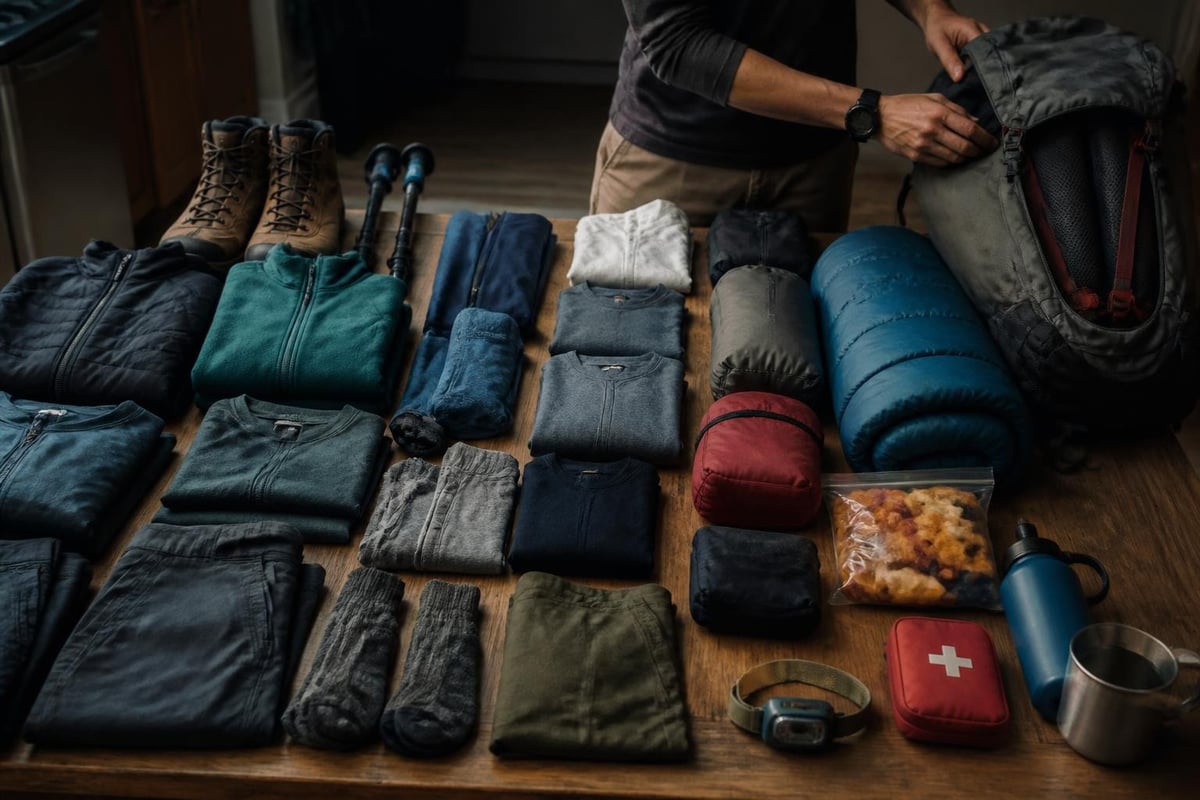
Packing appropriately makes the difference between comfort and struggle on the salkantay trek 4 days. Weather varies dramatically between climate zones, requiring versatile layering systems.
| Category | Essential Items | Optional but Recommended |
|---|---|---|
| Clothing | Moisture-wicking base layers, fleece, waterproof jacket, hiking pants, warm hat | Down jacket, backup gloves, sun hat |
| Footwear | Broken-in hiking boots, wool socks (3-4 pairs) | Camp shoes, gaiters |
| Sleeping | Sleeping bag rated to -10°C, sleeping bag liner | Inflatable pillow |
| Accessories | Headlamp, sunglasses, sunscreen SPF 50+, water bottles (2L capacity) | Trekking poles, portable charger |
| Personal | First aid kit, altitude medication, toiletries, toilet paper | Camera, binoculars |
Tour operators typically provide tents, sleeping mats, and meals, but confirming what's included prevents unpleasant surprises. Personal porters or horses can carry main luggage while trekkers carry daypacks with essentials.
Altitude Acclimatization Strategies
Altitude sickness represents the primary health concern on the salkantay trek 4 days, particularly when crossing the 4,630-meter pass. Proper acclimatization significantly reduces risks and improves the overall experience.
Pre-Trek Acclimatization in Cusco
Spending at least two full days in Cusco (3,400 meters) before starting allows the body to adjust to elevation. This period should include light activities rather than complete rest. Walking around the city, visiting nearby sites, and staying hydrated helps the acclimatization process.
Effective acclimatization practices:
- Arrive in Cusco at least three days before the trek
- Avoid alcohol and heavy meals during acclimatization
- Drink three to four liters of water daily
- Consider coca tea, a traditional altitude remedy
- Consult physicians about acetazolamide (Diamox) if prone to altitude issues
Some travelers benefit from spending a night at lower elevations if they experience significant symptoms in Cusco. The Sacred Valley towns like Urubamba sit at more comfortable 2,800 meters while still providing acclimatization benefits.
Recognizing and Managing Altitude Symptoms
Mild altitude symptoms affect most trekkers and include headache, slight nausea, and fatigue. These typically resolve with rest, hydration, and gradual ascent. Severe symptoms like confusion, extreme breathlessness, or inability to walk require immediate descent and medical attention.
The descent on day two naturally helps recovery as trekkers drop to lower elevations. Most participants report feeling significantly better after crossing the pass and descending into warmer zones.
Permits, Regulations, and Booking
Current Permit Requirements
Unlike the classic Inca Trail, the salkantay trek 4 days doesn't require advance trek permits, offering more flexibility in planning. However, Machu Picchu entrance tickets must be secured in advance through the official government ticketing platform, as daily visitor limits apply.
Machu Picchu tickets sell out weeks or months in advance during peak season (May through September). Booking at least one month ahead ensures availability, while two to three months provides better time-slot options.
Choosing a Tour Operator
Most trekkers join organized tours rather than hiking independently. Reputable operators provide experienced guides, quality camping equipment, meals, transportation, and emergency support. Tour quality varies significantly, so researching options proves worthwhile.
Criteria for selecting operators:
- Years in operation and customer reviews
- Guide credentials and language capabilities
- Equipment quality and tent conditions
- Meal variety and dietary accommodation
- Group size limits
- Environmental and social responsibility practices
- Emergency protocols and communication systems
Many visitors also explore shorter Machu Picchu experiences after completing demanding treks. For those seeking a more relaxed approach to the citadel, the Machu Picchu Sunrise Tour 2 Days offers comfortable accommodations in Aguas Calientes and the unforgettable experience of watching dawn break over the ancient ruins with expert guidance.
Best Times to Trek
The salkantay trek 4 days operates year-round, but conditions vary dramatically by season. Peak dry season (May through September) offers the most reliable weather but attracts maximum crowds and premium prices.
| Season | Months | Conditions | Advantages | Considerations |
|---|---|---|---|---|
| Dry | May-Sep | Clear skies, cold nights | Best visibility, minimal rain | Crowded, higher prices |
| Shoulder | Apr, Oct | Mixed weather | Fewer crowds, green landscapes | Occasional rain |
| Wet | Nov-Mar | Frequent rain, warmer | Lowest prices, lush vegetation | Muddy trails, cloud cover |
February typically sees trail closures due to heavy rain and maintenance. Checking specific conditions for your travel dates helps set appropriate expectations.
Cultural Considerations and Responsible Trekking
Interacting with Local Communities
The salkantay trek 4 days passes through several rural communities where traditional Quechua culture remains vibrant. Respectful interaction enhances the experience while supporting local economies.
Cultural sensitivity guidelines:
- Ask permission before photographing people
- Purchase snacks or crafts from local vendors
- Learn basic Quechua greetings (Allinllachu – hello)
- Respect agricultural lands and livestock
- Support community-based tourism initiatives
Many families along the route offer homestay options or sell homemade goods. These interactions provide authentic cultural exchange opportunities while directly benefiting communities.
Environmental Impact and Leave No Trace
The increasing popularity of Salkantay trekking raises environmental concerns. Responsible operators and trekkers must minimize impact on fragile ecosystems.
Leave No Trace principles for this trek:
- Pack out all trash including toilet paper
- Use designated camping areas only
- Stay on established trails to prevent erosion
- Avoid disturbing wildlife and plants
- Use biodegradable soap away from water sources
- Support operators with strong environmental practices
Choosing operators who employ local guides and porters, pay fair wages, and implement waste management systems contributes to sustainable tourism development in the region.
Health and Safety Considerations
Medical Preparation
Beyond altitude concerns, trekkers should prepare for other health scenarios. Remote sections of the salkantay trek 4 days sit hours from medical facilities, making prevention and preparedness crucial.
Recommended medical preparations:
- Comprehensive travel insurance with evacuation coverage
- Personal first aid kit with blister treatment
- Water purification tablets or filters
- Broad-spectrum antibiotics (prescribed)
- Anti-diarrheal medication
- Pain relievers and anti-inflammatories
- Any personal prescription medications with extras
Inform guides of pre-existing conditions, allergies, or medications. Professional operators carry comprehensive first aid kits and maintain emergency communication systems, but personal preparedness adds security.
Trail Safety and Navigation
While the main route stays well-defined, certain sections require attention to safety. Steep descents, river crossings, and exposure to weather demand awareness and appropriate decision-making.
Reputable tour companies provide experienced guides familiar with route conditions, weather patterns, and emergency procedures. Solo trekking isn't recommended due to navigation challenges, safety concerns, and permit complications in some areas. Groups provide safety advantages through shared resources and support.
Making the Most of Your Trek Experience
Photography and Documentation
The salkantay trek 4 days offers extraordinary photographic opportunities across diverse landscapes. Capturing these moments requires some planning given the challenging conditions.
Photography tips for the trek:
- Bring extra batteries as cold temperatures drain power quickly
- Pack camera equipment in waterproof bags
- Shoot during golden hours (sunrise and sunset) for best light
- Include people in landscape shots for scale and story
- Document cultural encounters with permission
- Consider a lightweight tripod for night photography
The stunning scenery deserves documentation, but remaining present and engaged with the experience matters equally. Balance photography with direct observation and interaction.
Maximizing the Machu Picchu Finale
After four days of trekking, arriving at Machu Picchu creates powerful emotions. Strategic planning maximizes this culminating experience.
Most groups enter the citadel early morning, offering cooler temperatures and potentially fewer crowds depending on season. Guided tours typically last two to three hours, covering major structures and historical context. Free time afterward allows personal exploration and photography.
Consider climbing Huayna Picchu or Machu Picchu Mountain if tickets were secured in advance. These optional hikes provide elevated perspectives of the ruins and surrounding landscape. Both require separate permits with limited daily availability.
The salkantay trek 4 days delivers an unparalleled adventure through Peru's most spectacular landscapes, combining physical challenge with cultural immersion and natural beauty. Whether you're an experienced trekker or embarking on your first multi-day hike, proper preparation and respect for the environment ensure a successful and transformative journey. Machupicchu Trips specializes in locally-led Salkantay expeditions and diverse Machu Picchu experiences, offering expert guides, quality equipment, and personalized service to create your perfect Andean adventure.