
Planning a journey to the legendary Inca citadel involves understanding the various costs associated with different trekking routes, entry permits, and logistical arrangements. The machu picchu hike price varies significantly depending on your chosen route, travel season, service level, and whether you book independently or through a tour operator. From budget-conscious backpackers to luxury travelers seeking premium experiences, knowing the full spectrum of expenses helps you plan an unforgettable adventure while staying within your financial comfort zone.
Understanding Machu Picchu Entry Fees for 2026
The foundation of any Machu Picchu visit starts with the official entry ticket to the archaeological site itself. The Peruvian Ministry of Culture recently implemented promotional pricing structures and circuit-based access to manage visitor flow and preserve the site. According to Andina’s coverage of 2026 tariffs, standard admission prices range from approximately 152 soles (around $40 USD) for international adults to reduced rates for students, children, and Peruvian nationals.
Circuit Options and Pricing Tiers
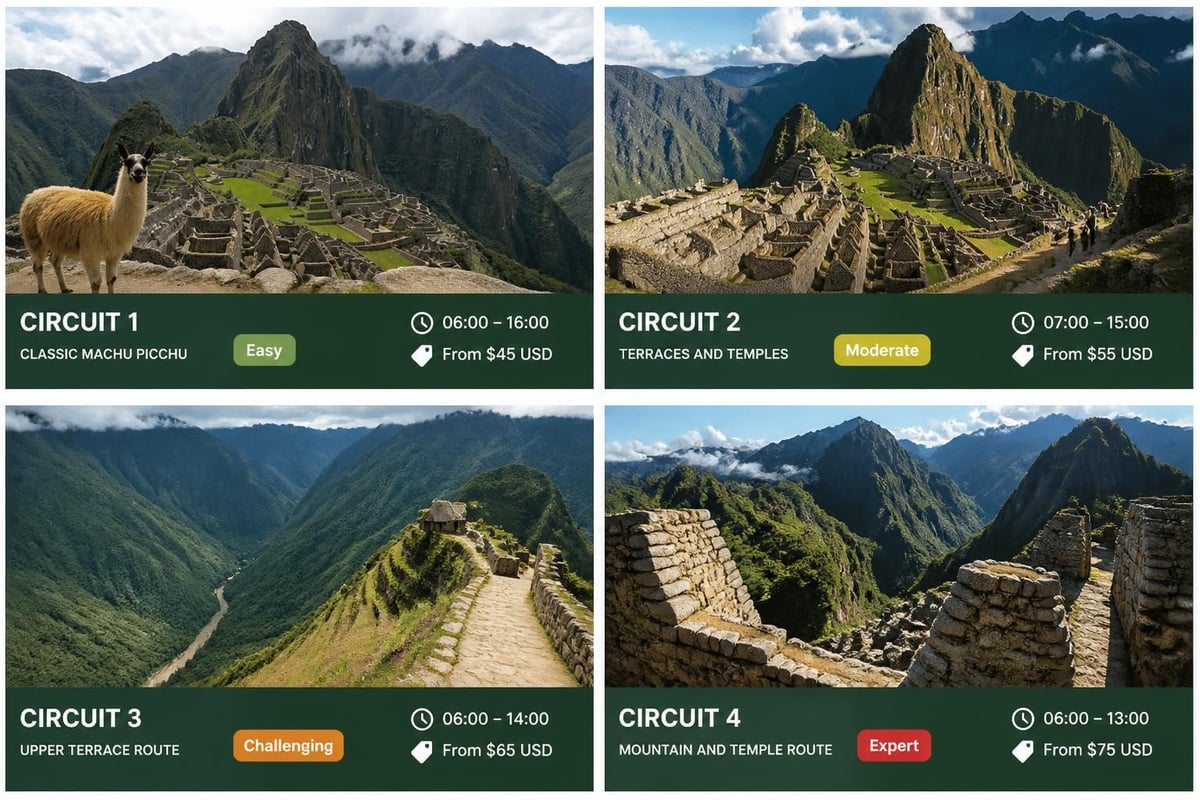
Machu Picchu now operates under a circuit system with four distinct routes through the site. Each circuit offers different viewpoints and areas of access, with some including additional mountains or temples. Circuit 1 and Circuit 2 provide the classic postcard views and access to the upper agricultural terraces, while Circuit 3 focuses on the urban sector and royal residence areas.
The official government platform TuBoleto handles all direct ticket sales and provides real-time availability for specific dates and time slots. Tickets include designated entry windows (typically morning or afternoon slots), and visitors must adhere to their assigned circuit and timeframe.
| Ticket Type | International Adult | Student (with ISIC) | Child (3-17) |
|---|---|---|---|
| Machu Picchu Only | 152 soles (~$40) | 77 soles (~$20) | 70 soles (~$18) |
| MP + Huayna Picchu | 200 soles (~$53) | 125 soles (~$33) | 125 soles (~$33) |
| MP + Machu Picchu Mountain | 200 soles (~$53) | 125 soles (~$33) | 125 soles (~$33) |
Classic Inca Trail Permit Costs
The four-day Classic Inca Trail remains the most sought-after hiking route to Machu Picchu, and its machu picchu hike price reflects both permit scarcity and included services. The Peruvian government limits Inca Trail permits to 500 people per day (including porters, guides, and trekkers), creating high demand that requires booking months in advance.
Inca Trail permits themselves cost approximately 70 soles ($18-20 USD) per person when purchased directly through authorized operators. However, you cannot hike the Inca Trail independently. All trekkers must book through licensed tour companies, and the total package price includes the permit, certified guides, porters, camping equipment, meals, and transportation.
What's Included in Inca Trail Packages
Standard four-day Inca Trail trek packages typically range from $550 to $800 for budget operators, $800 to $1,200 for mid-range services, and $1,500 to $2,500 for premium luxury experiences. These comprehensive prices cover:
- Official Inca Trail trekking permit
- Professional bilingual guide (required by regulation)
- Porters to carry camping and cooking equipment
- All meals during the trek (breakfast, lunch, dinner, snacks)
- Camping equipment (tents, sleeping mats, dining tent)
- Round-trip transportation from Cusco
- Entrance ticket to Machu Picchu archaeological site
- Train ticket from Aguas Calientes back to Ollantaytambo
The variation in pricing reflects service quality, group size, equipment standards, and food quality. Luxury operators provide larger tents, professional chefs, additional porters, and enhanced comfort amenities.
Alternative Trek Routes and Their Costs
Beyond the Classic Inca Trail, several alternative hiking routes offer different landscapes, difficulty levels, and price points. These alternatives often provide availability when Inca Trail permits sell out and deliver unique perspectives on Andean geography and culture.
Salkantay Trek Pricing
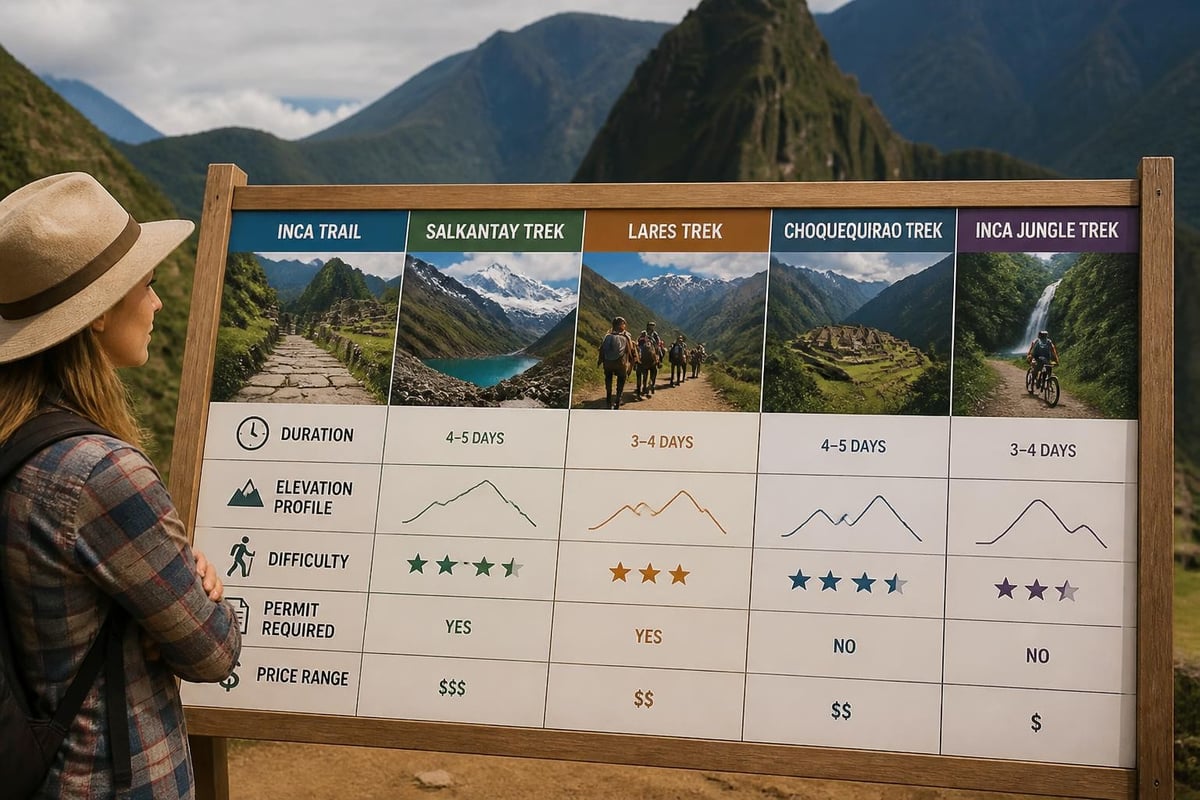
The Salkantay Trek traverses spectacular mountain passes reaching 4,650 meters elevation before descending through cloud forest ecosystems. This challenging five-day route costs significantly less than the Inca Trail while offering dramatic scenery. Budget tours start around $250-350, mid-range options run $400-600, and luxury "glamping" experiences reach $800-1,200.
What impacts the Salkantay machu picchu hike price:
- Accommodation type (camping vs. mountain lodges)
- Meal quality and variety
- Group size (smaller groups cost more per person)
- Equipment quality and porter support
- Transportation logistics and comfort level
Lares Trek and Other Alternatives
The Lares Trek emphasizes cultural immersion through remote Andean villages and traditional weaving communities. Three to four-day Lares treks range from $300-550 depending on route variation and service level. The trek concludes with train travel to Aguas Calientes rather than hiking directly to Machu Picchu.
Other popular alternatives include the Inca Jungle Trek (multi-sport adventure combining biking, hiking, and optional zip-lining for $200-400), the Choquequirao Trek (remote eight-day expedition for $600-900), and the Short Inca Trail (two-day option for $450-650).
| Trek Route | Duration | Price Range | Difficulty | Permit Required |
|---|---|---|---|---|
| Classic Inca Trail | 4 days | $550-2,500 | Moderate-Hard | Yes (limited) |
| Salkantay Trek | 5 days | $250-1,200 | Hard | No |
| Lares Trek | 3-4 days | $300-550 | Moderate | No |
| Inca Jungle Trek | 4 days | $200-400 | Moderate | No |
| Short Inca Trail | 2 days | $450-650 | Moderate | Yes (limited) |
Transportation Costs to Consider
Getting to Machu Picchu involves multiple transportation segments, and these expenses significantly impact your total budget. The machu picchu hike price calculation must include trains, buses, and potentially flights depending on your starting point and chosen route.
Train Services and Pricing
Train travel from Cusco (or more commonly Ollantaytambo) to Aguas Calientes represents a major expense for most visitors. Peru Rail and Inca Rail operate services with varying comfort levels and price points. Peru’s official tourism guidance provides comprehensive details about booking these essential services.
Expedition/Tourist class trains (basic comfort, large windows) cost approximately $65-80 one-way. Vistadome trains (panoramic windows, snack service, entertainment) run $85-110 one-way. Luxury services like the Hiram Bingham train offer gourmet dining and premium amenities for $450-600 one-way.
Budget travelers sometimes choose the walking route from Hidroelectrica station (accessible by bus from Cusco for $20-30) to Aguas Calientes, a three-hour trek along the railway tracks. This eliminates train costs but adds physical exertion and time.
Bus and Local Transport
The final leg from Aguas Calientes to Machu Picchu's entrance requires either a 25-minute bus ride ($12 one-way, $24 round-trip) or a steep 90-minute uphill hike. Most visitors opt for the bus, especially after multi-day treks. Some hikers walk up early morning and bus down after their site visit to save money and time.
Transportation from Cusco to trail starting points varies by route. Inca Trail treks include pickup from Cusco hotels, while independent travelers reaching Salkantay or other trailheads might pay $15-40 for shared van services or arrange private transportation for $80-150.
Accommodation and Food Expenses
Unless you're on an all-inclusive trek package, accommodation and meals represent ongoing daily expenses. Understanding these costs helps you budget accurately for your Machu Picchu adventure timeline.
Aguas Calientes Lodging Options
Most visitors spend at least one night in Aguas Calientes (Machu Picchu Pueblo) before or after their site visit. Budget hostels start around $15-25 per night for basic dorms or simple private rooms. Mid-range hotels offering private bathrooms, hot water, and WiFi run $40-80 per night. Upscale properties with riverside locations, quality restaurants, and spa services charge $120-300+ per night.
Budget accommodation strategies:
- Book directly with hotels for better rates than booking platforms
- Stay in Ollantaytambo the night before (cheaper than Aguas Calientes)
- Share rooms with travel companions to split costs
- Visit during shoulder season (April-May, September-October) for lower rates
Meal Costs and Budgeting
Restaurant meals in Aguas Calientes range from $5-8 for basic set menus (menú del día) to $15-25 for tourist-oriented restaurants and $30-50 for upscale dining experiences. Budget $20-30 daily for modest dining or $50-80 for more comfortable meal options.
Cusco offers significantly cheaper food options, with excellent meals available for $3-6 at local markets and $10-20 at mid-range restaurants. Stock up on snacks and trail food in Cusco rather than purchasing in Aguas Calientes where prices inflate due to tourist demand and transportation logistics.
Guide Services and Group Sizes
Whether hiking independently on non-regulated trails or joining organized treks, guide services impact both costs and experience quality. The machu picchu hike price often correlates directly with guide expertise, group size, and service personalization.
Licensed Guide Requirements
At Machu Picchu itself, official regulations now require all visitors to hire licensed guides for their site tour. Guides can be shared among groups of up to 10 people. Private guides cost $50-80 for a two-hour tour, while joining a shared group reduces individual costs to $10-20 per person.
For multi-day treks, guide quality varies considerably between operators. Budget companies often assign one guide per 12-16 trekkers, while premium services provide one guide per 6-8 people plus additional support staff. Experienced guides with specialized knowledge (archaeology, biology, history) command higher rates but deliver richer interpretive experiences.
Private vs. Group Tours
Private trekking arrangements offer flexibility, personalized pacing, and exclusive attention but cost 40-60% more than group departures. A private four-day Inca Trail trek might run $1,800-3,000 total, while the same itinerary with a group of 12 costs $550-900 per person.
If your schedule aligns with peak season departures, joining established groups provides excellent value. Travelers can often find various tour packages that balance professional guidance with reasonable pricing while maintaining small group sizes for quality experiences.
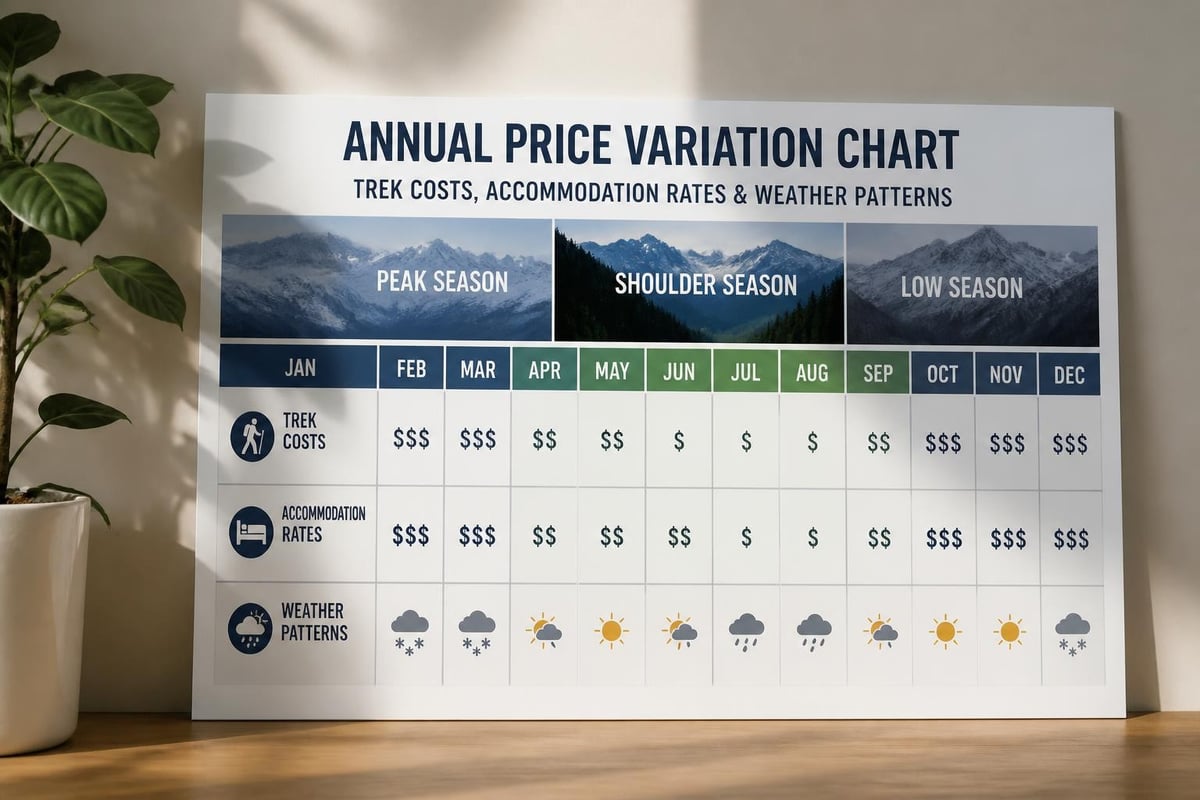
Seasonal Price Variations
The machu picchu hike price fluctuates throughout the year based on weather patterns, tourist demand, and operational factors. Understanding these seasonal dynamics helps you find the best value for your budget and preferences.
High Season Premium (June-August, December-January)
Peak tourist season brings the highest prices across all services. Trek packages increase 15-30% compared to shoulder season rates. Train tickets, especially popular departure times, sell out weeks in advance and command premium pricing. Hotels in Aguas Calientes and Cusco raise rates significantly, sometimes doubling their low-season prices.
High season advantages despite costs:
- Reliable dry weather for trekking (especially June-August)
- Maximum daylight hours for photography
- Guaranteed daily departures for all tours
- Vibrant atmosphere in Cusco with festivals and events
Shoulder Season Value (April-May, September-October)
These transitional months offer the sweet spot for budget-conscious travelers. Prices drop 20-40% across tours, accommodation, and services while weather remains generally favorable. Trek operators offer promotional rates to fill departures, and negotiating room rates becomes easier.
April and May bring occasional rain but also lush green landscapes and fewer crowds. September and October provide excellent conditions with minimal rainfall and comfortable temperatures. Inca Trail permits remain available closer to departure dates compared to peak months.
Low Season Considerations (November-March)
The rainy season brings the lowest prices but significant logistical challenges. Some operators discount treks by 40-50%, and accommodation costs plummet. However, February sees Inca Trail closures for maintenance, and heavy rainfall makes trekking uncomfortable and potentially dangerous on steep, muddy paths.
Machu Picchu itself remains open year-round, and some travelers appreciate the dramatic cloud-draped scenery and minimal crowds despite wet conditions. If you're flexible and prepared for rain gear expenses, low season offers remarkable savings.
Additional Expenses to Budget
Beyond the core machu picchu hike price components, several auxiliary expenses deserve consideration when calculating your total trip budget. These smaller costs accumulate quickly and can surprise unprepared travelers.
Equipment and Gear
If you're joining a trek without complete equipment provision, budget for quality gear purchases or rentals:
- Sleeping bag rental: $15-25 for the trek duration
- Trekking poles: $5-10 rental or $30-60 purchase
- Rain gear (if you don't own): $40-100
- Proper hiking boots: $80-200
- Daypack: $30-80
- Water purification: $10-30
Many Cusco shops offer complete gear rental packages for $50-80 covering sleeping bags, poles, and supplementary equipment. Purchasing in Cusco provides better selection and prices than bringing heavy gear from home or buying in Aguas Calientes.
Tips and Gratuities
Tipping represents an expected but often underbudgeted expense. Industry standards suggest:
- Trek guides: $50-80 total per group
- Porters: $30-50 total per group
- Cooks: $30-40 total per group
- Hotel staff: $1-2 per service
- Restaurant servers: 10% for good service
- Private drivers: $5-10 per day
Some tour operators include tip pools in package prices or provide recommended amounts during pre-trek briefings. Budget approximately $60-100 for tips during a standard four-day trek plus daily service tips in towns.
Insurance and Permits
Travel insurance covering medical evacuation, trip cancellation, and emergency services costs $50-150 depending on coverage level and trip duration. Given the high-altitude environment and physical demands, comprehensive insurance provides essential protection against unexpected medical expenses.
Some travelers require additional permits beyond standard Machu Picchu entry, such as Huayna Picchu mountain access ($13 additional) or camping permits for certain routes. Verify all required documentation with your tour operator to avoid surprise fees.
Budget Breakdown by Traveler Type
Understanding typical total expenditure helps set realistic financial expectations. The complete machu picchu hike price encompasses all elements from arrival in Cusco through departure after visiting Machu Picchu.
Budget Traveler (Approximately $350-600 total)
This approach prioritizes cost savings while still experiencing Machu Picchu authentically:
- Alternative trek (Salkantay or Lares): $250-350
- Budget hostel in Aguas Calientes (1 night): $20
- Basic meals and snacks: $40
- Bus to Machu Picchu entrance: $24
- Shared guide at site: $15
- Train return (or Hidroelectrica walk): $70 or $0
- Miscellaneous expenses: $30-50
Budget travelers often walk more, eat at local markets, book last-minute deals, travel during shoulder season, and join larger groups. The Lonely Planet guide to reaching Machu Picchu explores numerous cost-saving strategies while maintaining safety and experience quality.
Mid-Range Traveler (Approximately $900-1,500 total)
Balanced comfort and value characterize this middle approach:
- Classic Inca Trail trek (group): $800-1,000
- Mid-range hotel in Aguas Calientes (1 night): $60
- Comfortable restaurant meals: $60
- Bus to Machu Picchu: $24
- Shared professional guide: $20
- Expedition class train return: $75
- Tips and incidentals: $100
This budget provides comfortable experiences without extravagance, typically booking 2-3 months ahead with reputable mid-tier operators and staying in clean, well-located accommodations with modern amenities.
Luxury Traveler (Approximately $2,500-4,500+ total)
Premium experiences emphasizing comfort, exclusivity, and personalized service define luxury budgeting:
- Luxury Inca Trail trek (small group or private): $2,000-2,800
- Upscale Aguas Calientes hotel (1-2 nights): $300-600
- Fine dining experiences: $150-250
- Private guide at Machu Picchu: $80
- Vistadome or Hiram Bingham train: $200-600
- Premium tips and services: $200-300
Luxury travelers often extend stays, add rest days, book private guides and transportation, stay in 4-5 star properties, and prioritize comfort, expertise, and exclusivity throughout their journey.
Booking Strategies to Optimize Value
Smart booking approaches can significantly reduce costs without compromising safety or experience quality. The machu picchu hike price varies substantially based on when, how, and through whom you book.
Advance Planning Benefits
Booking 3-6 months ahead provides several advantages. Inca Trail permits sell out during high season, requiring early reservations. Early bookers access better pricing, wider accommodation selection, preferred train times, and optimal tour departure dates. Many operators offer 5-10% early-bird discounts for bookings made 6+ months in advance.
Peru’s official tourism platform recommends securing core components (permits, trains, hotels) early while remaining flexible on supplementary services that can be arranged locally at better rates.
Last-Minute Deals and Flexibility
Conversely, flexible travelers visiting during shoulder or low season sometimes find excellent last-minute discounts. Cusco's tour agencies offer walk-in deals for departures within 3-7 days, particularly for alternative treks with no permit limitations. Discounts of 20-40% off standard rates appear when operators need to fill minimum group sizes.
This strategy risks limited availability, fewer route choices, and potential disappointment if preferred dates or treks are fully booked. It works best for travelers with flexible schedules who can wait for the right opportunity.
Direct Booking vs. Third-Party Platforms
Booking directly with tour operators often provides better value than third-party booking platforms that add commission fees. Reputable local operators in Cusco offer competitive pricing, transparent inclusions, and direct communication. However, international booking platforms provide consumer protections, easier payment options, and consolidated reviews.
Research operator credentials through official registries, verify insurance coverage, read recent reviews across multiple platforms, and compare exact inclusions rather than simply headline prices. The cheapest option may exclude essential services that create unexpected expenses later.
Making Informed Decisions About Your Investment
The machu picchu hike price represents an investment in experiences, memories, and personal achievement. Understanding cost structures empowers you to allocate resources according to your priorities and values.
Consider these reflection points:
- Which aspects of the journey matter most (scenery, culture, comfort, achievement)?
- Does trek difficulty match your fitness level and experience?
- What time of year aligns with your schedule and weather preferences?
- How important is group size and guide expertise?
- Which route best matches your available time and budget?
Quality operators prioritize safety, environmental responsibility, fair porter treatment, and authentic experiences. While premium pricing doesn't guarantee excellence, extremely low prices often indicate compromised standards, inadequate equipment, rushed itineraries, or hidden costs.
Research operator certifications, safety records, porter policies, and environmental practices. Sustainable tourism supports local communities, preserves archaeological sites, and protects fragile ecosystems for future generations. Your travel spending choices directly impact these outcomes.
Planning your Machu Picchu adventure requires balancing numerous cost factors across permits, treks, transportation, accommodation, and services. By understanding the complete price spectrum and booking strategically, you can create an unforgettable experience within your budget. Whether you're seeking budget-friendly alternatives or luxury indulgence, Machupicchu Trips offers locally-led tours designed to match your travel style, timeline, and financial parameters while delivering authentic Andean experiences and expert guidance throughout your journey.