
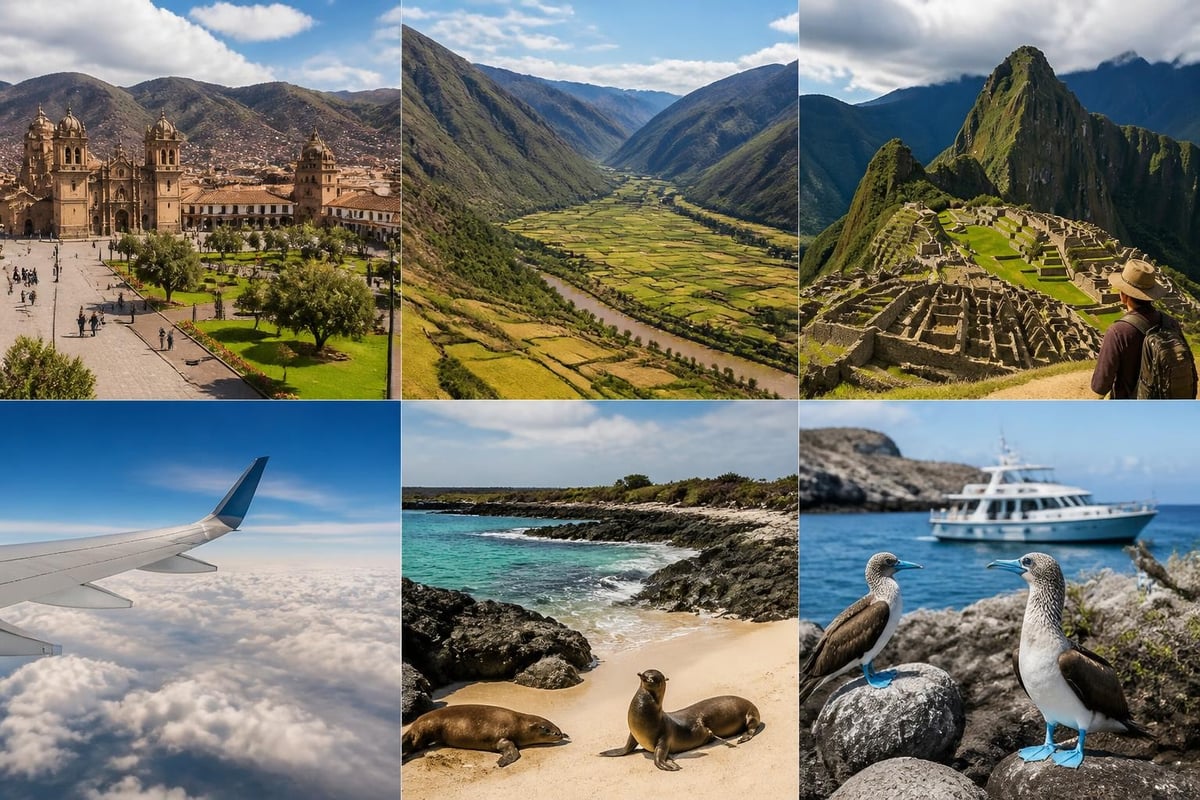
Combining two of South America's most iconic destinations into a single journey creates an adventure that balances ancient history with natural wonder. Machu picchu and galapagos tours offer travelers the opportunity to explore Peru's legendary Inca citadel perched high in the Andes before venturing to Ecuador's remote archipelago, where Darwin's theory of evolution came to life. This dual-destination experience requires careful planning, but the rewards include witnessing both humanity's architectural achievements and nature's most remarkable ecosystem in one unforgettable trip.
Planning Your Combined Adventure
Organizing machu picchu and galapagos tours demands attention to timing, logistics, and physical preparation. These destinations sit in different countries with distinct entry requirements, climate patterns, and travel seasons. Understanding these factors helps you craft an itinerary that maximizes your experience while minimizing travel stress.
Optimal Timing and Seasons
The dry season from May through September offers the best weather for visiting Machu Picchu, with clear skies and minimal rainfall making hiking and photography ideal. The Galapagos Islands maintain relatively stable temperatures year-round, though wildlife viewing varies by season. December through May brings warmer water temperatures and increased marine life activity, while June through November offers cooler temperatures and different breeding patterns for various species.
Key seasonal considerations include:
- Machu Picchu's rainy season (November to March) can make trails slippery but brings lush green landscapes
- Galapagos wildlife viewing peaks during different months for specific species
- Shoulder seasons (April and October) often provide moderate weather at both destinations
- Booking 6-8 months in advance secures better availability and pricing
Most travelers allocate 10 to 14 days for comprehensive machu picchu and galapagos tours, allowing adequate time to explore each destination without rushing. This duration includes travel days between Peru and Ecuador, acclimatization time in Cusco, and sufficient days to experience multiple islands in the Galapagos.
Travel Logistics Between Destinations
No direct flights connect Cusco to the Galapagos, requiring strategic route planning through Lima and either Quito or Guayaquil. Most itineraries route travelers from Cusco to Lima, then to Quito or Guayaquil, before taking the final flight to Baltra or San Cristobal airports in the Galapagos. This journey typically spans 8-12 hours including layovers.
| Route Component | Duration | Considerations |
|---|---|---|
| Cusco to Lima | 1.5 hours | Multiple daily flights available |
| Lima to Quito/Guayaquil | 2.5 hours | Evening connections common |
| Mainland Ecuador to Galapagos | 2 hours | Morning departures recommended |
| Total travel time | 8-12 hours | Plan for overnight in mainland Ecuador |
International travelers should verify passport validity (six months beyond travel dates) and research visa requirements for both Peru and Ecuador. CDC health guidance for Peru recommends vaccines for hepatitis A, typhoid, and yellow fever, while Ecuador travel health information provides similar recommendations plus considerations for altitude sickness in Cusco.
Experiencing Machu Picchu
The Inca citadel represents the centerpiece of any Peru adventure, with its dramatic mountain setting and architectural sophistication drawing over one million visitors annually. Recent visitor circuit changes implemented by Peru's Ministry of Culture have modified how tourists experience the site, with new routing systems designed to better manage foot traffic and preserve fragile structures.
Sacred Valley and Cusco Preparation
Smart travelers spend at least two days in Cusco before visiting Machu Picchu, allowing their bodies to adjust to the 11,150-foot elevation. This acclimatization period prevents altitude sickness and enables you to fully enjoy your time at the ruins. The Sacred Valley, situated at a lower elevation than Cusco, offers an excellent intermediate stop with spectacular Inca sites like Pisac and Ollantaytambo.
Exploring Cusco provides cultural context that enriches your Machu Picchu experience. The city's colonial architecture built atop Inca foundations, vibrant markets, and nearby archaeological sites like Sacsayhuaman demonstrate the sophistication of Inca engineering and urban planning.
For travelers seeking a comprehensive introduction to Peru's Inca heritage, the MACHU PICCHU ADVENTURE TOUR 5 Days / 4 Nights combines cultural immersion with guided exploration of Cusco, the Sacred Valley, and Machu Picchu itself. This structured approach ensures you don't miss significant sites while providing expert interpretation of historical context.
Navigating Visitor Regulations
Machu Picchu’s capacity controls limit daily visitors to protect the archaeological site. Tickets must specify entry time slots, and visitors must follow designated circuits through the ruins. The Historic Sanctuary management guidelines outline conservation measures that preserve this UNESCO World Heritage Site for future generations.
Current visiting requirements include:
- Advanced ticket purchase with specified entry time
- Mandatory certified guide for all visitors
- Adherence to one of four designated circuits
- No re-entry once you exit the site
- Strict prohibitions on food, large bags, and walking sticks without rubber tips
Exploring the Galapagos Islands
After experiencing human achievement at Machu Picchu, the Galapagos offers a profound encounter with natural evolution and biodiversity. This volcanic archipelago 600 miles off Ecuador's coast shelters species found nowhere else on Earth, from marine iguanas to giant tortoises to blue-footed boobies.
Island Selection and Access
The Galapagos comprises 13 major islands and numerous smaller islets, but tourists typically visit four to six islands during a week-long stay. Santa Cruz serves as the main hub with the largest town (Puerto Ayora) and easiest access to multiple sites. San Cristobal offers the second airport and excellent wildlife viewing, while Isabela provides pristine beaches and unique geological formations.
Popular island highlights:
- Santa Cruz: Charles Darwin Research Station, Tortuga Bay, highlands with giant tortoises
- San Cristobal: Interpretation Center, Kicker Rock, sea lion colonies
- Isabela: Sierra Negra volcano, Los Tuneles snorkeling, flamingo lagoons
- Floreana: Post Office Bay, Devil's Crown snorkeling site, historical mystery
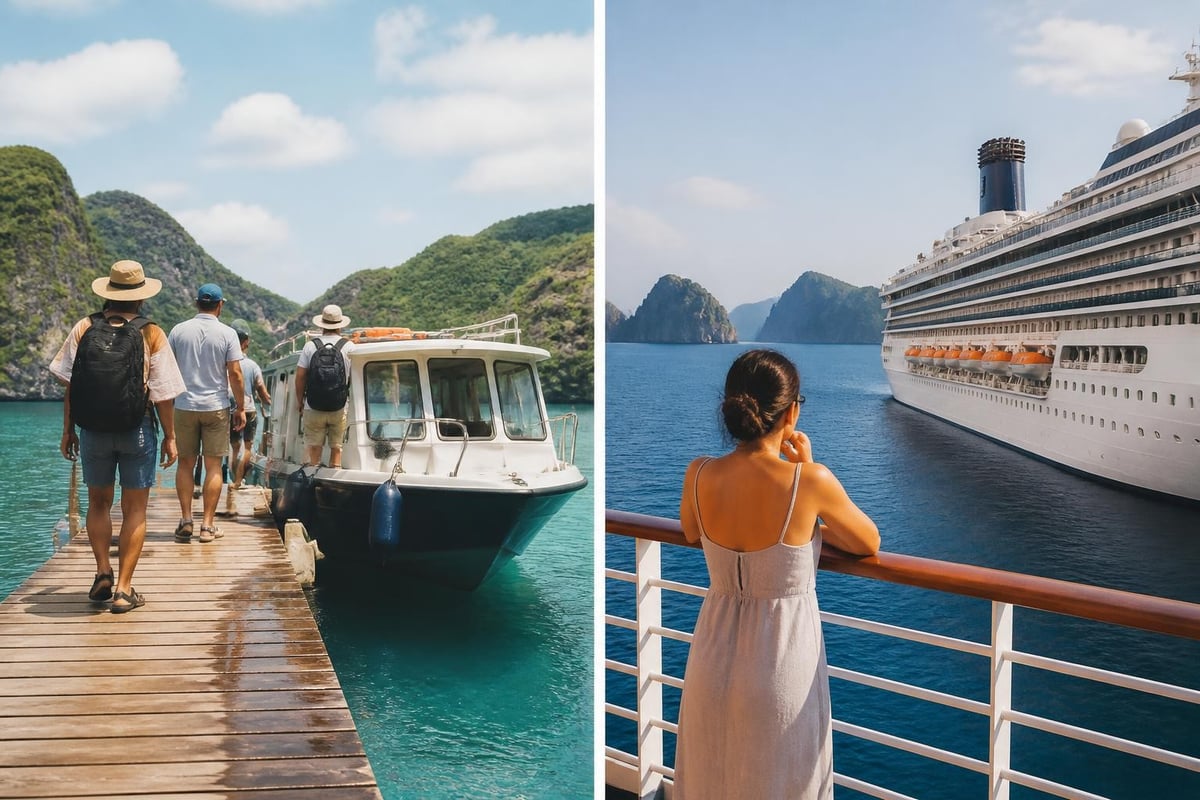
Travelers choose between land-based tours staying in hotels and moving between islands by boat, or cruise-based experiences that travel overnight between destinations. Land-based machu picchu and galapagos tours offer more budget flexibility and connection with local communities, while cruises provide access to more remote sites and simplified logistics.
Wildlife Encounters and Conservation
The Galapagos National Park strictly regulates visitor behavior to protect fragile ecosystems. Official park rules mandate staying on marked trails, maintaining two-meter distances from wildlife, and never touching animals or plants. The Galapagos Conservancy provides practical guidance for responsible tourism that supports conservation while enabling meaningful wildlife observation.
| Wildlife Experience | Best Islands | Optimal Months |
|---|---|---|
| Giant tortoises | Santa Cruz, Isabela | Year-round |
| Blue-footed boobies | North Seymour, Española | June-February |
| Marine iguanas | Fernandina, Isabela | Year-round |
| Sea lions | All major islands | Year-round |
| Hammerhead sharks | Darwin, Wolf (advanced divers) | June-November |
The Charles Darwin Foundation’s research programs demonstrate ongoing scientific work that informs conservation strategies. Understanding this context transforms your visit from simple tourism into participation in one of the world's most important ecological preservation efforts.
Practical Considerations for Combined Tours
Successfully managing machu picchu and galapagos tours requires attention to physical demands, packing strategies, and budget allocation. These destinations present different challenges that demand flexible preparation and realistic expectations.
Physical Requirements and Health
Machu Picchu sits at 7,970 feet elevation, while Cusco reaches 11,150 feet, creating altitude challenges for many visitors. Symptoms of acute mountain sickness include headaches, nausea, and fatigue. Arriving in Cusco at least two days before attempting Machu Picchu allows gradual acclimatization. Staying hydrated, avoiding alcohol initially, and considering altitude medication helps minimize discomfort.
The Galapagos requires moderate fitness for hiking volcanic terrain, snorkeling in sometimes-choppy waters, and managing wet and dry landings from boats. Daily activities involve walking on uneven lava rocks, climbing stairs, and potentially dealing with sun exposure and heat. Neither destination requires extreme athletic ability, but both reward travelers who maintain reasonable fitness levels.
Packing for Diverse Environments
Your luggage must accommodate Andean mountain conditions and tropical island weather, requiring strategic layering and multipurpose items. Temperature variations in Cusco range from 35°F at night to 70°F during the day, while Galapagos temperatures hover between 70-85°F with high humidity and intense sun.
Essential packing list includes:
- Lightweight hiking boots suitable for both mountain trails and lava rocks
- Moisture-wicking layers for Machu Picchu's variable weather
- Sun protection (SPF 50+ sunscreen, wide-brimmed hat, UV-protective clothing)
- Snorkeling gear (mask and snorkel, though fins typically provided)
- Waterproof bags for boat transfers and unexpected rain
- Reusable water bottle with filtration capability
- Binoculars for wildlife observation
- Camera with weather protection and multiple memory cards
Galapagos regulations prohibit introducing foreign seeds, insects, or biological material. Thoroughly clean hiking boots used at Machu Picchu before packing them for the islands. Some travelers pack separate footwear for each destination to avoid biosecurity complications.
Budgeting Your Journey
Machu picchu and galapagos tours represent significant investments, with costs varying dramatically based on accommodation choices, tour styles, and travel timing. Understanding where expenses accumulate helps travelers allocate resources effectively and identify potential savings.
Cost Breakdown by Category
| Expense Category | Budget Range | Mid-Range | Luxury |
|---|---|---|---|
| Machu Picchu segment (5 days) | $800-1,200 | $1,500-2,500 | $3,500+ |
| Galapagos segment (7 days) | $1,800-2,500 | $3,000-5,000 | $7,000+ |
| International flights | $800-1,400 | $1,000-1,600 | $2,000+ |
| Inter-country flights | $300-500 | $350-550 | $500-700 |
| Total per person | $3,700-5,600 | $5,850-9,650 | $13,000+ |
Galapagos expenses consume the larger portion of your budget due to park entry fees ($100), transit control card ($20), island-hopping costs, and limited accommodation options with higher pricing due to remote location. Machu Picchu entrance fees ($50-60 depending on circuit) remain relatively modest compared to overall tour costs.
Money-Saving Strategies
Booking machu picchu and galapagos tours during shoulder seasons (April, May, September, October) often reduces costs by 15-30% compared to peak months. Accommodation and tour availability improve during these periods, though weather becomes slightly less predictable.
Choosing land-based Galapagos tours instead of cruises can reduce expenses by 40-60% while still providing excellent wildlife encounters. Day tours from Santa Cruz reach numerous significant sites, and inter-island ferries cost $30-40 compared to cruise rates of $400-800 per day.
In Peru, traveling to Machu Picchu via the more economical route through Ollantaytambo rather than luxury train options saves $100-200 per person. Staying in the Sacred Valley town of Ollantaytambo instead of the tourist hub of Aguas Calientes offers similar savings on accommodation without sacrificing access.
Maximizing Cultural Immersion
Beyond checking items off a bucket list, thoughtfully planned machu picchu and galapagos tours create opportunities for genuine cultural exchange and environmental understanding. These experiences transform from tourist activities into meaningful encounters with local communities and ecosystems.
Engaging with Local Communities
Peru's Sacred Valley and Cusco region maintain living indigenous traditions where Quechua language and customs persist alongside modern life. Participating in community-based tourism initiatives, visiting local markets, and choosing locally-owned accommodations and tour operators directly benefits residents while providing authentic cultural insight.
Meaningful cultural experiences include:
- Participating in traditional weaving demonstrations in Chinchero
- Visiting family-run agricultural terraces still cultivated using Inca techniques
- Attending local festivals if your timing aligns with celebrations
- Choosing locally-owned restaurants serving traditional cuisine
- Learning basic Quechua phrases to connect with rural community members
The Galapagos population, though smaller, includes fourth and fifth-generation residents whose families immigrated from mainland Ecuador. Supporting locally-owned hotels, restaurants, and tour operators rather than international chains ensures tourism revenue benefits island communities.
Environmental Stewardship
Both destinations face conservation challenges where responsible tourism supports rather than undermines preservation efforts. Following designated trails at Machu Picchu prevents erosion and protects unexcavated structures. In the Galapagos, maintaining distance from wildlife prevents habituation that could endanger animals' natural behaviors and survival.
Simple actions multiply across thousands of visitors to create significant impact. Refusing single-use plastics, properly disposing of waste, staying on marked paths, and never touching wildlife or removing natural objects all contribute to conservation. Many travelers return from machu picchu and galapagos tours with heightened environmental awareness that influences their behavior long after the journey ends.
Creating Your Ideal Itinerary
The sequence of your destinations affects overall experience and logistics. Most travelers begin in Peru before continuing to Ecuador, allowing the journey to flow from human achievement to natural wonder, from mountain adventure to island relaxation.
Sample 14-Day Itinerary Structure
This framework balances exploration with adequate rest, preventing the burnout that occurs when travelers pack too many activities into insufficient time.
Days 1-2: Arrive in Lima, connect to Cusco, begin altitude acclimatization with gentle city exploration
Days 3-4: Sacred Valley exploration including Pisac, Ollantaytambo, and Chinchero with overnight in the valley
Day 5: Train to Aguas Calientes, afternoon exploration of town
Day 6: Early morning Machu Picchu tour, afternoon return to Cusco
Day 7: Cusco city tour and nearby ruins, prepare for travel
Day 8: Fly Lima to Quito or Guayaquil, overnight in mainland Ecuador
Days 9-14: Galapagos island exploration with snorkeling, hiking, and wildlife observation
Day 15: Return flights home via mainland Ecuador and international connections
This structure provides buffer time for weather delays, allows adequate acclimatization, and prevents exhausting back-to-back activity days. Flexibility accommodates personal interests, whether that means additional Machu Picchu time, extra Galapagos islands, or rest days.
Customizing for Special Interests
Adventure enthusiasts might add the Inca Trail trek before Machu Picchu or pursue advanced diving certifications in the Galapagos. Photography-focused travelers benefit from sunrise permits at Machu Picchu and specialized wildlife photography boats in the islands. Family groups with children require age-appropriate activities and more flexible pacing.
Luxury travelers can enhance machu picchu and galapagos tours with private guides, five-star accommodations, helicopter transfers, and exclusive yacht charters. Budget backpackers find hostel networks, public transportation options, and free walking tours that reduce expenses while maintaining authentic experiences.
Combining Machu Picchu and the Galapagos Islands creates a South American journey unmatched in historical significance and natural wonder. Proper planning transforms these bucket-list destinations from separate experiences into a cohesive adventure that balances ancient civilization with evolutionary marvels. Machupicchu Trips specializes in creating expertly guided Peruvian experiences that serve as the perfect foundation for your dual-destination journey, offering locally-led tours that reveal the Andes' beauty and Machu Picchu's mysteries before you continue onward to the Galapagos.