
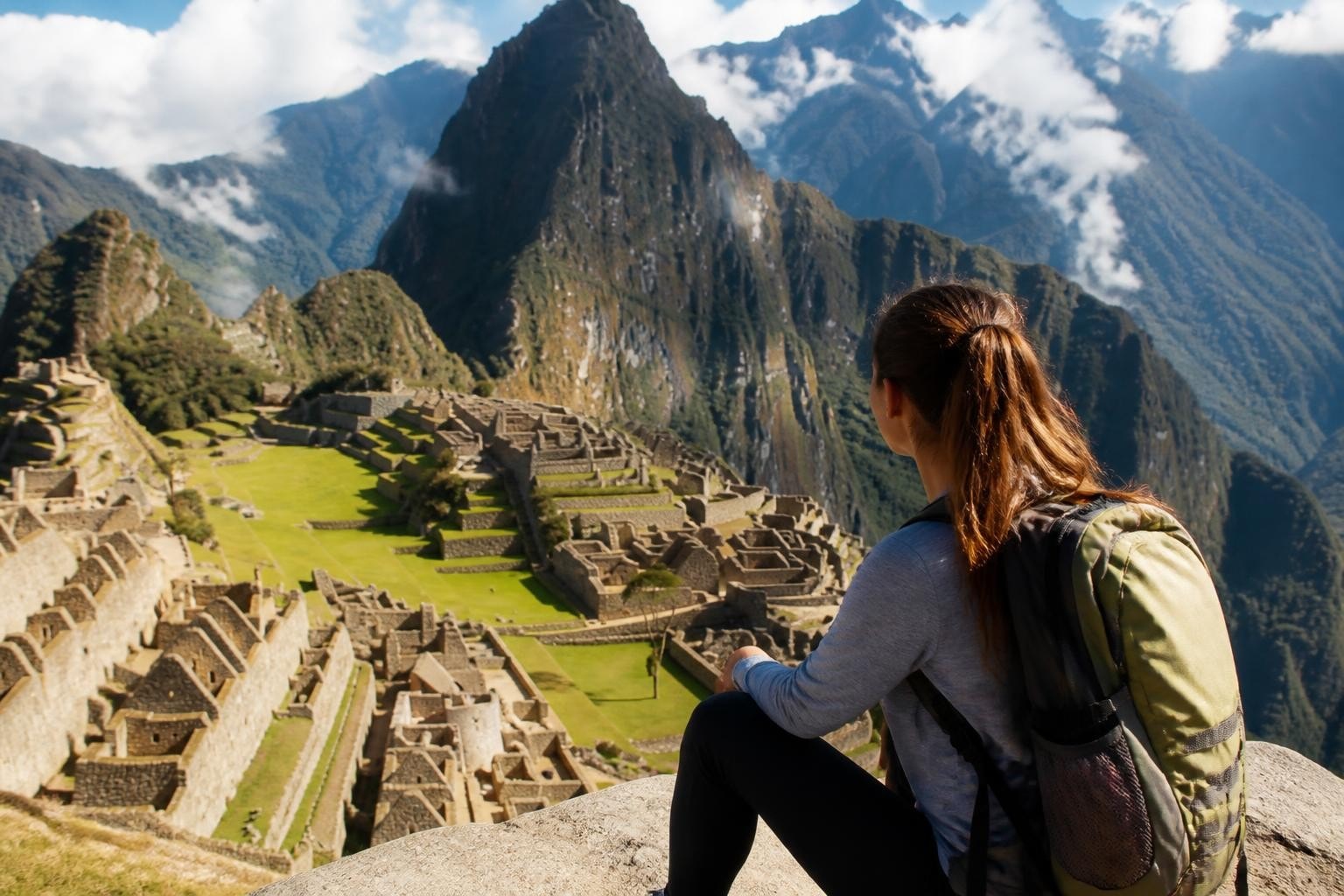
Visiting Machu Picchu remains one of the most transformative travel experiences available in 2026, drawing hundreds of thousands of visitors annually to the ancient Inca citadel perched high in the Peruvian Andes. With evolving regulations, expanded tour options, and a renewed focus on sustainable tourism, selecting the right Machu Picchu tours requires careful consideration of your schedule, fitness level, budget, and travel preferences. This comprehensive guide explores everything modern travelers need to know about planning, booking, and experiencing Machu Picchu tours that align with both personal goals and conservation imperatives.
Understanding the Machu Picchu Tour Landscape
The diversity of Machu Picchu tours available in 2026 reflects the site's universal appeal and the varied needs of international visitors. Tours range from intensive single-day excursions to week-long adventures that weave together multiple Andean highlights. Each tour category offers distinct advantages and trade-offs that savvy travelers should evaluate before committing.
Tour Duration Options
Single-day tours provide the most time-efficient route to Machu Picchu, particularly valuable for travelers on tight schedules or those visiting Peru as part of broader South American itineraries. These condensed experiences typically depart Cusco before dawn, utilize train transport to minimize travel time, and offer guided exploration of the citadel's core zones before returning the same evening.
Multi-day packages extend the experience across two to seven days, incorporating complementary destinations such as the Sacred Valley, Rainbow Mountain, or the Amazon rainforest. These longer itineraries allow for altitude acclimatization, deeper cultural immersion, and reduced daily physical demands. For travelers seeking a comprehensive introduction to Peru's highlights, multi-day options deliver exceptional value while spreading costs across accommodations, transport, and guide services.
Access Routes and Transportation
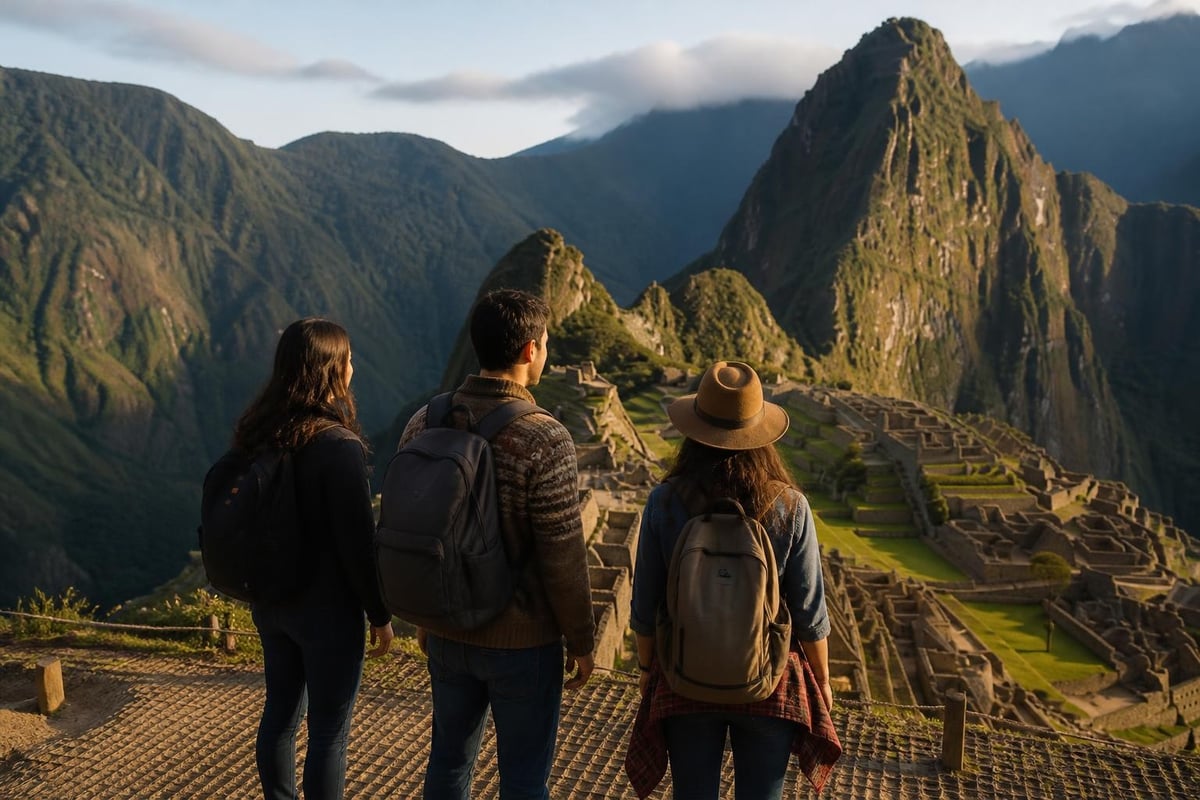
The journey to Machu Picchu forms an integral part of the overall tour experience, with multiple access routes offering different perspectives on Andean geography and culture.
| Route Type | Duration | Experience Level | Key Features |
|---|---|---|---|
| Train + Bus | 3-4 hours | All levels | Scenic rail journey, quickest access, minimal exertion |
| Classic Inca Trail | 4 days | Moderate-High | Archaeological sites, mountain passes, permits required |
| Short Inca Trail | 2 days | Moderate | Sun Gate entrance, abbreviated trekking, permits required |
| Salkantay Trek | 5 days | High | Alternative route, diverse ecosystems, camping experience |
Train services from Cusco and the Sacred Valley represent the most popular access method, with operators offering various service classes from economical to luxury. The scenic route follows the Urubamba River through progressively narrowing valleys, delivering spectacular mountain vistas and glimpses of remote Andean communities.
Trekking routes appeal to adventurous travelers seeking physical challenge and immersive wilderness experiences. The Classic Inca Trail remains the most coveted option, following original Inca pathways through cloud forest and alpine environments before arriving at Machu Picchu through the iconic Sun Gate at sunrise.
Planning and Booking Essentials
Successful Machu Picchu tours begin with thorough planning months before departure. The site's protected status and daily visitor limits necessitate advance booking, particularly during peak season from May through September.
Permit Requirements and Ticket Types
Current regulations mandate timed-entry tickets purchased through the official Machu Picchu ticketing platform, with several circuit options controlling visitor flow through different zones of the archaeological complex. Understanding these circuits helps travelers select tours aligned with specific interests:
- Circuit 1: Upper terraces and mountain routes (Huayna Picchu, Machu Picchu Mountain)
- Circuit 2: Classic citadel tour including Temple of the Sun and Royal Tomb
- Circuit 3: Lower agricultural terraces and alternative perspectives
- Circuit 4: Extended route with comprehensive site coverage
The Ministry of Culture maintains limited daily capacity to preserve the archaeological heritage, making early booking critical for preferred dates and time slots. Tours incorporating mountain hikes (Huayna Picchu or Machu Picchu Mountain) require separate permits with even more restricted availability.
Seasonal Considerations
Peru's distinct dry and wet seasons significantly influence the Machu Picchu tour experience, affecting everything from trail conditions to crowd levels and photographic opportunities.
Dry season (May-September) delivers the most reliable weather, with clear skies and minimal rainfall creating ideal conditions for photography and trekking. However, this peak period also attracts maximum visitor numbers, potentially diminishing the sense of discovery and requiring bookings six months in advance for popular tours.
Wet season (November-March) brings afternoon showers and occasional trail closures but rewards flexible travelers with dramatic cloud formations, lush green landscapes, and significantly reduced crowds. The Inca Trail closes entirely during February for maintenance, though train-based tours operate year-round.
Shoulder months (April, October, November) offer compromise solutions, balancing favorable weather probabilities with moderate visitor levels and often better tour pricing.
Tour Categories and Specialized Experiences
The maturation of Peru's tourism industry has produced increasingly specialized Machu Picchu tours catering to specific interests, fitness levels, and travel philosophies. Understanding these categories helps match tours to individual preferences.
Adventure and Trekking Tours
Adventure-focused tours emphasize physical challenge and wilderness immersion, typically incorporating multi-day treks through remote Andean landscapes. These experiences attract active travelers seeking authentic engagement with Peru's natural environments and indigenous communities.
The classic four-day Inca Trail remains the archetypal adventure option, combining challenging mountain passes with archaeological discoveries at sites like Wiñay Wayna before culminating in a sunrise arrival at Machu Picchu. Alternative trekking routes such as Salkantay, Lares, and Choquequirao offer comparable adventure while avoiding Inca Trail permit limitations.
Adventure tours typically include:
- Experienced trekking guides with wilderness first aid certification
- Porter support for gear and camp setup
- Multi-course meals prepared at remote campsites
- Small group sizes (typically 8-16 participants)
- Technical equipment including tents and sleeping pads
Cultural Immersion Experiences
Cultural tours prioritize historical context, archaeological interpretation, and engagement with living Andean traditions. These programs appeal to travelers motivated by learning rather than physical accomplishment, though they may incorporate moderate walking and exploration.
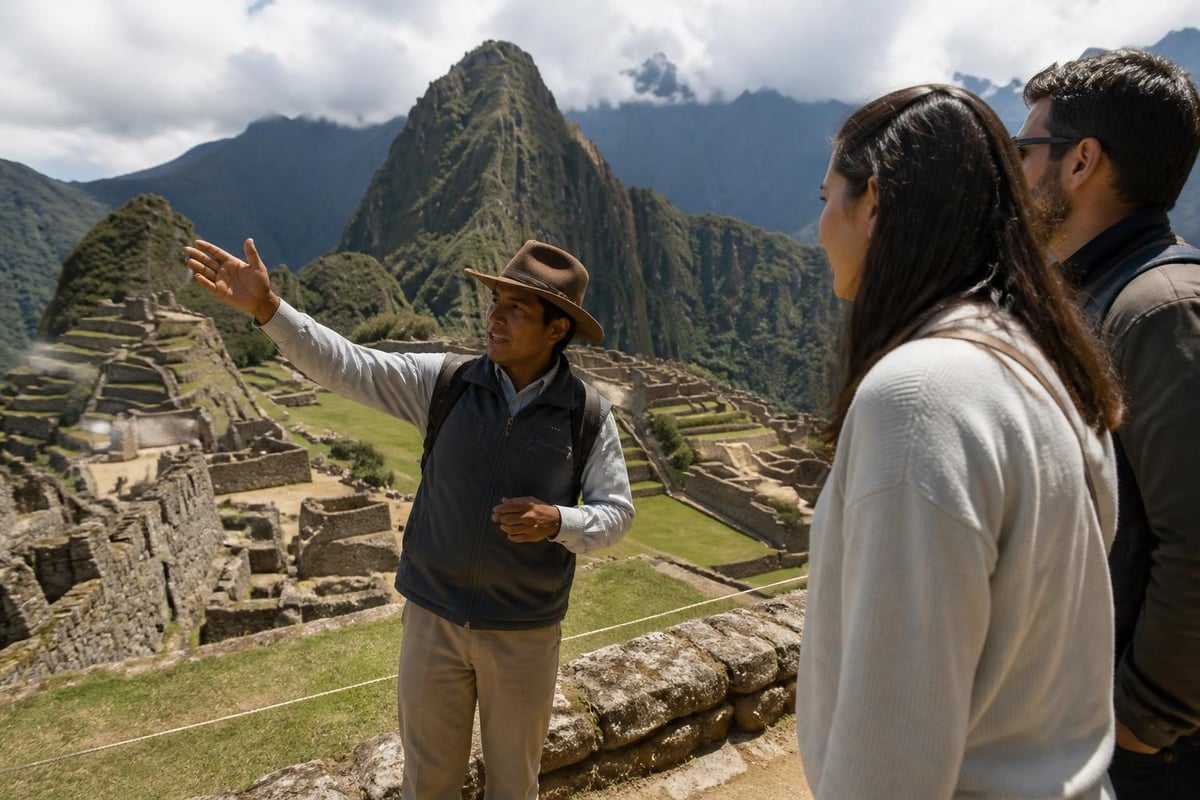
Expert guides with backgrounds in archaeology, anthropology, or Andean history provide detailed interpretation of Inca engineering, astronomical alignments, and the site's role within the broader Inca Empire. Extended time at Machu Picchu allows thorough exploration of temples, agricultural terraces, and residential zones while avoiding the rushed pace of condensed tours.
Cultural programs often integrate complementary experiences such as textile workshops in Sacred Valley communities, traditional cooking classes using Andean ingredients, or visits to contemporary indigenous villages maintaining ancestral agricultural practices.
Luxury and Premium Tours
Luxury Machu Picchu tours reimagine the journey with premium accommodations, exclusive access opportunities, and elevated service standards. These experiences attract travelers prioritizing comfort, privacy, and seamless logistics over budget considerations.
Premium tours typically feature:
- Five-star hotels in Cusco and Sacred Valley locations
- Hiram Bingham luxury train service with gourmet dining
- Private guides providing personalized attention
- Exclusive site access during less crowded time slots
- Spa treatments and wellness amenities
- Helicopter transfers (where permitted)
Luxury operators curate comprehensive itineraries eliminating logistical concerns, allowing travelers to focus entirely on the experience while enjoying elevated comfort standards throughout.
Accessible and Inclusive Options
Peru's tourism sector has made significant progress in developing accessible Machu Picchu tours accommodating travelers with mobility limitations, though the site's mountainous terrain and historical construction present inherent challenges. The national accessibility guide provides framework for inclusive tourism practices.
Accessible tours typically utilize train and bus transport to minimize walking requirements, focus on the citadel's lower circuits with relatively level paths, and provide wheelchair assistance where feasible. Specialized tour operators work with travelers to assess individual capabilities and customize experiences maximizing site access while maintaining safety.
Families with young children benefit from age-appropriate tours incorporating interactive elements, moderate walking distances, and flexible scheduling accommodating shorter attention spans and nap requirements.
Sustainable and Responsible Tourism
The extraordinary popularity of Machu Picchu generates complex conservation challenges as visitor numbers strain the site's carrying capacity and accelerate environmental degradation. International conservation organizations, including ICCROM’s work on visitor impact management, emphasize the critical importance of sustainable tourism practices preserving the site for future generations.
Conservation-Focused Tour Practices
Responsible Machu Picchu tours incorporate conservation principles throughout the visitor experience, balancing access with preservation imperatives. These practices include:
- Strict adherence to marked pathways preventing erosion
- Prohibition of single-use plastics and implementation of pack-in/pack-out waste policies
- Support for local communities through employment and economic participation
- Educational components explaining conservation challenges and visitor responsibilities
- Financial contributions to site maintenance and archaeological research
The Historic Sanctuary of Machu Picchu’s protected status encompasses both the archaeological complex and surrounding ecological zones, requiring integrated conservation strategies addressing biodiversity, watershed protection, and cultural heritage preservation.
Selecting Responsible Tour Operators
Discerning travelers increasingly evaluate tour operators based on sustainability credentials and community impact beyond traditional quality metrics. Key indicators of responsible operators include:
| Sustainability Factor | Indicators to Evaluate |
|---|---|
| Local Employment | Percentage of local guides, porters, and support staff |
| Fair Labor Practices | Porter weight limits, appropriate compensation, equipment quality |
| Environmental Impact | Waste management systems, renewable energy use, carbon offset programs |
| Community Investment | Partnerships with local cooperatives, school support, cultural preservation |
| Certifications | B-Corp status, Travelife certification, Rainforest Alliance approval |
For travelers seeking a balance between expert guidance and sustainable practices, choosing locally-based operators with demonstrated community ties often delivers the most authentic and responsible experience. A Machu Picchu Day Tour led by knowledgeable local guides provides immersive cultural context while supporting Peruvian communities economically dependent on tourism.
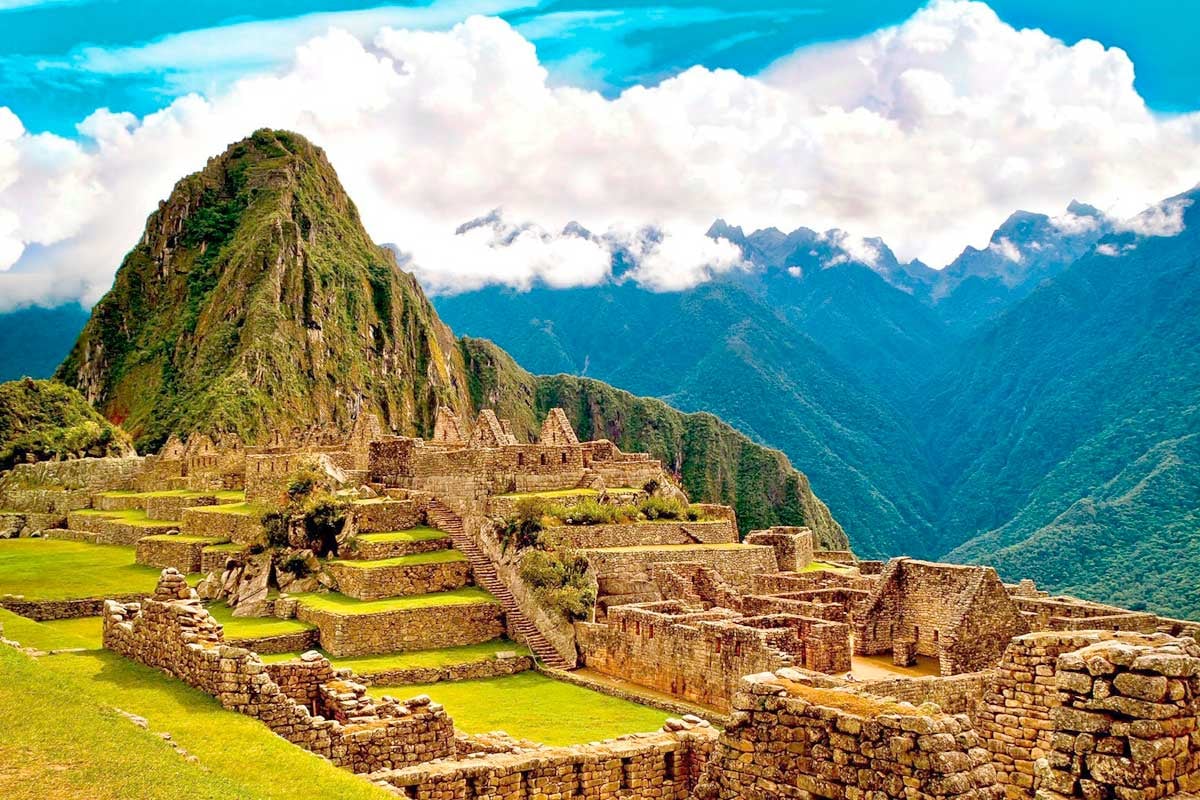
Recent master plan initiatives identify key conservation threats and establish frameworks for sustainable visitor management, emphasizing the ongoing tension between tourism access and preservation requirements.
Practical Preparation and What to Expect
Thorough preparation maximizes enjoyment and minimizes common challenges encountered during Machu Picchu tours. Understanding altitude effects, packing appropriately, and managing expectations creates foundation for successful experiences.
Altitude Acclimatization Strategies
Machu Picchu sits at 2,430 meters (7,970 feet) above sea level, while Cusco reaches 3,400 meters (11,150 feet), and mountain passes on trekking routes exceed 4,200 meters (13,780 feet). Altitude sickness affects visitors regardless of fitness level, making acclimatization essential.
Effective acclimatization strategies include:
- Spending 2-3 days in Cusco before visiting Machu Picchu
- Maintaining hydration (3-4 liters daily at altitude)
- Avoiding alcohol and heavy meals during initial acclimatization
- Considering coca tea, a traditional Andean remedy
- Consulting physicians about acetazolamide (Diamox) for prevention
Tours incorporating gradual altitude progression from Sacred Valley (2,800 meters) to higher elevations reduce physiological stress and improve overall experience quality.
Essential Packing Considerations
Strategic packing balances preparedness with weight limitations, particularly relevant for trekking tours with strict luggage restrictions.
Core items for all Machu Picchu tours:
- Rain jacket (essential year-round)
- Layered clothing for temperature variation
- Sturdy hiking shoes with ankle support
- Sun protection (hat, sunscreen, sunglasses)
- Reusable water bottle
- Insect repellent
- Basic first aid supplies
- Passport (required for entry)
Additional items for trekking tours:
- Moisture-wicking base layers
- Warm sleeping bag (often provided by operators)
- Trekking poles for stability
- Headlamp with extra batteries
- Personal medications and altitude sickness remedies
On-Site Experience and Navigation
Upon arrival at Machu Picchu, guided tours typically last two to three hours, covering the citadel's major zones while providing historical and archaeological context. Professional guides navigate the timed-entry circuits efficiently, ensuring visitors experience key highlights within allocated time windows. For tips on what to verify before you book, see our Machu Picchu tour guide: how to choose the right one.
The site lacks food services and restrooms beyond the entrance area, requiring strategic planning for longer visits. Re-entry is generally prohibited, making single continuous visits standard practice.
Photography enthusiasts should arrive during early morning slots for optimal lighting and thinner crowds, though afternoon visits offer dramatic cloud formations and unique atmospheric conditions. Drone usage remains strictly prohibited throughout the sanctuary.
Combining Machu Picchu with Regional Highlights
Many travelers optimize Peru visits by combining Machu Picchu tours with complementary destinations showcasing the country's remarkable geographic and cultural diversity. Strategic itinerary planning creates coherent narratives while maximizing limited vacation time.
Sacred Valley Integration
The Sacred Valley served as the agricultural and spiritual heartland of the Inca Empire, containing numerous significant archaeological sites, traditional markets, and contemporary indigenous communities. Tours incorporating Sacred Valley exploration before Machu Picchu provide crucial historical context while facilitating altitude acclimatization.
Key Sacred Valley destinations include:
- Pisac: Terraced agricultural complex and vibrant artisan market
- Ollantaytambo: Well-preserved Inca town with impressive fortress
- Chinchero: Traditional weaving center and agricultural terraces
- Moray: Circular agricultural laboratories demonstrating Inca innovation
- Maras: Ancient salt pans in continuous operation since Inca times
Extended Peru Itineraries
Ambitious travelers with two or more weeks available can craft comprehensive Peru experiences combining Machu Picchu with distinct ecosystems and cultural regions:
Amazon rainforest extensions provide dramatic environmental contrast, with lodges near Puerto Maldonado or Iquitos offering wildlife observation, canopy walks, and river exploration. These combinations showcase Peru's position as one of Earth's most biodiverse nations.
Lake Titicaca programs explore the world's highest navigable lake, featuring floating Uros islands, traditional Taquile communities, and pre-Inca archaeological sites. The highland location complements Machu Picchu's mountain setting while introducing distinct indigenous cultures.
Coastal destinations including Lima's culinary scene, Paracas' marine wildlife, and Nazca's mysterious geoglyphs create balanced itineraries spanning Peru's three primary geographic zones: coast, highlands, and jungle.
Group Tours versus Private Experiences
Deciding between group and private Machu Picchu tours involves evaluating budget constraints, social preferences, scheduling flexibility, and desired service levels. Each approach offers distinct advantages suited to different traveler profiles.
Group Tour Benefits and Considerations
Advantages:
- Lower per-person costs through shared expenses
- Built-in social interaction and potential friendships
- Established departure schedules requiring less planning
- Safety in numbers for solo travelers
Potential drawbacks:
- Fixed itineraries with limited customization
- Pace determined by group consensus and slowest members
- Larger group sizes (up to 16 participants) reducing guide accessibility
- Scheduled departures may not align with preferred travel dates
Group tours work exceptionally well for solo travelers seeking community, budget-conscious visitors prioritizing value, and those comfortable with structured schedules and shared experiences.
Private Tour Advantages
Private Machu Picchu tours deliver maximum flexibility and personalization, allowing travelers to customize every aspect of the experience. Dedicated guides provide undivided attention, adjusting pace and emphasis based on real-time interests and energy levels.
Private arrangements accommodate special requirements including dietary restrictions, accessibility needs, photography priorities, or specific research interests. Families with children particularly benefit from private tours allowing frequent breaks and age-appropriate interpretation.
The premium pricing of private tours reflects exclusive guide services, customized logistics, and smaller vehicle use, typically costing 30-60% more than equivalent group experiences.
Selecting and preparing for Machu Picchu tours requires balancing practical considerations with personal travel philosophies, from budget constraints and fitness levels to sustainability values and cultural interests. The diversity of tour options available in 2026 ensures every traveler can find experiences matching their unique priorities while contributing to responsible tourism practices that preserve this extraordinary heritage site. Whether you're seeking adventure, cultural immersion, or accessible exploration, Machupicchu Trips offers locally-led tour packages designed to showcase the Andes' beauty and Machu Picchu's timeless magic through authentic, sustainable experiences guided by Peruvian experts who call this remarkable region home.