
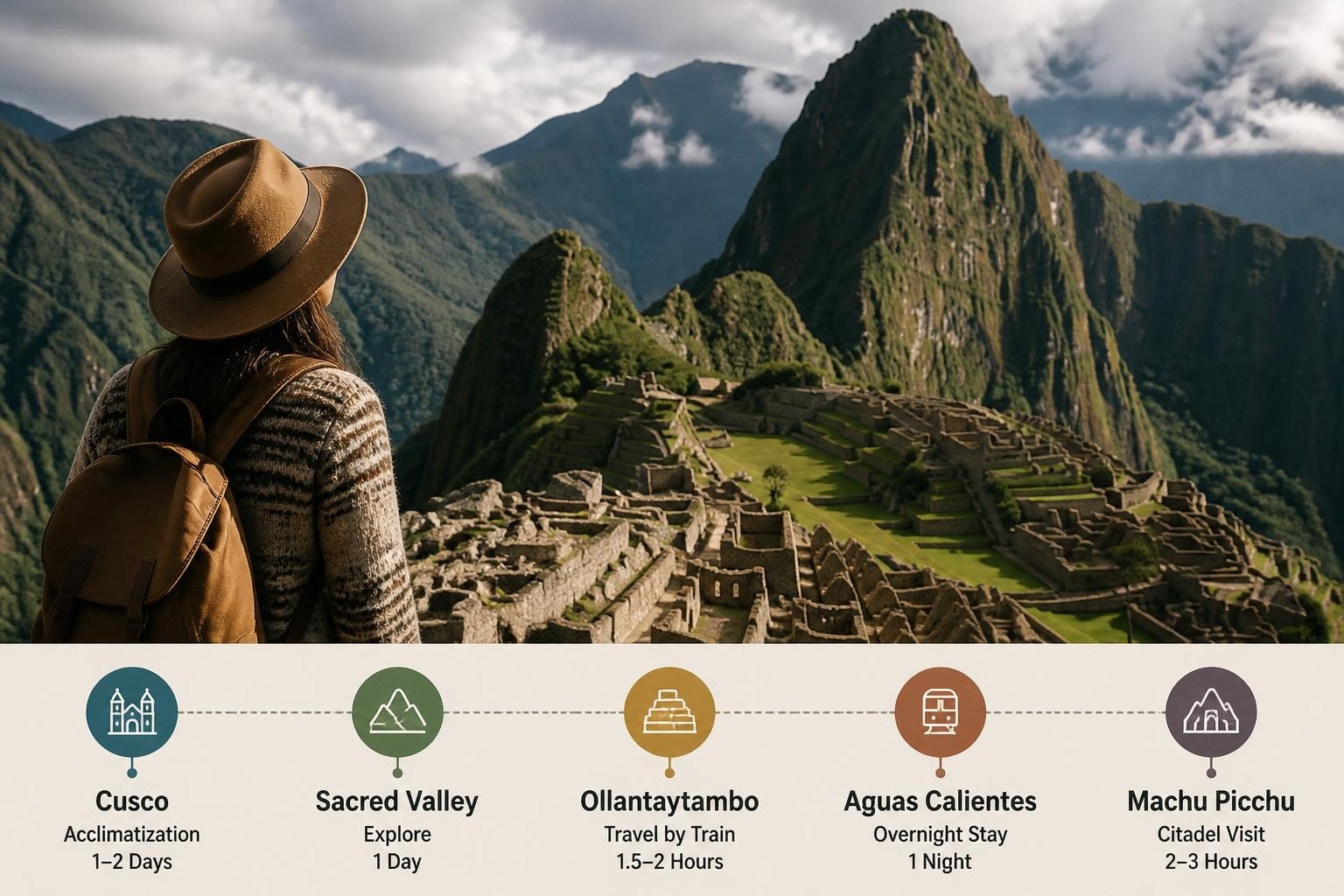
Planning a journey to Peru's most iconic archaeological wonder requires thoughtful preparation and strategic timing. A well-crafted cusco machu picchu itinerary balances acclimatization needs, cultural exploration, and the once-in-a-lifetime experience of standing before the ancient Inca citadel. Whether you have three days or a full week, understanding the logistics, elevation challenges, and must-see attractions along the route transforms a good trip into an extraordinary adventure. This comprehensive guide breaks down every element you need to design your perfect Andean journey.
Understanding the Geography and Elevation Challenge
Cusco sits at 11,152 feet above sea level, while Machu Picchu rests at a comparatively lower 7,972 feet. This elevation difference plays a critical role in any cusco machu picchu itinerary planning.
Why Acclimatization Matters
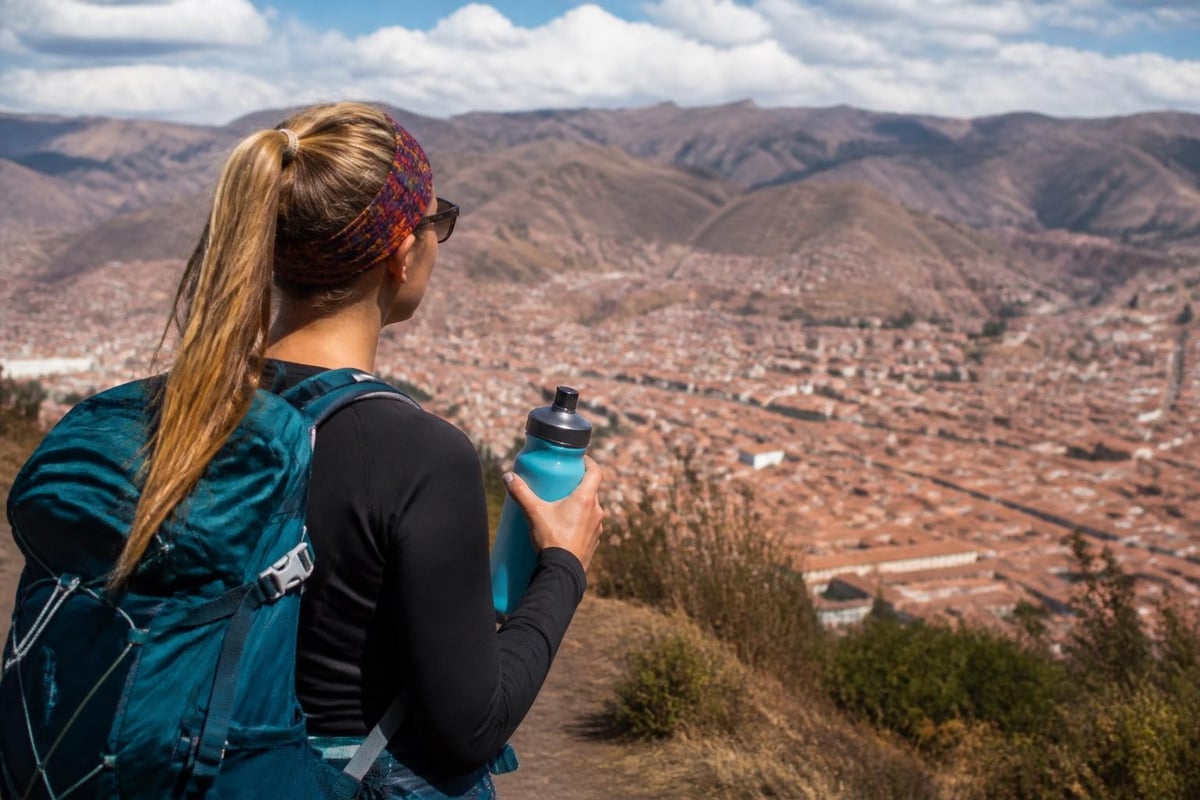
Most travelers arrive in Cusco by air from sea-level cities like Lima. The sudden altitude change can trigger symptoms ranging from mild headaches to severe altitude sickness. Medical professionals recommend spending at least two full days in Cusco before attempting strenuous activities or traveling to higher elevations.
During your acclimatization period, consider these strategies:
- Drink plenty of water (3-4 liters daily)
- Avoid alcohol for the first 48 hours
- Eat light meals rich in carbohydrates
- Rest frequently and avoid overexertion
- Consider coca tea, a traditional remedy used by locals
The Peru travel guide from National Geographic emphasizes that proper acclimatization significantly enhances your overall experience and reduces health risks throughout your journey.
Optimal Duration for Your Cusco Machu Picchu Itinerary
The length of your stay determines how thoroughly you can explore the region's archaeological sites, colonial architecture, and natural landscapes.
Three-Day Minimum Itinerary
Day 1: Arrival and Gentle Exploration
Arrive in Cusco, check into your accommodation, and spend the afternoon walking slowly through the Plaza de Armas. Visit the Cathedral and Qorikancha (Temple of the Sun) without rushing.
Day 2: Sacred Valley Day Trip
Tour Pisac market and ruins, Ollantaytambo fortress, and the agricultural terraces at Moray. This lower-elevation excursion (9,000-9,500 feet) helps with acclimatization while showcasing Inca engineering.
Day 3: Machu Picchu
Early morning train to Aguas Calientes, guided tour of Machu Picchu, return to Cusco by evening.
| Itinerary Length | Acclimatization | Sites Covered | Pace |
|---|---|---|---|
| 3 Days | Minimal | Cusco, Machu Picchu only | Rushed |
| 4-5 Days | Adequate | Cusco, Sacred Valley, Machu Picchu | Comfortable |
| 6-7 Days | Excellent | All above plus Rainbow Mountain or additional ruins | Relaxed |
Five-Day Recommended Itinerary
A five-day cusco machu picchu itinerary provides the ideal balance between thorough exploration and practical time constraints. This duration allows proper acclimatization, reduces fatigue, and creates space for unexpected discoveries.
For travelers seeking a comprehensive experience without the rush, a MACHU PICCHU ADVENTURE TOUR 5 Days / 4 Nights offers the perfect framework, combining expert local guidance with strategic pacing that respects altitude adjustment needs while maximizing cultural immersion. If your time in the region is short, our Machu Picchu 1 Day Hike guide explains how to fit the citadel into a single day.
Day 1: Cusco Arrival and City Orientation
Arrive, settle into accommodations, and take a gentle walking tour of San Blas artisan quarter and the historic center. Evening orientation meeting.
Day 2: Cusco Archaeological Sites
Visit Sacsayhuamán, Q'enqo, Puka Pukara, and Tambomachay in the morning. Afternoon free for museums or shopping. This keeps you at high altitude to continue acclimatization.
Day 3: Sacred Valley Immersion
Full-day guided tour through Pisac, Urubamba, and Ollantaytambo. Overnight in Sacred Valley (lower elevation for better sleep).
Day 4: Machu Picchu Full Experience
Morning train to Aguas Calientes, afternoon Machu Picchu tour, overnight in Aguas Calientes.
Day 5: Sunrise at Machu Picchu and Return
Optional early return to the citadel for sunrise photos, then train back to Cusco.
Week-Long Extended Itinerary
Seven days opens opportunities for deeper immersion and additional adventures. Add Rainbow Mountain (Vinicunca), Humantay Lake, or multi-day treks like the Inca Trail or Salkantay route. If you’d rather have logistics handled for you, compare Machu Picchu tour packages with guided transport and permits included.
Transportation Between Cusco and Machu Picchu
Understanding your transport options helps you design a realistic cusco machu picchu itinerary that matches your budget and time constraints.
Train Routes and Services
PeruRail and Inca Rail operate daily services between Cusco (or Ollantaytambo) and Aguas Calientes. Three service levels exist: Before booking any train, check our guide to Machu Picchu permits and tickets for 2026 so your entry is secured.
- Expedition/Voyager (Economy): Comfortable seats, large windows, snack service ($65-85 USD one-way)
- Vistadome/360° (Mid-range): Panoramic windows, meal service, cultural entertainment ($85-120 USD one-way)
- Hiram Bingham (Luxury): Gourmet dining, live music, bar service, observatory car ($450+ USD one-way)
Book tickets 2-3 months in advance during high season (May-September). The official Peru tourism board provides updated transport schedules and booking guidance.
Bus from Aguas Calientes to Machu Picchu
From Aguas Calientes, buses depart every 10 minutes starting at 5:30 AM, making the 25-minute zigzag climb to the citadel entrance. Round-trip tickets cost approximately $24 USD and can be purchased online or in Aguas Calientes.
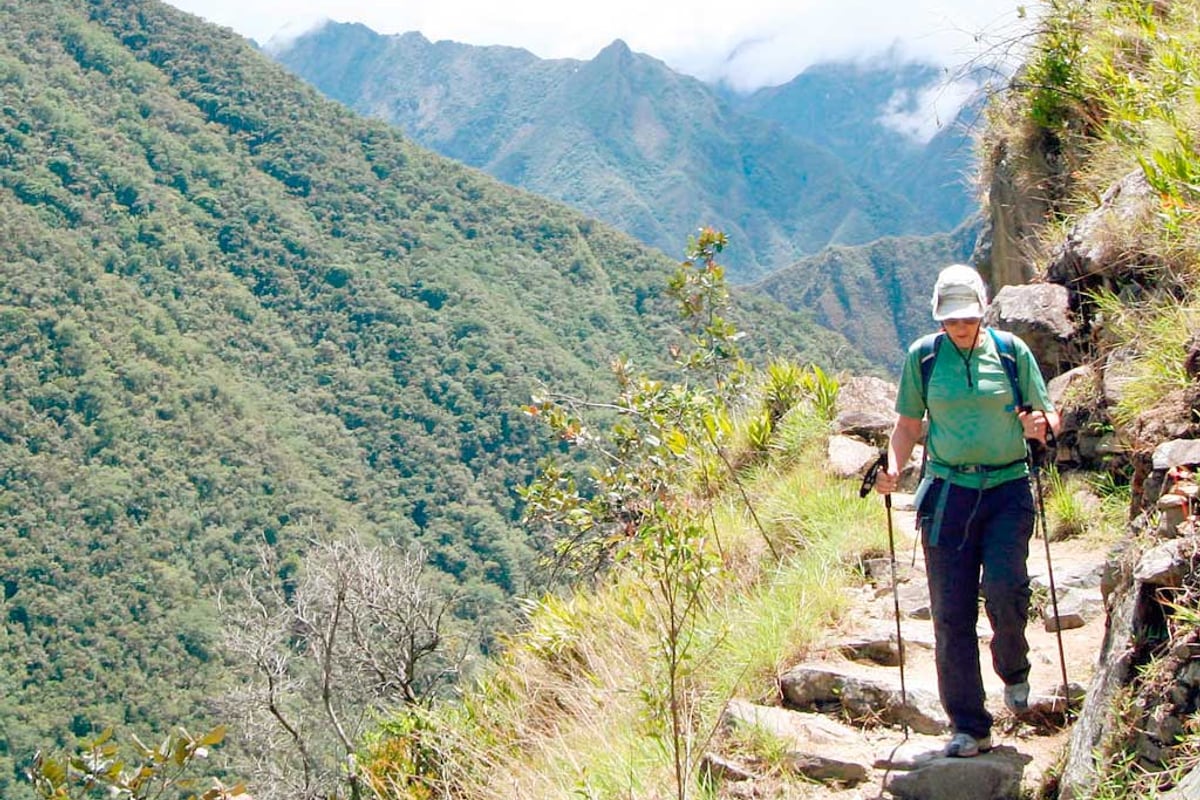
Alternative: Hike the steep stairs (1.5-2 hours uphill) to save money and enjoy sunrise views along the trail.
Daily Breakdown of a Perfect Five-Day Cusco Machu Picchu Itinerary
Day One: Arrival and Altitude Adjustment
Morning: Arrive at Alejandro Velasco Astete International Airport in Cusco. Take a taxi or pre-arranged transfer to your hotel in the historic center (15 minutes, $15-20 USD).
Afternoon: After checking in, walk slowly to Plaza de Armas. Visit the Cathedral Basilica (entry $10 USD), which houses colonial art and Inca-era walls. Stop at a café for coca tea.
Evening: Light dinner at a restaurant serving altitude-friendly foods (quinoa soup, mild proteins). Sleep early to combat jet lag.
Altitude tip: Avoid heavy exercise, alcohol, and large meals on day one.
Day Two: Cusco City and Nearby Ruins
Morning: Guided tour of Sacsayhuamán fortress, where massive stone blocks (some weighing 200 tons) fit together without mortar. The site offers panoramic views of Cusco valley.
Continue to Q'enqo (ceremonial site with underground chambers), Puka Pukara (military checkpoint), and Tambomachay (water temple showcasing Inca hydraulic engineering).
Afternoon: Return to Cusco for lunch. Visit Qorikancha, the Temple of the Sun, where Spanish conquistadors built the Santo Domingo church atop Inca foundations.
Evening: Explore San Blas neighborhood's narrow streets, artisan workshops, and galleries.
Day Three: Sacred Valley Exploration
Morning: Depart Cusco at 8:00 AM for Pisac (45-minute drive). Visit the archaeological site perched above the town, featuring agricultural terraces, astronomical observatories, and ceremonial platforms.
Late Morning: Explore Pisac's famous artisan market, where vendors sell textiles, ceramics, jewelry, and alpaca products.
Afternoon: Continue to Urubamba for lunch, then visit Ollantaytambo fortress. This living Inca town features steep terraces, massive stone structures, and the only place where the Inca defeated Spanish forces in battle.
Evening: Overnight in Sacred Valley (Urubamba or Ollantaytambo) at lower elevation for better rest.
Day Four: Journey to Machu Picchu
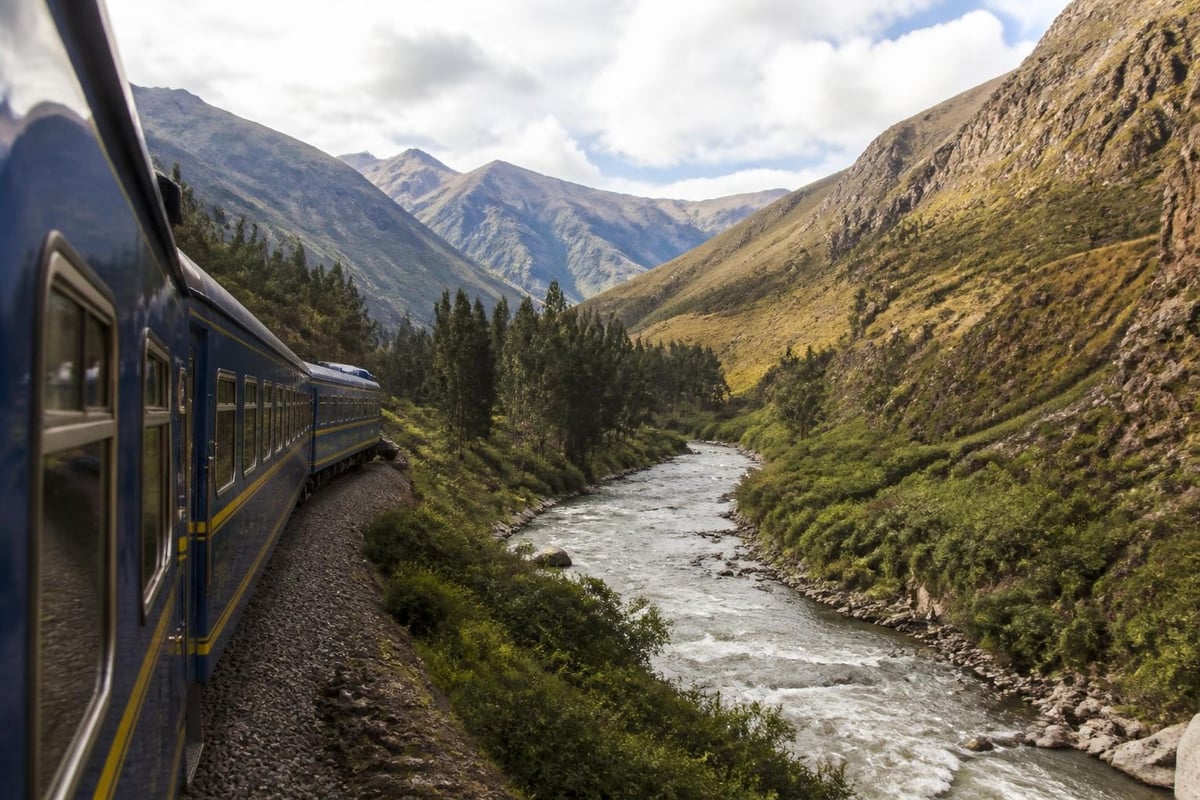
Morning: Board the train from Ollantaytambo to Aguas Calientes (1.5-hour scenic ride through the Urubamba River valley). The landscape transitions from high-altitude plains to cloud forest.
Afternoon: After checking into your Aguas Calientes hotel, take the bus or hike up to Machu Picchu for your guided tour (2-3 hours). Entrance times are staggered: morning slots (6 AM, 7 AM, 8 AM) or afternoon slots (12 PM, 1 PM, 2 PM).
Your guide will explain the Temple of the Sun, Intihuatana stone, Temple of the Three Windows, and residential sectors. The Historic Sanctuary of Machupicchu provides official regulations and trail information for your visit. Before you go, a Machu Picchu virtual tour lets you preview the citadel’s layout and key structures from home.
Evening: Return to Aguas Calientes for dinner and rest. The town offers numerous restaurants, hot springs, and a small artisan market.
Day Five: Optional Second Visit and Return
Early Morning: Many travelers purchase a second entry ticket to experience sunrise at Machu Picchu or hike Huayna Picchu/Machu Picchu Mountain (these require separate permits booked months in advance).
Late Morning: Return to Aguas Calientes, catch the afternoon train to Ollantaytambo, then bus or taxi back to Cusco.
Afternoon: Arrive in Cusco with time for last-minute shopping or museum visits.
Entrance Tickets and Permits
Securing proper documentation represents one of the most critical elements of your cusco machu picchu itinerary.
Machu Picchu Circuit System
As of 2026, Machu Picchu operates a circuit system to manage visitor flow and protect the site:
Circuit 1 (Upper Terraces): Classic postcard viewpoints, House of the Guardian, agricultural sector
Circuit 2 (Lower Terraces): Temple of the Sun, Royal Palace, Sacred Plaza
Circuit 3 (Royal Sector): Temple of the Condor, water channels, residential areas
Most first-time visitors choose Circuit 1 or 2 for iconic views. Some tickets combine two circuits.
Booking Process and Timing
The Ministry of Culture’s official ticketing platform provides direct access to entry permits. During high season (May-September), tickets sell out 2-3 months in advance.
Ticket Categories:
- Machu Picchu Only (various circuits): $35-50 USD
- Machu Picchu + Huayna Picchu: $65 USD (limited to 400 visitors daily)
- Machu Picchu + Mountain: $65 USD (limited to 800 visitors daily)
Children under 18 and students with valid ID receive discounts. The official TuBoleto platform guide explains the complete purchasing process.
Inca Trail Permits
If your cusco machu picchu itinerary includes the Classic Inca Trail (4 days) or Short Inca Trail (2 days), permits require even more advance booking-typically 5-6 months ahead for peak season. Only 500 people (including guides and porters) receive daily permits for the Classic Inca Trail.
Seasonal Considerations for Your Itinerary
Peru's seasons dramatically affect your experience at Machu Picchu and throughout the Cusco region.
Dry Season (May-September)
Advantages:
- Clear skies and minimal rainfall
- Best visibility for photography
- Comfortable hiking conditions
- Peak season for festivals and cultural events
Disadvantages:
- Highest prices for accommodations and tours
- Crowded sites and trains
- Cold nights in Cusco (temperatures drop to 30°F/-1°C)
- Tickets and permits sell out quickly
Wet Season (November-March)
Advantages:
- Lower prices (30-40% discounts common)
- Fewer crowds at archaeological sites
- Lush, green landscapes
- Dramatic cloud formations
Disadvantages:
- Afternoon rain showers (though mornings often clear)
- Classic Inca Trail closes in February for maintenance
- Some roads may experience delays
- Higher humidity
Shoulder Seasons (April, October) offer the best compromise: moderate prices, manageable crowds, and generally good weather with occasional showers.
Packing Essentials for Your Cusco Machu Picchu Itinerary
Strategic packing ensures comfort across varying elevations, temperatures, and activities.
Clothing and Layers
Temperature fluctuations in the Andes range from 30°F at night in Cusco to 75°F during sunny afternoons at Machu Picchu. The Lonely Planet Cusco itinerary guide recommends layering systems:
- Moisture-wicking base layers
- Insulating mid-layers (fleece or down)
- Waterproof outer shell
- Sun hat and warm beanie
- Comfortable hiking shoes (broken in before trip)
- Sandals for Aguas Calientes hot springs
Health and Safety Items
Essential medications and supplies:
- Altitude sickness medication (Diamox, prescribed by doctor)
- Sunscreen (SPF 50+, UV exposure intense at high altitude)
- Insect repellent (for Sacred Valley and Aguas Calientes)
- Water purification tablets or reusable bottle with filter
- Basic first aid kit
- Hand sanitizer and wet wipes
Technology and Documentation
- Passport (required for Machu Picchu entry)
- Printed ticket confirmations (digital copies often unreliable)
- Power adapter (Peru uses Type A and C plugs, 220V)
- External battery pack (limited charging at Machu Picchu)
- Camera with extra memory cards and batteries
Cultural Experiences Beyond the Ruins
A comprehensive cusco machu picchu itinerary extends beyond archaeological sites to embrace living Andean culture.
Traditional Markets and Cuisine
San Pedro Market in Cusco offers authentic local life: vendors sell fresh produce, medicinal herbs, textiles, and prepared foods. Try cuy (guinea pig), alpaca steaks, or lomo saltado (stir-fried beef).
Cooking classes teach traditional preparation of ceviche, causa, and pachamanca (earth-oven cooking). These hands-on experiences typically last 3-4 hours and include market visits.
Textile Workshops and Weaving Communities
The Chinchero textile center demonstrates pre-Columbian dyeing techniques using natural plants and minerals. Weavers explain the symbolism embedded in traditional patterns, and visitors can purchase authentic handwoven goods directly from artisans.
Festival Calendar
If timing permits, align your cusco machu picchu itinerary with cultural festivals:
Inti Raymi (June 24): Inca solstice celebration with elaborate costumes, processions, and reenactments at Sacsayhuamán
Corpus Christi (May/June, varies): Religious processions blend Catholic and Andean traditions
Cusco Anniversary Week (June): Daily parades, dance performances, and street celebrations
Budgeting Your Cusco Machu Picchu Itinerary
Understanding costs helps you plan realistically and avoid surprises.
Budget Breakdown by Category
| Expense Category | Budget Range | Mid-Range | Luxury |
|---|---|---|---|
| Accommodation (per night) | $15-30 | $60-120 | $200+ |
| Train to Aguas Calientes | $65-85 | $100-120 | $450+ |
| Machu Picchu entrance | $35-50 | $35-50 | $35-50 |
| Meals (per day) | $15-25 | $35-50 | $75+ |
| Guided tours | $25-40 | $60-100 | $150+ |
Total 5-day estimate:
- Budget traveler: $600-800 USD
- Mid-range: $1,200-1,800 USD
- Luxury: $3,000+ USD
These estimates exclude international flights but include domestic transportation, accommodation, entrance fees, and meals.
Money-Saving Strategies
- Book trains and accommodations 2-3 months in advance
- Eat at local markets and "menú del día" restaurants ($3-5 for three courses)
- Join group tours instead of private guides
- Stay in hostels or family-run guesthouses
- Use collectivo (shared) vans instead of private taxis
- Visit free museums on Sundays (many Cusco museums waive admission)
Health and Safety Considerations
Altitude Sickness Prevention
Beyond initial acclimatization, maintain these practices throughout your cusco machu picchu itinerary:
Hydration: Drink water constantly, even when not thirsty. Dehydration exacerbates altitude symptoms.
Pacing: Move deliberately and rest frequently. Rushing triggers symptoms even in acclimatized travelers.
Medication: Acetazolamide (Diamox) helps some travelers; consult your physician before departure. Natural remedies include coca leaves (tea, chewing) and soroche pills sold at pharmacies.
Warning signs requiring medical attention:
- Severe, persistent headache unresponsive to medication
- Confusion or difficulty walking
- Chest tightness or breathing difficulty at rest
- Blue lips or fingernails
Food and Water Safety
Cusco's restaurant standards have improved dramatically, but precautions remain wise:
- Drink only bottled or purified water
- Avoid raw vegetables unless from trusted establishments
- Choose thoroughly cooked foods
- Wash hands frequently, especially before eating
- Carry hand sanitizer for locations without facilities
Personal Security
Cusco and the tourist route to Machu Picchu maintain relatively low crime rates, but standard precautions apply:
- Use hotel safes for passports and extra cash
- Carry only day-use amounts of money
- Avoid displaying expensive jewelry or electronics
- Stay aware in crowded markets and train stations
- Use registered taxis or hotel-arranged transportation
Extending Your Cusco Machu Picchu Itinerary
Rainbow Mountain (Vinicunca)
This geological wonder gained Instagram fame for its multicolored mineral stripes. The site sits at 17,060 feet-significantly higher than Cusco-making it suitable only after full acclimatization.
Logistics: Full-day tour from Cusco (3-hour drive each way, 2-hour hike to viewpoint). Most tours depart at 3:00 AM to avoid crowds and afternoon weather.
Humantay Lake
A turquoise glacial lake at 13,780 feet offers spectacular Andean scenery with less extreme altitude than Rainbow Mountain. The moderately strenuous hike (2 hours uphill) rewards trekkers with pristine mountain views.
Amazon Jungle Extension
Combine highland and rainforest ecosystems by adding 2-3 days in the Manu or Tambopata reserves. This dramatic ecosystem shift showcases Peru's biodiversity, from snow-capped peaks to tropical jungle in a single journey.
Alternative Treks
Beyond the famous Inca Trail, several multi-day treks offer stunning scenery and fewer crowds:
Salkantay Trek (5 days): Passes beneath snow-capped Salkantay peak (20,574 feet) before descending through cloud forest to Aguas Calientes
Lares Trek (4 days): Focuses on living Andean communities, traditional weaving, and hot springs with less archaeological emphasis
Choquequirao Trek (4-5 days): Visits the "sister city" of Machu Picchu, a massive site receiving only 30-40 visitors daily
Creating an effective cusco machu picchu itinerary requires balancing altitude acclimatization, cultural immersion, and practical logistics to maximize your Andean adventure. With thoughtful planning around seasonal weather, proper pacing for elevation adjustment, and strategic booking of permits and transportation, your journey to Peru's most iconic archaeological treasure becomes a transformative experience rather than a rushed checklist. Machupicchu Trips specializes in locally-led tours that handle these complex details while offering authentic cultural connections, expert guidance from native Cusqueños, and flexible itineraries tailored to your interests-whether you seek adventure, luxury, or deep historical exploration of the Inca heartland.