
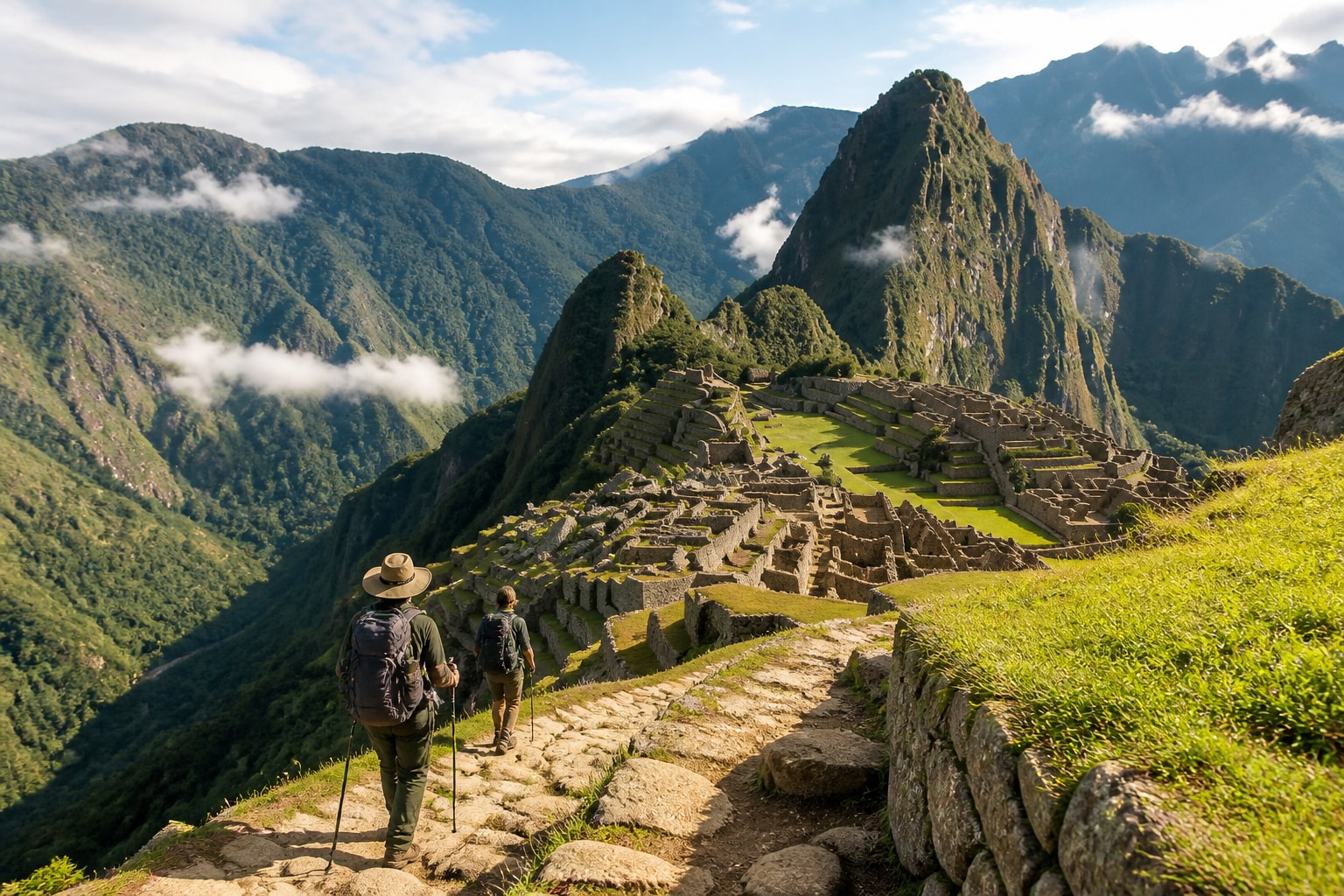
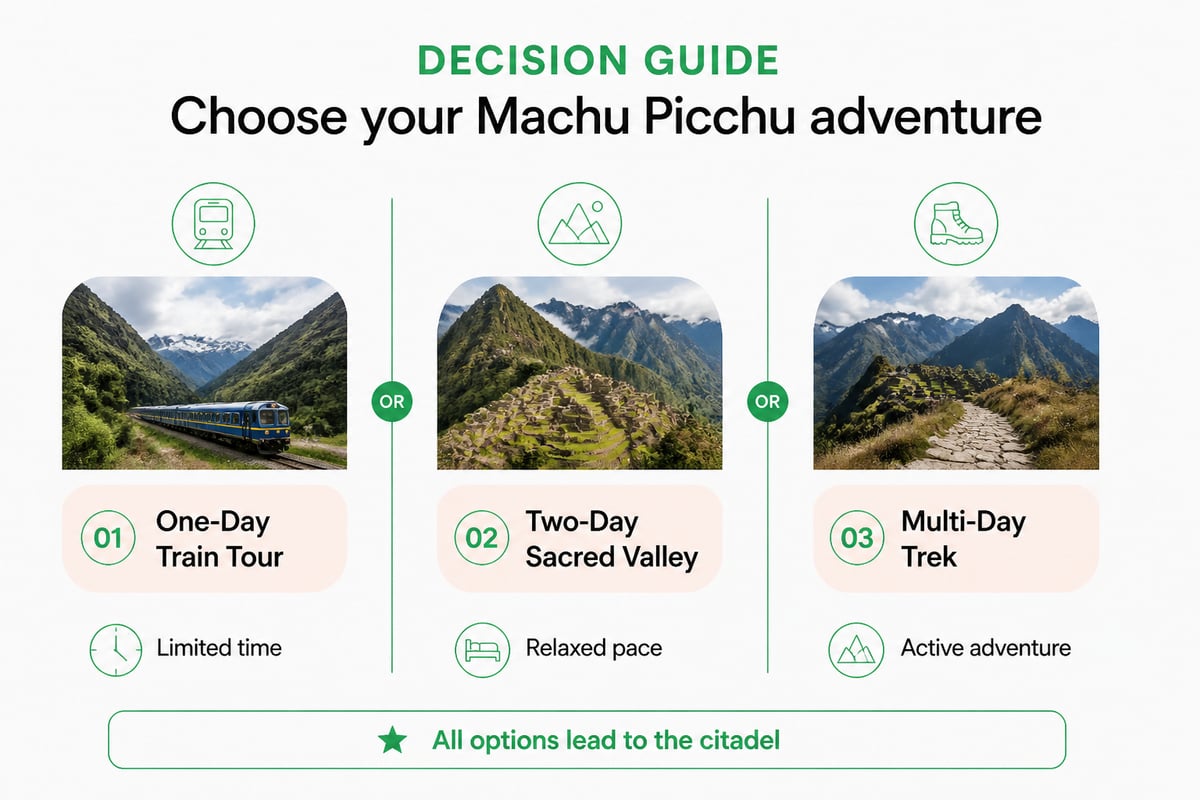
The right Machu Picchu package depends on how many days you have, how much you want to hike, and whether you prefer comfort or adventure. Most travelers choose among four formats: a one-day tour from Cusco, a two-day Sacred Valley itinerary, a multi-day trek, or a longer luxury or cultural journey. Each one bundles the same core pieces (entrance tickets, trains, transfers, hotels and a guide) in a different balance, and the sections below explain how to match them to your plans.
What a Machu Picchu Package Usually Includes
A Machu Picchu package normally covers the entrance ticket, round-trip train or trekking logistics, ground transfers, accommodation, a licensed guide and some meals. The exact mix varies by format, so confirm each line before you pay.
Typical inclusions fall into three groups:
- Access: entrance ticket to the citadel, bus between Aguas Calientes and the site, and any permit required for a trek.
- Transport: hotel pickups in Cusco or the Sacred Valley, train tickets, and airport or station transfers.
- Service: a bilingual guide, hotel nights, and meals specified in the itinerary.
Things that often sit outside the price are international flights, travel insurance, tips, and sometimes lunch in Aguas Calientes. Ask for a written list of inclusions and exclusions so you can compare offers on equal terms.
Read the transport line closely, because it decides how smooth the day feels. A one-day tour should state the train departure and return, plus the pickup point and time in Cusco or the Sacred Valley. A trekking package should say what the crew carries and what you carry yourself, and how you get back from the end of the route. Meals deserve the same scrutiny: a package may list breakfast and a box lunch but leave dinner open, which changes your daily budget. Baggage matters too, since the train sets limits on what you can bring aboard, so ask where bags not needed for the overnight will be stored in Cusco.
One-Day, Two-Day or Multi-Day: Choosing Your Length
The best length is the longest one your schedule allows, because a single day at altitude leaves little room for delays, weather or fatigue. That said, each format suits a different kind of traveler.
| Format | Typical shape | Suits |
|---|---|---|
| One day | Early departure from Cusco or the Sacred Valley, train to Aguas Calientes, guided visit, same-day return | Travelers with a tight schedule who want the main site only |
| Two days | Sacred Valley sights, overnight in Aguas Calientes, guided visit the next morning | First-time visitors who want a calmer pace and less rushing |
| Three to five days | Trek or extended itinerary combining valley sites, the citadel and Cusco | Active travelers and those who want context beyond the ruins |
For travelers short on time, the Machu Picchu Day Tour covers the journey from Cusco to the citadel with a professional guide, including the temples and terraces, in a single day.
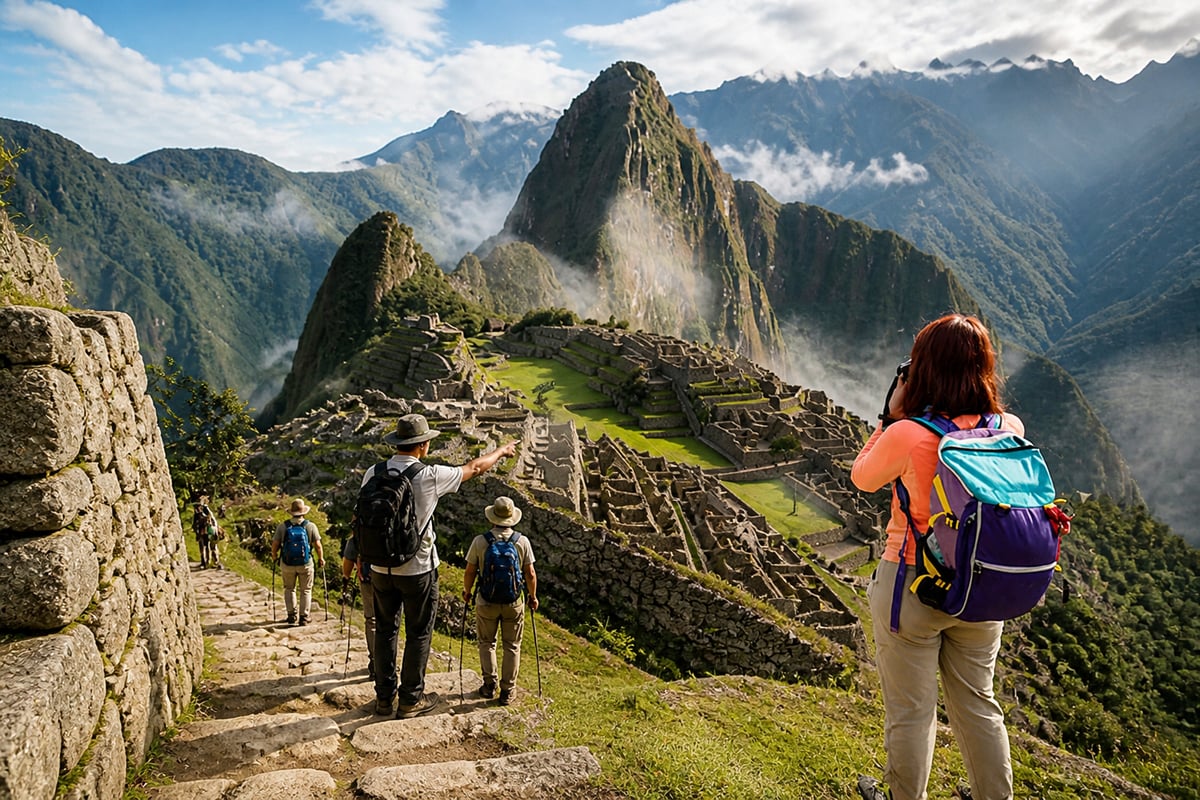
If you can spare two nights, an overnight in Aguas Calientes lets you reach the site early, before the midday crowds build. It also separates the travel from the sightseeing, which makes a real difference for people adjusting to altitude.
Machu Picchu Packages for Active Travelers: Trekking Routes
Trekking packages replace the train ride with a multi-day hike, and they are the better choice if walking to the citadel is part of the experience you want. Several routes exist, ranging from the classic Inca Trail to alternatives with fewer permit restrictions.
Points to weigh before choosing a route:
- Permit lead time. Routes through the protected sanctuary require advance permits, and a package should state that the operator secures them for your specific dates.
- Fitness and altitude. Plan to spend a few days in Cusco or the Sacred Valley before starting any high-elevation hike.
- Camping or lodge style. Some itineraries use tents and a support crew, while others stop at lodges. Check what is carried for you and what you carry yourself.
- Arrival at the site. Ask whether the route finishes at the citadel itself or in Aguas Calientes, and when you enter.
Trekking operators handle a long list of moving parts: permits, porters, meals, campsites and the final train or bus back. This is where a locally run operator earns its fee. Machupicchu Trips has operated Peru travel experiences since 1999 and coordinates permits, entrance tickets, trains, transfers, hotels and trekking logistics, so the planning burden stays off your shoulders.
Adventure, Luxury and Cultural Packages Compared
Packages differ as much by style as by length, and the style should match what you want to remember from the trip. The three most common themes are adventure, luxury and cultural.
Adventure
Adventure packages build around physical activity: trekking, cycling, or active days in the Sacred Valley before the citadel. They suit travelers who prefer to earn their views and are comfortable with early starts and simple accommodation on the trail.
Luxury
Luxury packages prioritize comfort. Expect upgraded rail service, boutique or high-end hotels, private transfers and more flexible pacing. The citadel visit itself is the same, but the journey around it is easier on the body, which matters after long travel days.
Cultural
Cultural packages spend more time on Inca history, living traditions and the valley communities around Cusco. A strong guide makes the difference here. Machupicchu Trips works with professional bilingual local guides who explain Inca history and culture, which gives the stone walls and terraces a context that a self-guided walk rarely provides.
Because the company tailors packages to your dates, group size, interests and travel style, you can also blend themes, for example a cultural valley day followed by a comfortable overnight and an early citadel visit.
Trains, Luggage and Timing: Practical Details That Affect Your Package
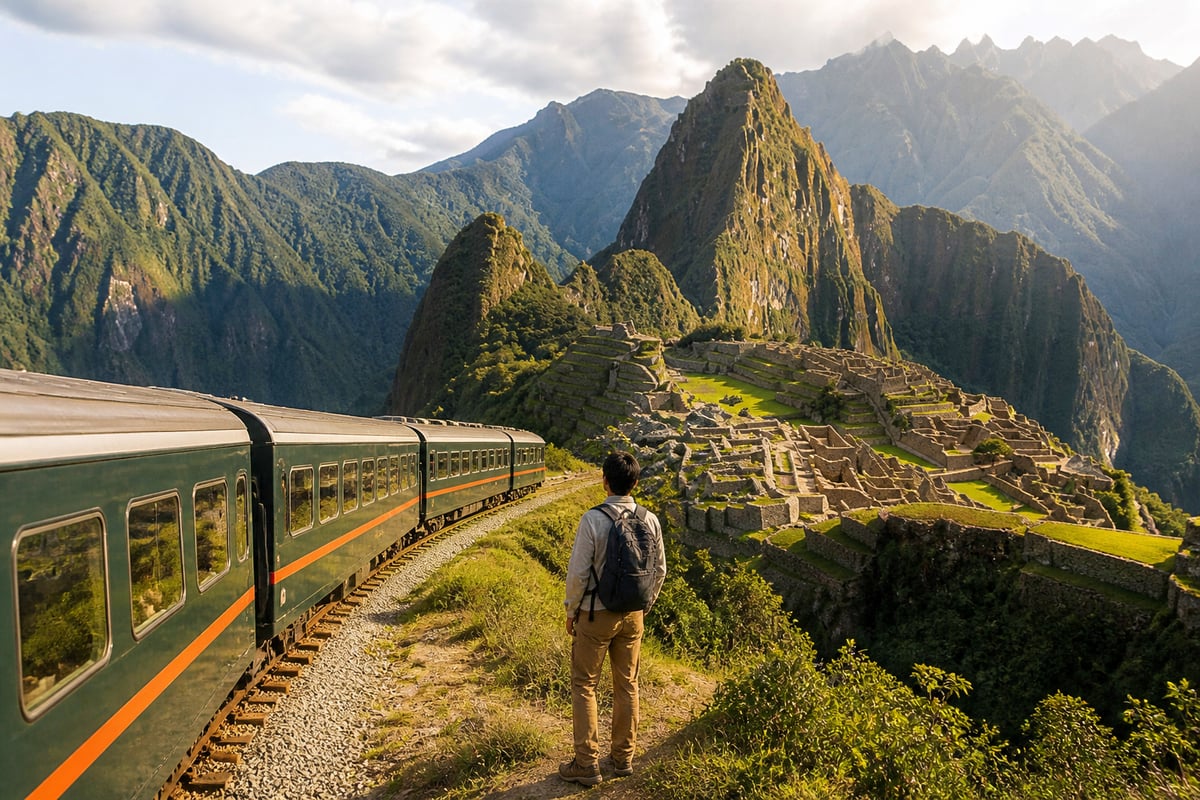
Rail logistics shape your itinerary more than most travelers expect, so check the train rules before you pack. PeruRail allows one backpack up to 8 kg or one carry-on bag up to 12 kg on the Machu Picchu route, with maximum dimensions of 100 cm for a backpack or 115 cm for carry-on, measured by adding height, length and width.
Several other rules are worth knowing in advance:
- Extra luggage costs money. PeruRail lists an additional-luggage charge of USD 15 for a carry-on item up to 12 kg and USD 25 for checked luggage up to 23 kg.
- Request extra baggage early. Additional baggage transport must be requested at least 48 hours before departure and is subject to space availability, according to PeruRail's purchase terms.
- Arrive ahead of departure. The same terms say passengers must arrive for boarding 30 minutes before the time shown on the ticket.
A practical approach is to pack a small overnight bag for the train and leave the rest of your luggage at your Cusco hotel. PeruRail also publishes its own travel recommendations covering ticket requirements and baggage guidance, which is useful to read before departure day.
Timing, Permits and Protecting the Site
Your travel dates matter because Machu Picchu is a protected World Heritage property with managed visitor access. UNESCO's World Heritage listing explains the sanctuary's protected status and the need to manage visitor access, diversify tourism and reduce impacts. Entry tickets and trek permits are therefore limited, and popular dates fill well ahead of time.
For a package, this has two consequences. First, book the citadel ticket and any trek permit before you finalize flights, because they are the least flexible parts of the trip. Second, favor itineraries that spread your time across the wider region instead of concentrating everything on one morning at the ruins. UNESCO's decision summary outlines concerns around visitor-flow management, which signals that access rules may continue to be adjusted.
A locally run operator tracks these changes directly. Because Machupicchu Trips runs every trip from Cusco itself, it can adapt a plan if tickets, schedules or conditions shift.
How to Compare Machu Picchu Package Offers
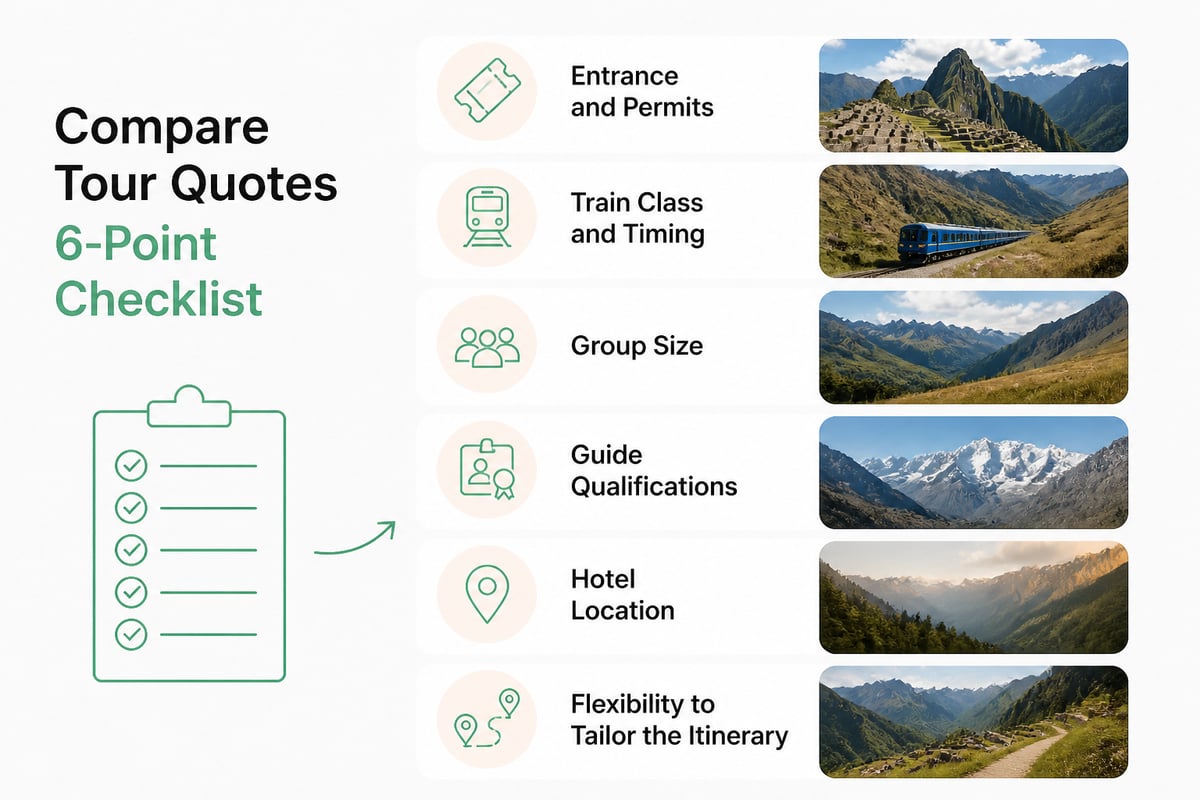
Compare offers by what is written down, not by the headline price, because two packages with the same figure can include very different things. Use this checklist when you request quotes:
- Entrance and permits: Are tickets or trek permits purchased for your named dates?
- Train class and timing: Which service, and what time do you reach Aguas Calientes?
- Group size: Small-group tours give more attention from the guide and move more easily through the site.
- Guide language and qualifications: Confirm the guide is professional and speaks your language fluently.
- Hotel location: A hotel in Aguas Calientes saves hours on an early-entry morning.
- Flexibility: Can the itinerary be tailored if your dates or interests change?
Vague quotes are a signal to ask more questions. A reliable operator will state who handles each part of the journey and what happens if a train or permit changes.
Put the quotes side by side and line up the same items in each. If one package lists the entrance ticket and another only says "site visit," ask whether the ticket is bought or left for you to arrange. If one names the train departure and the other says "morning train," request the exact time, since it determines how early you stand at the gate. Ask for the group-size cap in numbers, not adjectives like "small." Check baggage handling as well: PeruRail permits one backpack up to 8 kg or one carry-on up to 12 kg, so a package that assumes larger bags should explain how they travel. Finally, ask what happens if you need to change dates, because the answer shows how much flexibility you are actually paying for.
Who Should Choose a Guided Package
A guided package suits travelers who want permits, trains and hotels coordinated by someone on the ground, and who value a knowledgeable guide at the site. It is a good fit for first-time visitors to southern Peru and for trekkers who do not want to manage permit and porter logistics themselves.
It also suits people whose plans have several dependent parts. A traveler combining a Sacred Valley day, an overnight in Aguas Calientes and an early citadel entry has to line up entrance tickets, a train departure, a hotel and ground transfers, and a delay in any one of them affects the rest. A single operator holding all of those bookings can adjust them together instead of leaving you to rebook each piece. Families and small groups benefit for the same reason, since one itinerary and one point of contact is simpler than several separate reservations. Travelers who would rather spend the morning at the ruins learning what the temples and terraces meant, instead of reading signs, will also get more from a guide.
It is not the right fit for travelers who want a fully independent visit with no guide, or for those who only want the cheapest shared transport. Those readers will be better served by booking individual tickets themselves. For everyone else, a well-built itinerary removes the guesswork and leaves your energy for the climb, the views and the history.
Start by listing your travel dates, the number of days you can spend in Peru, and whether you want to hike or ride the train, then match that list to the formats above. Machupicchu Trips can turn that outline into a plan, with small-group departures led by local guides and arrangements for permits, tickets, trains, transfers and hotels. If you are ready to move from comparing packages to choosing one, Plan My Machu Picchu Trip with a team that has operated Peru travel experiences since 1999.