
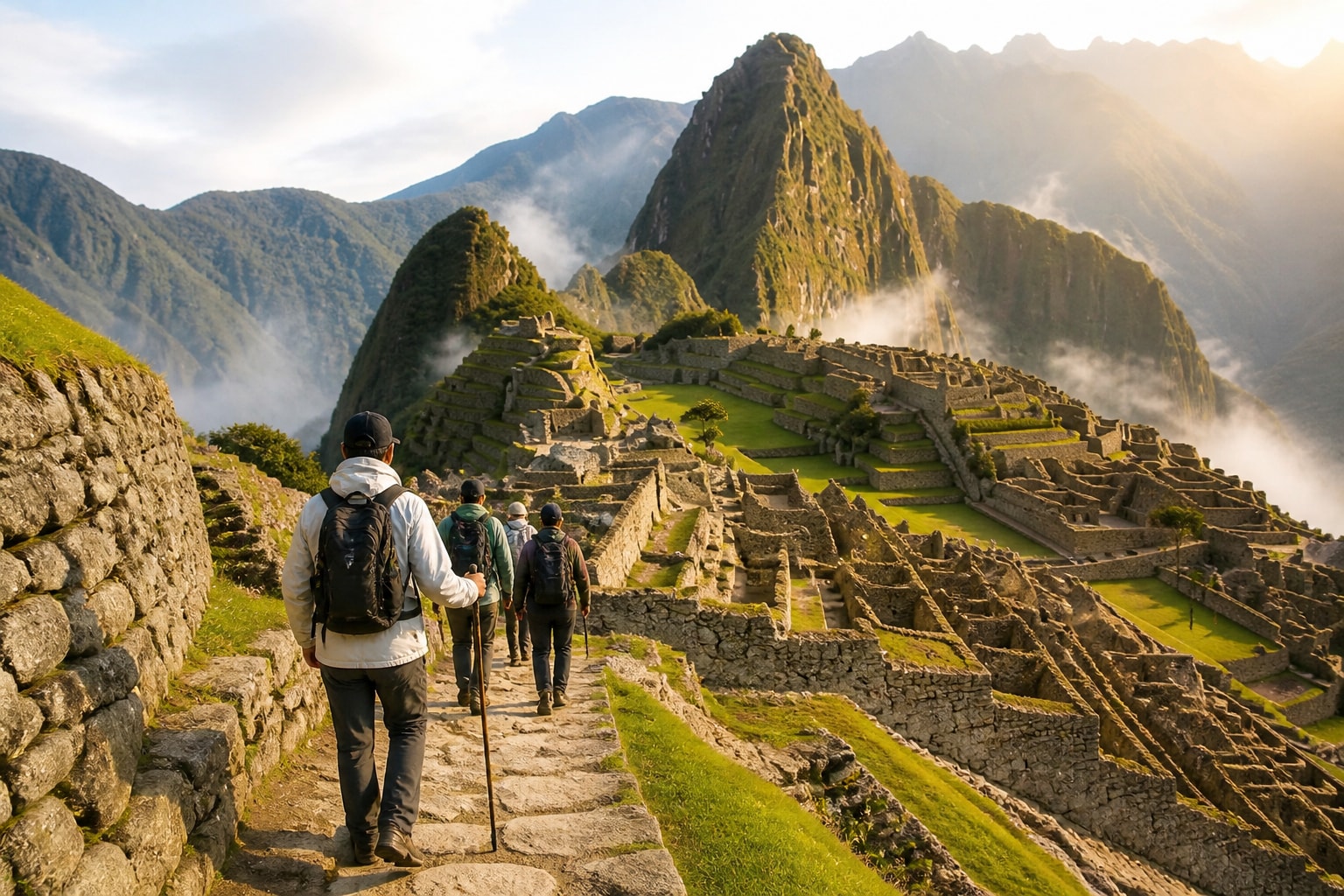
The best Machu Picchu guides are licensed, locally based professionals who explain Inca history on site and handle permits, trains and timing so your visit runs smoothly. For most first-time visitors, a guided tour is the most practical way to see the citadel in 2026, because entry is controlled by circuit, route, date and time slot, and the rules leave little room for improvisation.
This article covers how guides work at the site, what a tour should include, which routes suit different travelers, and how to plan around altitude, tickets and weather. It is written for international travelers planning a first visit to southern Peru and for active travelers who want a hiking route to the citadel.
What Does a Machu Picchu Guide Actually Do?
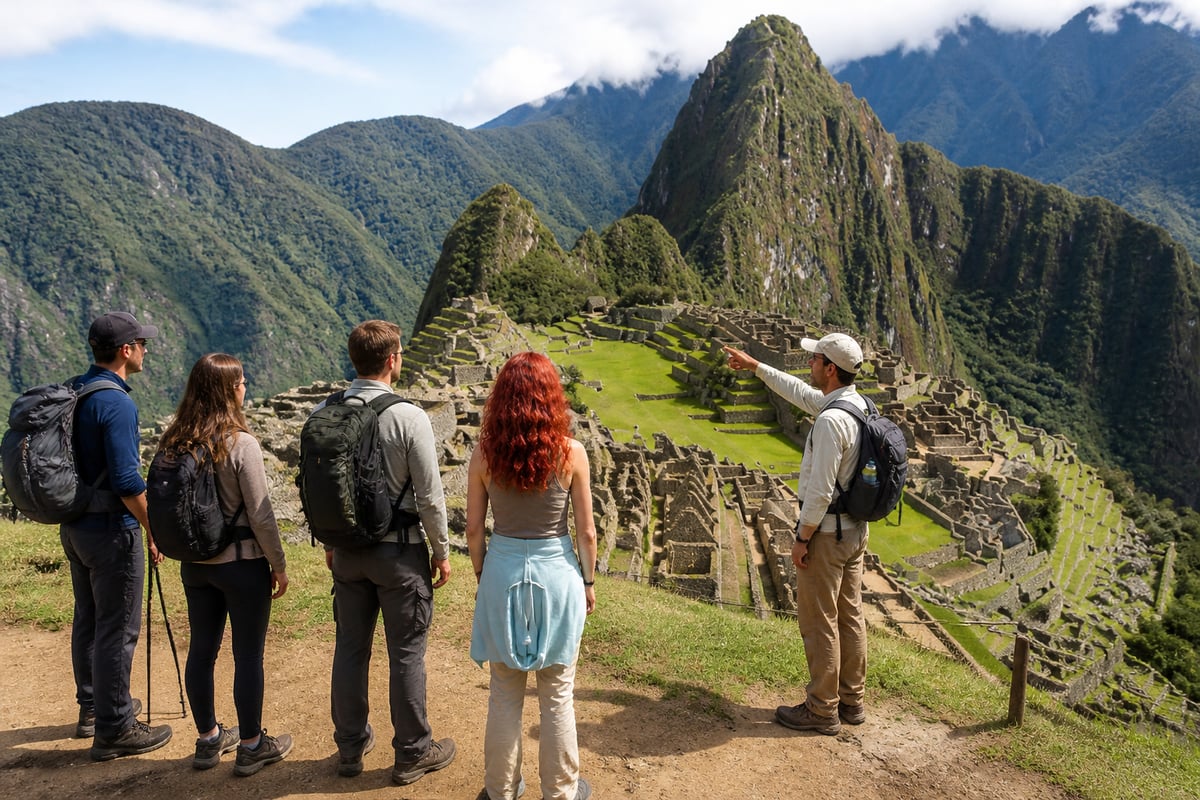
A Machu Picchu guide interprets the site, manages your route through the citadel and keeps your visit within the ticket rules. That role matters more now than it once did, because the site is organized into three visitor circuits and ten routes, and each ticket is tied to a specific circuit, route, date and entry time.
In practice, a good guide handles four things:
- Interpretation. Explaining the Temple of the Sun, the Intihuatana, the agricultural terraces and the Royal Residence in the context of Inca engineering, astronomy and religion.
- Pacing. A standard citadel visit is limited to 2 hours 30 minutes from entry, so a guide structures the walk to cover the highlights within that window.
- Logistics. Confirming the entry window, the correct circuit and the sequence of stops, which follow a one-way direction of travel inside the site.
- Safety and comfort. Watching for altitude symptoms, slippery stone steps and weather changes.
Hiring a guide is not a formality. It is the difference between reading plaques and understanding why the site was built where it was.
Types of Machu Picchu Tours and Who They Suit
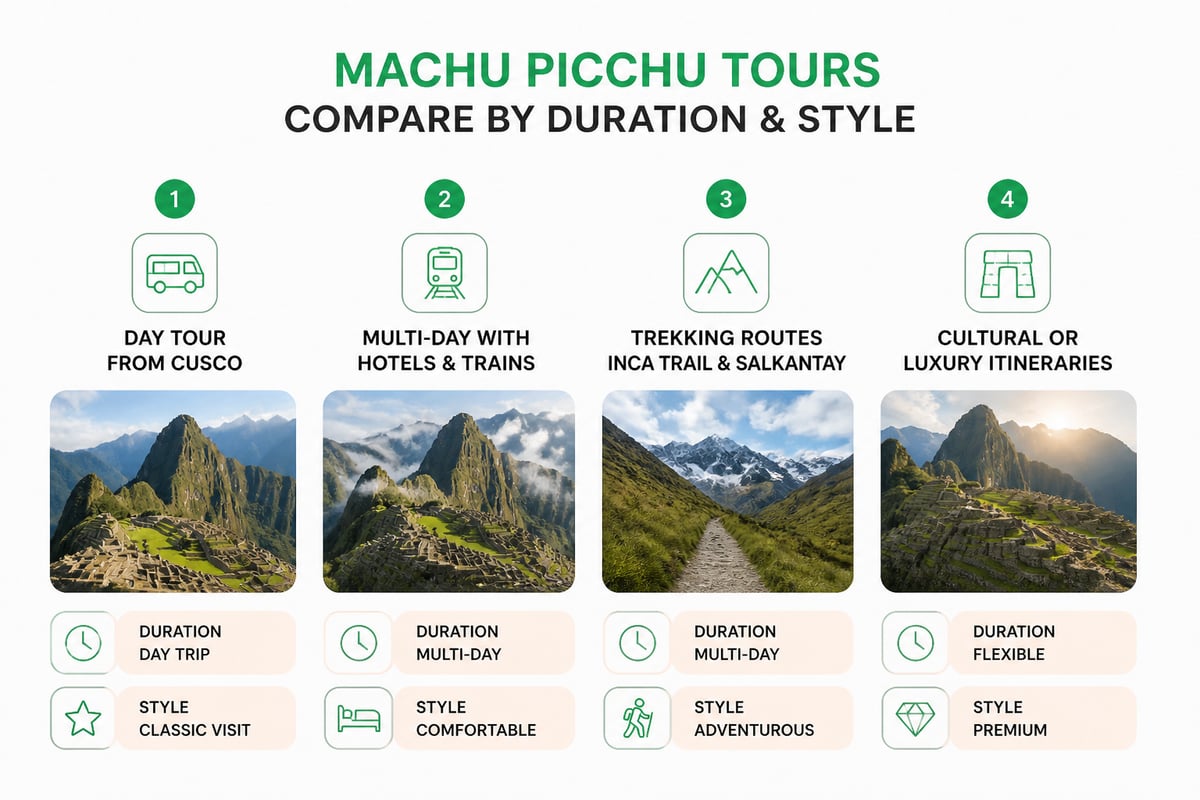
Machu Picchu tours fall into several broad formats, and the right one depends on your time, fitness and interest in culture versus adventure.
Day Tours From Cusco
A day tour covers transport from the Sacred Valley or Cusco, a train to Aguas Calientes, a bus up to the citadel and a guided walk through the ruins. It suits travelers with limited time. Machupicchu Trips runs a Machu Picchu Day Tour that pairs the journey from Cusco with a professional guide and the Andean scenery along the way, which makes it a practical fit for a first visit on a tight schedule.
Multi-Day Tours With Hotels and Trains
These itineraries add Cusco, the Sacred Valley and one or two nights in Aguas Calientes. The extra night is useful because it lets you enter the citadel early, before the largest crowds, and recover from the train and altitude without a 3 a.m. alarm.
Trekking Routes
Active travelers can reach the citadel on foot. The classic Inca Trail, the Salkantay route and the Lares trek all end at or near Machu Picchu, and each requires advance booking of permits, porters and camping or lodge arrangements. A local operator coordinates these pieces, which is where an in-destination team earns its value.
Cultural and Luxury Itineraries
These combine private guiding, premium rail service and boutique lodging with visits to places such as Moray, Ollantaytambo and Pisac. They suit travelers who want depth over speed.
How Much Does a Guided Machu Picchu Tour Cost?
The cost of a guided tour depends on format, group size, season and rail class, so any single number would mislead. Entry fees are set by the authorities and change, so confirm the current figure for your visitor category before you travel. Circuit and route choices can change the ticket category, and add-on mountains carry their own requirements.
A tour price typically bundles several separate costs:
- The entry ticket for your chosen circuit and route.
- Round-trip train service to Aguas Calientes.
- The bus between Aguas Calientes and the citadel.
- The guide's services.
- Transfers, hotels, meals and any trekking equipment.
Because components vary, ask any operator for a written breakdown. For current packages and pricing, use the product pages and contact page of Machupicchu Trips rather than relying on third-party estimates.
Fee rules can also change, so check the official site for the eligible groups and dates before assuming a standard fee applies to you.
Understanding the 2026 Rules: Tickets, Circuits and Timing
Tickets for 2026 are limited, date-specific and strictly timed, so book your entry before anything else. Daily visitor limits apply, with higher caps on designated high-season dates than on other dates.
For 2026, the high-season dates include January 1, April 2 to 5, June 19 to November 2, and December 30 to 31. If your trip overlaps these windows, expect tickets and trains to sell out earlier.
Key rules to build your plan around:
- Time slots are enforced. Visitors have a 45-minute grace period during high season and 30 minutes during low season, and arriving later than that can mean denied entry.
- Visit length is capped. The standard citadel visit has a time limit from entry.
- Mountain add-ons are longer. Mountain routes such as Huayna Picchu allow more total time than a standard citadel visit, including the citadel visit itself.
- Circuits shape the experience. The panoramic, classic and lower-citadel options see different parts of the site. The Machu Picchu tickets page explains how each circuit and route changes what you see.
A guide who works in Cusco daily will know which circuit fits your fitness and photography goals. This is also why independent, no-guide visits suit only a narrow set of travelers.
Can You Visit Machu Picchu Without a Guide?
Visiting without a guide is a question of how much of the planning you want to carry yourself. The site's current structure favors travelers who arrive with a confirmed circuit, route and entry time, and who understand the one-way flow of the visit.
Many visitors still choose a guide for three reasons. First, the history is hard to absorb from signage alone. Second, a guide removes the risk of a missed entry window. Third, coordination of trains, buses, hotels and transfers is simpler when one team owns it.
Machupicchu Trips works on a guided model: a locally owned Cusco operator, running every trip from the destination itself, with small groups and professional bilingual local guides. It is built for travelers who want that support, not for those seeking a fully independent visit.
Choosing Between the Classic Inca Trail and Other Hiking Routes
The right trekking route depends on how many days you have, your comfort at altitude and whether you prefer ruins, mountain scenery or quiet villages along the way.
| Route style | What it emphasizes | Planning note |
|---|---|---|
| Classic Inca Trail | Inca stonework, cloud forest, a final approach to the citadel | Permits are limited, so book well ahead |
| Salkantay | Glacier scenery and high mountain passes | Demanding altitude, varied climate |
| Lares | Highland communities and cultural contact | Gentler pace, strong cultural focus |
Whichever route you choose, a locally led operator coordinates permits, porters, camp logistics and the final entry to the citadel. Packages from Machupicchu Trips can be tailored to your dates, group size, interests and travel style, so confirm the exact route options and availability through its booking and contact pages.
Altitude, Weather and Packing
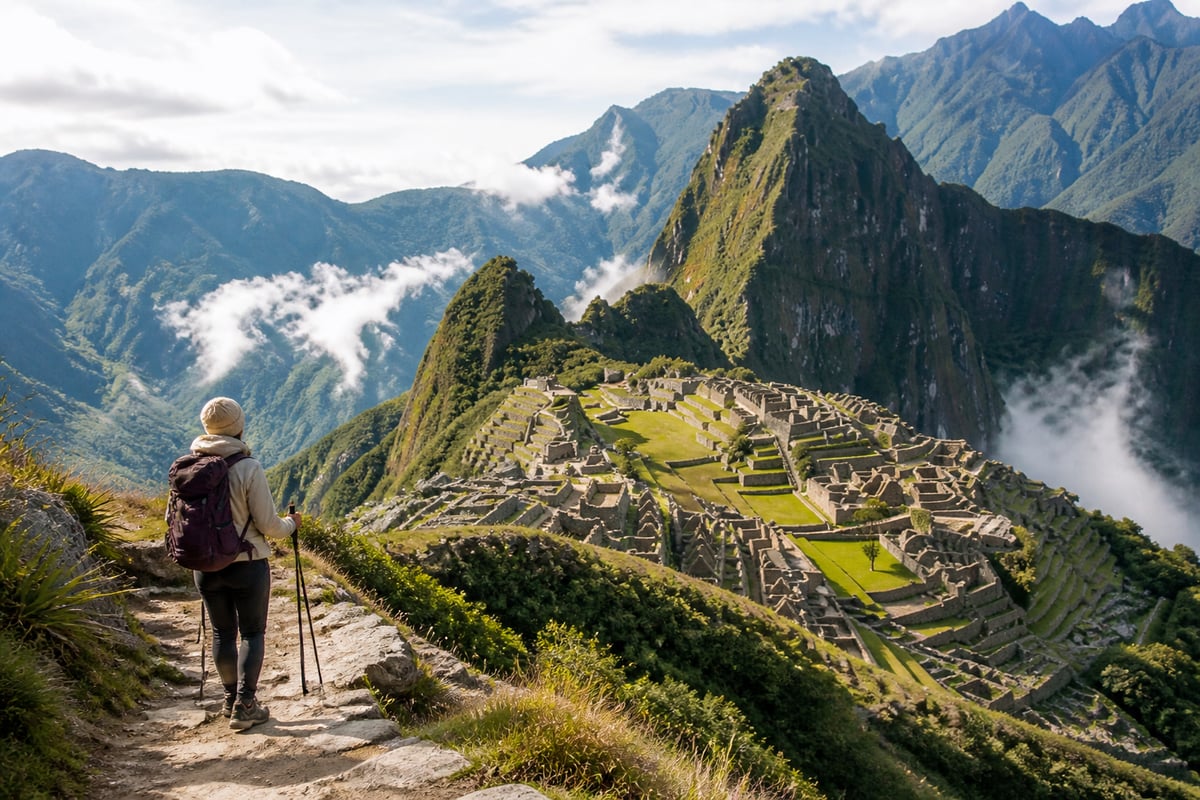
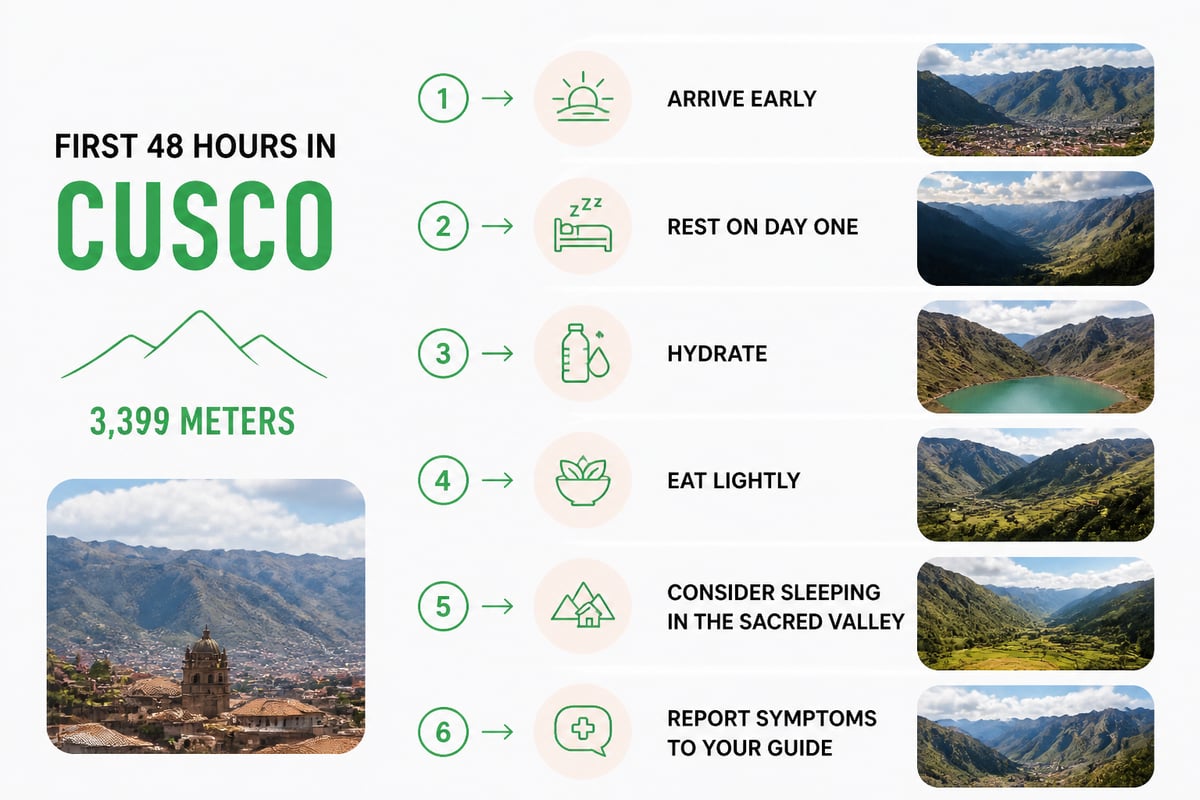
Altitude is the most common practical problem on a first trip to the Andes, and it is easiest to manage by planning your first day around rest. Cusco sits at over 3,399 meters above sea level, so resting on the first day and staying hydrated is sensible advice.
A sensible approach:
- Arrive in Cusco or the Sacred Valley at least a day or two before your Machu Picchu entry.
- Drink water steadily and eat lightly on arrival.
- Consider spending your first night in the Sacred Valley, which is lower than Cusco.
- Tell your guide immediately if you feel persistent headache, nausea or dizziness.
Machu Picchu itself is lower than Cusco, so many travelers feel better at the citadel than in the city.
For packing, bring layers, a rain shell, sun protection, sturdy shoes with grip, a refillable bottle and your passport, since it is required for entry. Weather can shift within an hour, so a light rain layer is useful in any season.
Are There Bathrooms at Machu Picchu?
Facilities are available near the entrance, so use them before you enter. Because the route is one-way and the visit is time-limited, ask your guide where the next stop is likely to be and arrive with small coins in case a fee applies.
Is Machu Picchu Suitable for Older or Less Mobile Travelers?
Many older travelers visit successfully, provided the itinerary is paced for them and they speak with their doctor beforehand. A guided tour helps here: the walk includes uneven stone steps and some steep sections, and a guide can choose a circuit with fewer climbs and build in rest stops. Ask the operator about private or small-group options, since a slower pace is far easier to arrange with a small party. Travelers with heart, lung or mobility conditions should get medical advice before committing to a high-altitude trip.
How Far Is Rainbow Mountain From Machu Picchu?
Rainbow Mountain, or Vinicunca, is not near Machu Picchu in practical terms and is typically visited as a separate excursion from Cusco, not from Aguas Calientes. If you want both, schedule them on different days, with Rainbow Mountain earlier or later in the trip, and give yourself time to adjust to the higher elevation. Your operator can sequence them so you are not stacking two demanding days back to back.
How to Choose Among Machu Picchu Guides and Operators
Choose a guide or operator on verifiable specifics, not on star ratings alone. Use these checks:
- Local base. An operator running from Cusco can solve problems on the ground. Machupicchu Trips has been operating Peru travel experiences since 1999 as a locally owned Cusco company.
- Guide credentials. Ask whether guides are licensed, bilingual and trained in Inca history.
- Group size. Small groups give you more access to the guide and a calmer visit.
- Permit and ticket handling. Confirm that the operator secures entry tickets, trains and trekking permits and tells you the circuit, route and entry time in writing.
- Flexibility. Look for itineraries that can be adjusted to your dates, pace and interests.
- Clear inclusions. A written list of what is and is not covered prevents surprises at the station or the gate.
Ask each operator how they handle a missed train, a weather delay or a schedule change. The answer tells you more than any brochure.
FAQ
What are the best tours of Peru and Machu Picchu?
The best tour is the one that matches your time and fitness. First-time visitors with a week or more often pair Cusco, the Sacred Valley and Machu Picchu, while active travelers add a trekking route such as the Inca Trail or Salkantay. Shorter trips can use a day tour from Cusco.
When is the best time to visit Machu Picchu?
The dry season, roughly May through September, brings clearer skies and cooler nights but also the heaviest crowds, and the 2026 high-season dates run from June 19 to November 2. The wetter months bring fewer visitors and greener scenery, but trails can be muddy and views may be clouded. Whichever you choose, book tickets and trains early.
How early should I book Machu Picchu tickets in 2026?
Book as soon as your dates are firm, particularly for high-season dates, the classic Inca Trail and mountain add-ons such as Huayna Picchu. Because each ticket is tied to a specific circuit, route, date and entry time, a local operator can confirm availability and handle the booking for you.
Start by choosing your travel dates and checking whether they fall in the 2026 high season, since that determines how early you need to secure tickets and trains. From there, decide between a single day from Cusco, a multi-day itinerary or a trek, and be realistic about how you handle altitude. If you want a locally led option on a tight schedule, the Machu Picchu Day Tour is a good place to begin. Whatever the format, the team at Machupicchu Trips can shape the route, permits and guides around your dates, so you can plan my Machu Picchu trip with a Cusco-based operator that has been running Peru journeys since 1999.